
Best Bread Machine for Your Home in 2026: A Quick Checklist and Buying Guide
Disclosure: We may earn a commission when you buy through links on this page, at no extra cost to you. As an Amazon Associate I earn from qualifying purchases. Learn more

Choose the best bread machine for your home with guidance on loaf size, counter space, settings, budget and care, plus profiles for different households.
Picture a Saturday morning where the kitchen smells like a bakery, yet nobody stood over a bowl, kneaded dough by hand, or watched an oven for an hour. That is the everyday promise that leads most people to shop for the best bread machine for their home. The right model turns flour, water, yeast, and salt into a finished loaf while you get on with your day, and it does it on a schedule you control.
This guide helps you choose by the things that actually differ between homes: how much counter and cabinet space you have, how many people eat from each loaf, and what you can comfortably spend. Work through the checklist below, compare your notes with the comparison table below, and you will know which size, shape, and set of settings deserves a permanent spot in your kitchen.

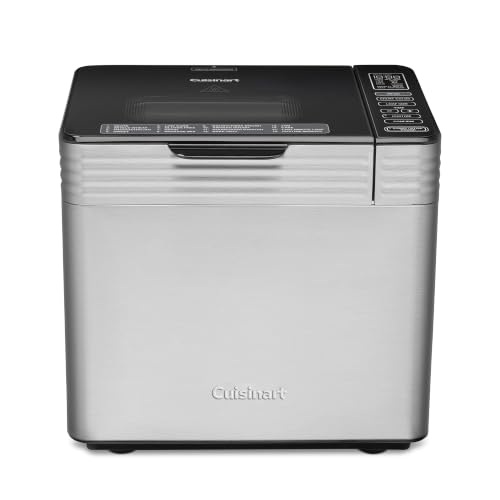

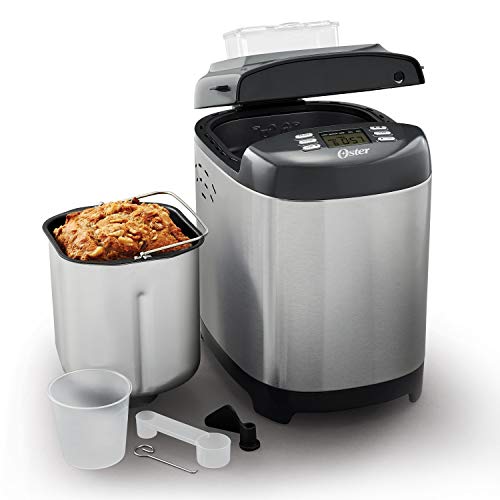

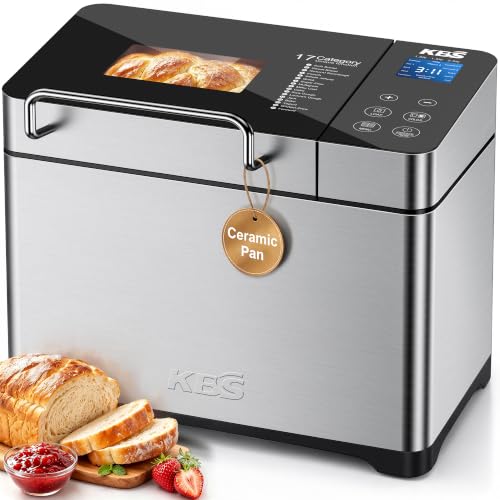
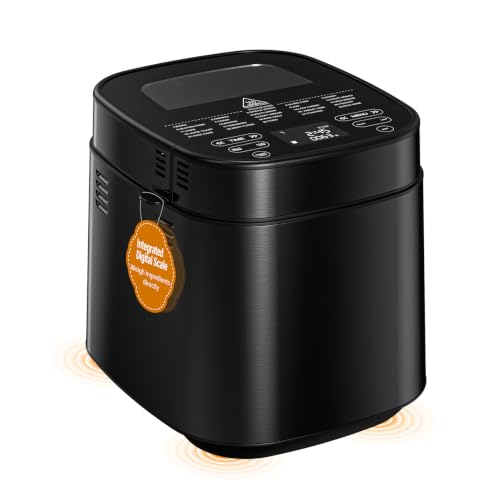
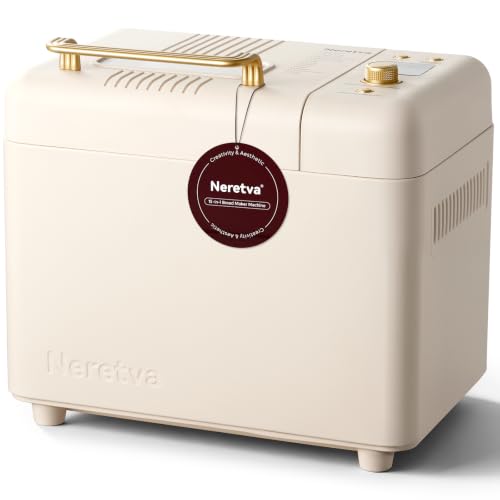
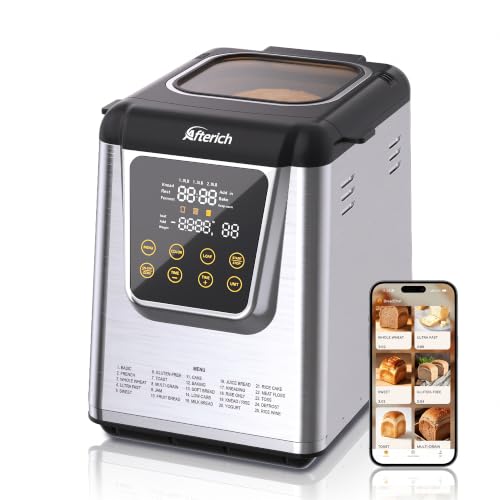

Quick Answer: How to Choose in 30 Seconds
Start with loaf size, because it drives almost every other decision. A household of one or two usually does well with a 1 lb or 1.5 lb capacity, while families who slice bread daily should look at 2 lb or 2.5 lb models. Next, measure the counter and the cabinet above it, since a machine that cannot open fully under low cabinets becomes a daily annoyance.
Then match settings to your real routine rather than an ideal one. If you bake the same sandwich loaf each week, a clear basic cycle and a reliable delay timer matter more than a long menu. If you plan varied baking, look for a dough cycle, a jam cycle, and a dedicated setting for special diets. Finally, set a budget range and favor solid construction, a removable pan, and a clear warranty over extra programs you will never open.
Before You Buy: A Quick Checklist for Choosing a Bread Machine
The checklist below follows the order that prevents regret. Size and fit come first, because no setting can fix a machine that is too large for your counter or too small for your appetite. Features, power, safety, and price come after.
Size: Match Loaf Capacity to Your Household
Capacity is stated as the weight of a finished loaf, and the common steps are 1 lb, 1.5 lb, 2 lb, and 2.5 lb. Small loaves suit singles and couples who eat bread slowly, since a compact loaf stays fresh instead of going stale on the counter. A 2 lb loaf suits most families, giving enough slices for sandwiches and toast across two or three days. Choose 2.5 lb only if you bake for a crowd or freeze slices often.
Which Type Fits Your Routine
Programmable models let you adjust crust color, loaf size, and cycle timing, which suits bakers who like to experiment. Horizontal pans produce a loaf shaped more like a bakery loaf, with slices that fit toasters evenly. Vertical pans take less counter depth and often cost less, though the tall loaf can slice unevenly. Dual paddle designs knead larger or denser dough more evenly, while a single paddle machine is easier to clean and usually quieter.
Features Worth Paying For and Ones to Skip
A delay timer is worth paying for because it lets you load ingredients at night and wake to a finished loaf. A dough setting earns its place if you want pizza bases, rolls, or shaped loaves finished in your oven. A fruit and nut dispenser helps if you bake seeded or sweet loaves often, since it adds extras at the right moment without you listening for a beep. Skip long lists of specialty cycles you cannot imagine using, and treat a jam setting as a bonus rather than a reason to buy.
Wattage, Power and Energy Use
Most home models draw roughly 450 to 850 watts while baking, with larger machines near the top of that range. The heating element works in bursts rather than at full power for the whole cycle, so a loaf usually costs far less in electricity than heating a full size oven. Wattage alone does not tell you how well a machine bakes, since insulation and pan design shape the result just as much.
Safety Features and Certifications
Look for a UL or ETL mark, which shows the appliance was tested against recognized electrical safety standards in the United States. A secure lid, cool touch outer walls, and non slip feet matter in busy kitchens, especially where children reach toward counters. Automatic shutoff adds peace of mind when the timer runs overnight. Keep the machine away from water, since the electrical base should never go in water at all.
Counter Space and Dimensions
Measure width, depth, and the height with the lid fully open before you order, not just the closed footprint listed in small print. Many machines need several extra inches of clearance above them, and standard cabinets can block a tall lid. Leave breathing room at the back and sides, because the vents release heat and steam during baking. If space is tight, plan where the machine will live between bakes, since a model that is hard to move tends to be used less.
Realistic Budget Ranges
Under $100, expect basic cycles, a single loaf size or two, and lighter construction that suits occasional baking. About $100 to $200 is where most households find the best value bread machine territory, with better pans, more loaf sizes, and quieter motors. About $200 to $300 usually buys sturdier parts, dual paddles, and more programming control rather than dramatically better basic bread.
Three Buying Profiles and What to Prioritize
Instead of chasing a single winner, match your home to one of these three profiles. Each profile points to a different balance of size, settings, and build quality. Reading the product table above with one profile in mind makes the differences between models much easier to judge.
Profile One: The Everyday Family Loaf
This profile fits households that bake two or three loaves a week for sandwiches, toast, and table bread. Prioritize a 2 lb capacity, a horizontal pan, and a delay timer that fits your morning routine. Crust control and a keep warm function add daily convenience, while a removable pan and paddle keep cleanup quick. You can safely skip exotic cycles, because reliability on the basic and whole wheat settings is what this profile lives on.
Profile Two: The Small Kitchen on a Budget
This profile fits singles, couples, and first time owners who want fresh bread without giving up precious counter space. Prioritize a compact footprint, a 1 lb or 1.5 lb capacity, and simple controls you can learn in one afternoon. A vertical pan is often the smarter shape here, and basic cycles cover most needs at this size. Spend on a decent nonstick pan rather than extra programs, since the pan is the part you will handle and wash after every single loaf.
Profile Three: The Frequent Baker Investing for Years
This profile fits people who bake most days and want a machine that still feels solid after years of service. Prioritize sturdy construction, a strong motor, dual paddles for dense dough, and custom programming for crust and timing. A larger capacity gives you room for enriched doughs and bigger batches for freezing. Warranty length and the availability of replacement pans and paddles matter more at this level than any single extra setting.
How to Evaluate a Bread Machine Before You Buy
Judge each candidate against the same six criteria so your comparison stays honest. Check capacity against your household, cooking performance through the settings and pan shape on offer, and ease of use through the control layout and instructions. Then weigh cleaning, since a pan and paddle that wash easily decide whether the machine gets used weekly or monthly. Finish with noise, safety marks, and warranty terms, because a loud machine on an early timer can wake the whole house.
Base your judgment on manufacturer specifications and verified buyer feedback about long term use rather than first impressions alone. Comments written after months of baking reveal sticking pans, worn paddles, and lids that loosen, and patterns across many owners tell you more than any single comment.
Matching a Machine to Your Household and Space
Homes differ, and the specialist guides linked here go deeper on the needs this overview can only sketch. If counter space is your main limit, start with our guide to the best small bread machine options and measure your kitchen against the sizes discussed there. New owners who feel unsure about settings and cycles will get more from the best bread machine for beginners guide, which favors simple controls and forgiving programs.
Special diets and hobbies point in other directions. Households avoiding gluten need pans and programs designed for wetter, heavier doughs, and the best gluten free bread machine guide explains what to look for. If you dream of tangy loaves with long fermentation, read the best bread machine for sourdough guide before assuming any model handles starter based dough well. Once your machine arrives, the walkthrough at how to use a bread machine will help your first loaves succeed.
Common Buying Mistakes to Avoid
- Buying a 2.5 lb machine for a two person home, so loaves go stale before they are finished.
- Measuring the counter but forgetting the lid height, so the machine cannot open under your cabinets.
- Paying for twenty cycles when you only ever bake one basic loaf each week.
- Ignoring replacement costs, then discovering a worn pan or paddle costs a large share of a new machine.
- Choosing by wattage alone, even though pan design and insulation shape baking results just as much.
- Skipping the warranty details, which matter most on the motor and the heating element.
Cost of Ownership and Care
Running costs stay modest, since electricity for one loaf is small next to the price of flour and yeast. The real long term expenses are wear parts: the baking pan, the kneading paddle, and occasionally the drive belt on older designs. Budget for a replacement pan after heavy use, because a scratched coating leads to sticking and torn loaves.
Care is simple but specific. Wash the pan and paddle by hand in warm soapy water, dry them fully, and never use metal tools that scratch the coating. Wipe the interior with a damp cloth only when the machine is unplugged and fully cool. Store the machine with the lid slightly open so moisture escapes, and keep the paddle inside the pan so it never goes missing.
Your Questions, Answered
What makes a bread machine reliable over years of use?
Reliability comes from a strong motor, a well made pan, and spare parts that stay available, rather than from any single name on the front. Owners who report long service usually bake within the stated capacity and clean the pan gently. One point often missed is the drive system: a machine that strains on dense dough wears faster.
How do you clean a bread machine properly?
Clean a bread machine by removing the pan and paddle, washing both by hand, and wiping the chamber with a damp cloth once it is cool and unplugged. If the paddle sticks, soak the pan in warm water for a short while and it will usually slide free. Never immerse the base, and avoid scouring pads, which damage the coating inside the chamber.
Is a bread machine worth it for a home kitchen?
A bread machine is worth it if you eat bread several times a week and value control over ingredients, freshness, and timing. The math improves further when you bake specialty loaves that cost far more at a bakery than at home. It is harder to justify for households that eat little bread, because an unused machine gives back neither money nor counter space.
How long does a bread machine last with regular use?
A bread machine used a few times a week commonly lasts about five to eight years before wear parts or the motor give out. Gentle cleaning and correct loaf sizes extend that span, while constant maximum size dense loaves shorten it. The pan and paddle usually wear first, so a model with affordable spares can stay useful well beyond the life of its original pan.
What is the best bread machine for a typical home?
For a typical home, the answer is a 2 lb horizontal model with a delay timer, crust control, and a removable pan that is easy to wash. That combination covers sandwiches, toast, and weekend baking without crowding the counter. Homes that bake less often can drop to 1.5 lb, while daily bakers should trade extra cycles for stronger construction at the same size.
Final Thoughts
The right machine is the one that fits your counter, your household, and your budget at the same time, not the one with the longest list of cycles. Use the checklist in this guide, compare it with the product table above, and let your profile decide where the money goes. When you choose the best bread machine for your home, you are really choosing easier mornings, fresher slices, and a small daily habit that pays you back loaf after loaf.


