
Best Compact Blender: Which Type Fits Your Home for 2026
Disclosure: We may earn a commission when you buy through links on this page, at no extra cost to you. As an Amazon Associate I earn from qualifying purchases. Learn more

Compare the best compact blender types, from personal cups to countertop jars, and choose by counter space, servings and budget.
Picture a weekday morning in a small kitchen. The counter already holds a coffee maker, a toaster, and a cutting board, yet you still want a fresh smoothie before work. A best compact blender solves that squeeze by giving you real blending power in a footprint that can stay out all day. This guide helps you choose by the things that matter at home: your counter space, how many people you blend for, and what your budget can stretch to.
Match jar size, motor strength, and controls to your actual routine instead of chasing the longest feature list. The comparison table below sums up the main types, and the checklist that follows explains each factor.


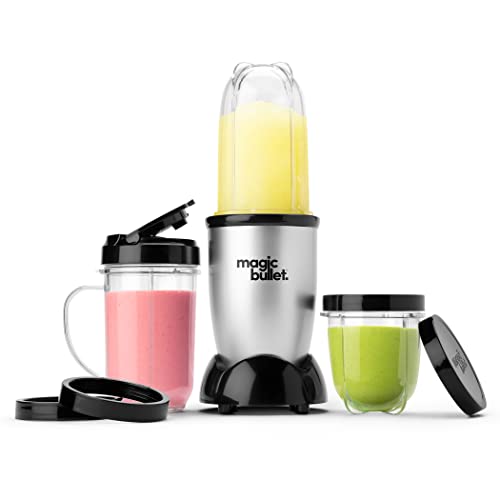


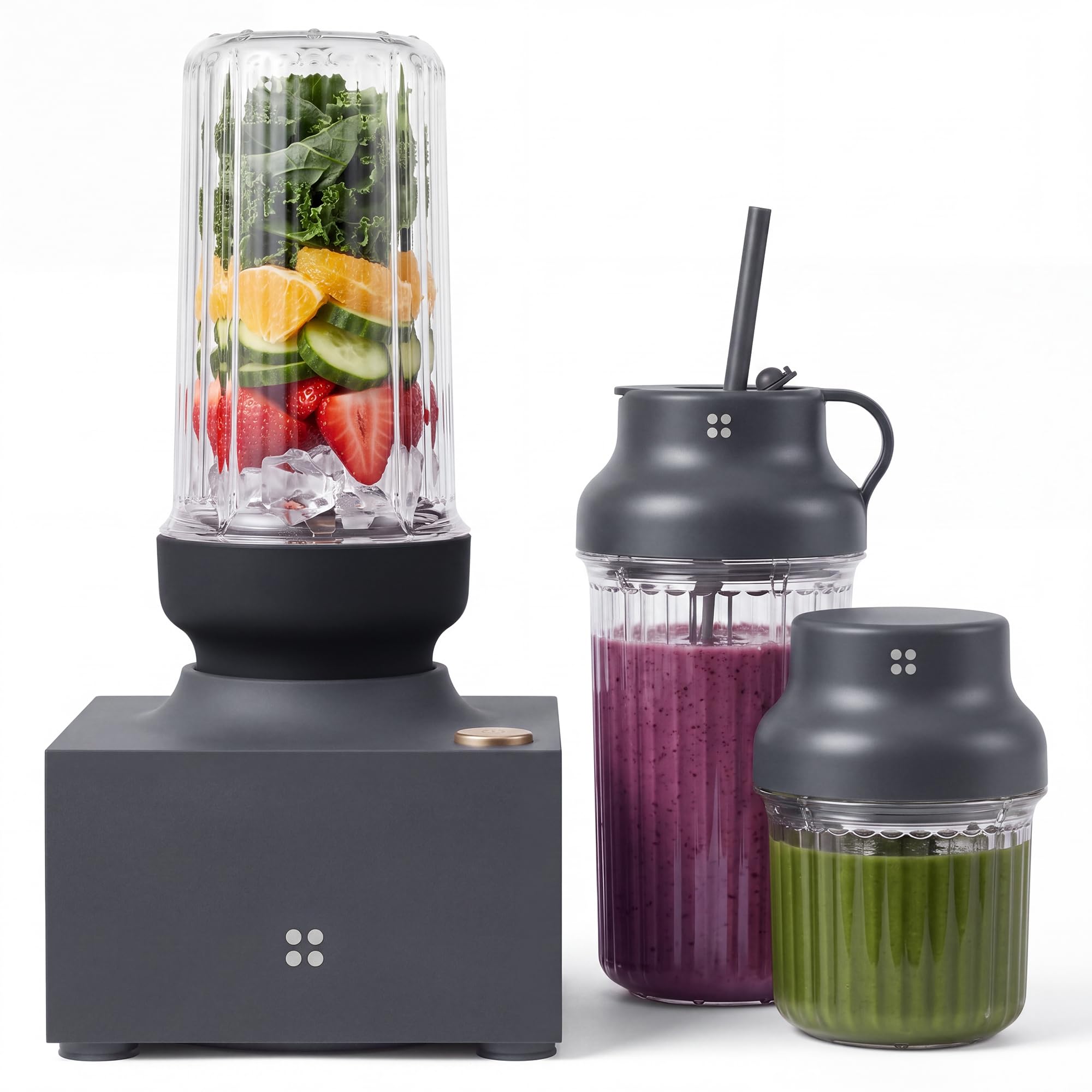
Quick Answer: Three Types That Cover Most Homes
Most households end up choosing between three types. A personal blender with travel cups suits one or two servings and the smallest counters. A compact countertop model with a jar around 48 ounces suits couples and small families who make soups, sauces, and shared smoothies. A stronger compact model with a wider jar and a tamper suits cooks who blend thick mixtures often and want fewer stops to scrape the sides.
If you cook for three or four people several times a week, the midsize jar saves you from blending in batches.
Before You Buy: A Quick Checklist for Choosing a Blender
Work through these points in order, because the early ones rule out models that no amount of power can fix.
Size: Match It to Your Space and Your Servings
Jar capacity shapes everything else. Personal jars usually hold about 18 to 32 ounces, which covers one large smoothie or two small ones. Compact countertop jars around 40 to 48 ounces handle soup for two or a sauce for a family meal. Full size jars of 64 to 72 ounces belong to large households, and they rarely count as compact. If counter space is not your main limit, compare these sizes against the larger options in our guide to the best blender models for bigger kitchens.
Which Type Fits Your Routine
Personal blenders blend straight into a travel cup, so they suit commuters and gym routines with almost no washing up. Compact countertop models use a shared jar and pour spouts, which works better for cooking tasks like dressings, batters, and crushed ice for drinks. A small group of stronger compact models adds a tamper and tougher blades for nut butters and thick frozen blends. Heated, vacuum, and smart models exist, but each added system takes space and money, so most homes gain more from a simple jar design.
Features Worth Paying For, and Ones to Skip
Pay for things you will touch daily: a jar that pours without dripping, travel cups with lids that seal, and controls you can read at a glance. Glass jars resist stains and odors, and our guide to the best glass blender range explains where glass makes the most sense. Skip extra preset programs you will never open, and think twice about a food processor attachment, since our breakdown of blender vs food processor jobs shows that slicing and kneading still belong to a dedicated machine.
Wattage, Power, and Energy Use
Wattage hints at strength, but blade shape and jar design decide how well that strength reaches the food. Personal models often run about 300 to 600 watts and handle soft fruit and protein powder with ease. Compact countertop models around 700 to 1,100 watts crush ice and frozen fruit more reliably. Blending uses power in short bursts, so even a strong model adds very little to your energy bill. What matters more is duty cycle: many compact motors need a pause after about a minute of continuous work.
Safety Features and Certifications
Look for a jar that locks onto the base before the motor can start, because that single interlock prevents the classic mistake of blending with a loose jar. Listings from UL or ETL show the electrical parts met independent safety standards. Rubber feet keep the unit from walking across the counter during hard jobs. If children use the blender, choose covered buttons that small hands cannot nudge by accident, and store the blade assembly out of reach.
Counter Space and Dimensions
Measure before you shop. Note the depth of your counter, the height from the counter to the bottom of your upper cabinets, and the shelf where the jar will live. Many compact models stand about 14 to 17 inches tall with the jar seated, which clears most cabinet gaps, but travel cup towers can add height. If even a compact base feels too large, our guide to the best small blender category covers the tiniest options and what you give up with each step down in size.
Realistic Budget Ranges
Models under $50 cover basic personal blending for soft ingredients, with simpler cups and shorter warranties. Spending about $50 to $100 usually buys a stronger motor, a better sealing lid, and a jar that feels sturdier in the hand. The range of about $100 to $200 adds tougher blades, quieter housings, and longer warranties. Above about $200, you mostly pay for durability and thick mixture performance rather than extra programs.
Three Types Compared: Which Compact Blender Fits Your Home?
Personal Blenders for One or Two Servings
This type blends in the same cup you drink from, so your morning routine gains speed and loses washing up. It suits solo cooks, couples with different schedules, and anyone whose counter has room for little more than a kettle. Frozen fruit works in small amounts when you add enough liquid, and protein powder mixes cleanly, which is why this type pairs so well with the routines covered in our guide to the best blender for protein shakes choices. The trade off is batch size: cooking soup or sauce for four means blending in rounds.
Compact Countertop Jars for Couples and Small Families
A shared jar around 40 to 48 ounces is the middle path most homes actually need. You can blend a pan of soup, a batch of pancake batter, or smoothies for three people in one pass, then pour from a spout instead of spooning from a cup. Controls tend to stay simple, with a dial or a few speeds plus a pulse button for ice. This type asks for a bit more counter depth than a personal model.
Stronger Compact Models for Thick Mixtures
If you make nut butter, hummus, or frozen desserts often, choose the compact type built around torque rather than raw speed claims. A wider jar lets thick food fall back onto the blades, and a tamper lets you push corners down without stopping the motor. These models cost more and sound louder under load, but they finish jobs that stall lighter machines.
How to Compare Compact Blenders Before You Order
Start with the product table above and narrow your list to the type that fits your household, then compare jar capacity, wattage, and warranty within that type only. Read buyer reviews for patterns about leaking lids and cracked cups rather than single angry comments. Check the stated height against your cabinet gap one last time before you order.
What We Like and What We Do Not About Compact Blenders
The biggest strength is simple: a blender that stays on the counter gets used, and one that lives in a deep cabinet does not. Compact models rinse fast, store their cords neatly, and suit the serving sizes most homes make on weekdays. They also cost less to replace part by part, since cups and jars are cheaper than full size parts.
The limits are just as clear. Small jars mean batches for big families, narrow jars can trap thick food above the blades, and lighter motors heat up during long jobs. For one to four servings at a time, though, the smaller footprint is a fair trade that most owners never regret.
Common Buying Mistakes to Avoid
- Buying by wattage alone, when jar shape and blade design decide how frozen fruit actually moves.
- Forgetting to measure the gap under your cabinets, so the jar cannot sit on the base where you planned to store it.
- Choosing a tiny personal cup for a household that cooks for four, which turns one soup into three blending rounds.
- Paying for heated or smart extras you will rarely use, while skipping the tamper your thick recipes actually need.
- Ignoring the cost and availability of replacement cups and gaskets, which turns a small crack into a full replacement.
Cost of Ownership and Care
Running costs stay low, because a compact blender draws power for a minute or two at a time. The real costs arrive as parts: replacement cups run about $10 to $25, gaskets cost a few dollars, and a new jar can reach about $30 to $60 depending on the type. Wash the jar soon after use so residue does not dry onto the blades, dry the gasket fully before reassembling, and wind the cord loosely. For the full routine, follow our step by step guide to how to clean a blender after sticky or oily blends.
Your Questions, Answered
Can a compact blender crush ice and frozen fruit well?
Yes, most compact countertop models crush ice and frozen fruit well when you give them liquid and a fair batch size. Add liquid first so the blades start moving freely, then drop in the frozen pieces a few at a time. Very hard jobs go easier if frozen fruit sits on the counter for a few minutes first. Personal models handle smaller cubes best, so freeze juice or coffee in trays if you blend daily.
Can a compact blender handle hot soup?
Only some compact jars are rated for hot liquids, so check the jar rating before you blend soup straight from the stove. Steam builds pressure inside a sealed jar, and a travel cup lid can pop loose and spray hot liquid. Let soup cool for a few minutes, fill the jar no more than half full, and leave the filler cap loose so steam can escape.
Should I choose a glass or plastic jar for a compact blender?
Choose glass if you blend tomato sauces, turmeric drinks, or curry pastes often, since glass resists stains and lingering smells. Choose plastic if the jar will live on a high shelf, because a full glass jar is heavy to lift down with one hand. Plastic also survives drops better, which matters in busy family kitchens. Either way, check whether the jar is sold on its own, because a jar you cannot replace turns one accident into a whole new purchase.
How long does a compact blender usually last?
A compact blender used a few times a week usually lasts about 4 to 7 years before performance fades. Daily use of frozen blends shortens that span, while soft ingredients and short runs extend it. The end rarely arrives all at once: blends take longer, the gasket starts to weep, or the motor smells hot during jobs it once handled easily. Replacing the gasket or cup at that stage can add another year or two of useful life.
How can I blend early in the morning without waking the house?
You can cut most of the noise by blending the night before and keeping the smoothie in a sealed cup in the fridge. Morning texture softens a little, but a quick shake restores it well enough for most recipes. If you must blend fresh, choose a model with a slower starting speed, because a gradual ramp up avoids the loudest burst. Closing the kitchen door and blending on a stable wooden board also helps, since rattling on a hard stone counter carries through the house.
Final Thoughts
Match the jar to your household, the motor to your hardest regular job, and the height to your cabinets, and the right choice becomes clear. Look back at the product table above, pick the type that fits your routine, and you will have a best compact blender that earns its small patch of counter every day. Prices and availability can change, so check the product page before ordering.


