Best Compact Binoculars for Turkey Hunting: A First Time Buyer's Guide for 2026
Disclosure: We may earn a commission when you buy through links on this page, at no extra cost to you. As an Amazon Associate I earn from qualifying purchases. Learn more

Learn how to choose the best compact binoculars for turkey hunting with plain English specs, sizing tips, and practical guidance for new hunters.
Turkey hunting rewards patience, sharp eyes, and gear that stays out of your way. A compact binocular helps you confirm a beard, read head colors, and watch a bird work toward your calls without the bulk of a full size glass. If this is your first season shopping for the best compact binoculars for turkey hunting, this guide walks you from basic terms to a confident choice, one step at a time.
You will learn what the numbers on the barrel mean, which features truly matter in spring timber, and which extras you can safely skip. The comparison table below gathers current models in one place, so use it beside the guidance here. By the end, you will know how to size, set up, and care for your first pair.



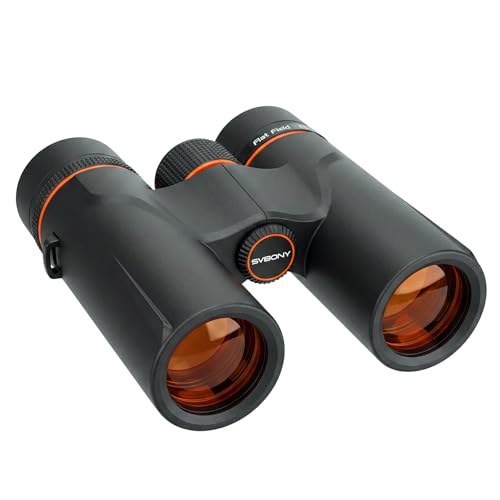
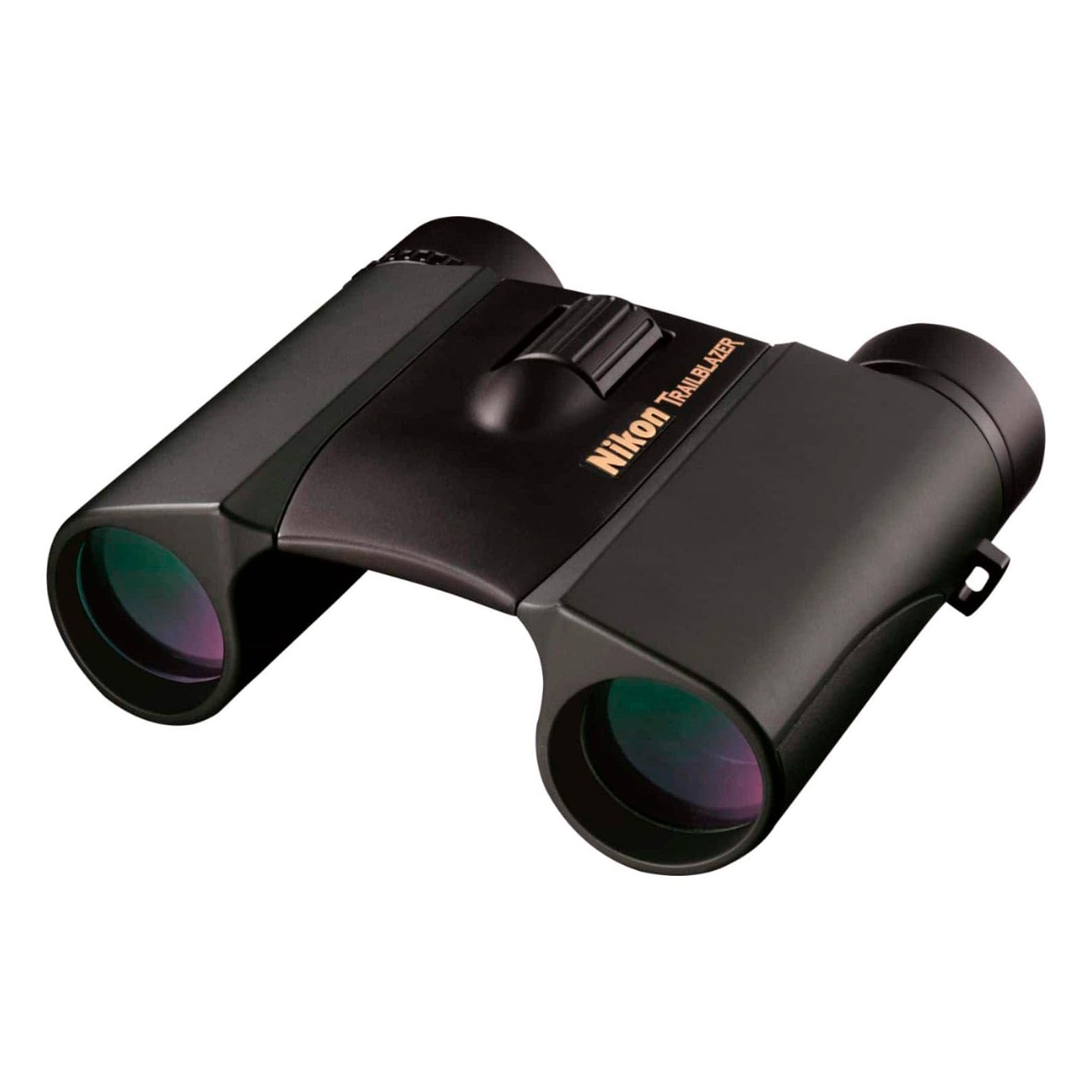

Compact Binoculars 101: The Basics for New Hunters
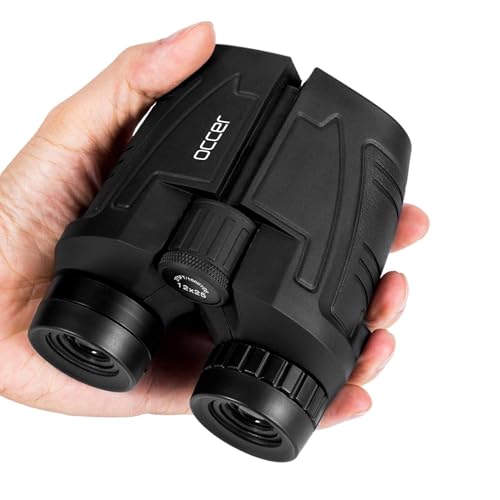
A binocular is simply two small telescopes joined side by side, one for each eye. The large front lenses, called objective lenses, gather light and send it through prisms that fold the view into a short body. The eyepieces then magnify that view, and a model marked 8x32 gives 8 power magnification through 32 mm front lenses. Unlike a camera, a hunting binocular has one fixed power rather than a zoom range, which keeps it simple and tough.
Compact models shrink that design with smaller front lenses, usually 25 mm or 32 mm, and a shorter, lighter body. That size suits turkey hunting well because most action happens at close to moderate range in timber and along field edges. You often sit with your back against a tree, calling sparingly, and extra movement can end the hunt. A light pair rides in a vest pocket or on a chest harness and comes up with one quiet motion.
The tradeoff is light. Smaller front lenses collect less of it, so a compact glass gives a dimmer view at dawn than a full size model with 42 mm lenses. For most spring mornings that tradeoff is worth it, and the best compact binoculars for turkey hunting balance a bright enough image with a body you will actually carry. If you also hunt open country, see our guide to the best compact binoculars for hunting for a broader look at compact models in other seasons.
Key Specs Explained in Plain English
The product table above lists the specs side by side, and this section translates each one into what you will see and feel in the woods. Start with the features that matter most for turkeys, then check size, brightness, focus, and ease of use in that order.
Features That Matter Most for Turkey Hunting
Field of view is the width you can see at 1,000 yards, and a wider view helps you follow a gobbler walking between trees. Close focus is the nearest distance the binocular can sharpen, and a figure around 6 to 10 feet helps when a bird slips in beside your setup. True color matters too, because you judge a turkey by details like a red, white, and blue head and a dark body.
Spring weather adds its own demands, since hunts start in dew and often end in rain. Look for a sealed body filled with nitrogen or a similar dry gas, because that sealing keeps inner lenses clear in cold morning air. A matte rubber coating keeps the body quiet against a vest zipper and hides shine that sharp turkey eyes could catch. Hunters who mostly watch long field edges from one fixed spot can compare our guide to the best turkey hunting binoculars, where larger models earn their weight.
Measuring for Size and Portability
Most compact models weigh about 10 to 20 ounces and measure roughly 4 to 5 inches long, small enough for a turkey vest pocket. Before you buy, load your vest with calls and water, then picture where the binocular will ride for a two hour walk. A chest harness spreads weight across your shoulders, while a simple neck strap can swing and tap against call lanyards as you move.
The 32 mm size is the practical middle ground for new hunters, because it stays trim yet gathers noticeably more light than a 25 mm pocket model. The 25 mm size wins only when every ounce counts on long walks between roost sites. Deer hunters face a similar carry puzzle during longer sits, and our guide to the best compact binoculars for deer hunting shows how the same harness choices play out in that season.
Objective Lens Size and Image Brightness
Brightness at first light decides whether you can judge a bird that leaves the roost before the sun clears the trees. A useful figure is exit pupil, found by dividing the objective size by the power, so an 8x32 model gives a 4 mm exit pupil. Your own pupil opens wide in dim light, and a larger exit pupil feeds it more of the picture. That is why an 8x32 view looks brighter at dawn than a 10x25 view.
Coatings on the lens surfaces protect that brightness by cutting glare and reflection inside the glass. The wording climbs from coated, to fully coated, to multi coated, to fully multi coated, and each step means more surfaces received more layers of treatment. ED glass, short for extra low dispersion glass, reduces the colored fringe you might see around a sunlit tail fan. When you compare the best rated binoculars for hunting, these terms explain much of the gap between budget and premium models.
Focus Wheel, Diopter, and a Steady View
Binoculars do not focus themselves the way a camera does, so your fingers do the work on a center focus wheel. A good wheel turns smoothly with a fingertip, without gritty spots or loose play, and brings a bird into focus across a short turn. Too fast a wheel overshoots the bird, while too slow a wheel loses a turkey walking through cover. A small diopter ring near one eyepiece balances focus between your two eyes, and the setup section below shows how to set it.
Steadiness matters as much as focus, because higher power magnifies every tremor in your hands along with the bird. An 8 power view is far easier to hold still than a 10 power view when you are breathing hard. Brace your elbows on your knees while seated, or rest the binocular lightly against the tree behind you. Hold the barrels with both hands rather than squeezing the body.
Ease of Use for Your Skill Level
Eye relief is the distance your eye can sit behind the eyepiece while still seeing the whole round picture. If you wear glasses, look for longer eye relief, around 15 mm or more, so your lenses do not push your eyes too far back. Eyecups that twist up and down in firm steps let you set that distance and hold it all morning. Short eye relief is a common reason new buyers return a pair that looked fine on paper.
Simple controls beat clever ones in the turkey woods, especially when you wear gloves in cold April air. A wide focus wheel you can find by touch and covers that stay attached both lower the learning curve. Many sound first pairs cost under $200, and paying more mainly buys clearer glass and stronger sealing rather than more power. As you compare the best rated compact binoculars, weigh that simple control layout as heavily as the optical numbers.
Rookie Mistakes to Avoid
Most first time regrets come from a short list of avoidable errors rather than from buying the wrong brand. Check your short list against each one before you order.
- Choosing 10 power or higher for tight timber, because the shake and narrow view make a walking bird hard to follow.
- Buying the tiniest 25 mm pocket model for dawn hunts, because small front lenses gather too little light when turkeys leave the roost.
- Ignoring eye relief while wearing glasses, because you lose the outer edges of the view and strain to see the full picture.
- Skipping the diopter setting, because one eye stays slightly soft and fine detail like a beard turns blurry.
- Letting a shiny strap swing or lens covers dangle and click, because turkeys catch movement and odd sounds quickly.
None of these errors requires a bigger budget to fix, only a slower look at the specs. The product table above makes the comparison easy once you know which numbers matter.
Getting Started: Setup and First Use
A new binocular needs about ten minutes of setup before its first morning in the woods. Work through these steps at home, and the glass will feel natural when a bird answers your call.
- Attach the strap or chest harness and adjust it so the binocular rests mid chest without swinging.
- Hinge the two barrels inward or outward while looking through the binocular until the two circles merge into one round view.
- Set the eyecups for your face, turned down if you wear glasses and raised if you do not.
- Close your right eye and turn the center wheel until a distant sign or tree line looks sharp to your left eye.
- Close your left eye and turn only the diopter ring until the same target looks sharp to your right eye, then open both eyes and use only the center wheel from now on.
- Practice by looking at a spot with bare eyes first, then raising the binocular straight to that spot without dropping your gaze.
For care, wipe lenses only with a clean lens cloth or a soft brush, never your shirt, because grit on fabric can scratch the coatings. Keep the covers on while you walk, and store the binocular dry at room temperature. On your first hunt, glass the woods before you call, and move the binocular slowly in both directions.
Frequently Asked Questions
What features matter most in compact binoculars for turkey hunting?
A wide field of view, honest color, and weather sealing matter most in compact binoculars for turkey hunting. Those traits help you follow a moving bird, judge head colors and a beard, and trust the glass on wet spring mornings. One detail many new buyers miss is tethered lens covers, because covers on short cords cannot drop, click against the body, or get lost during a quick move.
What specs matter most for beginners buying compact binoculars for turkey hunting?
Beginners should put 8 power magnification, a 32 mm objective, and long eye relief at the top of the spec list. That pairing gives a steady view, useful dawn brightness, and forgiving eye placement while you learn. A generous exit pupil also helps, because your eyes do not need perfect alignment behind the eyepieces to keep the full picture. Add a smooth focus wheel and the setup builds skill instead of fighting you.
Is a smartphone camera enough instead of compact binoculars for turkey hunting?
No, a smartphone camera is not enough for judging turkeys at woodland distances. Phone zoom mostly crops the image, so a distant gobbler turns into a soft shape with no beard detail you can trust. A phone screen also glows in dark timber, drains battery you may need later, and forces you to hold it up in full view. A binocular shows a steady, bright picture with gloves on and no light spilling toward the bird.
Which compact binoculars for turkey hunting work better in low light conditions?
Compact binoculars with 32 mm objectives, 8 power magnification, and fully multi coated lenses work better in low light conditions. That mix sends more light to your eyes than a 25 mm model and stays steadier than a 10 power glass. For an extra edge, settle against your tree well before fly down time and glass the shaded edges of clearings first, because roosted birds often pitch into dim cover. A hat brim pulled low also cuts sky glare.
What does 8x42 or 10x42 mean, and how do compact binoculars for turkey hunting differ?
The first number is magnification and the second is objective lens size in millimeters, so 8x42 means 8 power through 42 mm front lenses. Models with 42 mm lenses are full size binoculars, heavier and brighter, while compact models use 25 mm or 32 mm lenses to save weight. For a beginner in timber, an 8x32 hits the friendly middle, because 8 power is easier to hold steady on a walking bird than 10 power.
Final Thoughts
Your first pair does not need every premium term on the box. Focus on 8 power magnification, a 32 mm objective if dawn brightness matters to you, a wide field of view, and eye relief that fits your face or glasses. Set the diopter once and practice at home, and the woods will feel calmer on opening morning.
For most new hunters, the best compact binoculars for turkey hunting is the pair you can carry all morning, focus without thinking, and trust in wet spring weather. Look back at the comparison table above, match the weight to your vest, and choose the model you will gladly lift all season.