
Best Compact Binoculars for Sporting Events: What Actually Matters Before You Buy for 2026
Disclosure: We may earn a commission when you buy through links on this page, at no extra cost to you. As an Amazon Associate I earn from qualifying purchases. Learn more
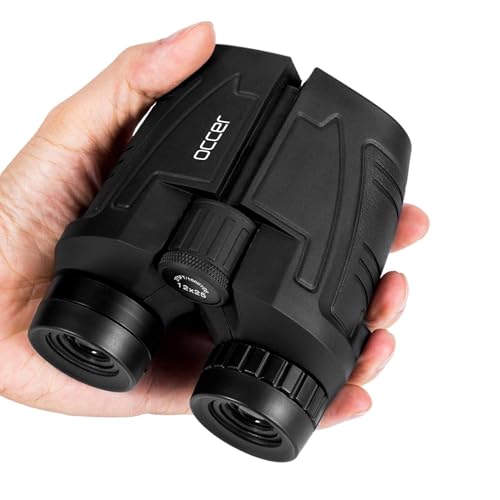
Learn how to choose the best compact binoculars for sporting events, with clear guidance on magnification, lens size, field of view, and comfort.
Choosing best compact binoculars for sporting events is easier when you judge every model against the same short checklist instead of trusting headline claims. Magnification, lens size, field of view, weight, and focus speed decide whether you follow the play or spend the game hunting for the ball.
Use the comparison table below to line up the specs side by side, then read on to learn what each number means for your seat, your sport, and your budget.





How to Evaluate Compact Binoculars With a Simple Checklist
Score each model on the same points, in the same order, so a low price or a flashy claim does not hide a weak spot. Give the most weight to the view itself, then to size and comfort, and only then to extras.
Features That Matter for Sporting Events
Sports move fast and spread across a wide field, court, or track, so field of view and focus speed matter more here than in slow viewing. A wide field lets you keep the ball and the players around it in frame without constant panning. A smooth center focus wheel helps you follow a pass or a breakaway.
If you often watch plays that sweep end to end, see our guide to the best wide angle binoculars for sporting events for a deeper look at field width. For most seats, a field of view around 300 feet or more at 1000 yards keeps group action easy to follow.
Measuring for Size and Portability
Compact usually means an objective lens of 32 mm or smaller, a folded size that fits a jacket pocket or small bag, and a weight under about one pound. Measure the pocket or bag space you plan to use, then compare it with the folded dimensions the maker lists. Leave room for the padded case, which adds bulk.
Portability also involves venue rules, since many stadiums limit bag size or require clear bags. A pocket size pair avoids that problem and travels easily to away games. If you combine games with trips, see our guide to the best compact binoculars for travel for packing ideas.
Glass Quality and Image Brightness
Brightness in a compact pair comes from lens size, glass quality, and coatings, not from magnification alone. Fully multi coated lenses pass more light to your eyes, so colors look richer and detail holds up under stadium lights. The exit pupil, found by dividing lens size by magnification, shows how much light reaches each eye.
Glass type shapes clarity at the edge of the view. Extra low dispersion glass reduces color fringing around bright jerseys and white lines, though it raises the price. Phase coated roof prisms keep contrast strong, which helps you pick out a ball against a bright sky.
Size, Weight, and Ergonomics
How a pair feels in your hands decides how long you can hold it steady. Look for a body shape that fills your palms, plus a focus wheel you can reach without shifting your grip. Twist up eyecups help you set the right eye distance. If you wear glasses, choose eye relief of about 15 mm or more so you see the full field without black edges.
Balance matters as much as total weight during a long game. A pair that feels nose heavy tires your wrists, while even balance lets you raise and lower it many times without strain. A neck strap spreads the load between plays.
Durability and Weather Sealing
Outdoor games bring rain, dust, and the odd splash from a spilled drink, so basic sealing is worth having. Waterproof models with sealed joints keep light rain out, and nitrogen purged barrels stop the inside of the lenses from fogging in changing temperatures. Rubber armor adds grip with wet hands and guards against bumps on concrete seats.
The moving parts tell you plenty as well. The center hinge should feel firm with no wobble, and the focus wheel should turn smoothly with no gritty spots. A solid warranty, ideally ten years or longer, signals the pair is built to last.
Lens and Magnification Range
The two numbers in a model name, such as 8x25 or 10x32, state magnification first and objective lens size in millimeters second. For compact sports use, 8 times suits most seats because it balances reach, steadiness, and field width. Ten times brings distant play closer but narrows the view and magnifies hand shake. Zoom models often lose brightness, so fixed power is usually the smarter buy.
Think about your typical seat before you choose. Fans near the field often prefer 8 times for its wide, steady view, while upper deck fans may accept the shake of 10 times for extra reach. If your seats change often, 8 times is the safer all around choice.
Buying Guidance: Matching Specs to Your Seat and Sport
Your seat and sport change what good means, so a shortlist for the best compact binoculars for sporting events should start from how you watch. Use the product table above to shortlist two or three pairs, then match them against the groups below.
Close Seats and Wide Field Sports
If you sit near the action at soccer, football, or lacrosse, your main risk is losing the play at the edge of the view. Choose 8 times power with the widest field of view you can find in a compact body, and value fast, smooth focus over extra reach. Lower power also keeps the view steady when you stand, cheer, and sit again.
Fans who want a larger view from the same seats can see our guide to the best binoculars for sporting events to compare what bigger lenses add and what they cost in bulk. You will rarely wish for more magnification at this distance.
Mid Range Seats and Mixed Play
Mid range seats are the most common, and they call for balance rather than extremes. An 8x32 or 10x32 pair covers baseball, football, and basketball without feeling too narrow or too dim. If you split your time between day and evening games, lean toward the 32 mm lens for its brighter view under lights.
Overall ratings can help you sort build quality from marketing. To see how owner feedback lines up with specs, see our guide to the best rated compact binoculars and note which strengths repeat across many reviews.
Far Seats, Night Games, and Low Light Needs
From the upper deck or the far end of a stadium, reach and brightness both get tested. Ten times power helps you read jersey numbers and follow a puck or ball, but only if you can hold it steady, so brace your elbows on your knees or a railing. Choose the largest compact lens you can accept, usually 32 mm.
Fans who also watch wildlife on slow weekends need patient, steady viewing more than fast panning. If that sounds like you, see our guide to the best compact binoculars for birding for notes on detail and color. No compact pair matches a full size model for pure brightness at dusk.
Quick Buyer Checklist
Run through these questions before you order, and aim for yes on each one that applies to your games. Two or more no answers should send you back to the product table above.
- Is the magnification 8 times or 10 times, with no zoom range?
- Is the objective lens at least 25 mm, and 32 mm for evening games?
- Is the field of view around 300 feet at 1000 yards or wider?
- Does the folded size fit the pocket or bag you will carry?
- Is the weight under about one pound with strap and case?
- Are the lenses fully multi coated, with stated waterproof and fogproof build?
- Is eye relief about 15 mm or more if you wear glasses?
- Does the warranty cover at least ten years of normal use?
Red Flags to Watch For
Weak models usually reveal themselves in the listing before you ever hold them. Move on when you spot more than one of these signs.
- Inflated magnification claims: extreme power in a tiny body means a dim, shaky view that no fan can hold steady.
- Vague lens language: coated optics without fully multi coated glass often means cheaper coatings that dull the image.
- No stated field of view: leaving out this key sports spec usually means the field is too narrow for fast play.
- Missing sealing details: no mention of waterproof or fogproof construction suggests the pair will fog at the first rainy game.
- Very short warranty: cover of a year or less hints that the hinge and focus wheel are not built to last.
Price can be a flag as well. Most sound compact pairs for sports cost about $50 to $250, and a price far below that range usually reflects thin glass or loose parts.
Setup and Care Tips
A few minutes of setup before your first game makes every later game easier. Set the barrel spacing so the two round views merge into one circle with no black edges. Then set the diopter ring, usually on the right eyepiece, by focusing on a distant sign with one eye and adjusting the ring until the sign is sharp for the other eye. After that, focus with the center wheel only.
For daily care, clean lenses only with a soft lens cloth or lens pen, never your shirt, which can drag grit across the coating. Blow loose dust off first, then wipe in small circles from the center outward. Store the pair in its padded case in a dry spot.
Check the strap and hinge before each season. If the view ever looks doubled, the pair has likely taken a knock and needs professional alignment rather than harder focusing.
Frequently Asked Questions
What features matter most in compact binoculars for sporting events?
Field of view, focus speed, and brightness matter most in compact binoculars for sporting events. A wide field keeps fast play in frame, a smooth focus wheel lets you follow the ball, and coated 32 mm lenses hold detail under lights. Grip texture also helps, because a secure hold in crowded stands prevents drops.
What do the numbers 8x25 and 10x32 mean on compact binoculars?
The first number is magnification and the second is the front lens size in millimeters on compact binoculars. So 8x25 makes play look eight times closer through 25 mm lenses, while 10x32 brings it ten times closer with larger, brighter lenses. Dividing lens size by power gives exit pupil, and a result near 3 to 4 mm suits most sports lighting.
How much should you spend on a first pair of compact binoculars for sporting events?
Most first time buyers get lasting quality by spending about $80 to $150 on compact binoculars for sporting events. Below that range, coatings and hinge quality often disappoint within a season or two. Spending more mainly buys finer glass and better sealing rather than more power.
Is a smartphone camera enough instead of compact binoculars at a sporting event?
A smartphone camera is not enough instead of compact binoculars at a sporting event for most fans. Phone zoom is mostly digital cropping, so distant play turns soft and blocky, and holding a phone up drains the battery you need for tickets and photos. Binoculars give a steady, bright view for hours with no battery at all.
Which compact binoculars work better in low light at evening games?
Compact binoculars with larger lenses and lower power work better in low light at evening games. An 8x32 pair sends more light to your eyes than a 10x25 pair, so faces, numbers, and the ball stay clearer as daylight fades. Exit pupil is the simplest guide here.
The Bottom Line
Stick with the checklist and the choice gets simple. Wide field of view, smooth focus, honest lens size, and a weight you will happily carry decide most of your game day enjoyment. Match power to your seat, 8 times for most fans and 10 times for far seats, and let the product table above confirm the details. Chosen that way, the best compact binoculars for sporting events are the pair that fits your games, your bag, and your budget.

