
Best Binoculars for Sporting Events in 2026: Which Type Is Right for You?
Disclosure: We may earn a commission when you buy through links on this page, at no extra cost to you. As an Amazon Associate I earn from qualifying purchases. Learn more

Fans choosing the best binoculars for sporting events should weigh field of view, focus speed, steadiness, and weather sealing against seat distance and budget.
Choosing the best binoculars for sporting events starts with how far you sit from the action and how fast that action moves. The product table shows a range of picks, and the comparison table below compares the main types side by side, so you can see which design keeps up with a ball, a runner, or a horse without losing the wider play. This guide compares types, features, and budgets for game day.
A good game day pair finds the play quickly, follows it smoothly, and stays comfortable through a long match. Field of view, focus speed, and steadiness matter more here than raw magnification, because a narrow, shaky view will miss the pass that sets up the score. The sections that follow explain those trade offs and help you match a pair to your seat.


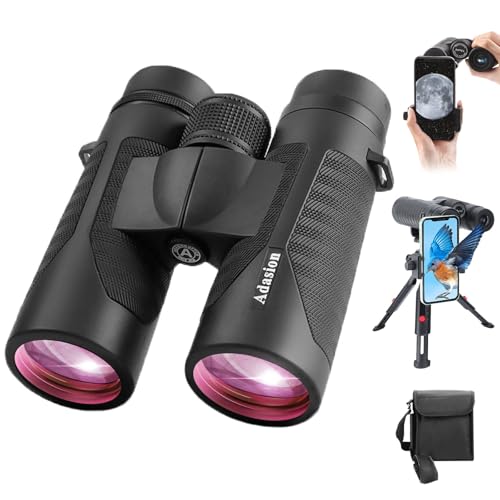


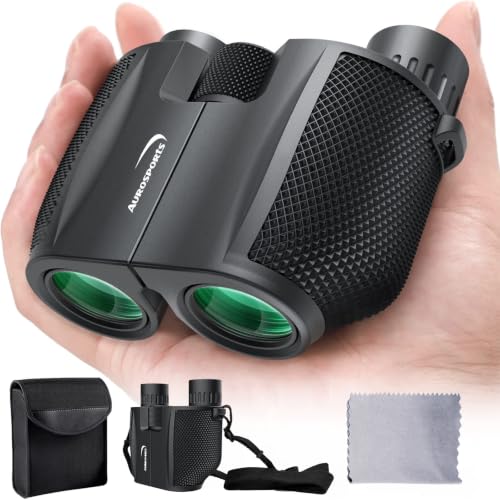


Types of Binoculars for Sporting Events Compared
Start with how you will use the pair at a venue, including stairs, crowds, bags, and weather. A compact pair slips into a small bag and passes a venue check with ease, while a full size pair gives a brighter, steadier view from a distant seat. Use the table below as a quick reference, then read the type notes to see which design fits your usual seat.
| Type | Best For | Pros | Cons | Typical Price |
|---|---|---|---|---|
| Compact binoculars | Close seats and light bags | Light, easy to carry, quick to raise | Narrower field, less bright in shade | About $20 to $180 |
| Full size binoculars | Upper decks and long matches | Steady view, wide field, bright image | Heavier, needs a strap or case | About $50 to $400 |
| Wide field binoculars | Fast team sports and races | Easy tracking, less searching for play | Lower magnification, less close detail | About $100 to $350 |
Compact Binoculars
Compact binoculars use smaller lenses and a folding body, which makes them easy to carry through a crowd and store in a jacket pocket. They suit close seats, indoor arenas, and short outings where you want a quick look rather than a long study of the play. The trade off is a smaller field and a dimmer view under a roof or in evening light.
Choose a compact pair when portability matters most and your seat sits near the action. Look for a fast focus wheel, a grip that stays secure when your hands are cold, and eyecups that sit comfortably for a full half. A compact pair also works well as a spare for friends or family at the same event.
Full Size Binoculars
Full size binoculars usually pair 8x magnification with a 42 mm objective, a layout that balances detail, steadiness, and brightness for distant seats. They help from an upper deck, a far stand, or the back of a racecourse, where a small pair would leave the action tiny. The larger body also tends to feel steadier during a long match.
Choose a full size pair when you sit far from the field and you can carry a strap or a small case. Check the weight over several minutes, not just a few seconds, because arm fatigue grows during a long game. A padded strap helps, and a seat with an armrest gives you a place to rest your elbows between plays.
Wide Field Binoculars
Wide field binoculars trade a little magnification for a broader view, which makes them ideal for fast team sports, horse racing, and motor sport. A broad field lets you follow a breakaway, a pack, or a change of direction without constantly searching for the subject. This type suits viewers who care about the flow of play more than a close look at one player.
Choose a wide field pair when you watch sports with rapid movement across a large area. Check the stated field at 1,000 yards and compare it directly between pairs, because a small difference in field can change how easily you track the action. Pair a wide field with a smooth focus wheel, so you can shift from near to far play without a jolt.
Compact Binoculars vs Full Size Binoculars: Which Should You Choose?
Compare the two types on field, steadiness, brightness, weight, and price. Full size pairs win on steadiness and brightness from distant seats, while compact pairs win on weight and ease of carrying. Field depends on the optical design, so a well designed compact pair can still offer a useful view, even if it cannot match a full size pair in shade.
Price follows size and glass quality, with compact pairs often costing less and full size pairs costing more for larger lenses and better coatings. If your seat sits high or far away, choose the full size pair and accept the weight. If you move between seats, climb stairs, or travel light, choose the compact pair and enjoy the freedom it gives you.
How to Choose the Right Pair of Binoculars
Work through the factors below with your usual venue in mind, because an indoor arena, an open stadium, and a racecourse each reward different strengths. A pair that excels at one venue may feel awkward at another, so rank the factors by your own game day routine. Avoid paying for extreme magnification when a wider field would serve you better.
Low Light Performance
Evening matches and roofed stands need a pair that holds contrast when light drops. A 42 mm objective and a wide exit pupil help here, as do strong coatings that cut glare from floodlights. Try a pair under similar light if you can, because a bright shop view does not predict an evening match view.
Focus Speed and Tracking
Focus speed decides whether you catch a fast break or lose it while turning the wheel. A short, smooth focus travel helps you shift from a near player to a distant play without overshooting. Practice the motion before game day, and choose a wheel position that your index finger reaches without shifting your grip.
Size, Weight, and Venue Rules
Size and weight affect comfort, but venue rules affect whether you can bring the pair at all. Check bag size limits and any restrictions on cases before you travel, and choose a pair that fits your bag with its strap attached. A compact pair often clears a check faster, while a full size pair may need a clear bag or a separate case.
Durability and Weather Sealing
Outdoor venues bring rain, dust, and temperature swings, so sealed bodies and fog resistant filling help the pair stay clear through a match. A rubber armor coating improves grip in wet hands and cushions a bump on a concrete step. Dry the pair after rain and store it in a padded bag, rather than leaving it damp in a vehicle.
Features That Matter for Sporting Events
For sporting events, prioritize a wide field, fast focus, a steady hold, and comfortable eye relief. A magnification of 8x suits most seats, because it stays steadier than 10x and still shows facial expressions and jersey numbers from a good seat. Higher power helps only from very distant seats, and it narrows the field so much that tracking becomes harder.
Never look at the sun through binoculars, even during a daytime match when the sun sits low over a stand. The concentrated light can harm your eyes quickly, and a standard pair offers no safe way to view the sun. Keep the lens caps on when you are not watching, and point the pair down during breaks in play.
Tips to Get the Most From Your Pair of Binoculars
Use a lens cloth, not your shirt, because fabric can drag grit across the glass and leave fine marks over time. Blow loose dust away first, then wipe gently from the center outward. Keep the strap around your neck between plays, so the pair cannot slip from a stand or a step.
Arrive early and check the focus on a distant sign, a goal, or a fence line before the match starts. That quick check lets you set the eyecups and the focus range while the venue is calm. Store the pair in a dry, padded bag after the event, and check the strap mounts and eyecups from time to time for wear.
For a smaller game day option, see our guide to best compact binoculars for sporting events, which covers portability and close seats in more detail. For tracking fast play, see our guide to best wide angle binoculars for sporting events and compare its field figures with the types above.
Binoculars: Your Questions Answered
What features matter most in binoculars for sporting events?
Field of view, focus speed, steadiness, and eye relief matter most, because they decide whether you find and follow the play. A wide field helps you track movement, while a fast focus wheel lets you shift from near to far action. Add a comfortable grip and a weight you can hold for a full match, since fatigue hurts tracking more than a small spec gap.
How much should I spend on my first pair?
Plan on about $30 to $150 for a solid first pair, with compact pairs at the lower end and full size pairs toward the upper end. That range usually buys clear glass, a smooth focus wheel, and basic weather sealing. Spend more only when you sit far from the action often, or when you need a wider field for fast team sports.
Which is better for low light?
A full size pair with a 42 mm objective usually beats a compact pair in low light, because it gathers more light and offers a wider exit pupil. Evening matches and shaded stands reward that extra brightness, even if the pair weighs more. Choose the largest pair you will carry through a venue check and hold steady for a full match.
What specs matter most for beginners?
Beginners should focus on magnification, field of view, eye relief, weight, and focus feel, in that order. A magnification of 8x suits most seats, because it stays steadier than 10x and still shows good detail. Check the field at 1,000 yards, try the weight over several minutes, and turn the focus wheel with one finger before you decide.
What does 8x42 or 10x42 mean?
The first number is magnification, so 8x makes a subject look eight times closer than the naked eye, while 10x makes it look ten times closer. The second number is the objective lens diameter in millimeters, so 42 means a 42 mm front lens. Divide the second number by the first to estimate exit pupil, which helps you compare brightness between pairs.
Is a smartphone enough instead?
A smartphone works well for photos, replays, and sharing a moment, but it struggles to follow live action at distance without a shaky, cropped view. Holding a phone up for a full match also tires your arms and blocks the view of people behind you. Binoculars suit live watching, while a phone suits recording and checking scores after the play.
Final Thoughts
For most seats, an 8x42 full size pair offers the best balance of field, steadiness, and brightness for game day. Compact pairs suit close seats and light travel, while wide field pairs suit fast sports where tracking matters more than close detail. Match the type to your seat and your venue rules, check the focus feel, and use the product table to compare price tiers before you order.
When you are ready, rank field, focus speed, and comfort above raw power, and choose the best binoculars for sporting events by the view you will actually enjoy through a full match. That order keeps the decision focused on following the play, not on chasing the highest number on the box.


