
Best Compact Adjustable Dumbbells: Space-Saving Buying Guide for 2026
Disclosure: We may earn a commission when you buy through links on this page, at no extra cost to you. As an Amazon Associate I earn from qualifying purchases. Learn more

Short on space? Compare the best compact adjustable dumbbells by footprint, weight range, handle fit and locking security before you buy.
A full rack of fixed dumbbells can take up an entire wall, and that is space most apartments and spare rooms simply do not have. The best compact adjustable dumbbells solve that problem by putting many weight settings into one pair that fits in a corner, a closet, or under a sturdy bench. This guide explains how the main designs differ, what footprint means in daily use, and which features matter most when every inch counts.
Compact does not automatically mean light or flimsy, and not every set stores the same way. Some stay short but sit wide in a tray, while others grow longer as you select more weight. The sections below help you match stored size and adjustment style to your room.
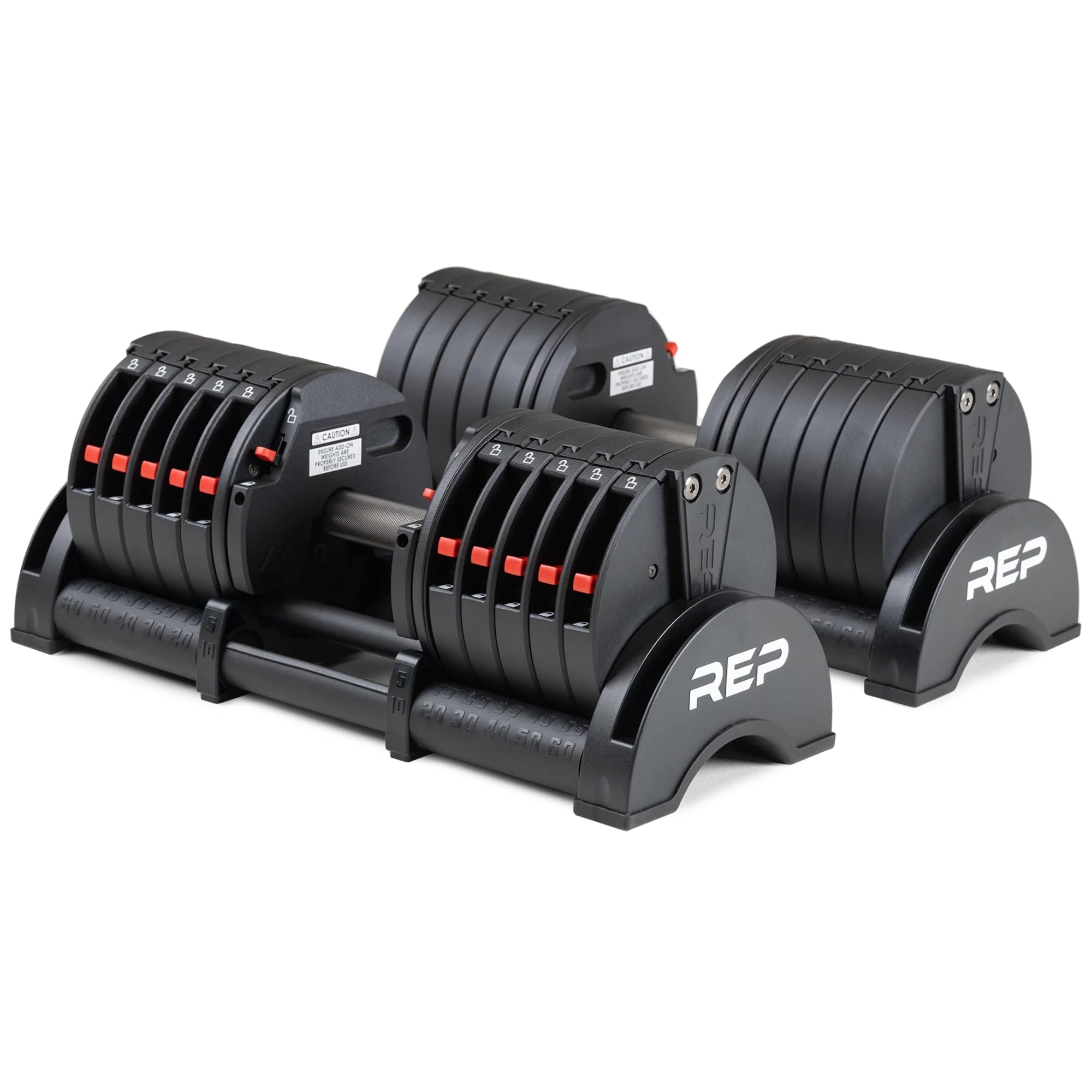

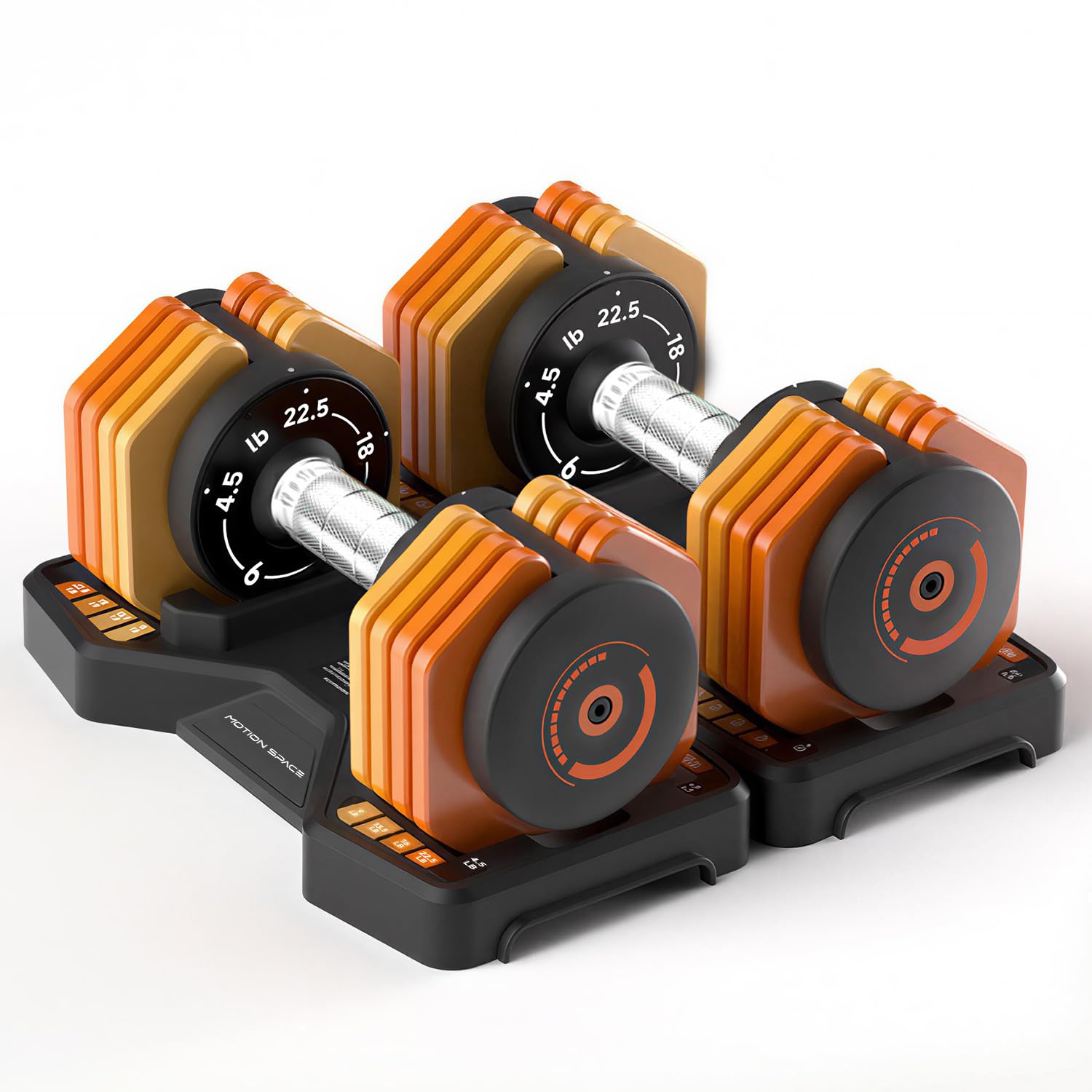
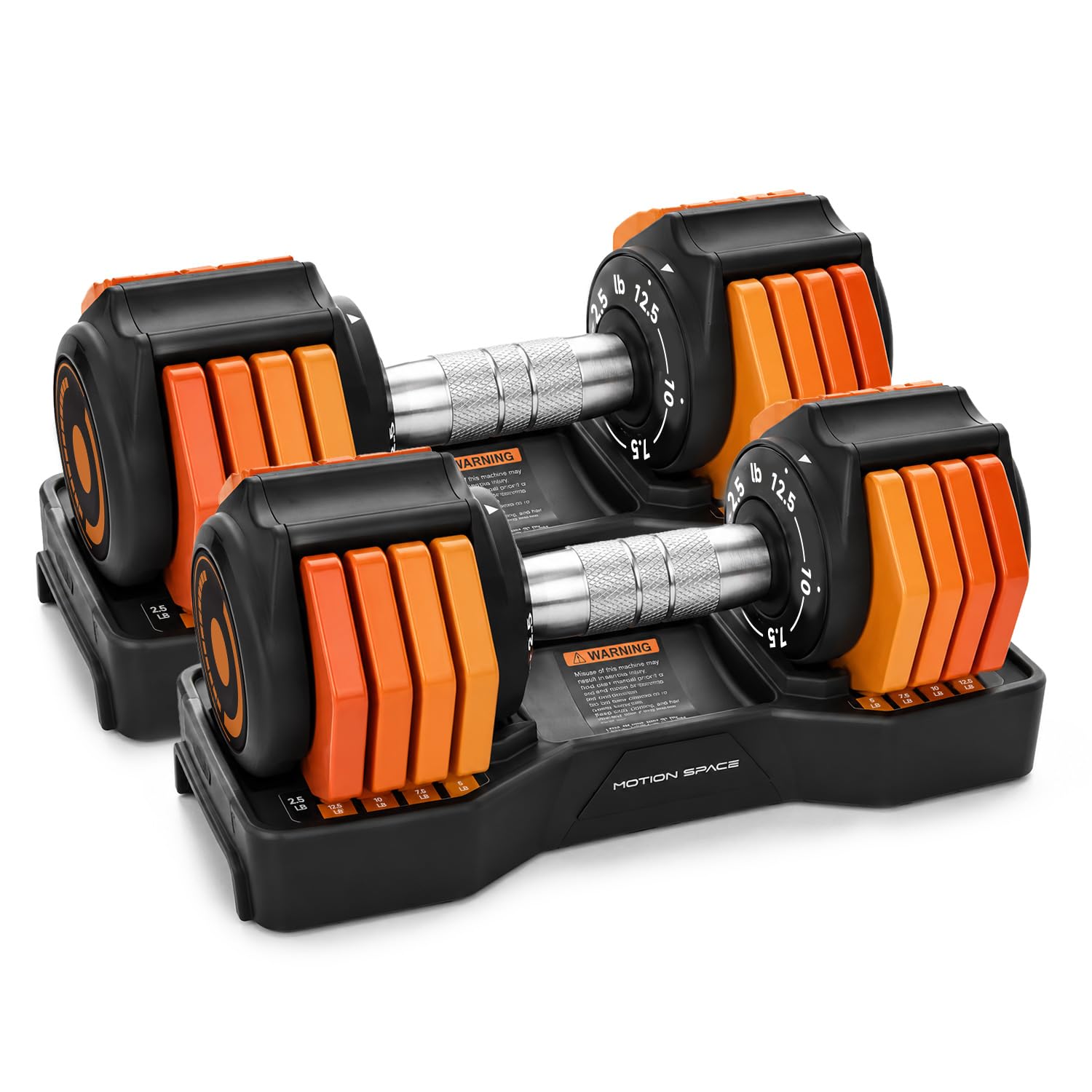


Who Should Buy Compact Adjustable Dumbbells?
Apartment Lifters With One Storage Corner
You train in a living room or bedroom and need the weights gone from sight when the workout ends. A compact pair that lives in its tray in one corner, or slides under a bed with enough clearance, suits you better than a long set that demands a stand. Measure that corner before you shop, including room for your hands to lift the handles out.
Lifters Sharing Space With Family or Roommates
You share your training area, so the weights must move easily and stay put between sessions. A compact set you can carry back to a closet by the tray, or store inside a low cabinet, keeps walkways clear and reduces the chance of someone tripping over a loose plate. Quiet adjustment matters more for you than a huge top weight, as does a design with no loose plates left on the floor.
Beginners Who Want Room to Grow Without a Rack
You are starting strength training at home and expect your working weights to rise over the next year or two. A compact set that begins at a light setting and climbs in small steps lets you progress on presses, rows, and squats without buying new pairs along the way. Look for a range that covers your current lifts with headroom, plus small increments so jumps in weight never feel abrupt.
Types of the Best Compact Adjustable Dumbbells for Tight Spaces
Dial and selector pin sets change weight with a turn or a pin move while the dumbbell sits in its tray. They are fast between exercises, and unused plates stay nested in the tray instead of spreading across the floor. Their stored footprint is mostly the tray size, so check tray width as carefully as handle length. These sets often grow longer at heavier settings, which matters on a shallow shelf.
Block style sets use a boxy handle and nested weight blocks selected with a pin. The shape stays short, which can suit a tight shelf, and the flat sides rest steadily without rolling. The grip feel is more squared than a round handle, and some lifters need a session or two to get used to it during presses. Our comparison of bowflex vs powerblock explains how block and dial approaches differ in shape and handling.
Plate loaded and spin lock sets use small plates on a threaded or collared handle, much like a short barbell. They tend to cost less and feel familiar if you already own plates, but changing weight takes longer because you handle each plate and collar by hand. Loose plates also need their own storage spot, which can erase the space saving you wanted.
Key Features to Compare
Six factors decide whether a compact set truly fits your room and your training.
Footprint and Stored Length
Footprint means the floor or shelf area the set occupies in its tray, while stored length means the full length of one dumbbell at its heaviest setting. Both matter, because a set can sit in a small tray yet grow too long for your shelf once you select more weight. Measure your storage spot in inches, then compare it with the tray dimensions and the longest setting the maker lists. Leave about two inches of extra room so you can grip the handle and lift straight up.
Weight Range and Increment Size
Light compact sets often run from about 5 to 25 lb per hand, mid range sets reach about 50 to 52.5 lb, and heavy sets climb to about 80 or 90 lb. Choose a top weight above your current working weights so the set stays useful as you get stronger. Increment size matters just as much, since small steps of about 2.5 to 5 lb help you progress on shoulder work without a sudden jump. If you lift heavy and need more, see our guide to the best 100 lb adjustable dumbbells.
Adjustment Speed and Ease of Use
Adjustment style shapes how a workout flows, especially when you move between exercises with short rest periods. Dial and pin systems change in seconds while the set rests in the tray, and that speed helps during circuits. Twist style handles also change quickly, though you must set the dumbbell down fully before each change. Spin lock handles are the slowest option, since each plate swap takes both hands and a flat surface.
Handle Fit and Balance
The handle sits in your palm for every rep, so its diameter, texture, and length deserve close attention. A grip that is too thick tires your forearms on rows, while a grip that is too smooth can shift during presses when your hands sweat. Handle length also affects balance, because a long handle can feel awkward on curls and bump your thighs during deadlifts. If smaller hands are a concern, our guide to the best adjustable dumbbells for women covers grip diameter in more depth.
Build Quality and Locking Security
A compact set packs moving parts into a small frame, so the locking system is the heart of the product. Plates should seat firmly with no rattle when you lift the dumbbell clear of the tray, and the selector should click into place with a clear positive feel. Steel handles and reinforced trays handle daily use better than thin plastic parts in high wear spots. Check the warranty length, since longer cover on the mechanism signals maker confidence.
Noise and Floor Protection
Noise matters more in apartments, where a clank at dawn carries through the floor to the home below. Sets with coated plates and a snug tray tend to change weight more quietly than bare metal plates on a hard surface. Training on a mat protects the floor and the tray, and it softens the sound when you set the weights down. If you train above a living space, avoid dropping any adjustable set, because the mechanism cannot absorb drops like a fixed rubber dumbbell.
How to Measure Your Space and Choose the Right Size
A few minutes with a tape measure prevents the most common mistake here, which is buying a set that fits the room only at its lightest setting.
- Choose the exact storage spot first, such as a closet corner or a space under the bed, and clear it fully.
- Measure the width, depth, and height of that spot in inches, and note anything that narrows it, like baseboards.
- Compare your numbers with the tray size and the longest dumbbell length the maker lists, and confirm lifting clearance above the tray.
- List your current working weights for your main lifts, and pick a range that covers them with room to grow.
- Decide whether a stand is realistic, since a stand adds its own footprint even though it saves bending down to lift.
For larger layouts with stands, see the guide to best adjustable dumbbells for home gym setups. For a wider view of ranges and mechanisms across all sizes, start with our overview of the best adjustable dumbbells.
Common Mistakes to Avoid
- Measuring only the tray and forgetting that many sets grow longer at heavier settings, so the pair no longer fits the shelf.
- Buying a top weight below your current working weights, which forces a second purchase within months.
- Choosing the cheapest locking system for daily heavy use, since a loose plate that shifts mid rep can strain your wrist.
- Storing the set on bare hardwood without a mat, which scratches the floor and cracks tray edges over time.
- Dropping adjustable dumbbells after a hard set, a habit that can damage the selector mechanism inside the handle.
- Ignoring increment size and finding the jump between settings too large for shoulder presses and lateral raises.
How to Make Your Compact Adjustable Dumbbells Last Longer
Keep the tray on a flat surface so the plates align with the handle each time you set the dumbbell down. Misaligned seating is a common cause of selectors that feel stiff or refuse to turn. Wipe handles and plates with a dry or slightly damp cloth after training, and keep chalk dust out of the selector area. Store the set in a dry room, since damp garages encourage rust on exposed metal.
Inspect the locking parts monthly for cracks, bent pins, or plates that no longer seat flush. Stop using a dumbbell if a plate feels loose after selection, and contact the maker about warranty service. Lift the pair by the handles rather than dragging the tray across the floor, which wears the tray feet and can warp the base.
FAQ
Are compact adjustable dumbbells worth it for a small apartment?
Yes, for most apartment lifters they are worth it, because one pair replaces many fixed pairs that would need a rack and a full wall. The value grows when you train at least twice a week and use most of the range. One point buyers often miss is moving day: a single tray is far easier to carry down stairs than a rack of fixed weights. If you train only with light weights, a small fixed pair may cost less.
How long do compact adjustable dumbbells last with regular use?
A well kept set can last many years of home training, and the mechanism usually wears out before the plates do. Longevity depends heavily on how the set is treated, since drops and damp storage shorten its life faster than normal reps. Keep your proof of purchase and model details somewhere safe, because warranty claims years later often stall without them. If a selector grows stiff, a maker approved cleaning is wiser than forcing it.
Are expensive compact adjustable dumbbells worth the extra cost?
They can be, when the higher price buys a stronger locking mechanism, a sturdier tray, and smaller increments you will use every week. Paying more for a top weight you will never reach adds little value, so match the range to your lifts first. Higher priced sets, often about $400 to $700 for a pair, also tend to include longer warranty cover. Budget sets at about $100 to $250 suit lighter training, while mid range sets at about $200 to $400 fit most home lifters.
Can compact adjustable dumbbells be stored on carpet?
Yes, but place a firm board or a low mat under the tray so the set sits level and the plates align with the handle. Deep carpet lets the tray tilt, and a tilted tray can make the selector feel sticky when you change weight. Carpet also traps moisture under the base, so lift the tray now and then and check that the underside stays dry. A mat also protects the carpet pile from lasting dents.
Can two people share one pair of compact adjustable dumbbells?
Yes, and sharing works well when you plan the session so both lifters use the pair in turn during rest periods. Quick change systems make sharing smoother, since each person can reset the weight in seconds before a set. One limit is grip size, because a thick handle that suits one lifter may fatigue smaller hands during high rep work. Couples at very different strengths may prefer a wider range so neither person outgrows the set.
Final Thoughts
The right compact set fits your measured storage spot, covers your working weights with room to grow, and changes weight in a way you enjoy using. Start with footprint and stored length, then check increments, handle fit, and locking quality before you compare prices in the product table above. When those basics line up, the best compact adjustable dumbbells give you a full strength setup that tucks into a corner.


