Best Adjustable Dumbbells for 2026: A Buying Guide and Checklist
Disclosure: We may earn a commission when you buy through links on this page, at no extra cost to you. As an Amazon Associate I earn from qualifying purchases. Learn more

Choose the best adjustable dumbbells for a small space or a heavy home gym with clear advice on weight range, increments, handles and price.
A full rack of fixed dumbbells can take up an entire wall, yet most home workouts only need a handful of weights at any one time. That is why so many people look for the best adjustable dumbbells instead, since one pair can cover light accessory work and heavy pressing in a single compact footprint. The challenge is that adjustment systems, weight ranges, and handle shapes vary a lot, and the wrong choice can feel awkward on every single rep.
This guide walks you through the decision step by step, covering build quality and weight capacity, footprint and storage, adjustment style, noise, and what extra features are actually worth paying for. You will find buying profiles for different training goals, clear price guidance, and care tips that keep a set working smoothly. As you read, use the product table to line up the key specs side by side and narrow your shortlist.


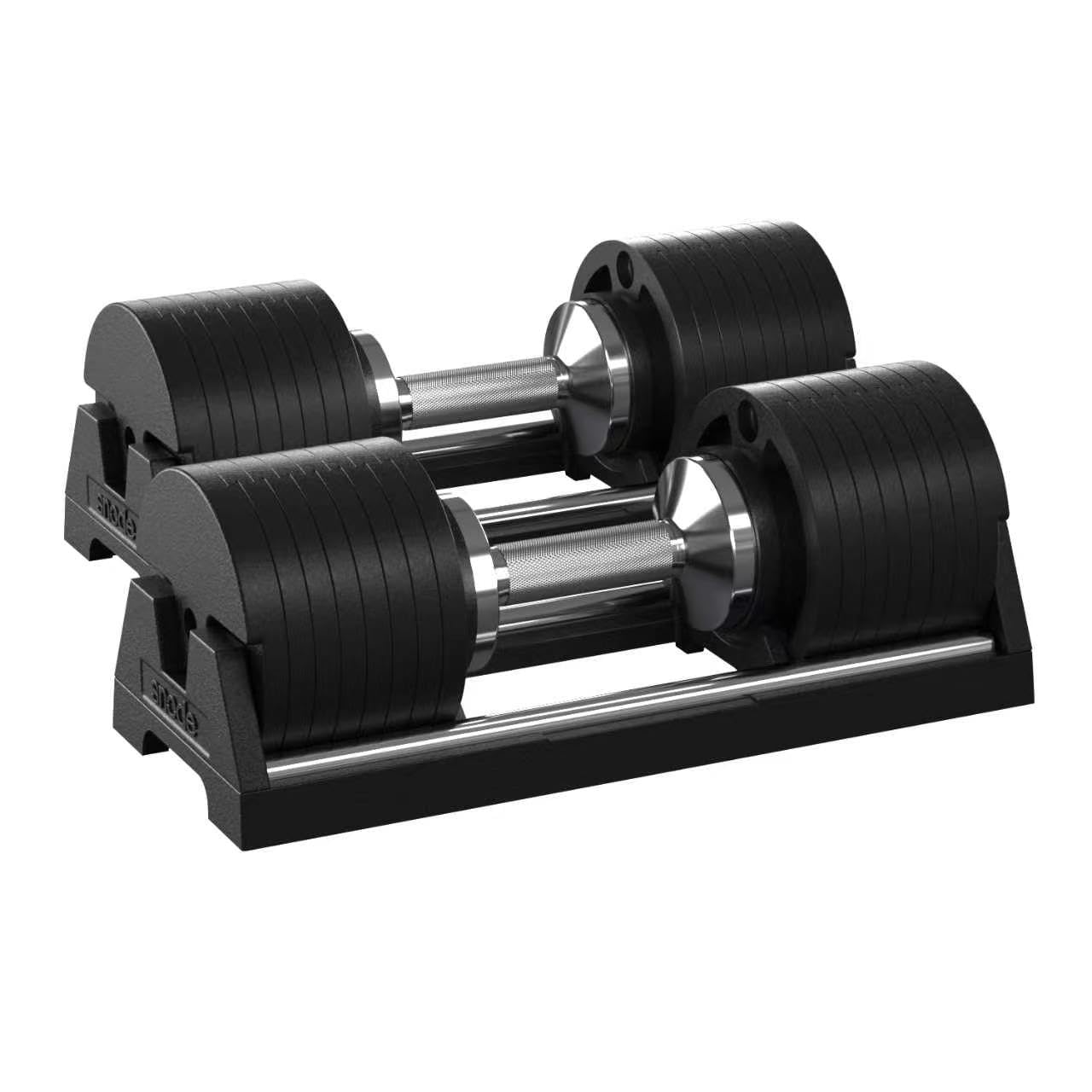
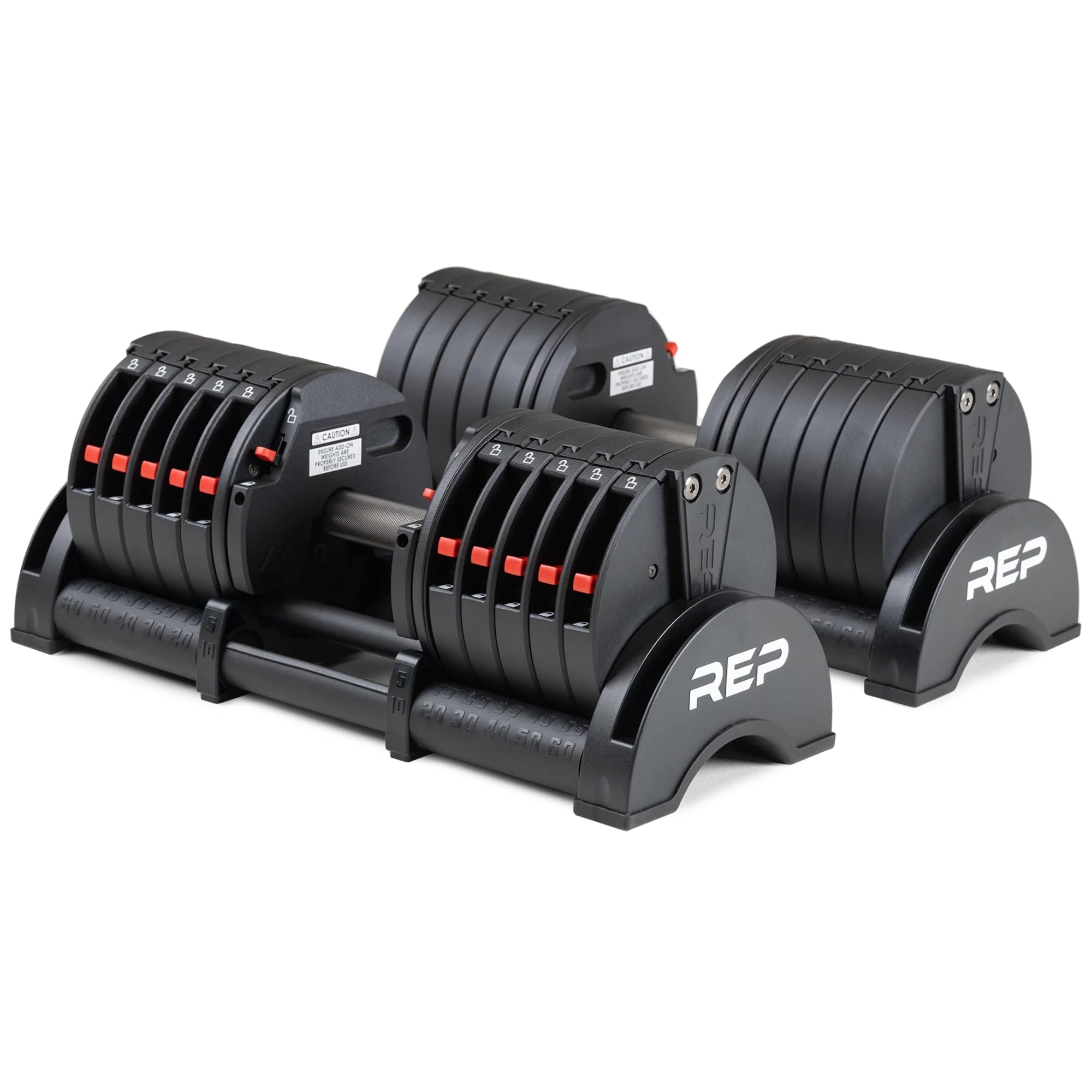


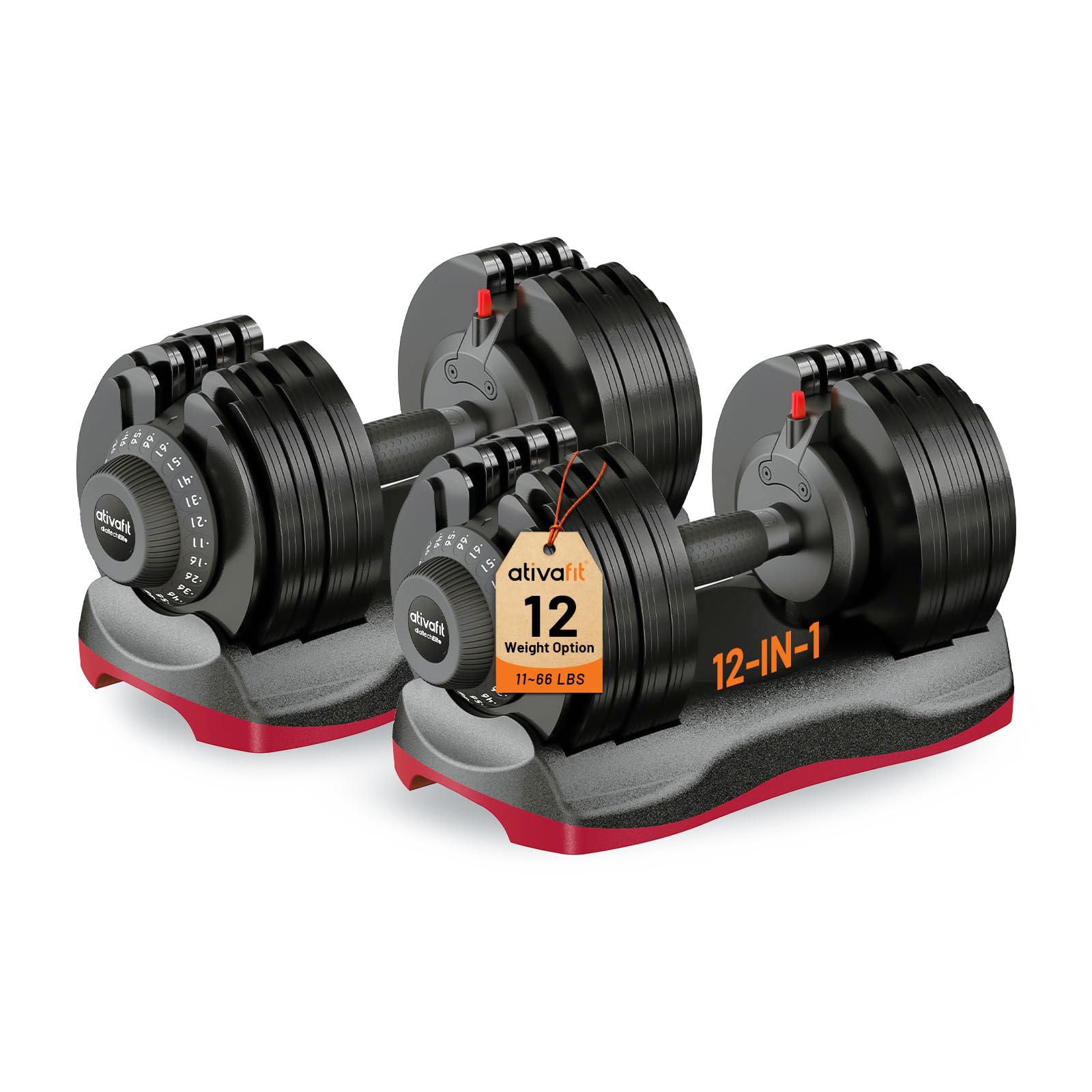


Three Buying Profiles and What to Prioritize
There is no single set that suits every lifter, so start from your training rather than from a spec sheet. Match yourself to the closest profile below, then use the later sections to check the details that matter most for it.
The Space Saver in a Small Room or Apartment
Your top priority is footprint, because the set has to live in a corner, a closet, or under a bench rather than in a dedicated gym room. Look for a light to mid range pair, roughly 5 to 25 lb or 5 to 50 lb per hand, with a storage tray that keeps both dumbbells and unused plates in one tidy place. Compact handles and a shorter overall length also matter, since long dumbbells can feel clumsy during presses and rows in tight quarters.
The Steady Progressor Building General Strength
You train three or four times a week and want one pair that will still challenge you a year from now, so weight range and increment size come first. A set that runs from about 5 to 50 lb or 5 to 52.5 lb per hand, in steps of 2.5 lb or 5 lb, lets you add load gradually on curls, presses, and goblet squats without big jumps that stall progress. A secure locking mechanism and a comfortable knurled or textured grip matter more at this level, because you will handle the dumbbells often and at moderate to heavy loads.
The Strong Lifter Who Needs Real Load
If you already press or row heavy, a standard 50 lb pair will top out quickly, so capacity is the deciding factor for you. Look toward sets that reach about 70 to 90 lb per hand, with strong handles, minimal flex, and plates that stay locked firmly during fast lifts. Expect to pay more and to give up some compactness, since longer, bulkier dumbbells are the usual trade for higher loads. Check handle diameter too, because very thick grips can limit your hold on pulling movements.
How to Evaluate a Set Before You Buy
Product pages tend to lead with the maximum weight, but that number alone tells you very little about daily use. Judge every set against the same five criteria: build quality and weight capacity, footprint and storage, adjustment speed, noise in use, and warranty coverage. Manufacturer spec sheets are the most reliable source for weight ranges, increments, and dimensions, so confirm those numbers there.
Owner feedback is most useful when you read it for patterns instead of star averages. Repeated comments about a sticking selector, a cracked tray, or plates that rattle point to real design weaknesses, while isolated complaints often trace back to shipping damage. Lists claiming to rank top rated adjustable dumbbells mean little unless their criteria match your own space, budget, and strength level, so use them only as a source of questions to check here.
How to Choose the Right Adjustable Dumbbells
Size and Form Factor
Adjustable dumbbells come in several capacity bands, and each band suits a different stage of training. Light sets top out at about 25 lb per hand and suit toning routines and small movements such as lateral raises. Mid range sets reach about 50 lb or 52.5 lb per hand and cover the needs of most home lifters, while heavy sets run to about 70 lb, 90 lb, or even 100 lb per hand for advanced pressing and rowing. One quirk to know is that many designs grow longer as you add weight, so a set at its lightest setting may still be fairly long in your hands.
Adjustment Type: Dial, Pin, Plate Loaded, and Spin Lock
The adjustment system shapes how fast you can change weight between sets, which matters a lot in circuits and supersets. Dial systems let you turn a handle or dial to select a load, then lift the dumbbell out of its tray with only the chosen plates attached, so changes take a few seconds. Pin systems work in a similar way, sliding a selector pin to lock in plates, and they tend to feel simple and sturdy. Plate loaded and spin lock designs ask you to add or remove plates by hand and secure them with a collar, which is slower but often cheaper and very durable.
Features Worth Paying For
A storage tray is the feature most buyers should insist on, because it holds unused plates in order and gives the set a defined home on the floor. A stand or rack is worth considering if bending to floor level between sets bothers your back, and it keeps heavy sets at a comfortable pickup height. Textured steel handles offer a firmer hold than smooth coated ones once your hands sweat. Features you can usually skip include built in rep counters and decorative lighting, since neither changes how the dumbbell performs under load.
Space and Footprint
Measure your training area before you order, not after the boxes arrive. Most pairs sit in a tray roughly the size of a large shoebox times two, but heavy sets need more floor space, and a stand adds its own footprint. Leave clear room around the tray so you can pick the dumbbells up with good form. If storage is your main worry, our guide to best adjustable dumbbells for home gym setups goes deeper on layouts for garages and spare rooms.
Weight Capacity and Increments
Capacity should be judged against the lifts you actually plan to do, with some headroom for progress. Goblet squats, Romanian deadlifts, and one arm rows eat up weight quickly, while curls and raises may never pass 30 lb. Increments matter just as much as the top number, because a set that jumps in 10 lb steps forces awkward leaps on smaller movements. Steps of 2.5 lb or 5 lb give you far more usable settings.
Programs and App Subscriptions
Some sets pair with training apps that offer guided workouts, tracking, and form videos, and these can help if you like structure and reminders. Read the terms carefully before you count an app as a benefit, since full access often needs an ongoing subscription after a trial period. Ask whether the dumbbells still adjust normally if you let the subscription lapse, because the hardware should never depend on a paid service to function. If you follow your own program, a basic set with no app may serve you better and cost less.
Noise and Floor Protection
Metal plates shifting inside a frame make noise, and the amount varies by design and by how carefully you set the dumbbells down. Rubber coated plates and snug locking systems tend to run quieter, which matters for early morning sessions and upstairs rooms. Train on a mat or rubber flooring tiles to protect both the floor and the dumbbell coating. Dropping adjustable dumbbells is a bad idea, since a hard impact can bend internal parts or crack a selector mechanism.
How Much Should You Spend?
Light and basic sets can cost under $100, and they are a reasonable starting point for gentle routines and small movements. The busiest part of the market sits at about $200 to $400 for a pair, where you get capacities near 50 lb per hand, faster adjustment, and better handles. Heavy or premium designs run about $400 to $700 or more, reflecting stronger frames and higher capacities. Spending more mainly buys capacity, speed, and durability, so pay for the tier that matches the loads you will honestly use.
Choosing by Need and Training Goal
Your starting point shapes which specs deserve the most weight in your decision. New lifters benefit from fine increments and a moderate top weight, and the guide to best adjustable dumbbells for beginners focuses on simple systems that are hard to set up wrong. Hand size and grip comfort also deserve attention, since smaller hands often prefer slimmer handles and lighter starting weights, a topic covered in the guide to best adjustable dumbbells for women.
At the other end of the scale, experienced lifters who have outgrown standard pairs should look at the guide to best 100 lb adjustable dumbbells, where handle strength and plate security matter far more than compact size. Whichever group you fall into, pick the smallest, simplest set that still covers your strongest planned lifts with a little room to grow.
Common Mistakes to Avoid
- Buying the highest capacity set by default, then fighting its extra length and bulk on every light exercise.
- Ignoring increment size, which leaves you stuck between a weight that feels trivial and one that breaks your form.
- Skipping the tray or storage plan, so loose plates end up scattered across the floor as a trip hazard.
- Dropping the dumbbells after a hard set, which can damage the locking mechanism and void warranty coverage.
- Choosing by app features or styling before checking handle comfort, grip texture, and the starting weight of the set.
- Forgetting to measure your space, including the room you need to lift the dumbbells out of the tray safely.
How to Make Your Adjustable Dumbbells Last Longer
Care for an adjustable set is mostly about protecting the mechanism that makes it adjustable. Wipe handles and plates down after sweaty sessions with a dry or slightly damp cloth, since salt and moisture left on metal surfaces invite rust over time. Store the dumbbells in their tray indoors, away from garage damp and direct heat, and keep the selector area free of dust and chalk buildup that can cause sticking. Periodically check that pins, dials, and collars still engage with a firm, positive feel, and stop using a set that no longer locks cleanly until you have checked the manufacturer guidance.
FAQ
What makes an adjustable dumbbell set the right choice for most homes?
Versatility in a small footprint is what makes an adjustable set the right choice for most homes. One pair replaces many fixed pairs, so you can train light and heavy movements without dedicating a wall to a rack. The added point many buyers miss is storage behavior between workouts: a tray based set can slide into a closet or corner, which keeps shared rooms usable. That tidiness often decides whether home training actually sticks.
How long do adjustable dumbbells last with regular use?
A well made set used three or four times a week can last many years, often a decade or more. Lifespan depends less on the plates than on the selector parts, which wear fastest when dumbbells are dropped or stored in damp spaces. Warranties offer a useful clue here, since longer coverage on parts usually signals stronger internal components. Treat the mechanism gently and the set should outlast several training programs.
Are expensive adjustable dumbbells worth the extra money?
Expensive sets are worth it only when the premium buys capacity, finer increments, or faster adjustment that you will actually use. A lifter approaching 50 lb presses gains real value from a stronger, heavier set, while someone training mostly light circuits does not. One often overlooked benefit at higher prices is handle quality, since better knurling and balance improve every rep. Judge the upgrade against your strongest lifts, not against marketing tiers.
How do you clean adjustable dumbbells without damaging them?
You clean adjustable dumbbells with a dry or lightly damp cloth, wiping handles, plates, and the tray after use. Avoid soaking the set or spraying cleaner directly into the selector area, because trapped moisture can reach internal parts and start corrosion. For stubborn grime on handles, a soft brush works well and will not harm the grip texture. Cleaning the tray matters too, since grit collected there can scratch plate coatings over time.
Which brands of adjustable dumbbells are known for reliability?
Reliability comes from the design and support behind a brand rather than from the name alone. Look for makers that publish clear weight and dimension specs, sell replacement parts such as trays and pins, and back their sets with multi year warranties. A brand that keeps parts available for older models is especially valuable, since one small broken piece should not retire an otherwise sound set. Consistent owner reports about locking mechanisms holding up over years are another good sign.
Final Thoughts
The right set is the one that matches your space, your strongest lifts, and the way you like to train, not the one with the longest feature list. Start from your buying profile, check capacity and increments against your program, and confirm the adjustment style fits how quickly you move between exercises. When you compare your shortlist against the product table, the best adjustable dumbbells for your home should stand out clearly.