Best Commercial Stock Pots: A Buying Guide for 2026
Disclosure: We may earn a commission when you buy through links on this page, at no extra cost to you. As an Amazon Associate I earn from qualifying purchases. Learn more
Choose the best commercial stock pot for your burner, sink and cupboard: build styles, sizes, induction fit and realistic budgets explained.
A Sunday batch of chicken stock sounds simple until your regular pot overflows, the base scorches on one side, and the full pot is too heavy and too awkward to lift off the burner. A best commercial stock pot solves those problems with thicker metal, sturdier handles, and room to spare, but only if the size and material fit your kitchen. This guide helps you choose by storage space, household size, and budget, and the sections below break down the three main build styles.
Commercial styling does not mean you need a restaurant kitchen. It means the pot is built for big, repeated batches and long simmers, and many home cooks use one weekly for soup and bone broth. If your needs are smaller, our guide to the best stock pot covers everyday options, while this page focuses on heavier commercial builds.




Quick Answer: The Three Build Styles Worth Considering
Most commercial stock pots fall into three build styles. Plain aluminum pots are light, cheap, and quick to heat, which suits occasional huge batches. Stainless steel pots with a thick layered base cost more but resist stains and clean up easily. Fully clad stainless pots spread heat up the sides as well as across the base, and they carry the highest prices and the longest service life.
For most homes, the middle path wins. A stainless pot in the 12 to 16 quart range with a thick base handles weekly cooking, fits a standard burner, and still stores in a normal cupboard. Go bigger only when you truly cook for crowds, since every extra quart adds weight you must lift when the pot is full.
Choosing the Best Commercial Stock Pot: A Quick Checklist
Work through the points below in order. Size comes first, because the wrong capacity causes more regrets than any other factor.
Size: Match It to Your Space
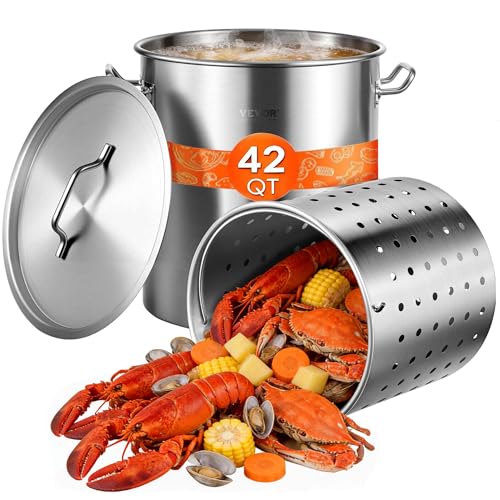
An 8 quart pot covers soup for four to six people and fits almost any stove and sink. A 12 to 16 quart pot is the sweet spot for batch cooking and stock you plan to freeze. Pots of 20 quarts and up suit canning and seafood boils, but they need a deep sink, a wide burner, and real storage room. Our guide to best 12 quart stock pot options shows what that middle size handles well. Measure your cupboard height with the lid on before you buy, and check what size stock pot do i need if you are torn between two sizes.
Which Type Fits Your Routine
Stainless steel is the default for good reason. It ignores tomato based stocks, cleans without fuss, and works on every stovetop, and our roundup of the best stainless steel stock pot models explains the grades in detail. Aluminum heats fast and costs less, but it can react with long acidic simmers and discolor over time. Enameled steel protects the core metal, yet the coating can chip if you bang utensils on the rim. Nonstick coatings make little sense here, since stock pots mostly hold liquid and a coating wears out long before the pot itself does.
Features Worth Paying For and Ones to Skip
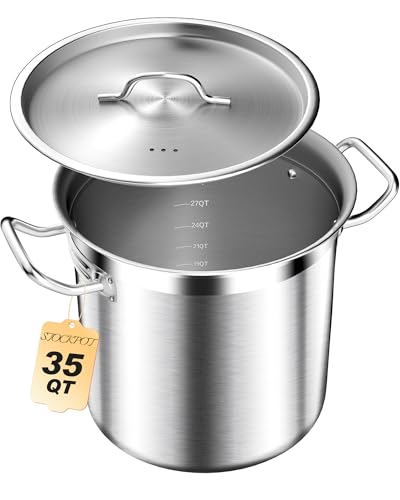
Pay for riveted or welded handles that feel solid when you lift a full pot with oven mitts on, a lid that sits flat and holds steam, and clear quart markings inside the wall. A pasta insert earns its keep if you cook pasta weekly, since you lift the pasta out and keep the water for a second batch. A steamer basket helps with vegetables and shellfish. Skip the spigot unless you brew or render fat often, since it adds a cleaning chore and a leak point.
Material Safety: What Non Toxic Really Means
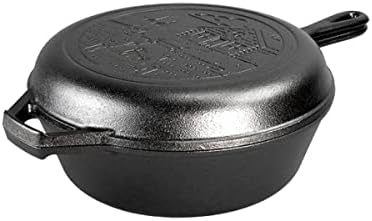
Plain stainless steel and plain aluminum contain no applied coating, so there is nothing to peel or flake into your food. Concerns about PFAS and PTFE apply to nonstick coatings, which is one more reason coatings add little value in a pot that mostly boils liquid. Cast iron is safe but far too heavy at commercial sizes for most home cooks. If a listing leans on vague safety claims instead of naming its materials plainly, choose a clearer option.
Induction, Gas, and Glass Top Compatibility
Induction burners need a magnetic base, so look for an explicit induction rating or test the base with a fridge magnet. Aluminum alone will not work on induction unless it has a bonded steel plate in the base. Gas burners forgive almost any flat bottom, though very wide pots can lick flames up the sides and waste heat. On glass top stoves, choose a smooth, flat base and lift rather than slide the pot, since a rough base dragged across the glass can leave scratches.
Oven Safe Limits and Handles
Many stainless and aluminum pots can go into the oven for finishing a braise or keeping stock warm, but the lid and its knob often have a lower limit than the pot body. Phenolic handles and glass lids usually cap out well below bare metal handles, so check both numbers in the listing. Long loop handles stay cooler on the stove yet crowd nearby burners, while shorter handles store more easily.
Realistic Budget Ranges
Under $30 usually buys thin aluminum or light stainless that suits occasional use. About $50 to $100 is where thick bases, solid handles, and honest induction ratings appear, and most homes should shop in this band. Under $200 gets you fully clad construction or very large capacities that shrug off daily use. Spending beyond that mainly buys brand polish and small gains in heat spread.
Three Build Styles Compared in Detail
Instead of chasing model names, compare the three build styles below against your routine.
The Everyday Stainless Pot for Most Homes
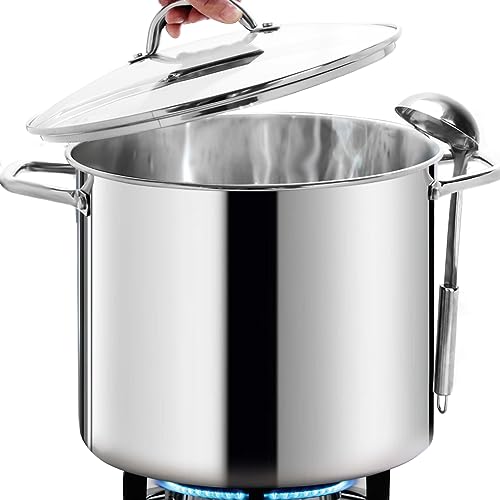
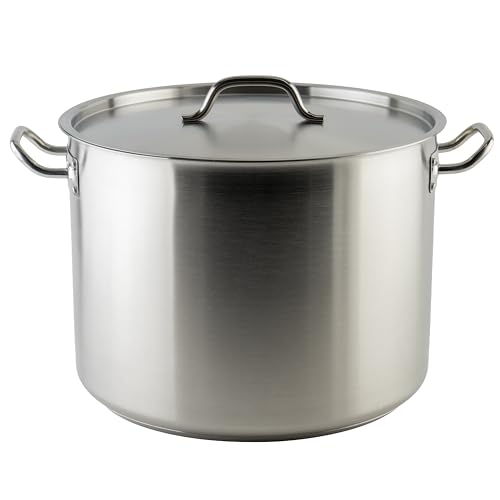
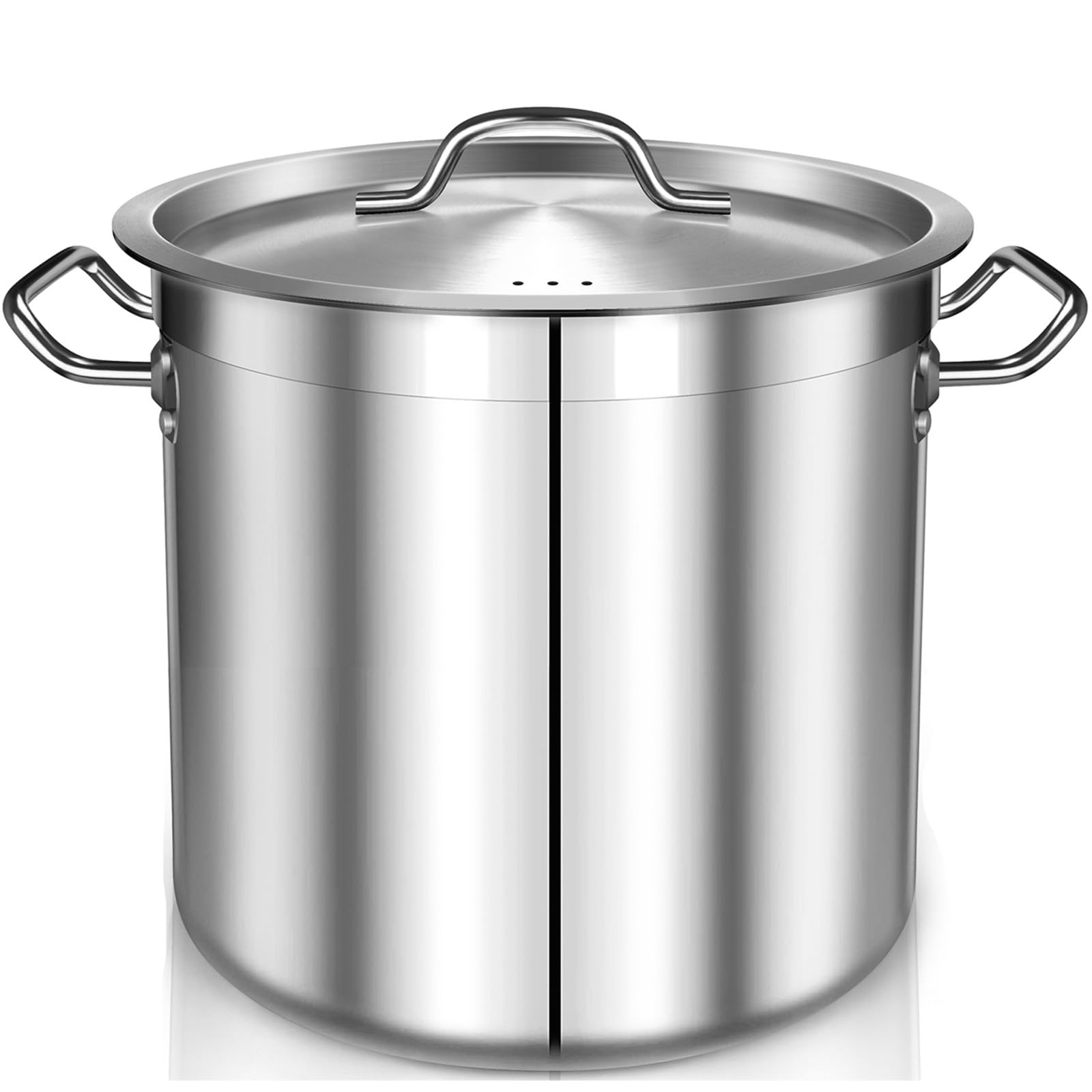
A stainless pot with a thick encapsulated base is the safest all around choice. The base layer spreads heat well enough to prevent most scorching, the walls resist stains from tomato based stocks, and the pot shrugs off metal utensils. In the 12 to 16 quart range it covers family soup nights and freezer stock days without dominating a burner. Expect to pay about $50 to $100.
The Lightweight Aluminum Pot for Tight Budgets
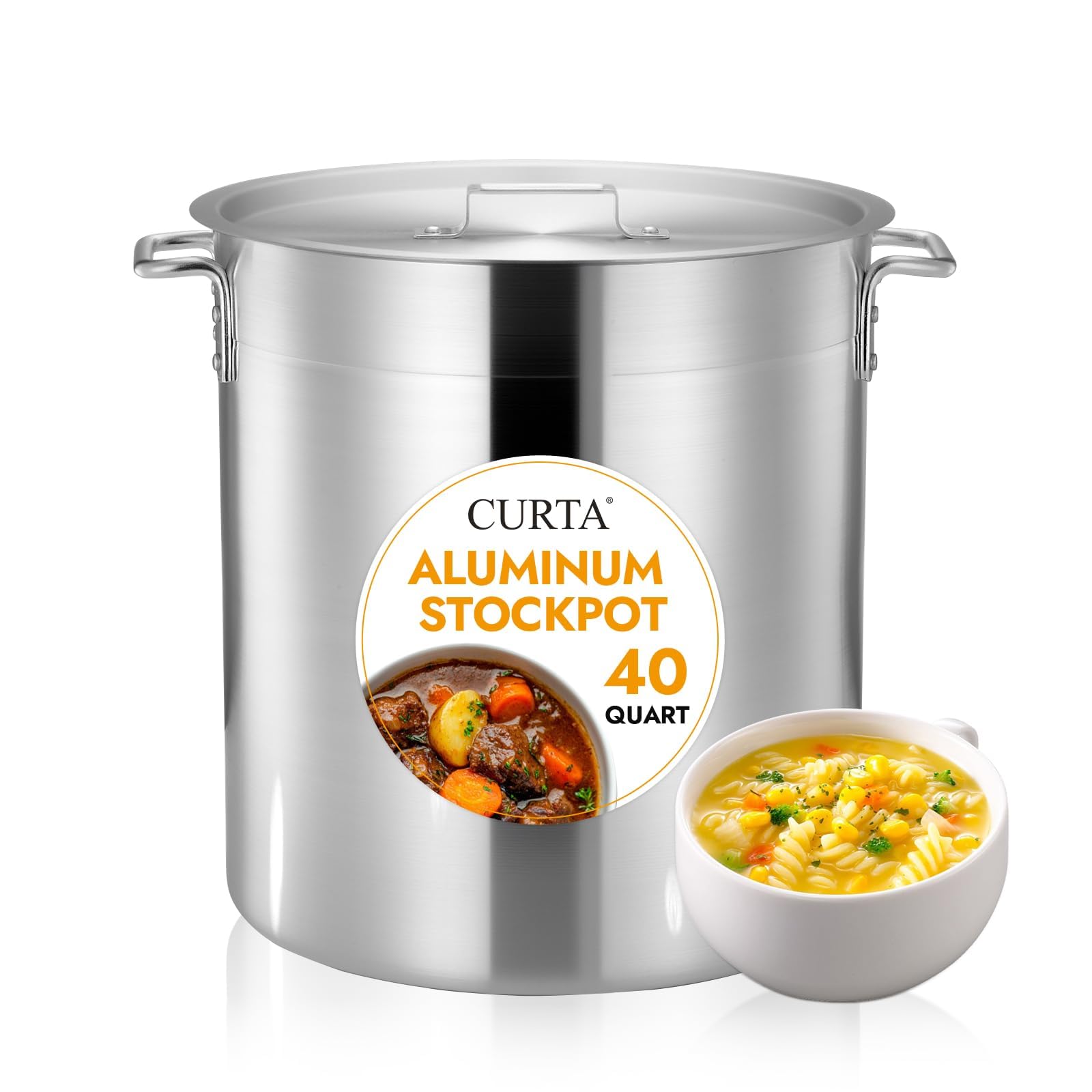
Plain aluminum is what many commercial kitchens use daily, and a home version gives you huge capacity for the least money, often under $50 even at 20 quarts or more. It heats quickly and a full pot weighs less than steel, which matters when you carry it to the sink. Long acidic simmers can pit the surface and darken light colored foods, and thin versions dent if dropped. Choose it for water based jobs like pasta and corn.
The Fully Clad Pot as a Long Term Investment
Fully clad stainless runs layers of heat spreading metal from the base all the way up the walls, so a tall stock simmers evenly instead of cooking hard at the bottom and barely moving at the top. It is the style to buy once if you make stock weekly or cook for a big household. Prices often reach about $150 to $200 at useful sizes, and the weight is substantial. For smaller households, the best 8 quart stock pot options show how a compact pot covers daily soups while you save for a larger one.
How to Compare Commercial Stock Pots
Judge each pot on five criteria taken from maker specifications and patterns in verified buyer feedback. Heat distribution comes first, then durability, material safety, stovetop and oven compatibility, and finally how much effort cleaning takes. Apply that framework to any listing in a few minutes and the shortlist usually shrinks to two or three pots.
Commercial Stock Pots Compared With Regular Home Stock Pots
A commercial stock pot differs from a regular home pot in degree, not in kind. The metal is usually thicker, the handles are built for heavier loads, and the capacity range runs much larger. Whichever best commercial stock pot you pick, that strength helps during long simmers, because a thick base resists the hot spots that scorch bones and vegetables on the bottom.
The costs of that strength show up at home. A big commercial pot can crowd a four burner stove and refuse to fit under a low microwave hood. It also needs a sink deep enough to wash it without flooding the counter. If you cook stock a few times a year, a sturdy home pot in a moderate size will serve you just as well for less money.
Common Buying Mistakes to Avoid
- Buying the largest size on sale, then discovering it fits neither your burner, your sink, nor your cupboard.
- Ignoring the weight of a full pot, which can pass forty pounds of hot liquid at the biggest sizes and strain your wrists.
- Assuming every metal pot works on induction, then finding the base is not magnetic after the first use.
- Paying for inserts and spigots you will rarely use while skimping on base thickness, the feature you feel at every meal.
- Forgetting the lid in your storage measurement, since a tall domed lid can stop a cupboard door closing.
Cost of Ownership and Care
A good stock pot has almost no running costs. There are no filters, pads, or liners to replace, and the main expense is the storage space it occupies. Stainless and aluminum both last for decades when you dry them fully before storing, store the lid upside down to avoid trapped odors, and check handle rivets once in a while for looseness.
Daily care is simple. Wash with hot soapy water, use a nylon scrubber on stuck bits, and dry the base before it goes back on the shelf. For the full routine, including burnt on stock residue and hard water marks, follow our guide on how to clean a stock pot.
Your Questions, Answered
What makes a stock pot brand reliable?
Reliability shows up in consistent metal thickness from batch to batch, handles that stay tight for years, and honest capacity and oven ratings in the listing. Makers with long running product lines and easy warranty contact tend to stand behind their pots. Before you commit to an unfamiliar name, check that spare lids and clear specifications exist.
Is a stock pot worth buying if I already own a large Dutch oven?
Often yes, because the two pots do different jobs. A Dutch oven is wide and heavy, built for braises and bread, while a stock pot is tall, so it holds more liquid on the same burner footprint. If you make broth, boil pasta for a group, or blanch vegetables in batches, the tall shape earns its shelf space quickly.
How long does a commercial stock pot last?
A thick stainless or aluminum pot can last decades, because there is no coating to wear out and no electronics to fail. The usual end points are damage rather than age, such as a warped base from repeated overheating of an empty pot or a lid lost in a move. Keep the base flat and the handles tight, and lifespan rarely becomes the deciding factor.
Are commercial stock pots worth the extra money for home use?
They are worth it when your cooking volume justifies them, for example weekly stock, home canning days, or regular meals for eight or more people. The extra cost buys thicker metal and stronger handles rather than better flavor. If your current pot already handles your biggest recipe without crowding, the upgrade can wait until a size or compatibility problem actually appears.
Can a commercial stock pot go in the dishwasher?
Most stainless pots can, and size is the real obstacle, since a 16 quart pot plus its lid may crowd out everything else in the rack. Aluminum usually darkens in dishwasher detergent, which is cosmetic but permanent. Hand washing takes only a few minutes because the interior is mostly smooth, so many owners skip the machine except after greasy stock.
Final Thoughts
Start with size, then pick the build style that matches your routine and your stove. A thick based stainless pot in the middle sizes serves most homes for decades, aluminum wins on price and weight, and fully clad construction rewards cooks who simmer stock every week. Whichever route you take, the best commercial stock pot is the one that fits your burner, your sink, and your cupboard, so measure all three before you order. Use the product table above to compare the styles side by side.