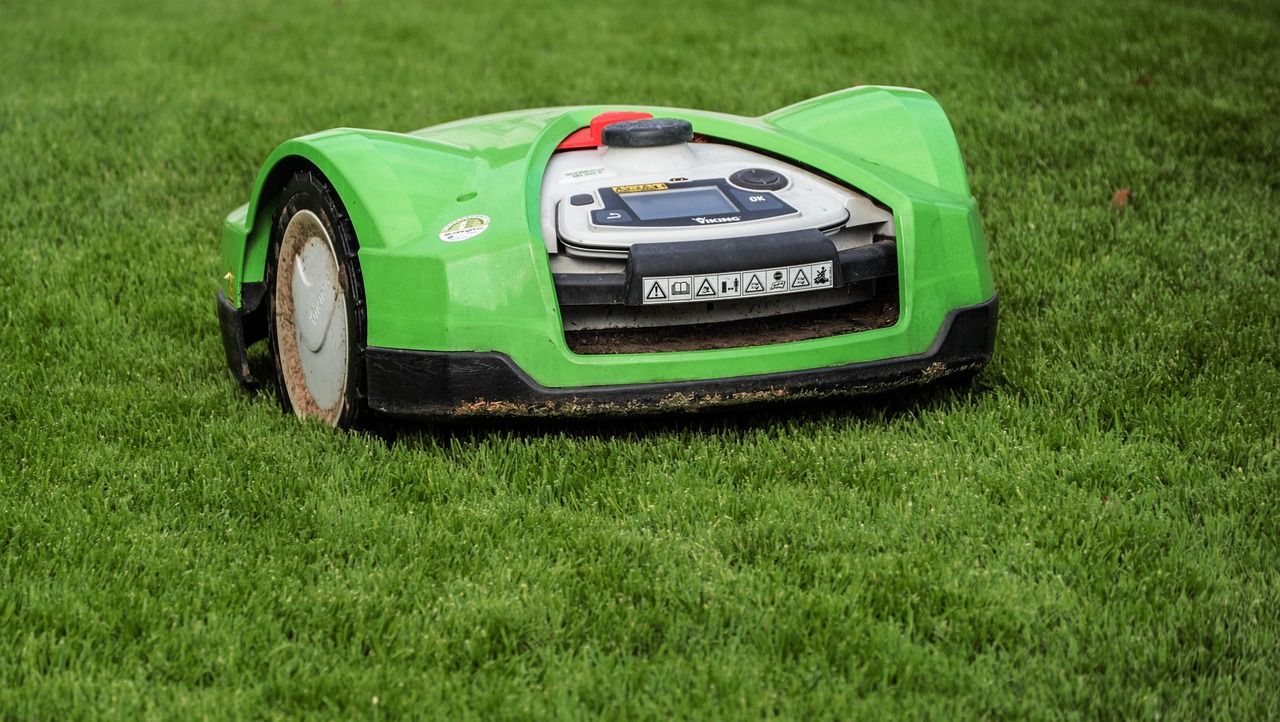
Best Commercial Robotic Lawn Mowers for 2026: Buying Guide
Disclosure: We may earn a commission when you buy through links on this page, at no extra cost to you. As an Amazon Associate I earn from qualifying purchases. Learn more

The best commercial robotic lawn mowers suit your sites, from flat lawns to slopes. Compare coverage, navigation, battery runtime, build and running costs.
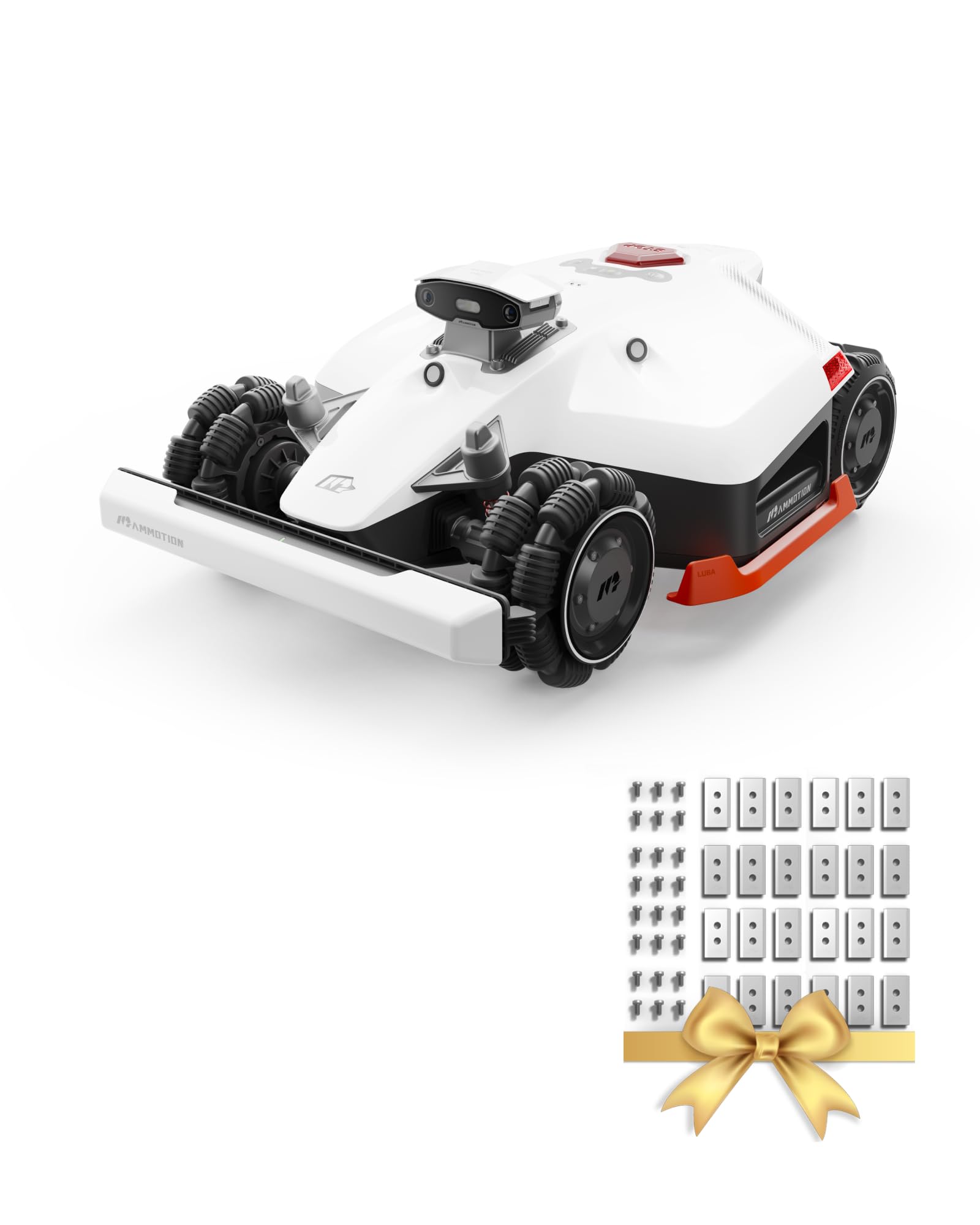
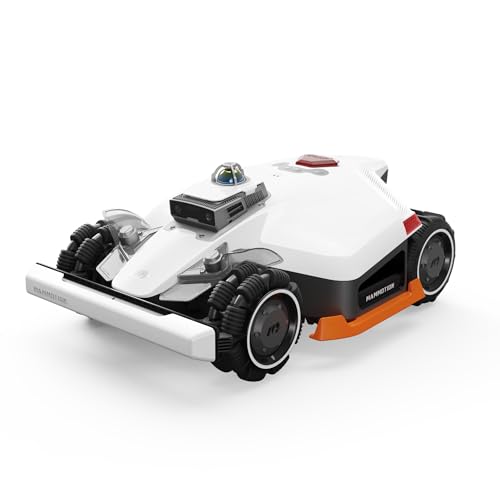
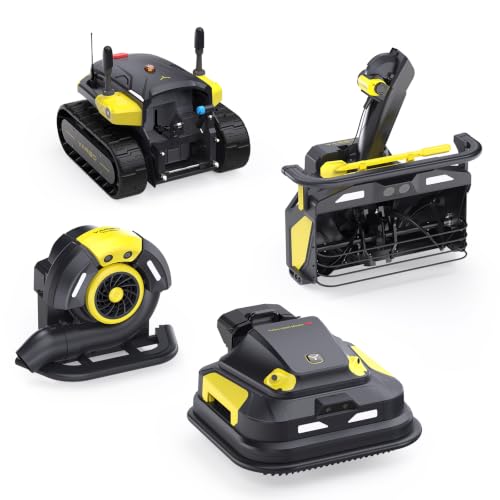
Choosing the best commercial robotic lawn mowers is really about matching a machine to the ground it will cover every week. A mower that handles a flat office lawn may struggle on a sloped sports field, and a unit sized for one acre will fall behind on a multi acre campus. This guide compares the features that matter most for commercial work, so you can judge capacity, navigation, and running costs before you buy. Read through the comparison table below to see how the main types differ.
Commercial use changes the calculation in several ways. Machines run for long hours, face dust, wet grass, and public foot traffic, and need to keep working with little daily attention from your crew. That makes durability, service access, and theft protection just as important as cutting width. The sections below walk through each factor in plain terms.

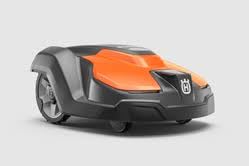


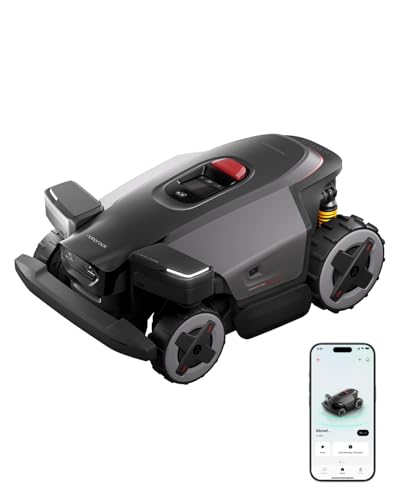
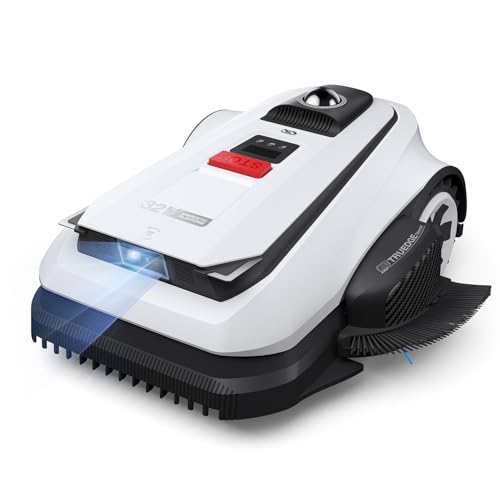
Spending Levels Explained
The best commercial robotic lawn mowers come in three broad spending levels. Budget machines suit a single small site with simple, open turf and few obstacles. They usually cover under one acre, rely on a boundary wire, and need more frequent blade changes and charging breaks. They make sense when you want to try robotic mowing on one property before committing to a fleet.
Midrange machines suit most commercial buyers. They cover larger areas, handle moderate slopes, and often add GPS assisted navigation, rain sensors, and remote scheduling through an app. Spending at this level buys steadier coverage and less daily supervision, which matters when one crew member oversees several sites.
Premium machines suit large campuses, sports grounds, and contractors running many properties. They offer the widest coverage, the strongest slope handling, fleet management tools, and heavy duty decks built for long daily runs. The higher price is easier to justify when the machine replaces many hours of ride on mowing each week.
How to Choose: Buying Guide
Power Source: Battery Power for Robotic Mowers
Robotic mowers run on rechargeable batteries, not on gas engines or mains cords. That keeps noise low, removes fuel handling from the daily routine, and lets the machine work early in the morning without disturbing nearby offices or homes. Battery size and charging speed set how much ground the mower can cover in a day, since the unit returns to its dock to recharge between runs.
Gas and corded electric mowers belong to other categories, and comparing them helps explain why robotic models fit some sites better. Gas machines offer long run times but need fuel, oil changes, and more maintenance. Corded models avoid fuel but limit range to the length of a cord. A robotic mower trades raw power for automation, so it suits steady, frequent cutting rather than clearing tall, overgrown grass.
Mulch, Bag, and Side Discharge Options
Most robotic mowers mulch by default. They cut a small amount of grass very often, and the fine clippings fall back into the turf where they break down and feed the lawn. This approach works well for commercial sites because it removes bagging and disposal from the routine entirely.
Bagging and side discharge are features of push, ride on, and zero turn machines rather than robotic ones. If a site needs clippings collected for a clean finish before an event, a robotic mower may not be the right tool for that job. Plan a separate pass with a bagging mower for those occasions, and let the robot handle the regular weekly cutting.
Slopes and Terrain
Slope rating is one of the most important numbers for commercial buyers. Check the maximum slope the maker states, and measure your steepest banks rather than guessing. A mower that slips or stalls on a slope will leave uneven patches and may need rescue by a crew member, which defeats the purpose of automation.
Zero turn machines are not a good match for slopes above about 15 degrees, and the same caution applies when judging robotic models. Look for strong traction, low center of gravity, and wheels sized for wet or uneven ground. Sites with ditches, tree roots, or soft soil need a model built for rough terrain, not a light unit made for flat suburban lawns.
Drive Type and Navigation
Robotic mowers navigate by boundary wire, GPS, or a mix of both. Boundary wire systems are reliable and simple, but installing wire around many beds, paths, and trees takes time. GPS assisted systems map the site and can manage several zones, which suits large or complex properties. Some models also use cameras or sensors to steer around obstacles.
Drive layout matters too. Rear wheel drive suits slopes, while all wheel drive helps on wet or rough ground. Compare this with other mower types when you plan a fleet: a push mower suits small awkward corners, a self propelled mower suits medium lawns, and a riding or zero turn mower suits wide open ground. See our guide to the best commercial riding lawn mowers if you need a machine for very large open areas.
Cutting Height Adjustment
Cutting height range decides which turf types the mower can maintain. Sports turf needs a low, even cut, while shaded or drought stressed lawns do better with a taller cut that protects the roots. Look for a wide height range and an adjustment method your crew can change quickly without tools.
Some models change height from an app, which helps when one machine serves several sites with different turf. Others use a dial on the machine itself. Either way, check the number of height steps: too few steps force a compromise, while many small steps let you fine tune the finish for each property.
Battery Voltage, Capacity, and Runtime
Battery voltage and capacity together set how long the mower can work before it must recharge. Higher voltage usually means stronger cutting in thick grass, while larger capacity in amp hours means longer runs. For commercial use, ask how many acres the machine can cover in a full working day, including charging breaks, rather than judging by a single run.
Also ask about charging time and whether spare batteries or extra docks are available. A fast dock turnaround keeps a machine productive across a long day. If your sites are far apart, a model that charges quickly between properties will serve you better than one with a long charge cycle.
Deck Material and Build
Deck material affects how long a mower survives commercial use. Steel decks resist impacts from stones and curbs, while composite decks resist rust and weigh less. Fabricated decks, common on larger machines, use welded steel for extra strength on rough ground.
Check the underside of the deck too. A smooth deck sheds wet clippings more easily and needs less scraping at the end of the day. Also look at wheel motors, blade discs, and bumpers: these parts take the most wear, so ask how easy they are to replace and whether spare parts are easy to order.
Commercial Robotic Lawn Mowers Compared With Other Options
Zero Turn Mowers
Zero turn mowers cut wide open ground very fast and suit large flat properties. They need an operator on board, so they do not save labor the way a robot does. Choose a zero turn machine when speed matters more than automation, or when grass grows too tall for frequent robotic cutting. See our guide to the best commercial ztr lawn mowers for this category.
Push Mowers
Push mowers suit small, awkward areas where a robot cannot reach, such as narrow strips beside fences or steep banks. They cost far less and need little setup, but they demand operator time for every cut. For commercial work, keep a push mower as a backup for edges and tight spots rather than as the main machine. See our guide to the best commercial push lawn mowers for this category.
Battery Powered Mowers
Battery powered push and self propelled mowers sit between robotic and gas models. They run quietly, need little maintenance, and suit medium lawns where an operator is already on site. They do not mow on their own, so they suit crews who want lower noise without full automation. See our guide to the best lawn mowers for commercial use when you compare robotic models with the full range of commercial machines.
Tips to Get the Most From Your Commercial Robotic Lawn Mowers
- Keep blades sharp, and sharpen or swap them each season. Dull blades tear grass tips, which leaves brown edges and invites disease.
- Never cut more than one third of the grass blade at once. Frequent light cuts keep turf dense and reduce stress during hot or dry spells.
- Store batteries indoors in winter. Cold storage shortens battery life, and a dry, frost free shed protects both batteries and electronics.
- Clear the site before the first run each week. Remove stones, branches, hoses, and litter so the mower does not stall or throw debris.
- Keep children and pets away from moving blades. Set mowing schedules for times when the site is quiet, and use the machine lock or PIN feature when it is parked.
- Check boundary wire and GPS signals after storms or ground work. A damaged wire or moved marker can send the mower into beds or paths.
Frequently Asked Questions
How often should I sharpen mower blades on a commercial robotic mower?
Sharpen or replace robotic mower blades about once a month during heavy commercial use, and at least once each season for lighter schedules. Small robotic blades dull faster than large mower blades because they spin at high speed and cut every day. Check the blade edges weekly for nicks from stones, and keep a spare set on hand so a dull set never keeps a machine idle. A clean cut also helps turf recover faster after mowing.
Are battery mowers as good as gas mowers for commercial work?
Battery mowers match gas models for regular cutting on maintained turf, and they run quieter with far less daily maintenance. Gas machines still lead for clearing tall, wet, or overgrown grass in one pass, since they deliver more raw cutting power. For commercial sites that are mowed often, a battery robotic mower keeps turf even with less labor and lower running costs. Choose gas only when the site regularly needs heavy cutting that a battery machine cannot finish.
How long does a commercial robotic lawn mower last?
A commercial robotic mower often lasts about five to eight years with regular blade changes, battery replacement, and seasonal service. Battery packs usually need replacement sooner, often after three to five years of daily use. Harsh conditions such as wet ground, dust, and steep slopes wear motors and wheels faster, so service intervals matter more than the calendar alone. Ask the maker about parts availability before buying, since a machine with scarce parts may retire early.
Is a zero turn mower worth it for one acre?
A zero turn mower is worth it for one acre when the ground is wide, open, and flat, since it finishes the job much faster than a push mower. It is less useful on a one acre site broken up by beds, trees, and slopes, where turning space is tight. For a single acre with simple turf, a robotic mower may be the better choice, since it handles the whole area on its own. Compare your time savings against purchase and fuel costs before deciding.
What size mower do I need for my yard or site?
Size your mower by total mowable area, slope, and the number of separate zones, not by lot size alone. Subtract beds, paths, and buildings from the total, then choose a model rated for at least that area with room to spare. A machine rated well above your area finishes faster and copes better with thick spring growth. For multi site work, add up all properties and consider a fleet of midrange units rather than one large machine.
The Bottom Line
Coverage, slope handling, and navigation matter more than any single headline feature when you buy for commercial use. Match the machine to your largest and steepest site, check battery turnaround and parts support, and plan for theft protection from day one. The best commercial robotic lawn mowers are the ones that keep running with little supervision across a full season, so judge each option by how it fits your sites, not by its price alone. Review the product table above once more before you order, and confirm the slope and area ratings against your own measurements.