Best Commercial Paint Sprayers: Airless, HVLP and Pro Buying Guide for 2026
Disclosure: We may earn a commission when you buy through links on this page, at no extra cost to you. As an Amazon Associate I earn from qualifying purchases. Learn more

The best commercial paint sprayers match your coatings and jobs. Compare airless, HVLP and air assisted types by flow rate, tip size, pressure and cleanup.
Rollers and brushes cannot match sprayers for speed on fences, walls and large exteriors. The best commercial paint sprayers balance flow rate, spray quality, and cleanup time for the coatings you use most. This guide explains airless, HVLP, and air assisted types so you can choose the right system.
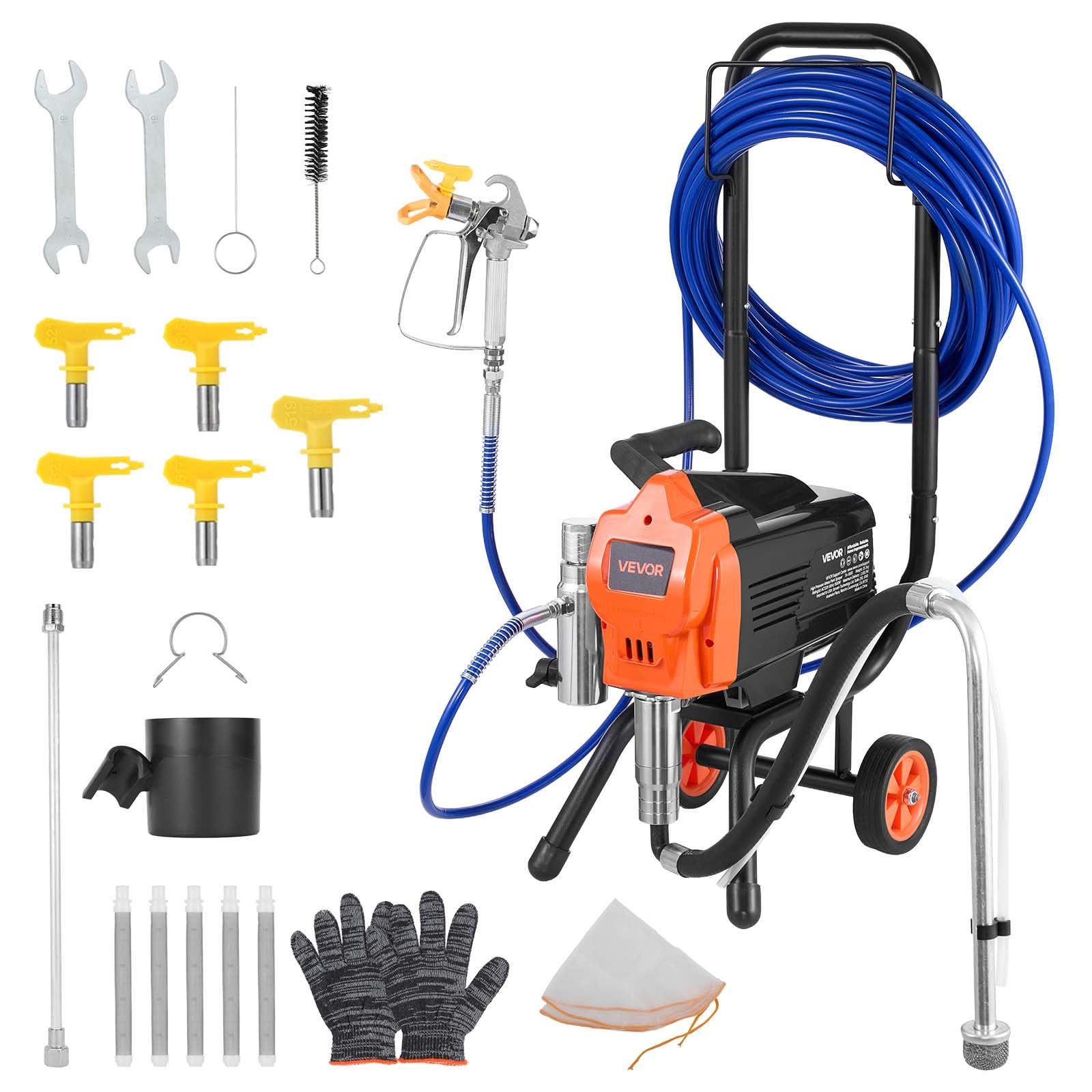
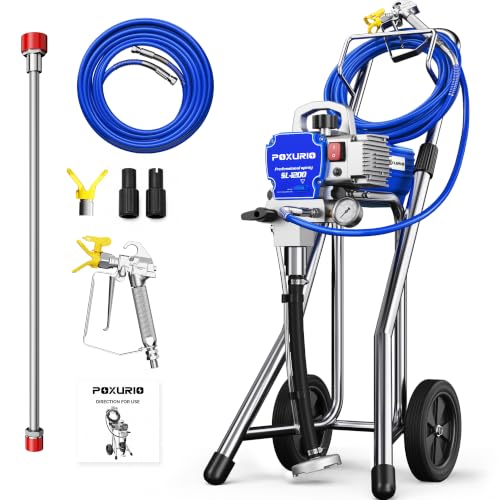
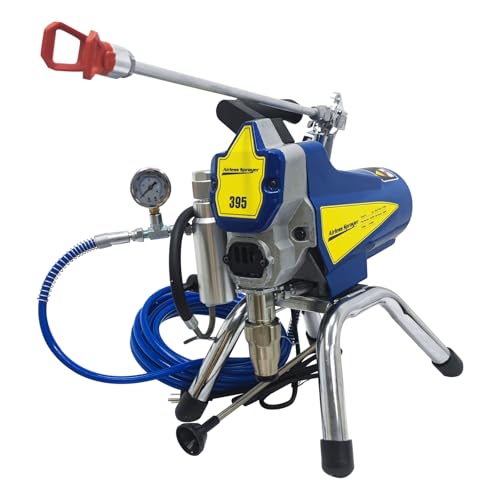
Airless sprayers atomize paint at high pressure for fast coverage, while HVLP systems use high air volume for fine finishes with less overspray. Air assisted airless combines both approaches for demanding coatings. The comparison table below outlines the main types, and the sections that follow explain sizing and safety.






Who Should Buy Which Commercial Paint Sprayers
Exterior and large surface painters
Airless sprayers suit fences, siding, and large walls where speed matters most. They handle thick latex and primers well and cover quickly with fewer passes. Their weakness is overspray and fine finish control, so mask carefully and practice technique.
Cabinet and fine finish painters
HVLP sprayers suit cabinets, furniture, and trim where a smooth finish matters more than speed. They waste less paint through overspray and offer finer control. Their weakness is slower coverage and thinner coatings, which suit lacquers and fine enamels better than thick latex.
Key Features to Compare
Flow rate and tip size
Flow rate in gallons per minute tells you how fast a sprayer covers area, while tip size controls fan width and coating thickness. Larger tips suit thick paints and broad surfaces, while smaller tips suit detail and fine finishes. Match tips to coating viscosity and maker guidance, since wrong tips cause runs or starved coverage.
Pressure control and hoses
Adjustable pressure lets you tune atomization for each coating, reducing overspray and improving finish. Longer hoses reach around buildings without moving the unit constantly, but they add cleanup volume. Check maximum hose length and pressure ratings, since undersized hoses restrict flow.
Cleanup and maintenance
Cleanup time often decides whether a sprayer earns its keep on small jobs. Airless units need thorough flushing, filter cleaning, and pump care, while HVLP guns clean faster but need cup and nozzle care. Budget cleaning solvent and time honestly, since neglected sprayers clog and wear pumps fast.
Price Tiers and What They Deliver
When you compare commercial paint sprayers by price, Sprayers around $200 to $600 usually cover light commercial airless and HVLP units for moderate use. Sprayers around $600 to $1,500 add higher flow, better pressure control, and durable pumps for daily work. Sprayers above $1,500 bring high output, long hoses, and pro features for crews painting daily.
Living With Your Choice Day to Day
Wear respirators rated for your coatings, eye protection, and gloves, and never point a spray gun at skin, since high pressure injection injuries are serious emergencies. Ventilate spaces, keep ignition sources away from solvents, and flush systems before storage. Seek immediate medical care for any injection injury, even if it looks minor at first.
Related Guides Worth Reading
Readers weighing nearby options often look at best sprayers for paint next, since it covers a closely related choice in more detail.
If you want to compare a related category before deciding, best air paint sprayers walks through the key differences.
For a different angle on a similar buying decision, best power paint sprayers is worth a look alongside this guide.
Shoppers who narrow their shortlist here often check best affordable paint sprayers to see how a related option compares.
When you are ready to explore adjacent choices, best latex paint sprayers explains what changes with a different use case.
A Final Check Before You Order
Match the sprayer to your dominant coatings, since latex, lacquer, stain, and enamel each demand different pressures, tips, and cleanup. A sprayer that handles thick latex beautifully may struggle with fine lacquer finishes, and vice versa. List your top five coatings by volume and check maker compatibility for each. Coating fit decides daily satisfaction more than maximum flow ratings.
Try spray patterns on scrap surfaces with your actual coatings before committing to a system, noting fan width, atomization quality, and overspray at working distances. Practice with different tips to learn how tip size changes finish and coverage speed. A short trial session reveals handling weight, hose stiffness, and trigger feel that specifications never convey. Trying the gun first prevents expensive mismatches.
Budget masking materials, solvents, filters, and tip replacements honestly, since consumables shape true job costs. Airless systems consume more masking and solvent for cleanup, while HVLP systems use less paint through higher transfer efficiency. Compare total job costs including cleanup time, not just paint coverage speed. Honest consumable math guides smarter system choices.
Check power and air supply needs for your work sites, including generator capacity for remote exteriors and compressor output for HVLP systems. Undersized compressors starve HVLP guns and ruin finishes, while long extension cords drop voltage for electric airless units. Confirm supply adequacy before job day, since site power problems waste crew time and client patience.
Mistakes Worth Avoiding
Do not spray in wind without adjusting expectations, since wind carries overspray onto cars, plants, and neighboring properties. Check forecasts, lower pressure where possible, and mask generously on breezy days. Reschedule fine finish work when wind gusts make control impossible, since a ruined finish costs more than a delayed day. Wind awareness protects your reputation and your neighbors.
Do not leave paint in the system between jobs, since dried paint clogs passages, damages pumps, and ruins next job starts. Flush immediately after each use with the correct solvent or water, clean filters and tips, and store with pump protector where recommended. Cleanup discipline feels tedious after long days, but it preserves expensive equipment. A clean sprayer starts reliably, while a neglected one fails predictably.
Do not point a spray gun at skin or treat injection injuries lightly, since high pressure paint injection is a surgical emergency even when the wound looks tiny. Train every operator on gun safety, pressure release procedures, and emergency response before first use. Keep emergency numbers accessible on job sites, and seek immediate hospital care for any injection injury. Safety training is non negotiable around high pressure equipment.
One More Check Before You Decide
Keep a tip log for each sprayer, noting tip sizes, coatings used, and hours run, since worn tips degrade finishes gradually and waste paint. Replace tips on schedule rather than waiting for obvious defects, since subtle wear already costs quality. Label stored tips clearly to avoid mixing sizes between jobs. Tip discipline is a small habit with an outsized effect on finish quality.
Train new operators on scrap surfaces before client work, covering trigger control, distance, speed, and overlap patterns. Spraying technique matters more than equipment price for finish quality, and practice builds muscle memory safely. Supervise first jobs closely, correcting distance and speed before bad habits form. Skilled operators make modest equipment perform beautifully, while untrained operators waste premium gear.
Frequently Asked Questions
Airless or HVLP for commercial work?
Airless suits large areas and thick coatings where speed matters most. HVLP suits fine finishes, cabinets, and trim where control and low overspray matter more. Many crews own both, using airless for exteriors and HVLP for detail work. Match the system to your dominant job type, not to the occasional exception.
How do I choose spray tip size?
Tip size controls fan width and paint flow, with larger orifices passing thicker coatings faster. Maker charts match tip sizes to coating types and desired finish. Worn tips spray unevenly and waste paint, so replace them on schedule. Test on cardboard before spraying a client surface, since tip changes alter pattern immediately.
How much overspray should I expect?
Airless sprayers produce the most overspray, especially in wind or at high pressure. HVLP systems cut overspray substantially through lower pressure and higher transfer efficiency. Masking, wind awareness, and correct pressure all reduce overspray further. Always protect nearby cars, plants, and surfaces before spraying outdoors, and practice fan width on scrap board first, since a steady hand and correct distance cut waste more than any setting alone.
How do I clean a commercial sprayer?
Flush with the right solvent or water immediately after use, clean filters and tips, and lubricate pump parts per maker guidance. Never leave paint in the system overnight, since dried paint clogs passages and damages pumps. Run a final clean flush and store with pump protector where recommended. Fast cleanup preserves the sprayer and saves the next job.
What safety gear do sprayers require?
Wear a respirator rated for your coating type, eye protection, gloves, and coveralls. Ventilate indoor spaces and keep ignition sources away from flammable solvents. High pressure injection injuries need emergency care at once, even when the wound looks small. Train every operator on pressure release and gun safety before first use.
Final Thoughts
Match spray type to your dominant work, size flow for your largest jobs, and budget cleanup honestly. The product table above can narrow the best commercial paint sprayers for you, but your coatings and job mix decide. A well maintained sprayer with correct tips beats a bigger unit used carelessly.
A careful final pass through the points above will help your best commercial paint sprayers decision feel settled rather than rushed.