Best Air Paint Sprayers for 2026: Choosing by How You Paint
Disclosure: We may earn a commission when you buy through links on this page, at no extra cost to you. As an Amazon Associate I earn from qualifying purchases. Learn more

Learn how to choose air paint sprayers by project size, paint type, nozzle, and cleanup, so your next painting job is smoother and less messy.
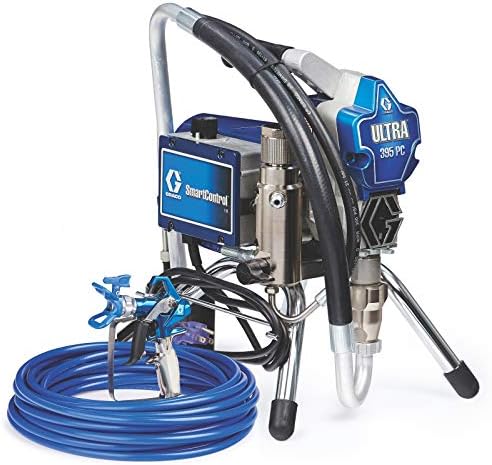
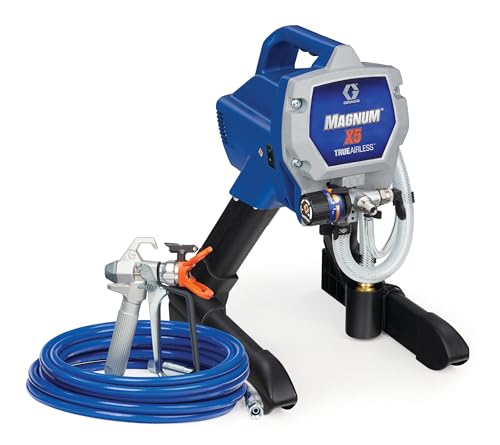
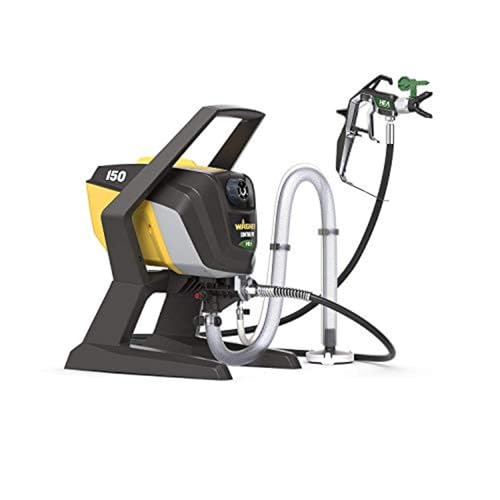
Painting a fence, a room, or a piece of furniture with a brush can take a long time, and the finish can show brush marks. That is why many people consider best air paint sprayers, which use compressed air to lay down a smoother coat more quickly. The comparison table below outlines the main types.
The right sprayer depends less on brand and more on your routine: how often you paint, how large your projects are, and what paint you use. A small hobby sprayer will struggle with a whole house exterior, while a large professional sprayer will feel wasteful for a single chair. This guide matches sprayer types to real routines so you do not overbuy or underbuy.



Who Should Buy This Type
Homeowners repainting rooms or fences need a sprayer that handles wall paint and cleans up without a long process. Furniture makers need finer control and a smaller nozzle for detailed work. Occasional users benefit from a simple sprayer with clear cleaning steps, while frequent painters should prioritize durable parts and easy nozzle changes. Anyone with breathing difficulty should check ventilation guidance and use suitable respiratory protection.
Types Compared
Compressed air spray guns
These guns connect to a compressor and give fine control over paint flow and pattern. They suit detailed work and smaller projects, but you need a compressor with enough air delivery to keep up.
Turbine sprayers
Turbine units include their own air supply, so you do not need a separate compressor. They suit home users who want a complete kit for rooms and furniture, though they can be louder and bulkier than a simple gun.
High volume low pressure sprayers
These sprayers use a large volume of air at low pressure to reduce overspray and give a smoother finish. They suit indoor work and furniture, where controlling spray drift matters more than raw speed.
Key Features to Compare
Nozzle size
Nozzle size controls how much paint flows and how fine the finish looks. A smaller nozzle suits thin paints and detailed work, while a larger nozzle suits thicker wall paint, so check which nozzles come with the sprayer.
Paint compatibility
Not every sprayer handles every paint, and thick paint may need thinning or a larger nozzle. Check the maker guidance for latex, oil based, stain, and primer before you buy, and never thin paint beyond the label guidance.
Overspray control
Adjustable fan pattern and flow controls help you limit paint drift onto nearby surfaces. Good control saves paint, reduces masking work, and gives a more even finish, especially indoors.
Cleanup ease
Cleanup determines whether you will actually use the sprayer again. Look for parts that come apart easily, clear flushing steps, and filters you can clean or replace without tools.
Budget Tiers Explained
Around $50 to $120, expect a basic sprayer kit that suits occasional furniture and small room work. From around $120 to $250, you can find better controls, more nozzles, and sturdier parts for regular home projects. Above that range, you are often paying for professional durability and higher output that most home users do not need.
Use the product table above to compare the options at each tier, since price alone does not show which features you actually get for the money.
Common Mistakes to Avoid
Do not skip masking and drop cloths, since spray paint travels further than brush paint. Do not spray in a closed room without ventilation and protection, since fumes and mist can irritate lungs and eyes. Do not use the wrong nozzle for thick paint, since it can clog and spit. Do not leave paint in the sprayer overnight, since dried paint can block passages and ruin seals.
Setup and Everyday Care
Flush the sprayer with the recommended cleaner straight after use, clean the nozzle and filter, and store parts dry. Check hoses and seals for wear, and keep spare filters and nozzles for your most used paint types. Never point a sprayer at a person or pet, and release pressure before cleaning or changing a nozzle.
A Final Check Before You Buy
Before you buy, picture a normal day with this product in your home. Think about the space it will occupy, the time you will spend setting it up, and the cleaning or care it will need each week. A choice that fits those realities will feel easy after the first week, while a choice that fights your routine will feel like a chore no matter how good it looks in a listing. Check measurements twice, read the care steps once more, and confirm that any extra parts or consumables fit your budget for the year ahead.
If you are still torn between two options, choose the one with the simpler daily routine. Simplicity usually wins over time, because a product you use without fuss will serve you better than a more capable product you avoid using. Note your reasons for the choice, so you can check later whether it met your expectations or whether a different priority should guide your next purchase.
Planning for Everyday Use
Planning for everyday use starts with the small details that do not appear in a headline specification. Where will you store it when it is not in use, how long does setup take on a normal day, and who else in the household will use it? Answering those questions before you buy prevents the common problem of a product that works well in theory but sits unused because it is awkward to reach, hard to clean, or confusing for other family members. A short test in your own space, even just measuring and imagining the routine, is worth more than a long list of features you may never need.
Before You Decide
It also helps to think about what you will do if the first choice does not work out. Check the return window, keep the packaging until you have tested the product in normal use, and note any restocking or return postage costs before you order. Testing in your own space matters, because a product that feels right in a shop or in a photo may feel different after a week of real use. A clear return plan removes pressure from the decision and lets you judge the product calmly rather than rushing to keep something that does not suit you.
For a broader view, best sprayers for paint compares sprayer families, while best power paint sprayers focuses on higher output models. Budget buyers should also check best affordable paint sprayers for lower cost options.
Frequently Asked Questions
Do air paint sprayers work with wall paint?
Yes, many sprayers handle wall paint, but thick paint may need thinning within the label limits or a larger nozzle. Test on a spare board first to check flow and finish, and adjust pressure gradually rather than starting at maximum. A smooth test coat tells you more than any specification about whether your paint and sprayer suit each other.
How much masking do I need when spraying indoors?
More than you expect, since fine mist can drift onto floors, trim, and furniture even with careful aim. Cover floors fully, mask trim and outlets, and remove or cover soft furnishings in the room. Work in sections, keep the gun moving steadily, and ventilate the room well throughout the job.
Are sprayers faster than brushes and rollers?
For large flat surfaces, yes, since a sprayer can cover a wall or fence much faster than a brush. Setup, masking, and cleanup add time though, so a sprayer saves most time on larger projects rather than tiny touch ups. For a single small item, a brush may still be quicker once you count cleanup.
What safety gear should I wear when spraying?
Wear eye protection, gloves, and respiratory protection suited to the paint type, and work in a well ventilated area. Read the paint label for specific guidance, since some paints need a higher level of protection. Keep children and pets out of the area until mist has settled and the room has been ventilated.
How do I clean a sprayer so it lasts?
Flush with the cleaner recommended for your paint type immediately after use, and run clean fluid through until it runs clear. Remove and clean the nozzle, filter, and cup, then dry parts before storage. Never store a sprayer with paint inside, since dried paint can block narrow passages and damage seals.
Final Thoughts
Choosing well comes down to matching the product to your space, your routine, and your budget, rather than chasing the longest feature list. Review the product table above once more, note the features that matter most for your own use, and let those priorities guide your final choice. The right option is the one you will use comfortably every day, not the one that looks best on paper.
For most buyers, best air paint sprayers is a decision worth taking slowly: measure, compare, and check care needs before you buy. If you have a health, safety, or medical concern linked to this product, talk with your clinician or a qualified professional before you rely on any general guidance here.