
Best Airless Sprayers for 2026: Power for Larger Paint Jobs
Disclosure: We may earn a commission when you buy through links on this page, at no extra cost to you. As an Amazon Associate I earn from qualifying purchases. Learn more
Learn how airless sprayers work, when they beat other sprayers, and how to choose tip size, pressure, and cleanup for walls, fences, and exteriors.
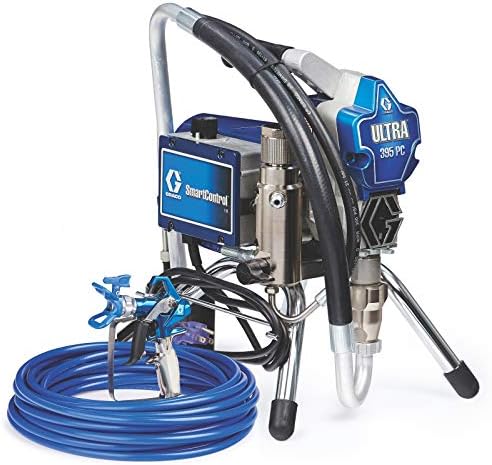
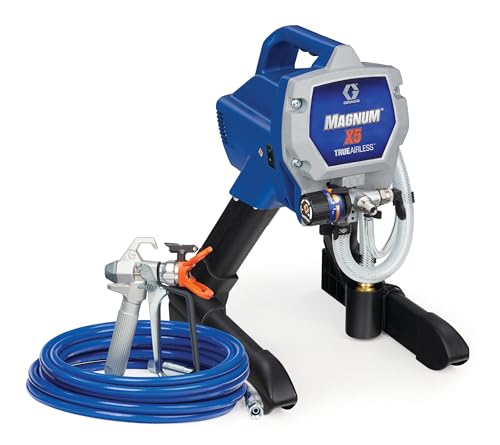
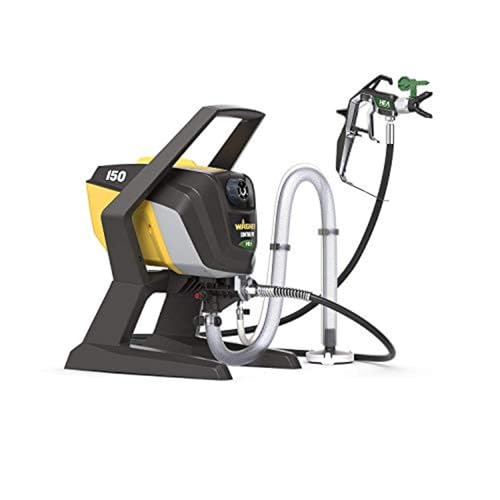
For a whole room, a fence run, or a house exterior, a brush can feel endless. That is where best airless sprayers earn their place: they pump paint at high pressure through a small tip, laying down a fast, even coat on large surfaces. The comparison table below outlines the main types.
Airless sprayers are powerful tools, and that power brings both speed and responsibility. They produce more overspray than a low pressure sprayer, they need careful masking, and they demand respect for pressure safety. Used well, they can transform a large job; used carelessly, they can waste paint and damage surfaces. This guide helps you decide whether an airless sprayer suits your project at all.





Who Should Buy This Type
Homeowners painting exteriors, fences, or several rooms will benefit most from airless speed. DIY users with a single small room may find setup and cleanup outweigh the speed gain. Frequent painters should look for durable pumps and easy tip changes, while first time users should choose a simpler model with clear pressure controls and safety guidance.
Types Compared
Small handheld airless sprayers
Handheld units suit fences, doors, and small exterior sections, and they store easily. They hold less paint and need refilling often, so they are less suited to a whole house exterior.
Cart mounted airless sprayers
Cart units sit on wheels and draw paint directly from a large container, which suits whole rooms and exteriors. They are heavier and need more storage space, but they reduce refilling and keep a steady flow.
Stationary airless sprayers
Stationary units suit a workshop or a garage base for repeated projects. They offer stable performance and larger capacity, though moving them around a large property takes more effort.
Key Features to Compare
Tip size
Tip size controls flow and fan width, and different paints need different tips. A tip that is too small can clog with thick paint, while a tip that is too large can waste paint and give a heavy coat.
Pressure control
Adjustable pressure lets you match the spray to the surface and paint type. Lower pressure gives more control indoors, while higher pressure helps with thick exterior paint, but always stay within the maker guidance.
Pump durability
Pump type and build affect how long a sprayer lasts under regular use. A sprayer with replaceable wear parts and clear maintenance steps will usually outlast a sealed unit that cannot be serviced.
Hose length
A longer hose lets you move around a room or along a fence without moving the main unit constantly. Check hose length against your largest project, since a short hose can turn a fast job into a slow shuffle.
Budget Tiers Explained
Around $150 to $300, expect a basic airless sprayer that handles occasional large jobs well. From around $300 to $600, you can find better pressure control, longer hoses, and more durable pumps. Above that range, you are often paying for professional output and serviceability that most home users do not need.
Use the product table above to compare the options at each tier, since price alone does not show which features you actually get for the money.
Common Mistakes to Avoid
Do not spray without masking, since airless overspray travels far and settles on cars, plants, and neighbors' property. Do not point the gun at skin, since high pressure paint injection is a serious injury risk that needs urgent medical care. Do not leave paint in the pump, since dried paint can damage seals. Do not use a tip meant for stain on thick wall paint without checking compatibility.
Setup and Everyday Care
Flush the system immediately after use with the recommended cleaner, clean the tip and filter, and store the unit dry. Check hoses for cracks, keep spare tips and filters, and never bypass a safety guard. If pressure drops suddenly or the pump sounds strained, stop and check for a clog or a worn tip before continuing.
Home users should compare best airless paint sprayers for home use for smaller scale models, while best sprayers for paint covers the wider sprayer market. For stain work specifically, best stain sprayers looks at thinner finishes and suitable tips.
Frequently Asked Questions
When is an airless sprayer better than a roller?
An airless sprayer beats a roller on large, flat, or textured surfaces where speed matters, such as fences, exteriors, and empty rooms. A roller may still be better for a single small wall, a furnished room, or a surface needing a very controlled coat. Count masking and cleanup time too, since a sprayer saves most time on larger jobs.
How dangerous is airless sprayer pressure?
Airless pressure is high enough to inject paint through skin, which is a medical emergency even if the wound looks small. Never point the gun at yourself or others, keep hands away from the tip, and engage the safety lock when not spraying. If an injection injury occurs, seek urgent medical care immediately and tell clinicians it was a high pressure injection.
Can airless sprayers handle thick exterior paint?
Yes, many airless sprayers are built for thick exterior paints, provided you use the correct tip and pressure. Try it on a spare board first, and thin paint only within the label limits if thinning is needed at all. A tip that matches the paint viscosity gives a smoother coat and less clogging than forcing thick paint through a small tip.
How long does cleanup take for an airless sprayer?
Cleanup often takes 20 to 40 minutes, including flushing, tip cleaning, and filter care, which is longer than cleaning a brush. Factor this time into every job, since skipping cleanup damages the pump and tips. A routine you follow every time keeps the sprayer ready for the next project.
Do I need to prime an airless sprayer?
Yes, priming removes air from the pump and hose so paint flows steadily without spitting. Follow the maker priming steps for your model, since the exact valve positions vary. Skipping priming can cause uneven spray, wasted paint, and extra wear on the pump.
For a large exterior job, do a final walk around before you start spraying. Check wind direction, cover plants and nearby surfaces, and confirm that neighbors' windows and cars are protected. A few minutes of preparation saves a long cleanup and keeps paint where it belongs, on the surface you intended to paint.
Final Thoughts
Pick the type by project size: a handheld for fences and doors, a cart or stationary unit for rooms and exteriors. Match tip size and hose length to your paint and your largest job, mask carefully, and clean the pump every time. With those basics in place, the best airless sprayers turn a week of brushing into an afternoon of spraying.


