Best Affordable Paint Sprayers 2026: A Practical Buying Guide
Disclosure: We may earn a commission when you buy through links on this page, at no extra cost to you. As an Amazon Associate I earn from qualifying purchases. Learn more

Learn how to choose affordable paint sprayers by type, coverage, tip size, and cleanup, with tips for walls, fences, and furniture projects.
A paint sprayer can finish walls, fences, and furniture far faster than a brush or roller. Affordable models now handle many home projects well, from a single room to a garden fence. best affordable paint sprayers reward buyers who match sprayer type to project size and paint type.
This guide explains airless, HVLP, and handheld sprayers in plain terms, plus tip sizes, overspray control, and cleanup. The right choice saves hours without wasting paint or making a mess.
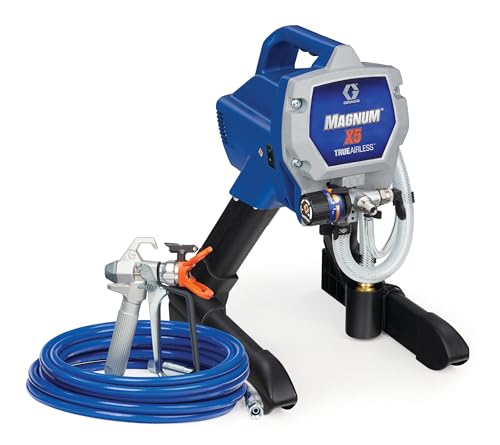
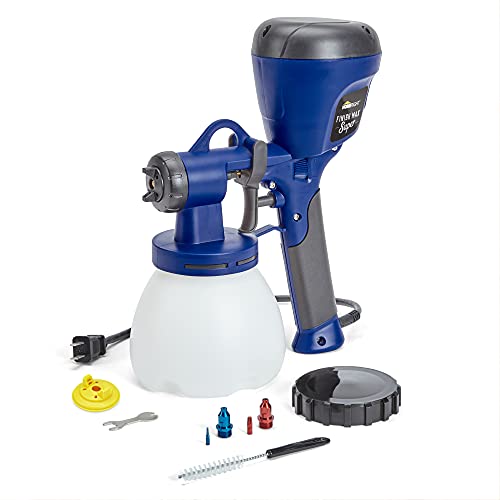


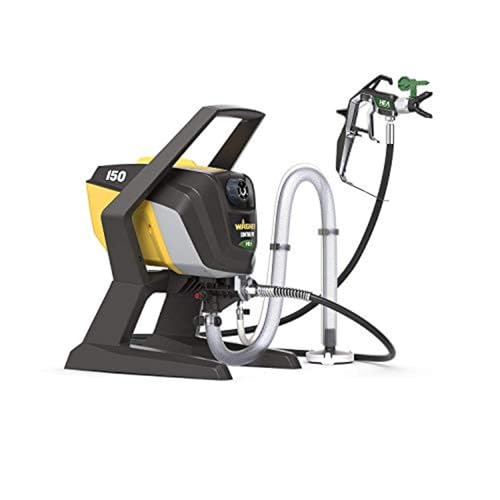

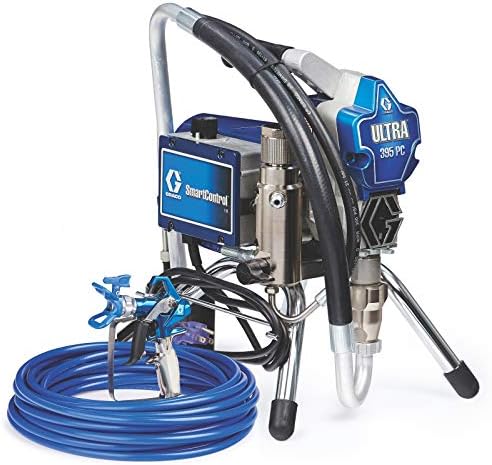
The comparison table below gives a quick overview of the main choices. The sections that follow explain types, features, and everyday use, so you can match a model to your routine rather than to a showroom display.
Who Should Buy Which Model
Paint sprayers suit homeowners tackling large surfaces, fences, decks, or multiple rooms. They help anyone who wants a smooth finish on furniture or cabinets without brush marks. DIYers with several projects benefit most from owning one.
They are less suited to tiny touch up jobs, where a brush is faster and cleaner. They are also a poor fit if you dislike masking and cleanup, since spraying requires preparation and thorough washing after use.
Types Compared
Most choices fall into a few clear types. The differences below matter more than small specification gaps, because they decide how the product feels in daily use.
Airless paint sprayers
Airless sprayers pump paint at high pressure through a small tip, giving fast coverage on walls and exteriors. They handle thick latex paint well and cover large areas quickly. This type suits whole rooms, fences, and exteriors.
Airless sprayers create more overspray and need careful masking. They also use more paint than HVLP models for fine work. Practice on cardboard before spraying a visible wall.
HVLP paint sprayers
HVLP sprayers use high volume, low pressure air for a controlled, fine finish. They suit furniture, cabinets, and trim where smoothness matters. Overspray is lower, and paint control feels more precise.
HVLP models spray slower than airless models and may struggle with very thick paint without thinning. They suit detail work better than whole house exteriors.
Handheld cup sprayers
Handheld sprayers hold paint in an attached cup and suit small to medium jobs. They are portable, easy to store, and good for fences, chairs, and single walls. Many affordable models fall in this category.
Cup capacity limits continuous spraying, and refills interrupt work on large projects. They can also feel heavy when full, so check weight and balance before buying.
Key Features to Compare
Tip size and spray pattern
Tip size controls paint flow and fan width. Larger tips suit thick paint and broad walls, while smaller tips give finer detail. Adjustable fan patterns help switch between walls and trim without changing tips often.
Paint compatibility and thinning
Not all sprayers handle all paints equally. Check latex, oil based, stain, and primer compatibility for your projects. Some models need thinning, which changes finish and drying time, so follow maker guidance closely.
Hose, cup, and reach
Hose length decides how far you can move without shifting the unit. Cup size affects refill frequency. For exteriors, a longer hose and a larger cup save time, while indoor jobs benefit from compact, easy to move units.
Cleanup and maintenance
Cleanup time matters as much as spraying time. Models with easy flush systems and removable filters clean faster. Regular cleaning prevents clogs and extends tip life, so do not skip this step after a project.
Common Mistakes to Avoid
A common mistake is skipping masking and preparation. Overspray travels farther than expected, landing on floors, windows, and plants. Mask edges, cover floors, and test spray pattern on scrap material first.
Another mistake is using the wrong tip or pressure for the paint. Too much pressure causes bounce back and waste, while too little pressure gives an uneven finish. Start low, test, and adjust gradually.
Budget and Long Term Value
Affordable paint sprayers cost about $80 to $200, with handheld models at the lower end and airless models higher. Tips, filters, and masking supplies add about $30 to $60 per project. For occasional use, a midrange handheld or HVLP model often suffices.
Long term value comes from durable pumps, available replacement tips, and easy cleaning. A sprayer that clogs often or lacks spare parts costs more in frustration than a slightly pricier reliable model.
A Final Check Before You Order
Before you order, list your projects by surface size and paint type. Check tip compatibility, hose or cup size, and power source. Confirm you have space for masking, ventilation, and cleanup.
Wear proper protection: a respirator rated for paint spray, eye protection, and gloves. Work in ventilated areas and keep spray away from children, pets, and open flames. If a project involves lead paint, seek professional guidance first.
Related guides can help you compare nearby choices before you decide. Readers who want a wider view often look at best sprayers for paint, best air paint sprayers, best power paint sprayers, best latex paint sprayers and best interior paint sprayers alongside this guide, then return here to check size, fit, and daily use against their own routine.
Getting the Most From Your Choice
Before you commit, picture a normal week with each shortlisted option. For best affordable paint sprayers, that means thinking about setup, daily use, cleaning, and storage, not just the first day. A product that fits smoothly into a normal week will get used far more than one that needs special effort every time.
During the first days, pay attention to comfort and convenience rather than novelty. A product that feels easy on day three is more likely to stay useful than one that impresses only on day one. Note any setup steps that feel confusing, since you may repeat them later.
Plan for upkeep from the start. Know which parts wear first, how to clean the product safely, and where to get replacements. A product with available spare parts and clear care guidance usually offers better long term value than one without support.
When you compare final prices, include delivery, accessories, and any parts you will need in the first year. The cheapest sticker price is not always the cheapest year of ownership, especially if essential extras are sold separately.
Questions to Ask Before You Order
Use these questions as a final checklist before you buy. They help you catch fit, cost, and upkeep issues while a change is still easy.
- Does this option fit my space, my routine, and the people who will use it most?
- What will I need to clean, maintain, or replace in the first year?
- Which features will I actually use every week, and which are only nice to have?
- Can I return or exchange it easily if the fit or comfort is wrong?
- Does the total cost, including accessories and upkeep, stay within my budget?
Frequently Asked Questions
Are paint sprayers better than rollers?
For large, smooth surfaces, yes, sprayers are faster and give fewer marks. For small rooms or touch ups, rollers are simpler and need less masking. Choose by project size, not by tool popularity.
Do I need to thin paint for a sprayer?
It depends on the sprayer and paint. Airless models often handle unthinned latex, while HVLP models may need thinning. Always follow maker guidance for your paint type to avoid clogs and poor finish.
How do I control overspray?
Use correct pressure, hold the gun at a steady distance, and mask nearby surfaces. Spray in calm conditions outdoors, and test on scrap first. Lower pressure and proper tips reduce overspray a lot.
How long does cleanup take?
Cleanup often takes 20 to 45 minutes, depending on the model and paint type. Flush the system promptly after use and clean filters and tips. Dried paint inside a sprayer causes clogs and damage.
Can beginners use a paint sprayer?
Yes, with practice. Start with a fence or a hidden wall, learn trigger control, and keep the gun moving steadily. Most beginners improve quickly after one practice session on scrap material.
It also helps to set a simple decision deadline. Give yourself a few days to compare, test fit or size where possible, and check return terms, then decide and move on. For best affordable paint sprayers, endless comparison rarely improves the outcome once the basics fit. A timely decision leaves more time to enjoy the product itself, and most minor doubts fade once it is in regular use.
Final Thoughts
A paint sprayer earns its place when project size, paint type, and finish goals match the model you choose. Airless speed, HVLP control, and handheld convenience each suit different jobs.
Prepare surfaces well, practice first, and clean thoroughly after use. Done carefully, best affordable paint sprayers turn long painting weekends into faster, smoother projects.
Use the product table above to shortlist two or three options, then check measurements, fit, and running costs once more before you buy.