Best Compact Miter Saws: Buying Guide for Trim, Flooring and Small Shops
Disclosure: We may earn a commission when you buy through links on this page, at no extra cost to you. As an Amazon Associate I earn from qualifying purchases. Learn more

Best compact miter saw guide for trim, flooring and small garages: compare fixed, sliding and cordless types, capacity and battery platforms.
A full size saw can dominate a small garage, fill a truck bed, and feel awkward on a finish job that only needs trim cuts. A best compact miter saw solves the space and carrying problem, but only if its blade, capacity, and fence still fit the boards you cut most often. The comparison table below groups compact models by power and performance, battery platform and runtime, and weight, so you can match a type to your work before you study the details.
Compact does not mean one single design. Some models stay fixed and cut narrow stock with great control, some slide for wider boards, and some run on batteries away from an outlet. Our broader guide to the best miter saw covers full size options, while this page stays on smaller saws for trim, flooring, and furniture parts.




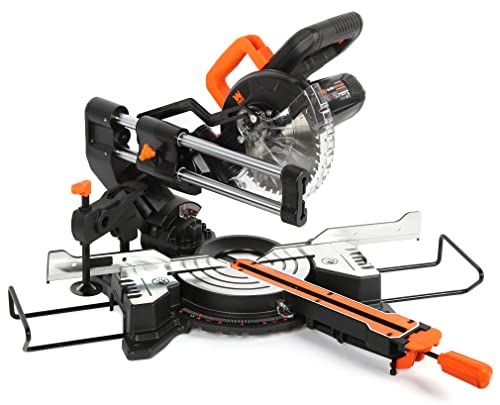
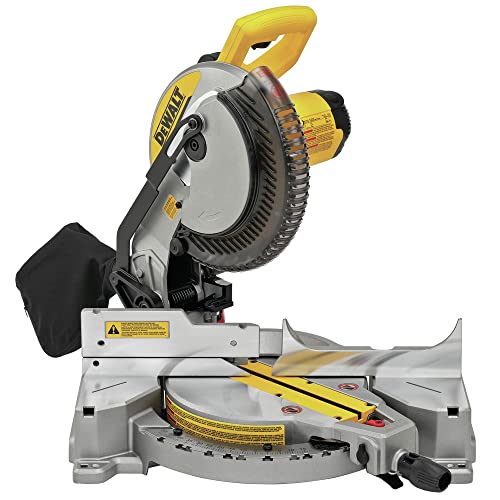

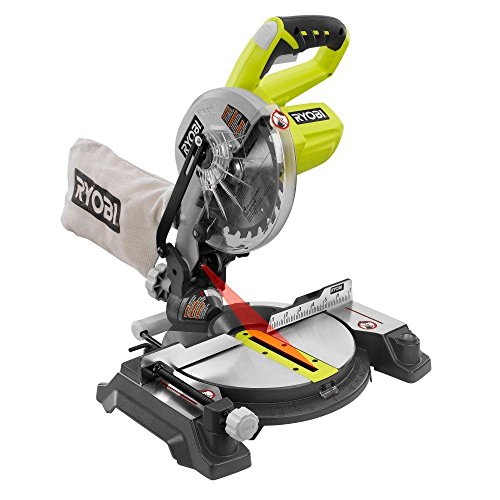
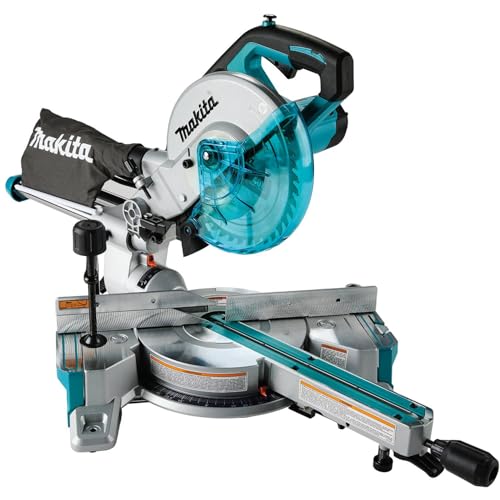
Which Type Fits Your Work
Think of compact miter saws as three types, not three brands. A fixed compound type is lightest for narrow trim, a sliding type adds width for shelving and flooring, and a cordless type trades runtime for freedom from a cord. Your most common board width should decide which row matters most.
- Fixed compound type: Best for baseboard, casing, and small furniture parts where cuts stay narrow and repeat often.
- Sliding type: Best for wider boards, laminate flooring, and deck trim where the rail travel adds useful capacity.
- Cordless type: Best for punch list work, rentals, and rooms where an outlet is far from the cut station.
Three Types of Compact Miter Saws Compared
Fixed Compound Type for Trim and Small Parts
This type pivots for miter cuts and tilts for bevel cuts, but the blade does not travel on rails. That simple layout keeps weight down and helps accuracy on narrow stock. It suits casing, baseboard, picture frames, and furniture parts within its cross cut limit. You give up width, so measure your widest regular board first. For many home shops, easy storage matters more than capacity rarely used.
Sliding Type for Wider Boards in a Small Footprint
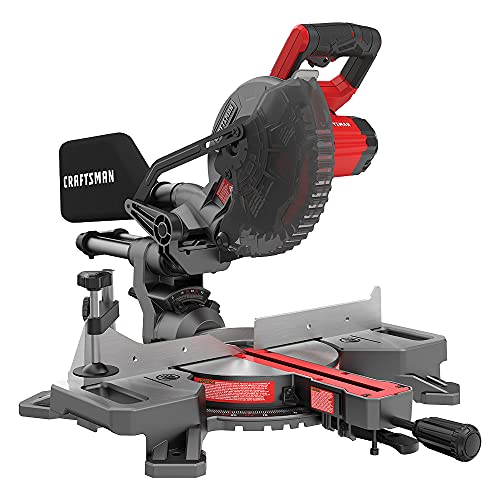
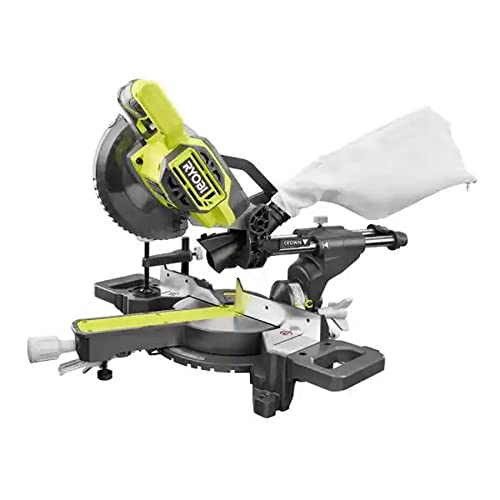
A sliding compact model adds rails that let the blade move through wider material while the base stays smaller than a full size sliding saw. It fits shelving boards, stair treads, and flooring planks that would force a fixed model into awkward flipping. Rails need smooth travel and firm locking, because any play can open a joint. Check that rails behind the saw will not hit a garage wall.
Cordless Type for Quick Jobs Away From an Outlet
A cordless compact model runs from a battery pack and shines on short sessions and work spread across several rooms. Set it on a stand or sturdy bench, make a few precise cuts, and move on without routing a cord. Runtime depends on blade sharpness, board density, and cut count, so a second pack helps on longer days. Low weight makes stairs and tight hallways less tiring.
How We Chose the Best Compact Miter Saws
We compared types using maker specifications and verified buyer feedback, not hands on claims. Power and performance came first, followed by battery platform and runtime for cordless models, ergonomics and weight, durability, and warranty support. A saw earned attention only if its capacity matched real trim and board sizes, its fence and detents looked practical for repeat cuts, and its size truly saved space.
How to Choose the Right Miter Saw
Start with boards you cut every month, not the largest board you might cut once a year. Our guide on how to choose a miter saw covers general sizing, and the points below narrow that advice to compact models. Blade size, slide travel, bevel range, and power source interact, so judge them together. A light saw that cannot finish your main board in one pass costs time on every project.
Size and Form Factor
Blade size sets capacity and bulk. A 7 1/4 inch blade keeps a saw very light and handles most trim, while an 8 1/2 inch blade adds depth for thicker stock. A 10 inch blade is the common middle ground, giving more capacity while still storing on a shelf. A 12 inch blade usually pushes a saw out of the compact class. Match capacity to your stock and leave a small margin.
Type
A compound model tilts one way for bevels, while a dual bevel model tilts both ways so you can cut matching angles without flipping long trim. A sliding model adds width, and a fixed model has fewer moving parts and simpler setup. If most cuts are simple cross cuts and miters in narrow stock, the simpler type often holds settings better and weighs less.
Features Worth Paying For
A clear cut line guide helps more than most extras. An LED shadow line shows where the blade will land in bright rooms, while a laser can drift if bumped. Positive stops at common angles speed up trim work, and a tall fence supports crown and baseboard in position. A dust bag catches some debris, though a vacuum port clears the line far better. Support wings also help, because long boards that sag will not cut square.
Cordless and Corded Power
Corded models deliver steady power for long sessions and cost less for the same capacity, since no battery or charger is included. Cordless models remove tripping hazards and let you work in a yard or a room with power off. If you cut dense hardwood all day, corded power is the safer match. If work is short and mobile, our guide to the best cordless miter saw explains battery trade offs in depth.
Battery Platform
For a cordless model, the platform matters as much as the saw. Packs you already own for drills and other tools can lower total cost and reduce chargers on your bench. Check the voltage class, the amp hour sizes that fit without blocking the handle or rails, and charger speed. A saw that shares packs with your daily tools will see more use than one needing a lone dedicated battery.
Brushless Motors
A brushless motor uses electronics instead of carbon brushes, which can improve efficiency and reduce routine motor wear. On a cordless saw, that can mean more cuts from the same pack, especially in dense material. On a corded saw, the gain is smaller but shows as smooth starts and steady speed under load. Brushless designs cost more, so weigh the gain against cut volume. Weekend trim work may not repay the premium as quickly as daily site work.
Accessories and Warranty
A sturdy stand, a sharp blade matched to your material, and a reliable clamp do more for cut quality than decorative extras. A fine tooth blade suits trim, while a coarser blade handles framing lumber faster. Read warranty terms for the motor, rails, and electronics, and note how long parts support lasts. Keep the manual, because detent adjustment and blade change steps vary by design. Store blades flat and dry.
How Much Should You Spend?
Models under $150 usually cover light trim with a smaller blade and basic fence, enough for occasional repairs. Moving to under $300 often adds sliding travel, better detents, and a clearer cut line guide. Near under $500, you may find dual bevel action, stronger rails, and cordless options with larger packs. Spend first on capacity that fits your boards and on fence accuracy.
Compact vs Other Miter Saws: Pros and Cons
The main gain is space. A compact saw stores on a shelf, rides in a car trunk, and sets up on a small bench without crowding out material. Carrying it up stairs or into a finished room is easier on your back and on door frames. Our breakdown of miter saw vs table saw shows where each tool fits, since a compact miter saw handles angled cross cuts but cannot rip long boards lengthwise.
The trade off is capacity and, on some models, power. Wide planks may need two passes, and thick beams can exceed blade depth. Rails on budget sliding models can flex if you push sideways. If you frame often or cut large posts weekly, a standard saw will serve you better. If your list is trim, flooring, and furniture parts, compact size is rarely a limit, and new users may value our notes for the best miter saw for beginners on ease of setup.
- Pros: Smaller storage footprint, lower weight, faster setup, and easier transport between rooms or sites.
- Cons: Lower cross cut capacity, less depth for thick stock, and shorter runtime on battery powered models.
Safe Setup and Accurate First Cuts
Place the saw on a flat, stable surface and support long boards at bed height so they do not lift or drop during the cut. Wear eye and hearing protection, keep the guard moving freely, and let the blade reach full speed before it touches wood. Our guide on how to use a miter saw covers stance and hand position. Try each new angle on scrap, check with a square, and adjust only while the saw is unplugged or its battery is removed.
FAQ
What is the best compact miter saw?
The right answer depends on your widest regular board and where you work. Choose a fixed compound type for narrow trim in a home shop, a sliding type for flooring and shelving, and a cordless type for short jobs across several rooms. Prioritize fence accuracy and a clear cut line guide over extra accessories.
Are compact miter saws worth it?
Yes, if storage space, carrying weight, or setup time limits your current saw use. Many owners finish more small projects simply because the saw is easy to bring out and put away. They are less worthwhile if you routinely cut wide planks or thick posts that exceed their capacity. Judge worth by your project list, not blade size alone.
How long does a miter saw last?
A well kept saw can serve for many years of home use, with the blade, the brushes on brushed motors, and small wear parts replaced as needed. Life shortens when dust packs into the motor vents, rails run dry and gritty, or the saw is forced through dense stock. Store it dry, keep the blade sharp, and check the fence for square after any hard knock during transport. Those habits protect both accuracy and motor life.
Is a miter saw worth it if you already own a circular saw?
Yes for repeat angled cuts, because a miter saw holds the angle and the board in place while you focus on the cut line. Trim, frames, and flooring transitions come out more consistent, with less measuring and less sanding to fix gaps. A circular saw still wins for ripping sheets and cutting in place on large work. Many home shops keep both, using the compact miter saw for precise cross cuts and the circular saw for long straight work.
How do you clean a miter saw?
Unplug the saw or remove its battery, then brush loose dust from the bed, fence, and guard area and wipe the blade with a cloth made for removing pitch. Blow dust from motor vents with low pressure air, and clear the dust port so debris can exit during cuts. Avoid soaking any part, and never reach near the blade while it can still spin.
What is the most reliable miter saw brand?
No single brand is most reliable for every buyer, so judge a model by its warranty length, parts availability, and service options near you. Look for a fence that locks firmly, rails that travel without play, and detents that return to the same angle after repeated use. Verified buyer reports about those specific points tell you more than a logo. A saw you can service and fit with common blades will stay reliable longer in real home use.
Final Thoughts
Match blade size, slide travel, and power source to the boards you cut most, and let storage space settle close calls. The product table above pulls the key specs together so you can compare types side by side before you order. For most trim and home projects, the best compact miter saw is the one that cuts your main stock in one pass, sets up fast, and stores where you can reach it easily.