
Best Commercial Microwave Ovens: Kitchen Guide for 2026
Disclosure: We may earn a commission when you buy through links on this page, at no extra cost to you. As an Amazon Associate I earn from qualifying purchases. Learn more
Learn what the best commercial microwave ovens offer over home models: wattage, tough doors, stainless cavities and fast recovery in busy kitchens.
A home microwave starts to wilt under cafe or canteen duty, with slow heating, loosening doors, and breakdowns during the lunch rush. The best commercial microwave ovens use heavier components, higher wattage, and simpler controls built for hundreds of cycles a day. This guide explains wattage, cavity size, and durability so you can choose a workhorse for a foodservice kitchen instead of a domestic oven in commercial clothing.
Commercial ovens differ in magnetron count, cavity construction, and door design, and all three affect speed and lifespan. The comparison table below outlines the main classes, and the sections that follow explain how to match one to your operation.





Who Should Buy Which Class of Commercial Microwave Ovens
Cafes, Delis, and Takeaways
Light and medium duty ovens suit cafes that heat drinks, pastries, soup, and plated meals through the day. They cost less and fit standard counters, but they slow down during a rush. If queues form regularly at noon, a second oven or a higher wattage unit prevents a bottleneck at the pass.
Canteens, Hospitals, and High Volume Kitchens
Heavy duty ovens suit sites that reheat food in large batches all day. They heat faster, recover between cycles, and tolerate constant door use. Their drawbacks are price and power demand, so confirm the electrical supply with a qualified electrician before ordering.
Offices and Staff Rooms
A busy break room sees dozens of users with no training, so durable doors, plain controls, and an easy to wipe stainless cavity matter more than wattage. A mid range commercial unit usually outlasts a home model by years in that setting.
Key Features of Commercial Microwave Ovens
Wattage and Heating Speed
Wattage drives speed. The models in the product table range from about 1000 watts on light and medium duty units to 1200 watts and above on heavier ones, with the largest classes going higher still. Higher wattage cuts queue times, but it also overheats edges if staff use home recipes unchanged, so give them adjusted times for your oven.
Cavity Size and Construction
Stainless cavities resist stains and wipe clean faster than painted home cavities. Larger cavities fit bigger plates and containers, but they heat small portions less evenly, so check the internal dimensions against your largest serviceware instead of trusting the advertised capacity. A flat shelf in place of a turntable suits rectangular pans and wipes clean quickly.
Door, Controls, and Durability
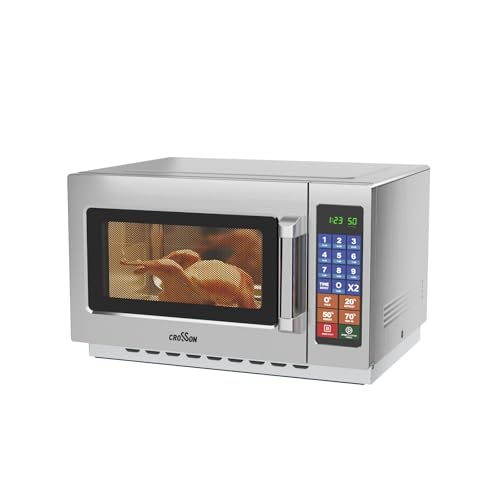
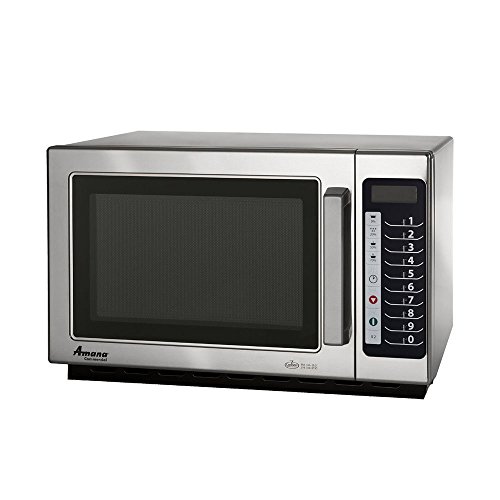
Heavy duty doors and latches survive thousands of openings, while home doors loosen quickly. Dial timers are simple and tough, and touch pads with programmable stages give repeatable results across shifts. Stackable designs save counter space in tight kitchens, though they need a sturdy shelf and the ventilation clearance the manual specifies.
Sizing by Daily Cycles
The most useful number is not wattage but how many times the door opens on your busiest day. Count the portions you reheat from opening to close, then note how many come in a single rush hour. A cafe that heats a few dozen portions a day can live with a light duty oven, while a canteen running hundreds needs a heavy duty unit built for that pace. Door openings matter as much as heating time, since hinges and latches wear with every cycle just as magnetrons wear with heating time.
It also helps to think in peaks. An oven that copes with the average hour can still jam the pass at noon, so size for the rush and add a second oven if the queue builds. Two mid range ovens often serve a kitchen better than one large one, because staff can work in parallel and one unit can keep serving while the other waits for service.
Light, Medium, and Heavy Duty Compared
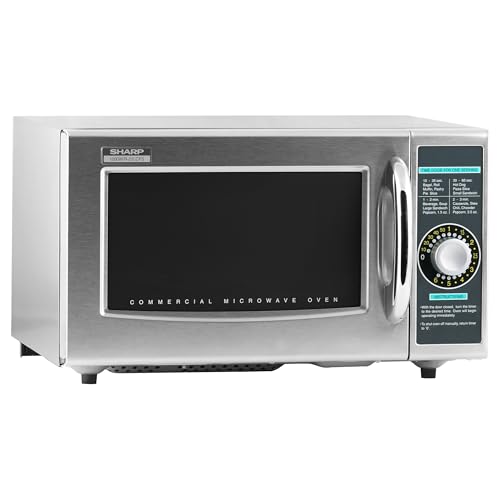
Light duty ovens, such as the compact units in the table, suit modest daily use. Medium duty models add programmable memory and sturdier doors for steady lunch trade. Heavy duty ovens carry the highest wattage and the most durable build for near constant use. Moving up a class costs more up front, but it usually costs less than replacing an undersized oven twice.
Price Tiers and What They Deliver
Light duty commercial ovens sit at the low end of the range in the table, suited to cafes and staff rooms with moderate use. Midrange ovens add stronger doors, stainless cavities, and programmable memory. Heavier commercial ovens cost the most and bring higher wattage, quicker recovery between cycles, and longer service lives for constant duty. Count your daily cycles honestly before you choose a tier, because an oven pushed past its class wears out fast.
Power, Placement, and Installation
Check the nameplate for voltage, amperage, and plug type, and confirm that the circuit can carry the oven without sharing it with a toaster or kettle. Higher wattage ovens can trip a shared breaker mid service. Leave the clearance the manual asks for around vents, keep the oven off a wobbly shelf, and place it where staff can reach it without leaning over a hot line.
Food Safety and Everyday Use
Microwaves can leave cold spots, so train staff to stir, rotate, and let food stand before serving, and to check temperatures with a food thermometer for meats, sauces, and reheated dishes. Never run an oven empty, because that can damage the magnetron. Remove metal and sealed containers, wipe the cavity and door seal each day, and stop using any oven with a damaged door or latch until a qualified technician has checked it.
Common Mistakes to Avoid
- Buying a domestic oven for a busy kitchen, then replacing it within a year.
- Ignoring the circuit, so the first rush trips the breaker.
- Choosing by cavity size alone and forgetting door durability and controls.
- Skipping a posted heating guide, so staff guess times and serve cold centers or scorched edges.
- Assuming a home warranty covers business use, when many exclude it.
Frequently Asked Questions
How is a commercial microwave oven different from a home model?
Commercial ovens use heavier magnetrons, stainless cavities, and tougher doors made for constant daily cycles. Controls are simpler or programmable, and recovery between cycles is quicker. Home ovens use lighter parts that wear out under commercial loads, and their warranties often exclude business use.
What wattage suits a cafe?
Cafes heating drinks and light meals often manage with around 1000 watts, especially with modest queues. Busy takeaways and canteens benefit from higher wattage, which cuts heating time sharply. Confirm the circuit before ordering, and adjust recipe times for the oven you buy.
Can a commercial microwave cook raw food?
Most sites use them to reheat, defrost, and finish prepared dishes. Higher powered units can cook vegetables or rice, but they will not brown food the way an oven does. Heat food until it is steaming throughout, and check the temperature with a thermometer for high risk items.
How should I maintain a commercial microwave?
Wipe the cavity and door seals daily, remove spills promptly, and deep clean weekly. Inspect seals, hinges, and latches for damage, since a faulty door can leak microwaves. Keep vents clear, replace worn parts promptly, and arrange professional service on a regular basis for high volume units. For related shopping, see our guide to the best countertop microwave ovens.
What should I check before buying?
Check wattage, cavity dimensions against your plates, power supply, and door build. Confirm that the warranty covers commercial use, and ask how quickly service responds in your area. A simple, tough oven usually serves a kitchen better than a feature rich one that is slow to repair.
Final Thoughts
Choosing among the best commercial microwave ovens starts with a candid look at your cycle count. Match wattage to your busiest hour, check the cavity against your real plates, and confirm the power supply before you order. The product table above lays out the classes, and your daily cycle count decides how much durability you need. A tough, simple oven keeps service moving when a home model would fail, and that is what the best commercial microwave ovens deliver.

