
Best Commercial Microwave for Home and Small Business (2026)
Disclosure: We may earn a commission when you buy through links on this page, at no extra cost to you. As an Amazon Associate I earn from qualifying purchases. Learn more
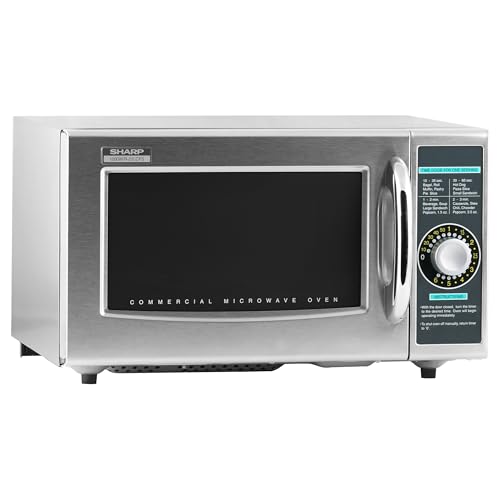
Compare light, medium and heavy duty types to pick the best commercial microwave for your cycle count, counter space and budget.
A small cafe warms soup at noon, a busy office reheats lunches all afternoon, and a large family wants a machine that survives constant use. All three need more stamina than a basic home model offers. Choosing the best commercial microwave comes down to your space, how many cycles you run each day, and what you can spend.
This guide walks through capacity, power, controls, and ownership costs so you can match a duty level to your routine. Commercial models trade decorative extras for stronger door latches, simpler controls, and parts built for repeated cycles. The comparison table below sums up the main types, and our guide to the best microwave styles gives background if you are still comparing categories.


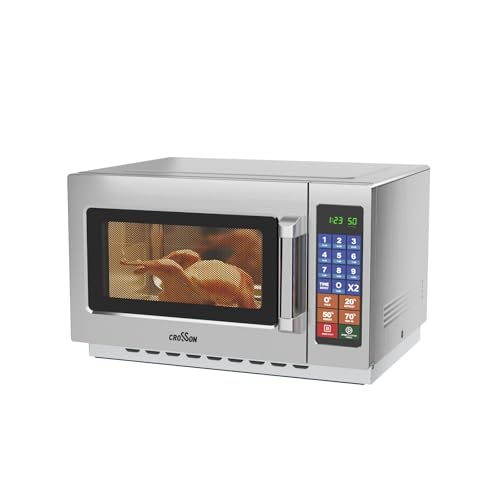


Quick Answer: Three Duty Levels Worth Comparing
Instead of chasing a single winner, start with duty level, because it predicts how a machine holds up under repeated use.
- Light duty: Built for offices, break rooms, and small shops that reheat drinks, snacks, and single meals in modest numbers across the day.
- Medium duty: Suited to cafes, food trucks, and staff kitchens that warm prepared dishes steadily through a lunch or dinner rush.
- Heavy duty: Made for sites that cook and reheat in large batches all day, where speed and stamina matter more than compact size.
Pick the level that matches your busiest hour, not your quietest one. An undersized machine falls behind exactly when you need it most.
Before You Buy: A Quick Checklist for Choosing a Microwave
The checklist below covers the decisions that shape fit, speed, and cost, so you do not pay for capacity your kitchen will never use.
Size: Match It to Your Space
Capacity is listed in cubic feet and tells you what fits inside, from a single mug to a full steam table pan in larger models. Small cavities around 0.8 to 1.0 cubic feet handle bowls and standard dinner plates with ease. Mid size cavities around 1.2 to 1.6 cubic feet accept larger platters and taller containers.
Measure your tallest dish before you shop. Compact sites with only a few users can also weigh the best mini microwave category for occasional reheating.
Which Type Fits Your Routine
Most commercial units sit on a counter, which keeps installation simple and lets you move the machine for cleaning or service. Stackable designs save footprint in tight kitchens, though they need a shelf rated for the combined weight. If your site is a home kitchen that needs a fixed, tidy look, a best built in microwave setup is the closer comparison, since true commercial units rarely include trim kits for cabinetry.
Features Worth Paying For and Ones to Skip
Programmable pads earn their cost in busy sites, because staff can start a common cycle with one touch and get consistent results across shifts. Multiple power levels help with delicate items such as butter or sauces that scorch at full power. A clear cycle counter can support service planning. You can usually skip consumer extras such as recipe menus, popcorn buttons, and decorative finishes, since they add price without adding stamina.
Wattage, Power and Energy Use
Wattage drives speed. Light duty models often sit near 1000 watts, while medium and heavy duty units climb higher and reheat dense food noticeably faster. Higher wattage also draws more current, so check the circuit rating before you buy.
Inverter delivery smooths power at lower settings and can help sauces and defrosting, a contrast covered in our explainer on inverter vs regular microwave designs. For most sites, steady output and a short cycle time matter more than the highest number on the box.
Safety Features and Certifications
Look for a recognized safety listing such as UL or ETL on the rating plate, because many health inspectors and insurers expect listed equipment in a business kitchen. A sturdy latch and a door that seals cleanly matter for both safety and cooking consistency. Follow the maker guidance on ventilation and placement, and stop using any unit with a damaged door or broken latch until a qualified technician has checked it.
Counter Space and Dimensions
External dimensions decide whether the machine fits your counter, and they are larger than the cavity size suggests. Measure width, depth, and height, then add room for the door to swing fully open without hitting walls or shelves. Leave the clearance the manual states on the sides and top so vents can move hot air away from the cabinet. Check the cord length and outlet position too.
Realistic Budget Ranges
Prices rise with duty level, cavity size, and programmability, so set your budget around daily cycle count rather than looks alone.
- About $200 to $400: Light duty countertop models for offices and small shops with modest daily use.
- About $400 to $800: Stronger light and medium duty units with programmable pads and larger cavities.
- About $800 to $1500: Medium duty models built for steady cafe and food truck service through daily rushes.
- Above about $1500: Heavy duty machines for high volume sites where downtime costs real money.
A cheaper unit that fails mid season can cost more in lost service than the price gap you saved, so weigh warranty length and local service access alongside the sticker.
Types Compared: Light, Medium and Heavy Duty Models
With the checklist in hand, compare the three duty levels directly against your menu and your busiest service window.
Light Duty for Offices and Break Rooms
Light duty models focus on simple reheating rather than cooking raw food. Dial controls or a small set of preset pads keep training minimal, which suits shared spaces where many people use the machine without instruction. Cavities tend to stay compact, and cycle times are fine for drinks, soups, and plated lunches. The trade off is stamina, since these units need rest between heavy runs.
Medium Duty for Cafes and Small Kitchens
Medium duty models add power, larger cavities, and programmable cycles that bring consistency to a set menu. Staff can warm the same dish the same way on every shift, which protects food quality and speeds training. Many designs allow stacking, helping small kitchens grow without new counters. For most cafes, bakeries, and food trucks, this level offers the best balance of speed, size, and price, and it is where the best commercial microwave search usually lands.
Heavy Duty for High Volume Service
Heavy duty models are built for near constant work, with powerful output, roomy cavities, and components rated for long days. Some designs heat from both top and bottom or use dual magnetron setups to move large batches faster and more evenly. The costs are real, though.
These machines are bigger, heavier, pricier, and often need a dedicated circuit. Choose this level only when your daily volume truly demands it, because an oversized unit in a quiet kitchen wastes counter space and energy on every single cycle.
How We Compare Commercial Microwaves
Our comparison rests on published specifications from makers, duty ratings and certifications for each class, and patterns in verified buyer feedback about reliability and cleaning. We weigh capacity, wattage, control style, and warranty terms most heavily. This guide gives you criteria to judge any current model against your own menu and volume.
Commercial vs Household Microwaves: What You Gain and Give Up
A commercial unit gains you durability where it counts. Door hinges, latches, and control pads are built for hundreds of openings and presses, and interiors often skip the turntable in favor of a flat ceramic shelf that fits rectangular pans and wipes clean fast. Controls favor speed and repeatability over variety, so a new hire can learn the main cycles in minutes.
What you give up is home oriented convenience. Expect fewer sensor programs, plainer styling, and a louder fan on higher powered models. Many commercial units also lack the child lock families rely on, and some landlords may have rules about commercial equipment in a residence, so check before installing one at home.
Common Mistakes to Avoid
- Buying by cavity size alone: a big interior on a light duty frame still wears out fast under heavy daily cycling.
- Ignoring the circuit: a higher wattage unit on an overloaded line can trip breakers during your busiest service.
- Blocking the vents: pushing the machine flush against walls traps heat and shortens component life.
- Skipping staff training: metal containers, sealed jars, and overfilled bowls cause most avoidable messes and damage.
- Forgetting service access: a model with no local repair options can sit idle for weeks after a simple fault.
Cost of Ownership and Care
Running costs stay modest, since each cycle uses power for minutes at a time, but frequent use makes small habits matter. Wipe the interior after spills, because baked on food absorbs energy and can stain or pit the cavity walls over time. Wash or replace splatter covers and air filters on the schedule the manual gives. Our step by step guide on how to clean a microwave covers safe products and methods that also suit commercial interiors.
Budget for wear items such as door seals and control pads, and plan replacement around declining speed or uneven heating rather than waiting for a full failure. The lifespan ranges in our article on how long does a microwave last help you set a realistic replacement window.
FAQ
Are commercial microwaves worth it for a small cafe or office?
Yes, if your current home style unit struggles with back to back cycles or has already needed repair from heavy use. A commercial model spreads its higher price across far more cycles, and programmable pads keep results consistent between staff members. A very quiet office that reheats a few lunches a day can stay with a standard model and save the difference, so let your daily cycle count, not the label, make the call.
Can a commercial microwave run on a normal home circuit?
Many light duty models can, because they draw power similar to a large household unit. Higher powered medium and heavy duty models may need a dedicated circuit with a higher rating, and the rating plate on the unit states the exact requirement. Have an electrician confirm your panel and outlet before installation, and never use an extension cord, since voltage drop can damage the machine and create a fire risk.
Why do many commercial microwaves have no turntable?
A flat ceramic shelf replaces the turntable so rectangular pans and multiple small dishes fit without wobbling or catching on rotation. It also removes a fragile glass part from a busy kitchen and makes wipe downs faster between rushes. Stirring or turning a dish halfway through the cycle gives more even results with dense items such as lasagna.
Do commercial microwaves cook raw food or only reheat?
Most sites use them mainly for reheating, defrosting, and finishing prepared dishes, and that is where they shine. Higher powered models can cook vegetables and rice, but they will not brown or crisp food the way an oven does. Heat leftovers to steaming hot throughout, and when in doubt check the internal temperature with a food thermometer.
How many cycles per day can a light duty commercial microwave handle?
There is no single number, because makers rate duty by design rather than a published daily cap. As a practical guide, light duty models suit sites running short reheating cycles spread across the day rather than continuous runs during a long rush. If your team queues dishes at peak times or the fan and cavity stay hot for hours, that pattern signals medium duty territory, regardless of how the sales listing describes the machine.
Final Thoughts
Start with your busiest hour, count the cycles it demands, and let that number choose your duty level. Then confirm cavity fit, circuit capacity, and clearance before you compare prices. When those basics line up, the best commercial microwave for your site is simply the one your team can run all day without thinking about it. Use the product table above to compare current models against the checklist, and order only once the dimensions and power needs check out.

