Best Commercial Meat Grinders Made Simple: A Clear Buying Guide for 2026
Disclosure: We may earn a commission when you buy through links on this page, at no extra cost to you. As an Amazon Associate I earn from qualifying purchases. Learn more

Shopping for the best commercial meat grinders for the first time? Learn the terms, compare options, and avoid rookie mistakes with this easy guide.
Buying your first commercial meat grinder can feel like learning a new language. Sellers talk about wattage, grind plates, augers, and pounds per minute, and it is hard to tell which numbers matter for your kitchen. This guide starts with the basics, explains each key specification in plain English, and then helps you choose a size and build that match the meat you plan to process.
The best commercial meat grinders for a first time buyer are not always the biggest or most powerful. They are the ones sized for your batches, built from food safe metal, and easy to take apart and clean. Use the comparison table below to see how models differ, then read on before you spend.


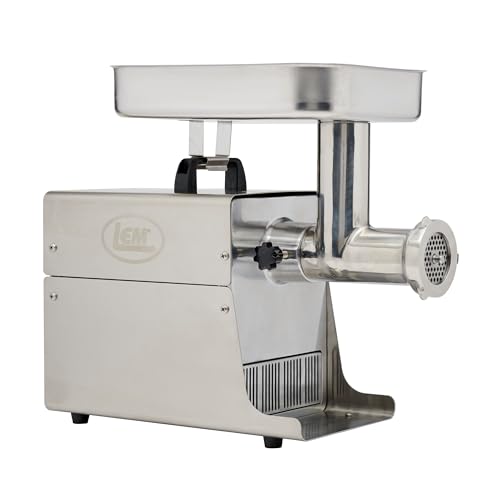


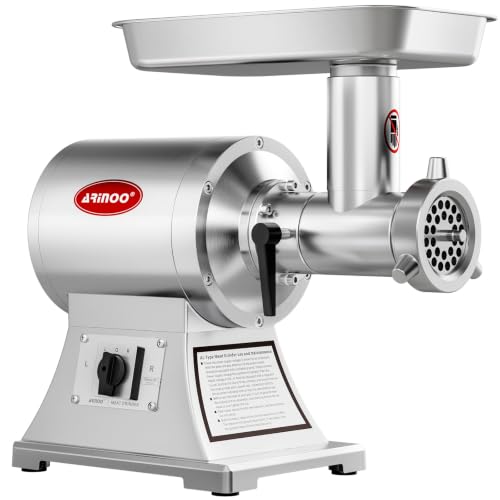

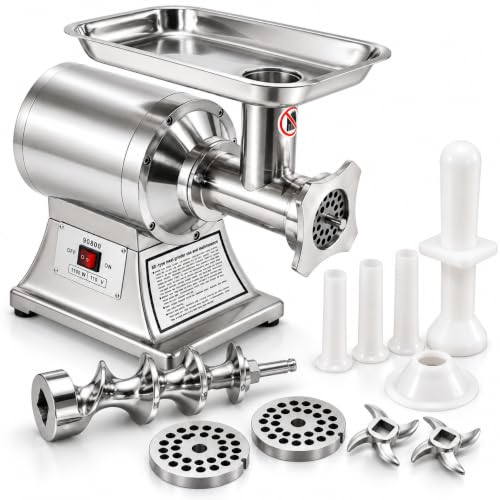
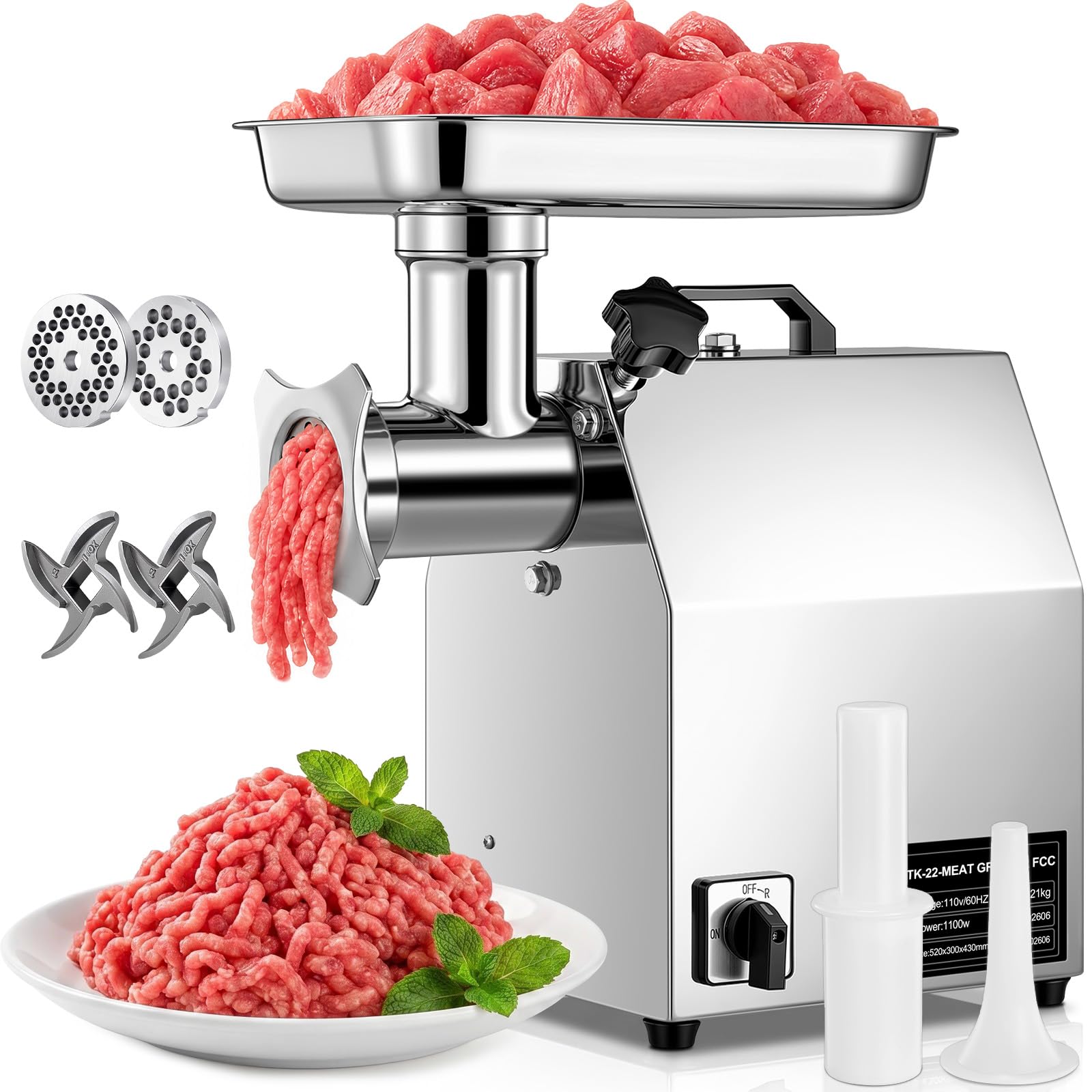
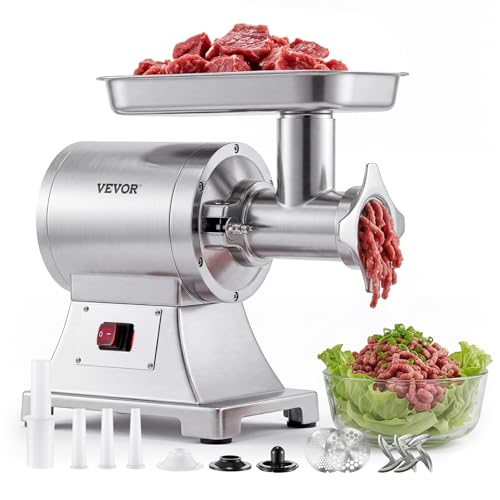
Commercial Meat Grinders 101: The Basics
A meat grinder pushes meat through a spinning auger toward a rotating knife and a perforated plate. The meat is cut as it passes the knife, then forced through the holes in the plate, which sets the coarseness of the grind. Swap the plate and you change the texture, from coarse chili grind to fine sausage filling.
Commercial models differ from small home units in three ways. They use larger motors built for long runs without overheating, metal gears and housings that tolerate daily use, and bigger throats and trays that accept larger pieces. That durability is why delis, butcher shops, restaurants, and serious hunters choose them, and why they cost more than a countertop toy. If your volume is light, our guide to the best meat grinders covers the full range from home to commercial.
Key Specs Explained in Plain English
Capacity and Batch Size
Capacity on a grinder is usually stated as pounds per minute or per hour, not quarts. Treat maker numbers as best case figures with well chilled, trimmed meat, and expect real output to be lower with fatty cuts or sinew. The models in the product table state outputs from roughly 550 to 1,100 pounds per hour for the commercial size 12 and size 22 units, which is plenty for a cafe, a deli counter, or a hunter processing a whole deer.
Think in batches when you compare the best commercial meat grinders. If you process a deer on weekends or grind 20 lb of sausage at a time, a midsize unit finishes before the meat warms up, which matters for texture and food safety. Hunters should also see our guide to the best meat grinders for deer for batch sizing around game season.
Noise and Energy Use
Grinders are loud tools, and metal geared commercial models carry a deep mechanical hum that fills a small room. Noise rises when the motor strains, so a properly sized machine grinding within its rating is quieter than a small one pushed to its limit. If staff work beside it all day, plan hearing protection during long runs.
Energy use is modest because grinding sessions are short. A larger motor draws more watts, but it finishes faster and runs cooler, so total electricity per batch is often similar. The bigger cost is your time, which is why an undersized grinder is a false economy for a busy kitchen.
Safety Features
Safety starts with design. Look for a sturdy food pusher that keeps fingers away from the auger, a throat sized so a hand cannot reach the screw, and a stable base or bolt down feet. An overload switch or auto shut off protects the motor when a bone chip jams the plate.
Certifications such as UL or ETL listing show the electrical parts met recognized safety standards, which matters in a commercial kitchen inspection. Never bypass a guard, never push meat with your fingers, and always unplug the machine before clearing a jam or changing a plate. Treat the grinder like any powered cutting tool and train every user on the same routine.
Cleaning and Dishwasher Safe Parts
Raw meat leaves residue in every seam, so easy cleaning is a core feature, not a bonus. Choose a grinder whose head, auger, knife, plates, and tray remove without tools and wash in a sink with hot soapy water. Some smaller parts are listed as dishwasher safe, but hand washing and prompt drying protect knife edges and plate surfaces better.
Dry every part fully before reassembly, because trapped moisture rusts carbon steel knives and plates. A light coat of food grade oil on plates stored for a while prevents surface rust. Clean and sanitize all contact parts before and after each session to avoid cross contamination between batches of different meats.
Materials and Non Toxic Coatings
Stainless steel is the material to look for on the head, tray, and housing of a commercial grinder. It resists corrosion, does not react with meat, and tolerates sanitizers. Aluminum parts cost less and are lighter, but they can discolor in dishwashers and react with some cleaning chemicals.
Ask what the gears are made of. All metal gearing lasts far longer than plastic under load. For health peace of mind, choose food contact surfaces that are plain stainless steel rather than coated finishes, and check that any nonstick style coating on trays is rated food safe and PFAS free if that matters to your kitchen policy. Simple, uncoated metal is easiest to inspect for wear.
Grinding Plates, Attachments, and Speed Settings
Most of your versatility comes from plates and attachments, not electronic presets. A useful starter set includes a coarse plate for chili and first grinds, a medium plate for burgers and sausage, and a fine plate for emulsified products. Two passes, coarse then medium, give a better texture than forcing meat through a fine plate once.
A reverse function is genuinely valuable because it backs the auger out of a jam without disassembly. Sausage stuffer tubes and a kubbe attachment add menu options at low cost. Extra speed settings matter less, since grinding is best done at a steady pace with cold meat. Seasonal processors may want to compare our guide to the best meat grinders for hunters for attachment priorities during harvest months.
Rookie Mistakes to Avoid
- Grinding warm meat. Warm fat smears instead of cutting, giving a pasty texture. Chill cubed meat until it is firm and almost crunchy at the edges before grinding.
- Buying by wattage alone. Peak wattage claims are inflated on many listings. Motor size, gear material, and rated output per hour tell you far more.
- Forcing meat with your hands or a spoon. Always use the pusher made for the machine. Reaching into the throat is the most common cause of serious injury.
- Skipping the trial batch. Grind a small amount first, check texture and seasoning, and adjust the plate before you commit a full batch.
- Ignoring cleaning time. A huge grinder for tiny batches wastes more time in washing than it saves in grinding. Budget conscious buyers can compare our guide to the best affordable meat grinders for simpler options.
Getting Started: Setup and First Use
Unbox the grinder on a clean, stable counter and wash all meat contact parts before the first use to remove factory oils. Assemble the head in the order the manual shows, with the knife edge facing the plate, and tighten the retaining ring firmly by hand. A knife installed backward is the top cause of a grinder that pushes meat around instead of cutting it.
Chill the assembled head in the freezer while you cube the meat, which keeps fat firm during grinding. Feed meat at a steady pace without forcing it, catch the grind in a chilled bowl set over ice for long batches, and keep raw meat below 40 degrees Fahrenheit as much as you can. If you feel ill after eating ground meat, or if meat smelled off or sat out for more than two hours, do not serve it, and seek medical advice if symptoms develop. When in doubt about food safety for your setting, ask your local health inspector or a qualified food safety professional.
FAQs
How do I clean a commercial meat grinder?
Unplug the machine, take the head apart, and scrape loose meat into the trash before washing, so drains stay clear. Wash every contact part in hot soapy water, sanitize if your kitchen policy requires it, and dry each piece fully before reassembly. A practical trick is to grind a piece of bread at the end of a session, which pushes out clinging meat and makes washing faster. Never immerse the motor housing in water.
Is a commercial meat grinder worth buying?
Yes, if you grind weekly or process large batches each season. A commercial unit cuts prep time, gives a consistent texture that helps sausage bind and burgers cook evenly, and often pays for itself against pre ground meat prices within a year or two of steady use. If you grind twice a year in small amounts, a manual option from our guide to the best hand meat grinders may be the smarter spend.
Does a commercial meat grinder use a lot of electricity?
No, grinding uses little electricity in total because sessions are short. A large motor may draw 1000 watts or more while running, but it finishes a batch in minutes, so the cost per batch is usually a few cents. Running an undersized motor for long periods wastes more energy and wears the machine faster. Focus on output per hour and motor duty rating rather than the watt number alone.
Are commercial meat grinders safe to leave unattended?
No, never leave a running grinder unattended. The auger can jam suddenly on sinew or a bone fragment, and a stalled motor overheats quickly. An operator should stay within reach of the switch, keep the pusher in hand, and keep children and loose clothing away from the throat and moving parts. Turn the machine off and unplug it whenever you step away, even briefly, or change any part.
What size commercial meat grinder do I need?
Match the size to your largest regular batch. Grinder sizes, often given as numbers like 12, 22, or 32, describe the head and plate diameter, and bigger heads grind faster and accept larger cubes. A size 12 suits small shops and heavy home use, a size 22 covers most restaurants and seasonal deer processing, and a size 32 fits high volume butcher work. Buying one step above your current need is sensible if your volume is growing.
How long do commercial meat grinders usually last?
A quality commercial grinder often lasts 10 years or more with basic care. The parts that wear first are knives and plates, which dull slowly and are cheap to replace or resharpen, and the motor brushes on some designs. Keep the gearbox serviced as the manual directs, store plates dry and lightly oiled, and avoid grinding bones unless the model is rated for them. Abuse, not age, kills most grinders early.
Our Verdict
For a first purchase, prioritize three things: a size matched to your biggest regular batch, all metal food contact parts and gearing, and a head that comes apart fast for washing. Those choices matter more than peak wattage or extra attachments. Compare your short list in the product table above, and you will find the best commercial meat grinders for your kitchen without overspending on capacity you will never use.