Best Commercial Mixers: Bakery and Kitchen Buying Guide for 2026
Disclosure: We may earn a commission when you buy through links on this page, at no extra cost to you. As an Amazon Associate I earn from qualifying purchases. Learn more

Learn how capacity, gearing and attachments decide the best commercial mixers for bakeries and busy kitchens, with sizing and care advice.
A home mixer stalls, overheats, or walks across the counter when it meets commercial dough. The best commercial mixers use geared transmissions, powerful motors, and heavy bowls built for repeated full loads, and they are rated by capacity in quarts so you can match them to a real batch. This guide explains capacity, mixer types, and durability so you can choose a machine that survives a busy service.
Planetary mixers suit varied work, spiral mixers suit bread dough, and each handles dough differently. The comparison table below lists the models available now, and the sections that follow explain sizing and care.




Types of Commercial Mixers
Planetary Mixers
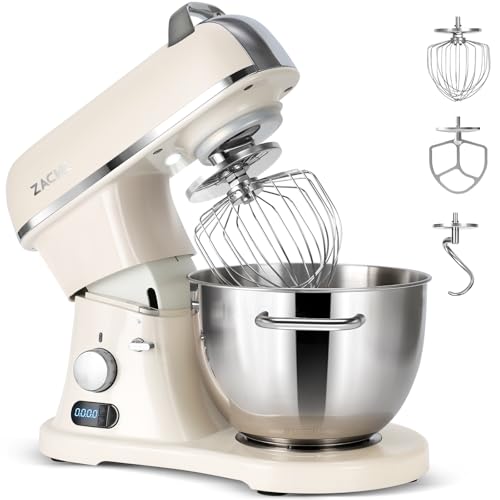
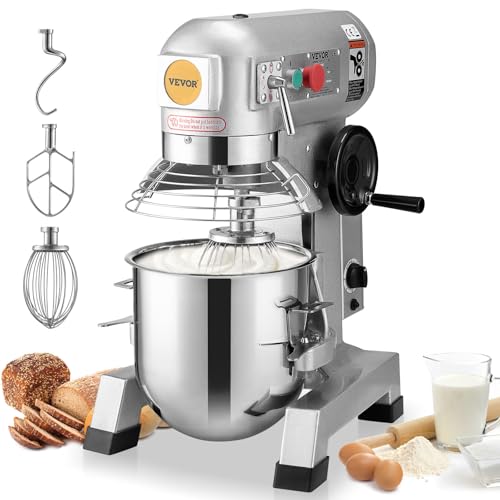
In a planetary mixer the attachment spins on its own axis while it travels around the bowl, which suits batters, creams, whipped toppings, and most doughs. Interchangeable beaters, whisks, and dough hooks cover most tasks in one machine, which is why cafes, small bakeries, and general kitchens favor it. Countertop and floor versions exist, and bowl sizes commonly run from the 8 quart class used in home bakeries to 20 quarts and beyond.
Spiral Mixers
A spiral mixer turns the bowl against a fixed spiral hook, which kneads bread dough gently without overheating it and builds gluten evenly. Bakeries and pizzerias that make dough all day choose it for large flour weights. It is less versatile, since it handles dough far better than creams or batters, and it takes more floor space. If bread is your main product, a spiral is worth a separate look.
Choosing Between Them
Most kitchens that make a mix of products are well served by a planetary mixer, while a bread focused bakery gets better results from a spiral. If you cannot decide, look at your signature product and let it decide. Add a second machine only when your volume justifies it.
Who Should Buy Which Size
Cafes and Small Bakeries
A countertop planetary mixer in the 8 to 20 quart class suits cafes that mix cake batter, cookie dough, and whipped toppings. It fits on a sturdy table, plugs into a standard outlet on smaller models, and cleans easily. Larger bowls bring more output but also more weight and a bigger circuit.
Restaurants and Caterers
Restaurants use mixers for mashed potatoes, sauces, meatballs, and pizza dough, so a mid size planetary with a good dough hook and a bowl guard is a sensible choice. Caterers who move equipment should check weight and bowl lift design, since a heavy bowl is awkward to lower and carry.
Home Bakers Going Commercial
Home bakers who sell at markets often step up to a commercial planetary because it tolerates repeated full loads without overheating. Check your home circuit before you buy and measure the counter, since these machines are heavier than they look. Our guide to the best stand mixers covers the lighter models.
Key Features to Compare
Capacity and Flour Weight
Size mixers by flour weight for dough and by total batch weight for batters, not by bowl volume alone. A twenty quart bowl holds less dough than its name suggests, because stiff dough climbs the hook and the bowl is never filled to the brim. Check the maker capacity chart for each product type, and leave a margin for peak batches.
Motor, Gears, and Speeds
Geared transmissions last longer than belt drives under heavy dough loads. Multiple speeds matter, since dough needs slow kneading while cream needs fast whipping, and a timer helps repeat batches. Listen for strain and watch for the bowl lifting under load, both signs of overloading that shortens gearbox life.
Attachments and Cleaning
Standard beaters, whisks, and dough hooks cover most work, while a grinder or slicer hub adds options. Stainless bowls and guards clean faster and meet hygiene rules better than painted parts. Check the guard interlock and the bowl lift, because those safety features protect staff during busy service.
Certification, Warranty, and Service
Look for an NSF listing if you sell food, since it shows the design was reviewed for cleanability and food contact surfaces. Read the warranty for commercial use, because home warranties often shrink or vanish in a business. Ask about parts and service in your area, since a mixer waiting weeks for a gearbox part halts production. A plain model with fast local support often beats a feature rich one that has to be shipped away for repair.
Space, Delivery, and Setup
Large mixers arrive heavy and awkward, and a narrow doorway can delay installation badly. Measure the doorways, the table, and the clearance above the bowl, and check that the work surface can carry the weight of the machine plus a full bowl. Leave room beside the mixer for a bowl dolly, scrapers, and a clean landing spot for attachments.
Plan where the cord reaches, and avoid sharing the circuit with other heavy equipment during a rush. When you compare the best commercial mixers, delivery and setup details deserve the same attention as bowl size.
Price Tiers and What They Deliver
Countertop commercial mixers sit at the low end of the range in the table and suit cafes with moderate batch sizes. Larger bowls and floor models add capacity and geared durability for bakeries. Heavier machines cost more and need stronger circuits, so budget for installation and a stable table or stand as well as the mixer itself.
Common Mistakes to Avoid
- Exceeding the flour weight limit for dough, which strains gears and overheats the motor.
- Buying a planetary mixer for a bread focused bakery without checking how it handles stiff dough.
- Skipping the circuit check, so the first full load trips a breaker.
- Reaching into a moving bowl, which is the fastest way to be hurt.
- Ignoring gearbox greasing and belt checks, which prevent failures during peak production.
Care and Safety
Never bypass bowl guards, keep hands and tools clear of moving agitators, and unplug the mixer before changing attachments. Clean bowls and attachments after each use, grease gears on the maker schedule, and report grinding noises promptly. A mixer that strains daily will fail during peak service, so respect its capacity limits and split large batches into two smooth ones.
Frequently Asked Questions
Planetary or spiral mixer for bread?
A spiral mixer kneads bread dough gently and efficiently, keeping dough cooler and developing gluten evenly. A planetary mixer handles varied tasks well but can strain on stiff dough at full load. Bakeries focused on bread usually choose a spiral, while mixed kitchens choose a planetary for versatility.
How do I size a commercial mixer?
Size by flour weight for dough and total batch weight for other products, using the maker capacity chart. A bowl rated at twenty quarts may handle far less than that in stiff dough. Plan for your largest regular batch plus a margin, because overloading wears gears fast.
Why does my mixer overheat?
Overloading, the wrong speed, and stiff dough cause most overheating, especially in planetary mixers. Use slow speeds for dough, respect the flour weight limit, and rest the motor between heavy batches. If it keeps overheating, the mixer may be undersized or the gearbox may need service.
How do I maintain a commercial mixer?
Clean bowls, beaters, and guards after each use, and wipe the body to prevent flour buildup. Grease gearboxes on the maker schedule and inspect belts, guards, and bowl lifts. Report unusual noises, leaks, or wobbling at once, and keep a spare beater and bowl if volume justifies it. For hand held options, see our guide to the best handheld mixers.
What safety rules matter for mixers?
Never reach into a moving bowl, never bypass guards or interlocks, and always stop the machine before scraping or changing attachments. Tie back hair and loose clothing, and train every user before first use. Unplug the mixer for cleaning and attachment changes.
Final Thoughts
Size by flour weight, choose the mixer type that matches your main product, and respect capacity limits. The product table above lists the planetary models available now, and your largest regular batch decides which size to pick. A geared, well maintained mixer earns its cost through reliable service, which is why the best commercial mixers are chosen for capacity and durability rather than looks.