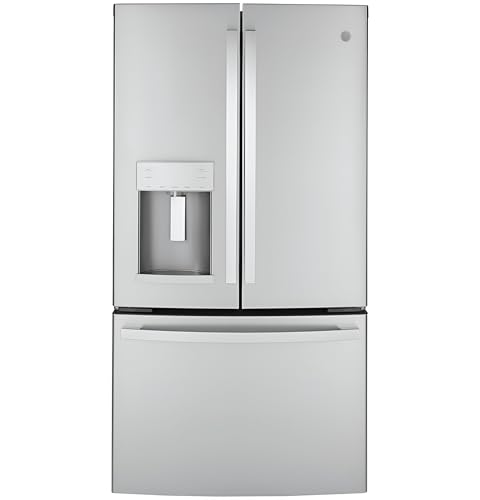
Best Built in Microwave for 2026: A Buying Guide for Real Kitchens
Disclosure: We may earn a commission when you buy through links on this page, at no extra cost to you. As an Amazon Associate I earn from qualifying purchases. Learn more

Cabinet size, trim kits, wattage, and venting decide which best built in microwave fits your kitchen. Here is how to choose.
A microwave that sits loose on the counter can steal the exact space you need for prep, especially in a kitchen where two people cook at once. Choosing the best built in microwave solves that problem by moving the appliance into a cabinet or wall opening, but it also adds measurements and parts that a countertop model never asks about. The comparison table below lays out the sizes and features side by side so you can see the differences at a glance.
This guide focuses on fit, household size, and daily ease of use. You will learn how cabinet openings, trim kits, wattage, and door style affect the choice, what each budget level covers, and which mistakes lead to returns. If you are still weighing formats, our overview of the best microwave options for other placements is a useful starting point.


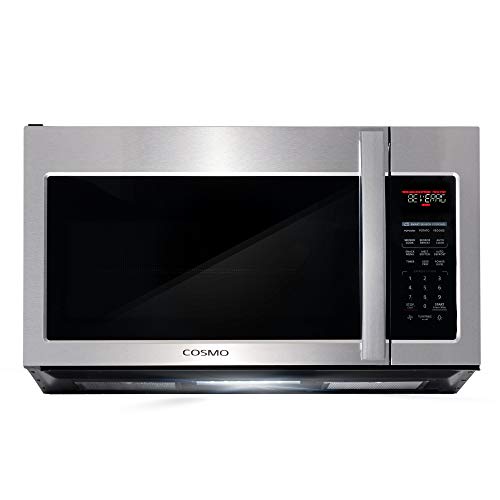
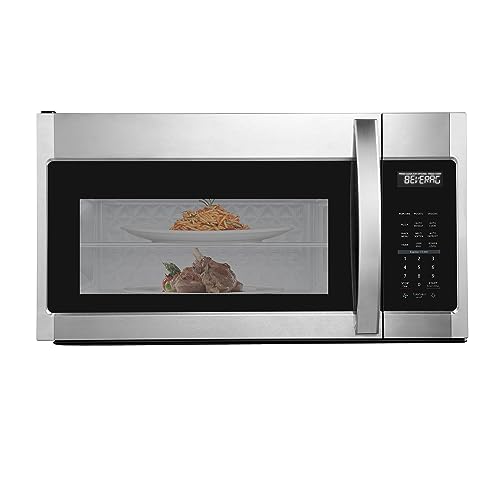
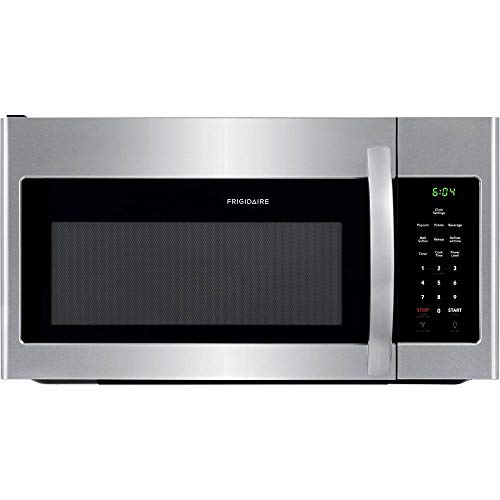
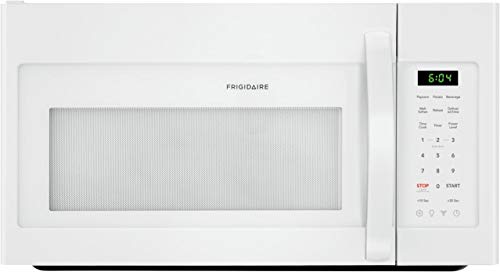


Three Buying Profiles and What to Prioritize
Most shoppers fall into one of three groups, and each group should weigh the same specs in a different order. Start with the profile that sounds like your home, then use the checklist below to confirm the details.
Compact Kitchens and Small Households
If you cook for one or two people and your cabinets are shallow, prioritize a smaller cavity of about 0.9 to 1.2 cubic feet and the smallest trim kit that covers your opening cleanly. A compact unit reheats mugs, bowls, and single plates well and leaves more of the budget for proper installation. Measure the depth carefully, because a shallow cabinet with a deep unit is the most common reason compact installs fail. Skip convection and air fry functions at this size, since the cavity is too small for them to earn their cost.
Family Kitchens That Cook Every Day
Households of three to five people should look at about 1.2 to 1.6 cubic feet, a turntable that fits a large dinner plate or a small casserole, and sensor cooking that adjusts time for steam. Wattage of about 950 to 1100 watts keeps reheating fast when several plates go in one after another. A door that opens smoothly at your mounting height matters more than extra preset buttons, because children and shorter adults will use this appliance daily. Choose a finish that wipes clean quickly and controls that stay readable in bright light.
Remodels and Long Term Installations
If you are building custom cabinets around the appliance, you can consider larger cavities of about 1.6 to 2.2 cubic feet and features such as inverter power or convection, provided the opening, venting, and electrical supply are planned first. At this level the trim kit, cabinet work, and installation often cost as much as a basic microwave, so a longer warranty and good service coverage carry real value. Confirm the door swing clears nearby handles and corners before the cabinets are built.
Before You Buy: A Quick Checklist for Choosing a Built In Microwave
A built in model is part appliance and part cabinet project. The six checks below cover the points that decide whether the unit will fit, work safely, and suit how your household cooks.
Size: Match the Microwave to Your Cabinet Opening
Measure the opening width, height, and depth in three places each, because older cabinets are rarely perfectly square, and record the smallest number for each dimension. Common cabinet widths are about 24, 27, and 30 inches, and the trim kit must match both the microwave and the opening, so confirm all three parts together. Leave the clearance the maker specifies for air flow. Capacity follows the opening more than appetite: a large family in a 24 inch opening still needs a compact cavity, so plan dish sizes around that limit.
Which Type Fits Your Routine
Standard built in models sit in a cabinet or wall cavity at eye level or below a counter, while a best drawer microwave slides out from under the counter and loads from the top, which suits islands and cooks who lift heavy dishes. Over the range models combine a microwave with a vent hood above the stove and follow different sizing rules. Countertop models placed on a shelf with a trim kit look built in but need more clearance and are not rated for fully enclosed cabinets. Match the type to where you stand when you cook, because a door that swings toward your main prep zone will annoy you daily.
Features Worth Paying For and Ones to Skip
Sensor cooking and sensor reheating earn their place in busy homes because they reduce guesswork for soups, rice, and leftovers. Inverter power heats more evenly at low settings, which helps with melting butter and softening ice cream, and our guide to the best inverter microwave explains how that technology differs in daily use. A clear comparison of inverter vs regular microwave heating can help you decide if the upgrade fits your cooking. Convection and air fry modes are worth it only if you will truly roast or crisp in a small cavity. Skip novelty presets and smart features you do not plan to connect.
Wattage, Power and Energy Use
Most full size built in models run at about 900 to 1200 watts of cooking power, while compact models may run at about 700 to 900 watts and take longer on dense foods. Higher wattage shortens cooking time but needs a circuit that can carry the load, and many makers require a dedicated circuit for larger units. Check your panel and outlet placement with a licensed electrician if you are unsure, and follow local electrical codes. In standby, modern models draw very little power, so cooking time matters far more to your energy bill than the clock display.
Safety Features and Certifications
Look for a UL or ETL listing, which shows the appliance was tested to recognized safety standards, and confirm the door latch and child lock work in a way your household can manage. A lock matters most when the unit sits at a height a child can reach, while a higher unit needs controls adults can use without stretching over hot dishes. Keep the vents clear, never run the microwave empty, and stop using it and seek service if the door is damaged or does not seal. Follow the maker installation instructions exactly, since blocked vents can cause overheating.
Budget Ranges and What They Cover
Expect the total project to cost more than the appliance alone. Compact built in models often start at about $400 to $600, mid range family models commonly run about $600 to $1000, and large or convection models can reach about $1000 to $1500 or more. Budget for a trim kit at about $100 to $300 when it is sold separately, plus installation and any cabinet or electrical work. A lower appliance price with a costly custom trim kit can end up higher than a mid range model with the kit included, so compare the full installed cost.
How to Evaluate a Built In Microwave Before You Order
Work through a short evaluation in a fixed order: fit first, then power, then daily controls, then total cost, then warranty and service. Fit comes first because a model that misses your opening by half an inch is not a bargain at any price. Next, read the maker spec sheet for cavity size, turntable diameter, and clearances rather than relying on the product name, since names often round sizes up. Finally, check the warranty for parts and the magnetron, and confirm service is available in your area.
Built In Microwaves Compared With Other Types
A built in model gives you a clean, integrated look and frees counter space, and it usually sits at a comfortable height that makes loading safer than reaching over a stove. The trade offs are a higher total cost, a fixed location, and a harder replacement job when the unit fails, because the new model must fit the same opening. Countertop models cost less and move easily but take up work space. Over the range models save a separate hood purchase yet place the cavity high, which can be awkward for shorter cooks lifting hot soup. Drawer models load from the top and suit islands, though they often cost more and hold less.
Common Buying Mistakes to Avoid
- Ordering before measuring the opening in three places, which leads to a unit that will not slide in or a trim kit that leaves gaps.
- Forgetting the trim kit or buying one that matches the microwave but not the cabinet width, which delays the install and adds cost.
- Ignoring door swing and handle clearance, so the open door hits a nearby wall, cabinet handle, or the person standing at the counter.
- Paying for convection or air fry capacity you will rarely use, while choosing a cavity too small for your everyday dishes.
- Skipping the electrical check, then finding the circuit or outlet position cannot support the unit once the cabinets are closed in.
Cost of Ownership and Care
Running costs stay modest because cooking times are short, but ownership includes a few small items: replacement filters on vented installs, a new turntable or roller ring if one cracks, and the eventual service call as parts age. Weekly care is simple. Wipe the cavity after spills, wash the turntable in the sink, and keep the door seal clean so it closes fully. For a full method that avoids harsh cleaners, follow our step by step guide on how to clean a microwave before stains bake on. Leave the door slightly open after steamy foods so moisture escapes, and avoid abrasive pads on stainless finishes.
Your Questions, Answered
What makes a built in microwave reliable over time?
Reliability comes from solid door hardware, a proven magnetron, and a maker with service coverage in your area more than from a long feature list. A longer warranty on the magnetron is a useful signal, since that part is costly to replace. Simple controls with fewer touch surfaces also tend to age well in a steamy kitchen. Before you buy, check that common parts such as turntable motors and door switches are listed as available, because a model with good parts support is easier to keep running for years.
How do you clean a built in microwave without damaging the finish?
Start by heating a bowl of water with a little lemon for a few minutes so steam loosens dried food, then wipe the walls with a soft cloth once the cavity cools slightly. Remove the turntable and wash it separately rather than scrubbing inside the unit. For stainless fronts, wipe along the grain with a damp cloth and dry right away to prevent streaks. Avoid spraying cleaner directly onto the control panel, because liquid can seep behind the buttons and cause faults that look like electronic failures.
Is a built in microwave worth it for a small kitchen?
Yes, a built in microwave is often worth it in a small kitchen because it returns a full section of counter to food prep, which is the scarcest resource in a compact room. The value depends on having a cabinet you can spare, since storage is also scarce at this size. If giving up a cabinet hurts more than losing counter space, a compact countertop model may serve you better. When both are tight, a drawer unit under the counter can be a middle path worth pricing out.
How long does a built in microwave last?
Most built in microwaves last about 9 to 12 years with normal home use, and heavy daily use can shorten that span. The door latch, control panel, and turntable motor usually wear out before the cooking system does. Planning ahead helps: keep a record of your opening size and trim kit model, because replacements are far easier when the next unit matches the existing cutout. If cooking becomes uneven or the unit makes new buzzing sounds, have it assessed rather than continuing to use it.
Are built in microwaves worth the extra cost over countertop models?
They are worth the extra cost when you value counter space, a fitted look, and a loading height that suits everyone in the home. The premium buys installation and cabinet integration more than faster cooking, since wattage is similar across types. If you rent, move often, or plan a full remodel soon, a countertop model keeps your options open at far lower cost. Homeowners settling in for many years usually recover the value through daily convenience rather than resale price.
What is the best built in microwave for a family of four?
For a family of four, the right choice is usually a cavity of about 1.2 to 1.6 cubic feet, wattage near 1000 watts, and sensor reheating for the steady flow of leftovers and drinks. Check that your largest dinner plates and your most used casserole dish fit on the turntable with room to rotate. A child lock and a door that opens without blocking the walkway add daily value. Match the trim kit to a standard opening if you can, because that keeps a future replacement simple and less costly.
Final Thoughts
Start with your opening measurements, pick the profile that matches your household, and let wattage, controls, and total installed cost settle the rest. The product table above pulls the key sizes and features together so you can compare without rereading every spec sheet. Chosen with care, the best built in microwave disappears into your kitchen and simply makes daily cooking easier, freeing your counters and putting hot food at a height that works for everyone at home.