
Best Affordable Meat Grinders: Power, Plates, and Cleaning 2026
Disclosure: We may earn a commission when you buy through links on this page, at no extra cost to you. As an Amazon Associate I earn from qualifying purchases. Learn more

Best affordable meat grinders: Motor power, grinding plates, cold meat technique and cleaning advice for burgers and sausages.
Home grinding gives you control over fat content, texture, and freshness, whether for burgers, sausages, or game meat. This guide to best affordable meat grinders explains motor power, plate sizes, and cleaning in practical terms so a modest budget still buys a reliable machine. The comparison table below outlines electric and manual options.
Grinding seems simple, but cold meat, sharp plates, and steady feeding make the difference between a smooth texture and a smeared, warm paste. Affordable grinders can perform well when used correctly, while even a strong grinder struggles with warm meat or dull plates. Technique matters as much as specifications.


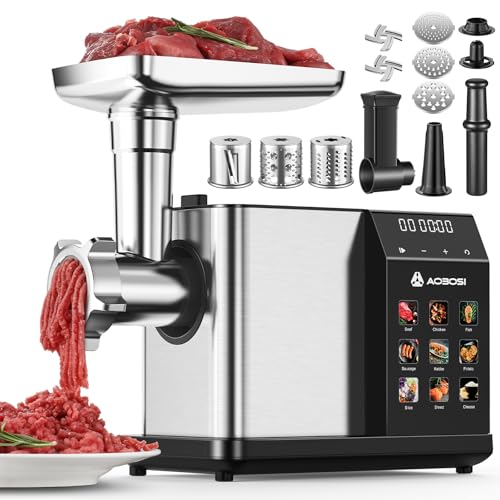
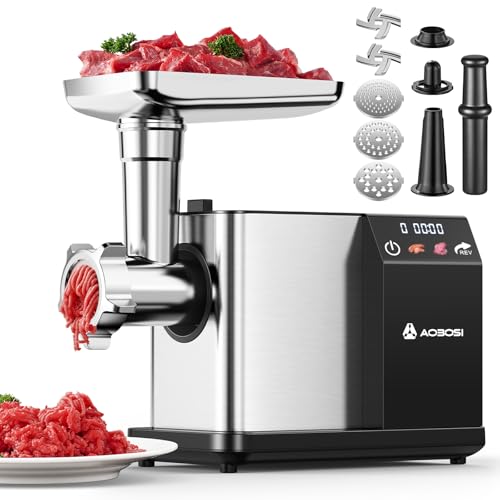

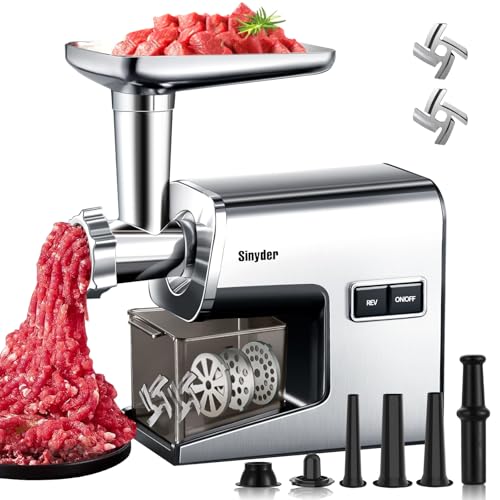
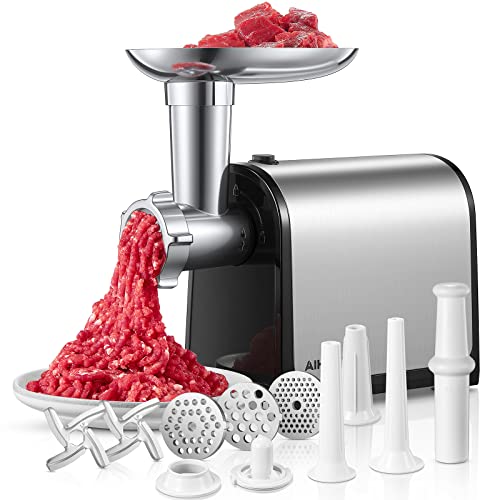
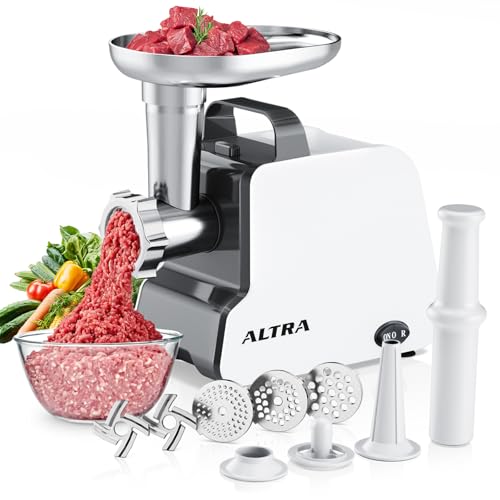
Who Should Buy the Best Affordable Meat Grinders
Home cooks who make burgers, meatballs, and sausages regularly will benefit most, as will hunters and smallholders processing game in season. Occasional users may prefer a manual grinder or a grinder attachment for a stand mixer, while frequent users benefit from a dedicated electric model with a sturdy motor.
If you grind large batches, check throughput and duty cycle, since affordable motors need rest periods during long sessions. Smaller batches with chilling breaks often produce better texture than one long, warm session. Plan batch size around your freezer and storage, not only around grinder capacity.
Motor Power, Plates, and Texture
Motor power should be judged with duty cycle and gearing, not only headline wattage. A well geared motor that runs steadily without overheating beats a high wattage claim that stalls under load. Look for metal gears or a robust gearbox where possible, and check whether the maker states a maximum continuous run time.
Grinding plates determine texture. Coarse plates suit chunky burgers and sausages, medium plates suit general use, and fine plates suit smooth sausages and pates. A set with two or three plates covers most home needs.
Keep plates sharp and matched to the blade, since a worn pair smears rather than cuts. For game specific use, best meat grinders for deer and best meat grinders for venison cover larger animal processing.
Cold, Feeding, and Food Safety
Keep meat, plates, and the grinder head cold before and during grinding. Chill meat until firm, work in small batches, and return ground meat to the fridge promptly. Warm fat smears, clogs plates, and creates a paste texture, while cold fat cuts cleanly and keeps burgers juicy after cooking.
Food safety is essential with ground meat, since grinding spreads surface bacteria through the batch. Clean all parts that touch meat promptly, wash hands and surfaces, and cook ground meat thoroughly, especially for children, pregnant people, older adults, and anyone with a weakened immune system. Follow local food safety guidance for storage times.
Cleaning, Storage, and Attachments
Cleaning determines whether a grinder stays pleasant to use. Models with removable heads, plates, and augers that wash easily encourage prompt cleaning. Dry metal parts fully to prevent rust, oil plates lightly if the maker advises, and store blades protected from damage. Dishwasher guidance varies, so check the manual for each part.
Attachments expand use: sausage stuffers, kibbe makers, and coarse plates suit different recipes. Manual grinders offer simplicity, low cost, and no motor to overheat, but they demand more effort for large batches. For manual options, best hand meat grinders compares clamp and suction models. For hunter focused models, best meat grinders for hunters covers field and home processing.
Mistakes Worth Avoiding
Grinding warm meat is the most common error, followed by forcing meat with the pusher instead of letting the auger draw it in. Overloading the hopper and running beyond the duty cycle overheats motors and smears fat. Work steadily, chill between batches, and stop if the motor strains.
Never reach into a running grinder or use fingers to clear a jam. Switch off, unplug, and clear blockages with the pusher or tools as the manual directs. Keep children away from operating grinders, and store blades safely. For general comparisons, best meat grinders covers wider budgets and capacities.
Recipes That Reward Home Grinding
Home grinding shines in recipes where texture and fat content define the result, such as burgers with a coarse grind, sausages with a controlled fat ratio, and meatballs that stay tender rather than dense. Grinding your own blends lets you combine cuts for flavor and juiciness, for example mixing lean meat with a fattier cut to reach a balance that pre ground meat rarely offers. Experiment with small batches first to learn preferred ratios.
Sausage making adds seasoning, casing, and stuffing skills to grinding, and affordable grinders with stuffer attachments handle small batches well. Keep everything cold during stuffing, avoid overworking the mixture, and test a small patty for seasoning before stuffing a whole batch. That test patty prevents seasoning errors that would otherwise spoil a large quantity.
Game meat benefits especially from home grinding, since venison and other lean meats need added fat for juicy burgers and sausages. Mix lean game with pork fat or beef fat in proportions that suit the recipe, and keep batches small until you learn the blend. Proper chilling and thorough cooking remain essential, particularly for wild game handled in the field.
Storing Ground Meat Safely at Home
Safe storage starts with prompt refrigeration, since ground meat should spend as little time as possible at room temperature after grinding. Portion ground meat into meal sized packs, flatten packs for fast freezing and thawing, and label each pack with contents and date. Flat packs stack neatly, thaw faster, and reduce waste compared with large blocks.
Thawing should happen in the fridge, not on the counter, since slow fridge thawing keeps meat at safe temperatures throughout. Plan thawing a day ahead for larger packs, and cook thawed ground meat promptly rather than refreezing it raw. If plans change, cooking the meat first and then freezing the cooked dish is safer than leaving raw meat to wait.
Freezer organization prevents forgotten packs that linger for months, so rotate stock by date and use older packs first. Keep a simple inventory list on the freezer door if you grind in bulk, and note which blends and seasonings each pack contains. Good labeling turns a freezer full of anonymous packs into a useful pantry for quick meals.
A Final Check Before You Order
Before ordering, confirm plate sizes included and whether additional plates are available separately, since plate variety determines texture options for burgers, sausages, and pates. A grinder with only one plate limits recipes, while a set with coarse, medium, and fine plates covers most home needs. Check blade and plate compatibility before buying spares.
Also check duty cycle and motor cooling guidance, since affordable motors need rest periods during long sessions. Plan batch sizes around those limits, chilling meat between batches for better texture and safer handling. A grinder used within its duty cycle lasts far longer than one repeatedly pushed beyond it.
Finally, confirm cleaning and storage requirements, including which parts wash easily, which parts need hand drying, and how blades should be stored safely. A grinder that cleans quickly gets used more often, while a grinder that is awkward to clean sits unused. Easy cleaning is a practical feature, not a minor convenience.
Frequently Asked Questions
What plate size should I start with?
A medium plate suits most burgers and meatballs, with a coarse plate for chunky sausages and a fine plate for smooth textures later. Start with medium and coarse if you must choose two. Keep plates matched to the blade and replace worn pairs, since dull plates smear rather than cut.
Why does my ground meat look pasty?
Warm meat and fat are the usual cause, along with dull plates or forcing meat too fast. Chill meat until firm, chill the grinder head, work in small batches, and feed steadily without excessive pressure. If paste persists, check plate sharpness and blade fit. Revisit the choice after a short trial period to confirm it still suits you.
Can I grind bones or frozen meat?
Most home grinders are not built for bones or fully frozen meat, and attempting it can damage gears and blades. Trim meat to grinder sized pieces and partially thaw frozen meat until it cuts cleanly. Check maker guidance for your model before grinding anything beyond boneless meat and soft fat.
How do I clean a meat grinder safely?
Unplug first, disassemble parts that touch meat, and wash promptly in hot soapy water. Dry metal parts fully to prevent rust, and clean the housing as the manual directs. Never clean a running grinder, and keep blades covered during storage to protect edges and fingers.
How long can ground meat be stored?
Ground meat is perishable and should be refrigerated promptly and used or frozen within local food safety guidance times. Label frozen batches with date and contents, thaw in the fridge, and cook thoroughly. When in doubt about storage time or smell, discard it rather than risk illness. Note your room, usage, and budget before narrowing the shortlist.
Final Thoughts
An affordable meat grinder earns its place when it cuts cold meat cleanly, offers useful plate sizes, and cleans easily after use. Chill everything, work in steady batches, and respect duty cycles for the best texture. The product table above can help you compare electric and manual options, and best affordable meat grinders reward careful technique as much as motor power. If you process game, follow local hunting and food safety rules, and cook ground meat thoroughly.


