Best Commercial Digital Printers Made Simple: A Clear Buying Guide for 2026
Disclosure: We may earn a commission when you buy through links on this page, at no extra cost to you. As an Amazon Associate I earn from qualifying purchases. Learn more
Shopping for the best commercial digital printers for the first time? Learn the terms, compare options, and avoid rookie mistakes with this easy guide.
Buying a commercial printer for the first time can feel like learning a new language, with talk of DPI, duplex printing, duty cycles, and cost per page coming at you all at once. This guide slows that down. It explains the best commercial digital printers in simple terms, so a first time buyer can match a machine to real office work with confidence.
We will cover the main printer types, the specs that actually affect your documents, and the setup steps that prevent early frustration. The comparison table below gathers current models in one place, and the sections after it show you how to read that table and spot the machine that fits your volume and budget.



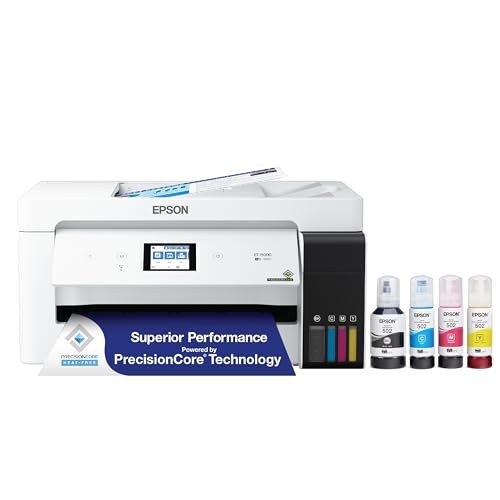
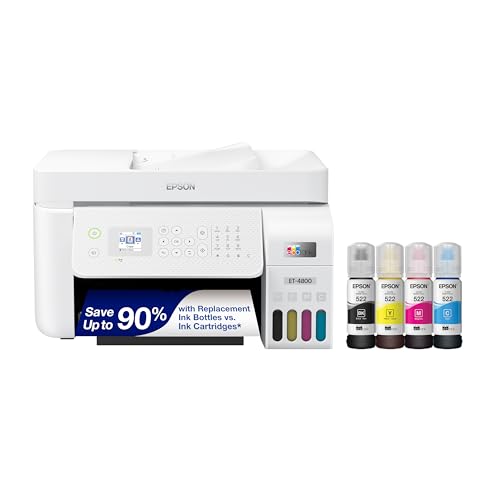
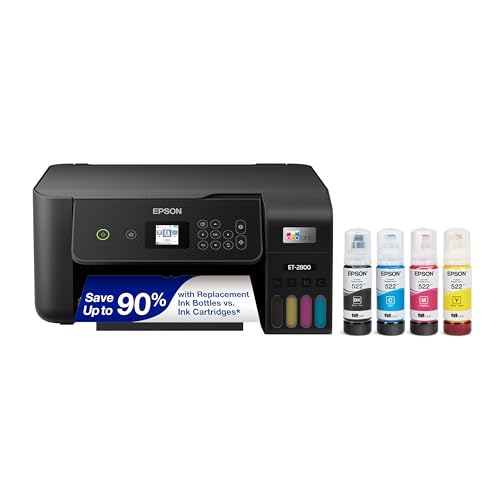
Commercial Digital Printers 101: The Basics
A commercial digital printer turns files from a computer, phone, or network drive into printed pages at a pace and volume meant for business, not occasional home use. Digital printing needs no plates or screens, so every page can differ from the last, which is why offices use these machines for invoices, reports, labels, and marketing pieces alike.
Three numbers frame the basics. Speed is measured in pages per minute, resolution in DPI or dots per inch, and stamina in a monthly duty cycle that states how many pages the machine is built to handle. Around those numbers sit the paper trays, the ink or toner system, and the connections, usually WiFi, Ethernet, and USB, that let a whole team share one machine.
If your needs turn out to be lighter than business volume, our guide to the best digital printers covers smaller machines for home desks. The best commercial digital printers earn their higher price through stronger parts, larger trays, and supplies that cost less per page over time.
Key Specs Explained in Plain English
Printer Type: Laser, Inkjet, and Tank Models
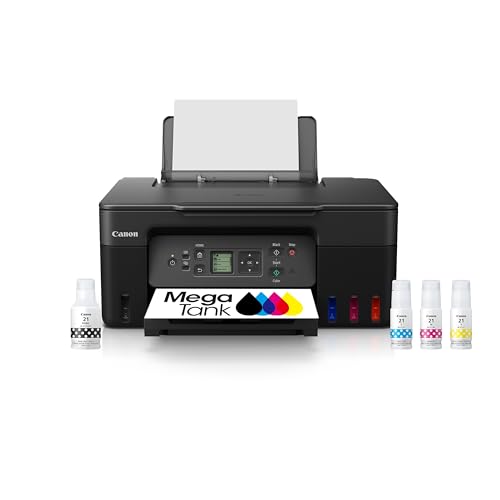
Inkjet printers spray liquid ink and shine at color photos and smooth graphics, though standard cartridges can get pricey at volume. Laser printers fuse toner powder and deliver fast, crisp text that never smears, making them office favorites for documents. Tank printers are inkjets with refillable ink reservoirs, and they slash the cost of high volume color printing. Whichever type you pick, choose a business class model with a stated monthly volume well above your real needs.
Print Quality and Resolution
Resolution is stated in DPI, and more dots per inch generally means sharper edges and finer detail. For office text and graphics, about 600 by 600 DPI already looks clean, while photo work benefits from 1,200 DPI and above. Keep in mind that manufacturers quote maximum figures, and the default print mode you actually use daily may run lower to save time and ink.
Judge quality with your own sample page whenever possible. Print one page with small text, a chart, and a photo, because that single sheet reveals more than any spec sheet about how a machine handles mixed work. Check that thin lines stay sharp, solid fills look even, and black text does not feather on your usual paper.
Ease of Setup and Calibration
A good commercial machine should go from box to first page in under an hour. Clear setup wizards, automatic network detection, and labeled supply compartments all help. Printers that calibrate their own color and alignment on a schedule save office staff from chasing faded or skewed pages, so look for automatic calibration in the feature list.
The practical question for ease of setup is simple: can a new employee load paper, clear a jam, and change toner using only the on screen prompts? If yes, the design team did its job. Also check how the printer joins the network, since a clear guided setup saves an hour of fiddling on every new machine you add.
Paper Handling and Duplex
Paper handling starts with tray capacity. A 250 sheet main tray is a sensible office minimum, and larger or extra trays mean fewer refills during big jobs. Automatic duplex printing, which prints on both sides without manual flipping, cuts paper costs and gives reports a professional feel. An automatic document feeder on multifunction models speeds scanning and copying of long documents.
Check supported paper sizes and weights too, especially if you print envelopes, labels, or card stock for mailings. A multipurpose slot keeps those jobs from emptying the main tray, and a straight paper path handles heavier stock with fewer jams. For document buyers, tray capacity and media range are the numbers that shape daily convenience.
Footprint and Noise
Commercial printers are bigger than home models, so measure the intended spot before ordering and leave clearance for opening lids, pulling out trays, and reaching cables. Depth grows when a rear tray or duplex unit is in use. Weight matters as well if the printer will live on a shelf or a rolling cart rather than a dedicated stand.
Noise is easy to overlook until the machine sits beside a desk. Laser models produce fan noise in short bursts, inkjets run quieter but slower, and tank models sit between the two. A quiet or night mode trades speed for lower volume, which is a fair deal in a small office where people take phone calls within earshot of the printer.
Cost per Page and Supply Costs
Cost per page decides what a printer truly costs over its life. Divide a cartridge, toner, or ink bottle price by its rated page yield to get the figure, then add paper. High yield supplies cost more upfront but almost always lower the per page result, and tank systems usually post the lowest numbers of all for color work.
Watch for starter supplies in the box, which are often partially filled and run out sooner than expected. Budget for the first full replacement set when you buy. Subscription ink plans suit steady volumes, while pay as you go buying suits irregular printing. Over a year, the supply line usually costs more than the printer itself, so give it real weight.
Rookie Mistakes to Avoid
- Choosing by purchase price alone. A cheap machine with costly supplies outspends a pricier model within a year at office volumes, so compare cost per page first.
- Ignoring the duty cycle. Running a light machine at its maximum every month wears it out early. Buy headroom, not just enough.
- Forgetting to measure the space. Commercial units are deep and heavy, and a printer that blocks a walkway or crowds a desk gets resented fast.
- Skipping network setup planning. Decide where the printer lives on your network and who manages it before it arrives, or the first week turns into connection chaos.
- Buying features the office never uses. Fax hardware and oversized finishing options add cost and complexity, so match the feature list to real weekly tasks.
Getting Started: Setup and First Use
Unpack the printer, remove every strip of packing tape and protective insert, and place it on a stable surface near power and network access. Load paper, install the starter supplies following the on screen guide, and connect the machine to your network before installing drivers on each computer. Print the built in alignment pages first, since they confirm the machine survived shipping in good shape.
Two habits protect your first months. Print at least one page every week, because inkjet nozzles clog when ink dries in them during long idle stretches.
Use genuine or reputable ink and toner from the start, since poor supplies cause streaks and leaks that look like machine faults. Finish by setting the correct paper size and type in the driver, a small step that prevents most early print quality complaints. For a wider view of business models, see our guide to the best commercial printers.
Frequently Asked Questions
How many pages a month should a commercial printer handle?
Look at the recommended monthly volume rather than the maximum duty cycle. The maximum is a ceiling the machine can survive occasionally, while the recommended range is where it runs comfortably year after year. A small office printing a few thousand pages a month should shop for a machine whose recommended range covers that number with room to grow, so toner changes and service calls stay rare.
What does cost per page mean?
Cost per page is the average supply cost of printing a single page, worked out by dividing the price of a cartridge, toner, or ink refill by the number of pages it is rated to print. It matters because two machines with similar prices can differ by several cents per page, which becomes hundreds of dollars across a year of office use. Always compare this figure using high yield supplies for a fair picture.
Inkjet or laser: which is cheaper long term?
Laser is usually cheaper long term for offices that print mostly text, because toner yields are high and toner never dries out during quiet weeks. Tank inkjets can undercut laser for color heavy workloads, while cartridge inkjets are normally the most expensive way to print at volume. Electricity use slightly favors inkjet, but supply costs dominate the comparison, so your mix of text pages and color pages decides the winner.
Are ink tank printers worth it?
Ink tank printers are worth it when your office prints color regularly, because bottled ink costs a fraction of cartridge ink per page and the higher purchase price pays back quickly. They also reduce waste and the frustration of cartridges dying mid job. They make less sense for very light printing, where any inkjet risks clogging during long idle gaps. Photo focused buyers can compare output quality notes in our guide to the best printers for digital photos.
Final Thoughts
Put monthly volume, cost per page, and paper handling at the top of your list and most other choices fall into place. The product table above gathers those figures for current models so a first time buyer can compare without a spreadsheet. Choose the machine that fits your real workload with room to spare, and you will have one of the best commercial digital printers quietly supporting your office for years.