
Best Commercial Chest Freezers: A Buyer Checklist for 2026
Disclosure: We may earn a commission when you buy through links on this page, at no extra cost to you. As an Amazon Associate I earn from qualifying purchases. Learn more

Choose the best commercial chest freezers with a checklist on capacity, temperature control, locks, energy use and warranty coverage.
A busy kitchen cannot afford a freezer that warms up during service or leaves staff digging through loose bags to find one item. Choosing the best commercial chest freezers starts with a clear checklist that covers usable capacity in cubic feet, steady holding temperatures, a tight lid seal, and a warranty that truly covers business use. This guide walks through each point in plain language so you can match a unit to your menu and your floor space.
Use the comparison table below to line up sizes and key numbers side by side. Then read on for the details that listings leave out, from lid style and locks to defrost routines and the placement clearances that shape daily work.


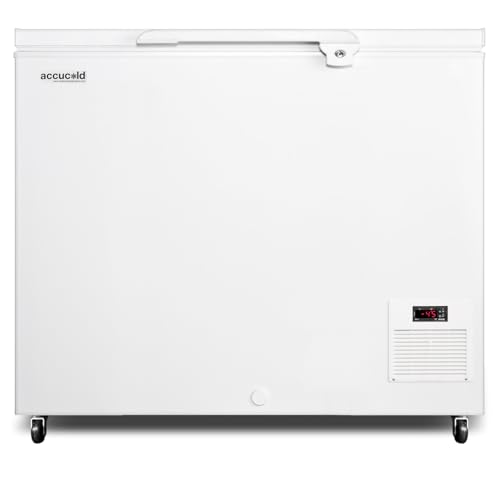

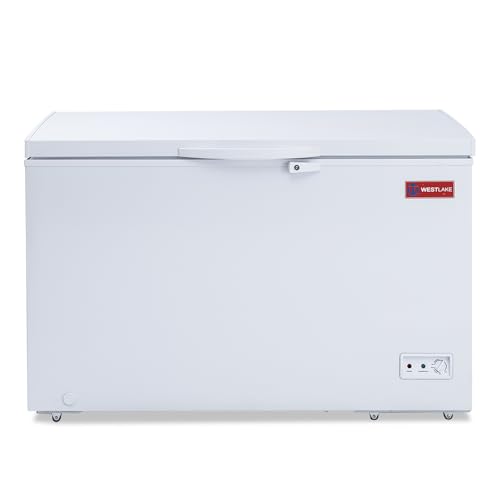


Who Should Buy the Best Commercial Chest Freezers?
A commercial chest freezer is built for daily business use, with stronger compressors, thicker insulation, and service support that home models rarely match. If you only need extra storage at home, see our guide to the best chest freezers for home for smaller and simpler options. The groups below get the most value from a true commercial unit.
Restaurants, Cafes, and Bakeries
Food service kitchens store proteins, sauces, dough, and prepared items in bulk, often through several deliveries each week. A chest layout keeps cold air inside when the lid opens, which helps during a rush when staff reach in often. Look for interior room for full sheet pans or stacked bins, plus a lock if the kitchen is shared or open to delivery drivers.
Grocery, Convenience, and Ice Cream Shops
Retail stores need frozen goods to stay presentable and easy to count at a glance. A glass lid model lets customers or staff see stock without lifting the lid and letting cold air spill out. If your floor space is tight, see our guide to the best compact chest freezers for smaller footprints that still hold a useful amount of product.
Caterers, Commissaries, and Institutions
Caterers and central kitchens buy in large cases and hold them for days or weeks at a time. For this kind of volume, a wide chest with sturdy casters matters, since a loaded unit is far too heavy to drag across the floor. Schools, care facilities, and workplace cafeterias also value a lockable lid and simple controls that any staff member can check at a glance.
How to Evaluate Commercial Chest Freezers
The checklist below is a set of factors to apply to every model in the product table above. If floor level access is a problem for your team, compare the tradeoffs in our guide to the best commercial upright freezers before you commit to a chest layout. Each factor explains what to look for and what counts as a weak sign.
Capacity in Cubic Feet and Usable Space
Capacity is listed in cubic feet, but usable space depends on the shape of the interior walls and the size of the compressor step at one end. A rough planning rule is to allow about 1.5 to 2 cubic feet for each case of bulk product you hold at peak stock. Measure your largest boxes and bins before you order, since a wide case that cannot lie flat wastes more room than the listing suggests. Baskets help, but deep open space suits large items best.
Temperature Performance and Controls
A commercial unit should hold food at about 0 degrees Fahrenheit or colder, even when the lid opens many times a day. Look for an adjustable control with a clear dial or digital display, and check whether the stated range reaches cold enough for ice cream, which needs firmer holding temperatures than meat or vegetables. A simple external thermometer is a smart backup, since it lets staff confirm the reading without lifting the lid and warming the interior.
Lid Style, Gasket Seal, and Insulation
Solid lids insulate best and suit back room storage, while glass lids trade a little insulation for visibility in customer areas. Whichever style you choose, the gasket around the lid must sit flat and compress evenly, because a warped seal leaks cold air all day and forces the compressor to run longer. Thick foam insulation in the walls and lid slows warming during a power outage, which gives you more time to protect stock.
Commercial Build, Certification, and Warranty
Check for a recognized safety and sanitation listing, such as ETL or UL, and confirm that the listing covers commercial food storage. Hinges should feel heavy and close without side play, and the interior liner should be smooth enough to wipe clean after a spill. Read the warranty terms closely, since some brands cover parts for home use but limit coverage for business sites. A compressor warranty of several years is a good sign of build quality.
Energy Use and Running Costs
A chest freezer runs all day and all night, so small differences in energy use add up over a year. Compare the estimated yearly kilowatt hour figures on the energy guide label, and favor models with an ENERGY STAR rating when your budget allows. Placement matters too, since a unit pushed into a hot corner near ovens works harder than one in a cool and ventilated spot. A tight lid seal, covered above, is the other big factor in running cost.
Locks, Casters, Baskets, and Daily Handling
A built in lock protects valuable stock and helps meet food safety rules in shared spaces. Casters make cleaning behind and under the unit far easier, but at least two should lock so the freezer stays put when staff lean on the lid. Removable baskets keep small items near the top where they are easy to grab, and they lift out for cleaning. A drain plug at the base also matters, since it makes manual defrosting much less messy.
Sizing and Placement Guidance
Before you order, measure the full path from the delivery door to the final spot, including hallway turns and door widths with the trim in place. Leave about 2 to 3 inches of open space around the sides and back so air can move across the condenser, and confirm the lid can open fully without hitting shelves or pipes above it. A level floor keeps the lid seal aligned and stops the unit from rocking when loaded.
Think about the room temperature where the freezer will sit. Many commercial units are rated for indoor use in a controlled space, so a hot storeroom can strain the compressor and raise food temperatures. If your storage area swings with the seasons like a garage does, see our guide to the best small chest freezers for garage use to understand ambient temperature ratings before you buy. Choosing a garage ready model for that kind of space protects both the food and the compressor.
Plan the electrical side at the same time. Most commercial chest freezers need a standard grounded outlet within reach of the cord, and makers warn against extension cords for a unit that runs without pause. A dedicated circuit is the safest setup, since a shared circuit that trips overnight can spoil a full load of food before anyone notices in the morning.
Quick Buyer Checklist
Run through these questions before you order, and treat any no answer as a reason to keep looking.
- Does the interior fit your largest boxes and bins with room to spare?
- Can the unit hold about 0 degrees Fahrenheit through a busy day?
- Does it carry a recognized listing for commercial food storage?
- Does the warranty clearly cover use at a business site?
- Is there a lock if the freezer sits in a shared or public area?
- Will the delivery path and final spot fit the unit with clearance?
- Is there a grounded outlet nearby on a circuit that can carry the load?
- Does the size match your peak stock without paying for empty space?
Red Flags to Watch For
Some warning signs show up right on the product page, long before a unit reaches your kitchen. Watch for these problems as you compare listings in the product table above.
- Vague temperature claims with no stated range, which makes it impossible to confirm the unit freezes hard enough for your food.
- No safety or sanitation listing at all, which can create problems with local health inspections and insurance.
- A warranty that excludes commercial use, even though the product name and photos suggest a business setting.
- A thin lid and a loose gasket on display photos, which point to steady cold air loss and higher power bills.
- No drain plug and no mention of defrosting, which means messy manual defrosts with buckets and towels.
- Seller reviews that repeat the same wording many times, which is a sign the feedback may not come from real buyers.
Tips to Get the Most From Your Commercial Chest Freezer
Keep the freezer at about 0 degrees Fahrenheit and check the reading at the start of each day until the routine becomes habit. Group food in labeled bins by type and date, and move older stock to the top each time a delivery arrives so it gets used first. Leave a little air space between items after loading, since packed and blocked walls slow the return to full cold.
Defrost the unit when frost on the walls reaches about a quarter inch thick, using the drain plug to empty melt water into a shallow pan. While the interior is empty, wipe the liner and the lid gasket with warm water and a mild soap, then dry both fully before you restart the unit. Vacuum dust from the condenser coils or grille twice a year if your model exposes them, since a coated coil makes the compressor work harder. Replace a gasket that stays flat or cracked, because that single part guards the seal for the whole cabinet.
Frequently Asked Questions
Can you use a commercial chest freezer in a garage?
Yes, you can use a commercial chest freezer in a garage if the model is rated for the temperature range your garage reaches. Many commercial units assume a climate controlled room, so check the stated ambient range in the manual before you buy. Also set the unit on a level spot away from direct sun, and leave room for warm air to escape around the cabinet.
What size commercial chest freezer does a small restaurant need?
Most small restaurants do well with about 10 to 16 cubic feet, which holds several bulk cases plus daily prep items. The right size depends on delivery frequency as much as menu size, since a kitchen with twice weekly deliveries can run a smaller unit than one that orders monthly. If you often run out of room before a delivery day, step up one size rather than packing food above the load line.
How much electricity does a commercial chest freezer use?
A commercial chest freezer typically uses about 300 to 600 kilowatt hours per year, with larger and glass lid models at the higher end. Your real figure depends on how often the lid opens, since each opening lets cold air out and warm air in. Keeping the freezer mostly full lowers the cost per item, because frozen food holds cold better than empty air space.
How long does a commercial chest freezer last in daily business use?
A commercial chest freezer in daily business use often lasts about 10 to 15 years when it is defrosted on schedule and kept in a ventilated spot. Hinges and lid gaskets usually wear first, so watch for a lid that no longer sits flat or frost that builds up fast near one corner. Replacing those small parts early can add years of service at modest cost.
Does a commercial chest freezer need a lock?
A commercial chest freezer needs a lock when it sits where customers, delivery drivers, or the public can reach it. Locks also help food service sites follow health rules about securing stored food. In a staff only kitchen a lock is optional, but it still helps during closing hours. If a model lacks a built in lock, ask the maker about an approved add on hasp before you drill into the cabinet yourself.
Final Thoughts
The right choice comes down to three things: enough usable cubic feet for your peak stock, a temperature system that holds steady through a busy day, and a build with the listing and warranty your business needs. Use the checklist above to score each option in the product table above, and let your delivery rhythm and floor space settle the final size. Chosen with care, the best commercial chest freezers will guard your inventory quietly for years while your team focuses on the food itself.


