
Best Chest Freezer for Your Home in 2026: A Buying Checklist
Disclosure: We may earn a commission when you buy through links on this page, at no extra cost to you. As an Amazon Associate I earn from qualifying purchases. Learn more
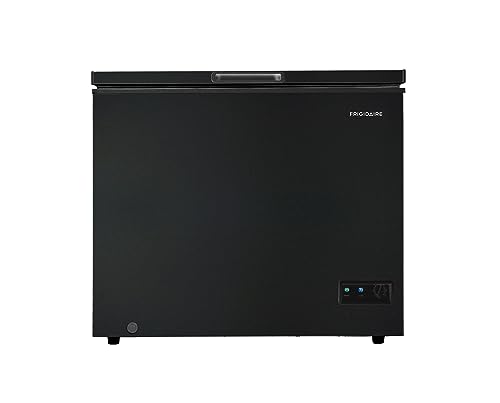
Match capacity, placement and defrost work to your home with this checklist for the best chest freezer.
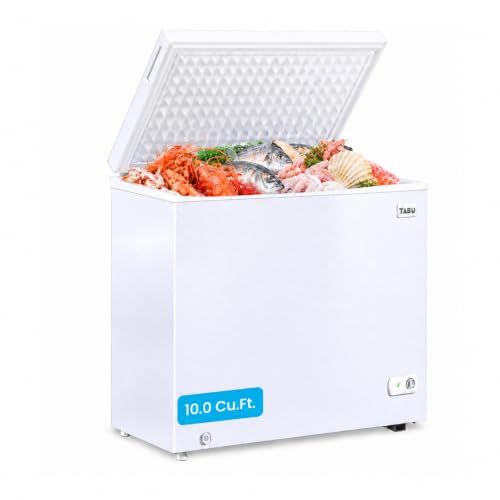
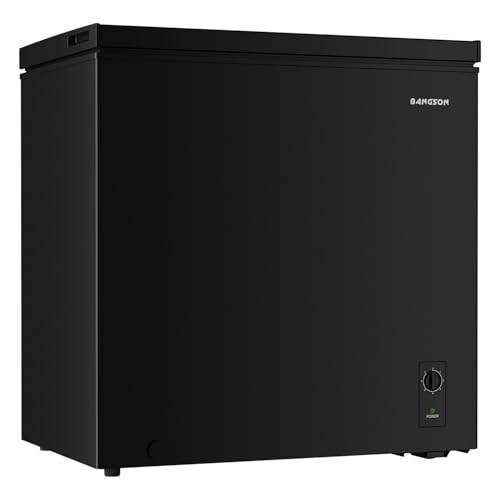
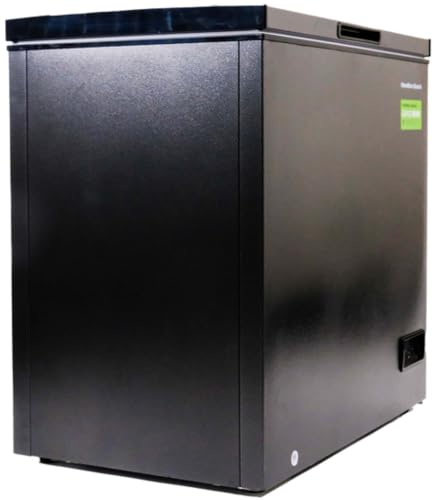
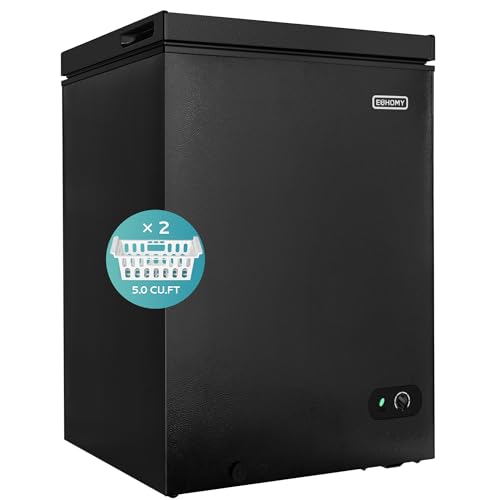
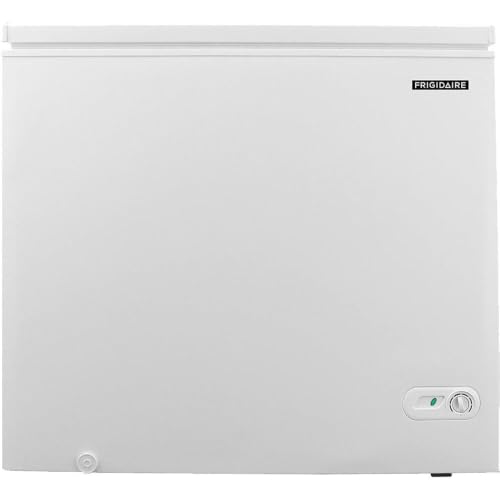
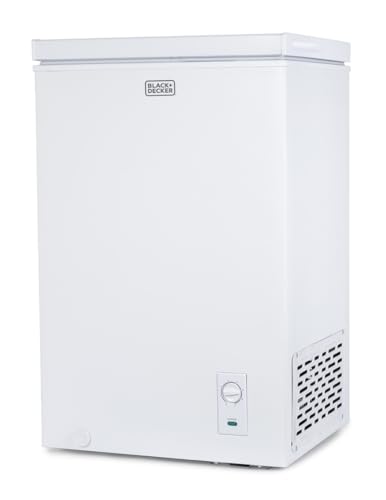
Your kitchen freezer is packed tight, a bulk grocery run is coming, and a season of garden produce needs a home. Choosing the best chest freezer comes down to three things you can settle before you shop: how much food you store, where the unit will sit, and how much defrost work you accept. The comparison table below lines up the key specs side by side so you can spot the right size class fast.
This guide walks through the full checklist in plain terms, from capacity and defrost type to garage ratings and running cost. By the end, you can read any listing and know within a minute whether it fits your home, your routine, and your budget.



Quick Answer: What Matters Most in 30 Seconds
Most households land happily with a 5 to 7 cubic foot model that costs about $200 to $400, uses manual defrost, and includes at least one removable basket. Measure your space first, including the delivery path and the room the lid needs to open fully. Then confirm the outlet, the floor surface, and the temperature range of the room where the freezer will live. Size drives price and running cost more than any feature, so getting capacity right matters more than chasing extras.
Before You Buy: A Quick Checklist for Choosing a Chest Freezer
Size: Match Capacity to Your Household
Capacity is measured in cubic feet, and a useful rule is about 1.5 to 2.5 cubic feet per person for overflow storage. Compact models around 3.5 cubic feet suit one or two people who buy frozen staples in modest amounts. A 5 cubic foot unit handles a small family well, and midsize models around 7 cubic feet fit families who shop warehouse clubs or freeze garden produce each season. Large models of 10 to 15 cubic feet serve hunters, large families, and anyone buying meat in bulk once or twice a year.
Which Type Fits Your Routine
Nearly every chest model uses manual defrost, which means ice builds slowly on the inner walls and you clear it once or twice a year. Manual defrost units cost less, use less energy, and hold temperature more steadily during a power outage.
Garage ready models keep working when the room swings from near freezing in winter to hot in summer, while standard models can stop cycling in a cold garage and let food soften. If your freezer will live outside the heated part of the house, treat that rating as a requirement. Convertible models that switch between fridge and freezer modes add flexibility, though most owners set them once and never change the mode again.
Features Worth Paying For and Ones to Skip
Removable baskets are the most useful feature in this category, because they lift small items out of the deep pile so you stop digging past frozen roasts to find a bag of peas. Two baskets beat one. An interior LED light sounds minor until you search a deep box in a dim garage, and a lid lock matters in homes with young children. A defrost drain turns a messy job into a simple one, since melt water flows out through a hose instead of being soaked up with towels.
An adjustable thermostat with clear markings helps you hold food at 0 degrees Fahrenheit, the target for long storage. You can usually skip smart connectivity and decorative finishes. One exception is a high temperature warning light or alarm, which can save a full load of food and earns its small cost.
Measurements and Compatibility With Your Setup
Measure the footprint, then measure again with the lid in mind. The lid swings up and back, so the unit needs clearance above and a little behind, and the open lid adds height that must fit under shelves or sloped ceilings. Leave about 2 to 3 inches of air space on the sides and back so compressor heat can escape. Check the delivery path too, noting the narrowest doorway, tight turns, and stair railings between the curb and the room.
Confirm the electrical side as well. A grounded outlet on its own circuit is ideal, and heavy extension cords are a poor long term answer. A level, hard floor protects the cabinet from rust and keeps the lid seal aligned.
Certifications and Safety Marks to Look For
Look for a recognized safety listing such as UL or ETL on the rating label, which confirms the unit passed an electrical and fire safety review for home use. An Energy Star badge means the model met federal efficiency targets, and the yellow Energy Guide label gives an estimated yearly running cost you can compare across models. These labels rest on a shared rating method, so they tell you more than marketing claims do.
Place the freezer where children cannot climb inside, and if an older unit is retired, remove its lid before disposal, since an airtight box is a real hazard to a hiding child. Plug it directly into a wall outlet rather than a power strip.
Setting It Up Yourself Versus Hiring Help
Most chest freezers need no true installation. You unbox the unit, let it stand upright for several hours if it traveled on its side, level it, and plug it in. Delivery services often include placement in the room of your choice, which is worth taking for large models that weigh well over 100 pounds when empty. Paid help makes sense if a doorway must come off its hinges or an old appliance needs hauling away. Budget about $50 to $150 for haul away or difficult placement when it is not bundled with delivery.
Realiztic Budget Ranges
Compact models under $200 cover basic overflow storage for small households, with one basket and simple controls. The crowded middle, about $200 to $500, is where most buyers should shop: you get 5 to 10 cubic feet, better insulation, a drain, and a lock. Spending about $500 to $800 moves you into large capacities of 14 cubic feet and up, sturdier lids, and longer warranties. Remember to budget a little beyond the sticker price for delivery and a few extra baskets or bins that make the deep space easier to manage.
Three Buying Profiles and What to Prioritize
Profile One: The Best Fit for Most Homes
Aim for a 5 to 7 cubic foot manual defrost model with two baskets, a drain, and a lid that stays open while you load groceries. This size swallows a warehouse club run without swallowing the room, and it keeps yearly energy cost modest. Shoppers comparing this class often look at our guide to the best 7 cu ft chest freezer to see how the larger end of the range is laid out. Prioritize insulation and a tight lid seal over small extras: press a dollar bill in the closed lid at several points, and firm resistance as you pull it out suggests a seal that holds cold air in.
Profile Two: The Best Value for Tight Budgets
Value here means cost per cubic foot, not the lowest sticker price. A slightly larger model on sale often beats a tiny one at full price once you divide cost by capacity. Compact units still make sense where space is the hard limit, and our guide to the best small chest freezer covers judging that class by footprint and basket layout. Skip convertible modes and smart features, but keep the drain and one basket on your list, and check the compressor warranty, since a longer term protects the part that costs the most to repair.
Profile Three: The Best Long Term Investment
Households that freeze a large share of their food should buy capacity and build quality first. A 10 to 15 cubic foot model with thick insulation and a strong lid hinge serves through years of bulk buying, and the deep box rewards bins grouped by food type plus a simple inventory list. A cool, dry indoor spot is gentler than a hot garage, though a rated model handles the garage when that is the only option. If your unit will live in an outbuilding, the guide to the best chest freezer for garage explains which temperature ratings matter most there.
Quick Guidance by Household and Space
Small apartments and couples do best with a compact model in a laundry corner or a wide closet with ventilation. Families of four to six usually settle on a midsize unit in the basement or garage, close enough to the kitchen for weekly transfers. Large families and bulk buyers should go straight to a large model and a bin system, since organization, not raw space, becomes the limiting factor.
Still deciding between formats? The comparison of chest freezer vs upright freezer walks through energy use, food visibility, and floor space for both designs.
Common Buying Mistakes to Avoid
- Guessing at size: buying too small leads to a second purchase within a year, so estimate your bulk storage honestly before you order.
- Skipping the doorway check: a freezer that cannot pass the basement door becomes an expensive return, so measure the full delivery path first.
- Placing a standard model in a cold garage: without a garage ready rating, the compressor may stop running in winter and food can thaw unnoticed.
- Ignoring the lid swing: shelves or a sloped ceiling above the unit can block the lid, making daily loading awkward for years.
- Overlooking running cost: an oversized unit can add real money to each power bill, so compare Energy Guide estimates before you buy.
Cost of Ownership and Care
A typical midsize chest freezer costs about $35 to $60 per year to run, based on Energy Guide estimates and average electricity rates. Keeping the box at least two thirds full helps it hold temperature, and frozen jugs of water can fill gaps while adding cold reserves during an outage. A full freezer keeps food safely cold for about 48 hours with the lid closed if the power fails, while a half full one holds for closer to 24 hours.
Care is simple. Defrost when frost reaches about a quarter inch thick, wipe the interior with a mild baking soda solution, and dry it fully before restarting. Our step by step guide on how to clean a chest freezer covers the full routine, including the drain and the lid gasket. Vacuum dust from the exterior vents once a year, and check the lid seal each season.
Your Questions, Answered
What makes a chest freezer brand reliable?
Reliability shows up in a long compressor warranty, a service network that can reach your area, and consistent owner reports across many model years. Brands with broad parts availability are easier to repair a decade from now, which matters more than launch year features. Ask local repair shops which brands they can service quickly, since that answer often predicts your ownership experience better than any rating chart.
How do you clean a chest freezer?
You clean a chest freezer by emptying it into coolers, unplugging it, letting frost melt, and wiping the interior with warm water and baking soda. Use the drain if your model has one, and dry every surface before restarting. Placing labeled bins while the box is still empty makes the next cleaning far easier.
Is a chest freezer worth buying for a typical home?
Yes, a chest freezer is worth it if you buy in bulk, garden, hunt, or meal prep, since savings on food usually repay the purchase within a couple of years. It also cuts food waste by giving leftovers and sale items a place to go. The honest exception is a household that rarely freezes beyond a week of groceries, where the fridge freezer alone is enough and the extra box would sit mostly empty.
How long does a chest freezer last?
A chest freezer typically lasts about 12 to 20 years, because the design has few moving parts beyond the compressor and no complex defrost system to fail. A cool, dry placement and clear vents both extend that span. One point owners often miss is that the lid gasket usually wears out first, and replacing that inexpensive part can restore efficiency years before the compressor gives up.
What size chest freezer does a family of four need?
A family of four usually needs about 6 to 10 cubic feet if the freezer holds bulk meat, batch cooking, and seasonal produce. Start near 7 cubic feet for regular warehouse club shopping, and go larger only for a deer, a side of beef, or a full garden harvest. Lay your typical bulk items out on a table before ordering, since seeing the pile in person is a surprisingly accurate way to judge the box you need.
Final Thoughts
The right choice is rarely mysterious once you measure your space, count your household, and decide how much defrost work you accept. Compare the product table above against your checklist, favor capacity and insulation over gadgets, and pick the size class you will still be happy with after your next bulk buy. Choose the best chest freezer for your home that way, and it will quietly save you money and food for many years.


