
Best Chest Freezers for Home: A Practical Buying Checklist for 2026
Disclosure: We may earn a commission when you buy through links on this page, at no extra cost to you. As an Amazon Associate I earn from qualifying purchases. Learn more

A checklist for the best chest freezers for home: capacity, temperature control, lid clearance, energy use and warranty.
A chest freezer looks simple, but the wrong size or placement can waste money, food, and floor space for years. This guide uses a clear checklist to help you judge the best chest freezers for home by capacity, cold holding power, energy use, and everyday access.
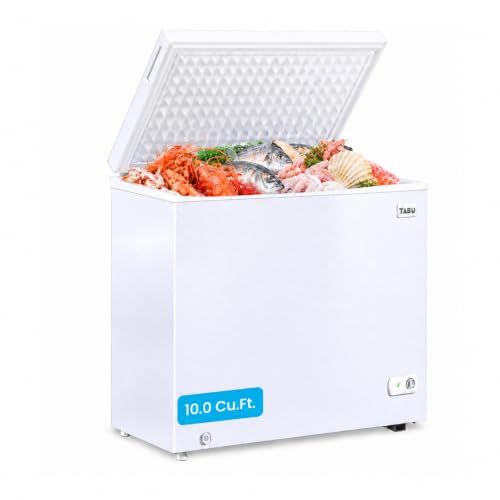
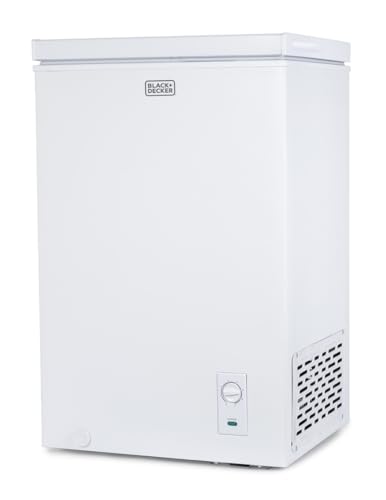
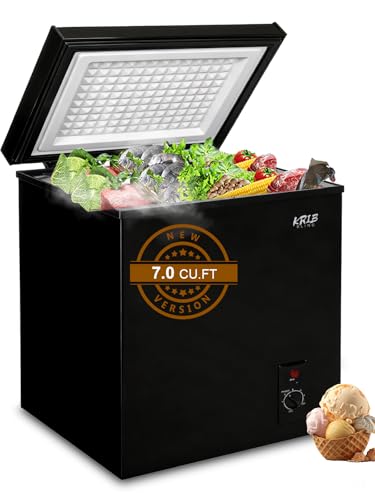
Start with how your household actually shops and cooks, then match the freezer to that pattern. The comparison table below gives a quick view of sizes and features, and the sections that follow explain how to read those details with confidence.

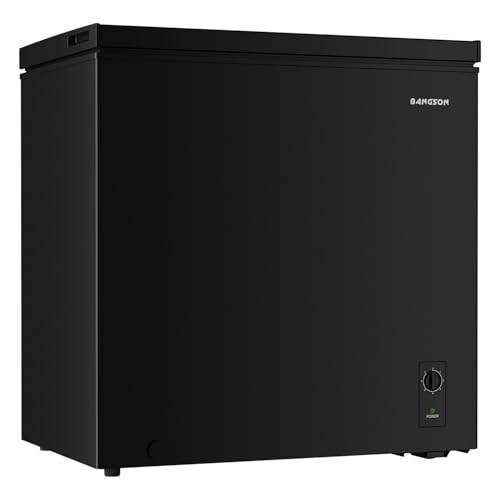
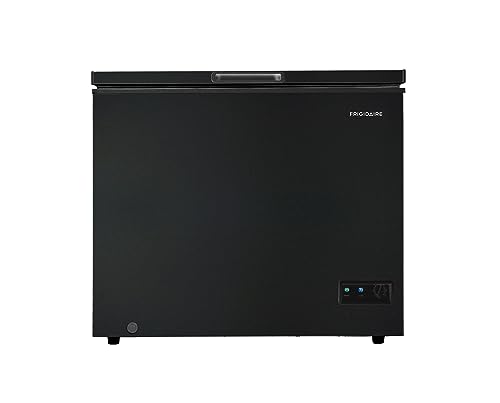
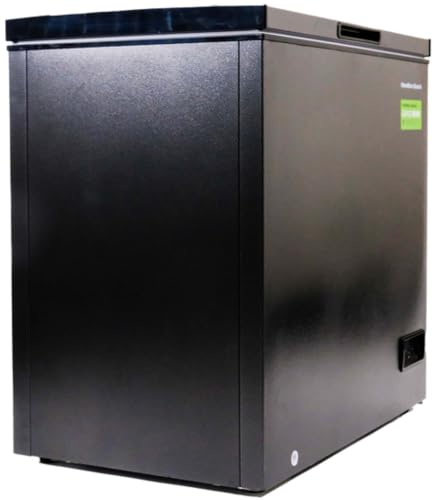
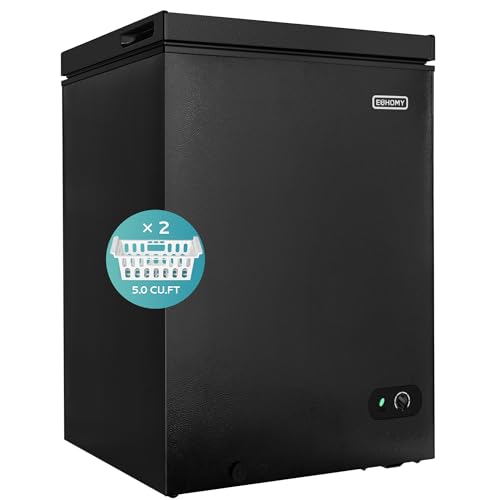


How to Evaluate Chest Freezers for Home Use
Some households need overflow space for a kitchen freezer that fills up fast. Others buy meat in bulk, store garden produce, or keep prepared meals for a busy season. Those different jobs explain why capacity alone never tells the whole story.
Score each model in the product table above on the points in this section, from temperature control to warranty coverage. If you are still deciding between freezer styles, see our guide to the best freezers for home for a broader view of your options.
Capacity and Household Size
Capacity is measured in cubic feet, and a common planning rule is about 1.5 to 2.5 cubic feet per person for overflow storage. Heavy bulk buyers may need more, while a single person storing soups and vegetables may need far less. Think in food volume too, because a whole turkey, pizza boxes, and bags of berries all pack very differently. An oversized freezer costs more to buy and run, while an undersized one fills within weeks.
Temperature Control and Consistent Cold
Your freezer should hold food at 0 degrees Fahrenheit or below, and the control should make that setting easy to find and keep. Many chest models use a simple dial, while others add a digital display and an alarm that sounds when the interior warms too much. Most home chest freezers offer one temperature zone rather than separate zones, which suits long term storage of mixed foods well.
Dimensions, Lid Clearance, and Floor Space
Measure the floor footprint, then measure again with the lid fully open in mind. The lid needs clear vertical space above the unit, and you need standing room in front so you can lift heavy items out without twisting. Note the width of every door, hallway, and stair turn on the delivery path. Leave a few inches around the sides and back for airflow, and check that the floor is level, since a rocking unit can strain its lid seal.
Energy Use and ENERGY STAR
Running cost matters because a chest freezer draws power every hour of every day. Look for the estimated yearly energy use on the label and compare models of similar size, since a larger box will naturally use more. An ENERGY STAR certified model meets efficiency standards for its class, giving you a useful baseline. Chest designs often use less energy than uprights of similar capacity because the top opening lid lets less cold escape when you open it.
Garage Ready Performance
A model described as garage ready is built to keep freezing across a wider range of room temperatures than a standard indoor unit. Garages swing from cold winter nights to hot summer afternoons, and those swings can confuse a basic thermostat or strain the compressor. Plan for a grounded outlet within reach, and avoid extension cords for a freezer. Keep the unit out of direct sun and away from standing water, and confirm interior temperatures with a small thermometer.
Baskets, Dividers, and Interior Layout
Organization decides whether a deep chest feels helpful or frustrating after the first month. Removable baskets keep small items near the top where you can reach them, and dividers can separate meat, vegetables, and ready meals into rough zones. An interior light sounds minor until you are searching a dim garage for one bag at the bottom.
Defrost Type, Reliability, and Warranty
Most chest freezers use manual defrost, which keeps costs down and temperatures steady but asks you to remove frost once or twice a year. A drain plug makes that job far easier, so check for one before you buy. For reliability, compare the length of coverage on the sealed system and compressor, not just the general parts warranty. Clear warranty terms and available service in your area matter more than extra dial features.
Matching Size and Setup to Your Household
The product table above lets you compare footprint and capacity together, which is the honest way to judge the best chest freezers for home against your space and your shopping habits. The three groups below cover most situations, plus one case where a different freezer style serves you better.
Small Households and Tight Spaces
If you live alone or as a couple, a compact freezer of about 3 to 5 cubic feet often covers overflow produce, batch cooked meals, and a modest meat supply. It can fit in a laundry room corner, a large pantry, or a basement nook. If space is your main limit, see our guide to the best compact chest freezers for models shaped around apartments and small rooms. Smaller homes benefit most from strict organization, since every inch counts.
Families Who Buy Groceries in Bulk
Families of three to five often land at about 7 to 10 cubic feet, enough for warehouse club trips, school lunch supplies, and a rotating stock of dinners. This size rewards a simple zone system, with one basket for daily items and deeper space for large cuts and bulk bags. Label packages with contents and dates so nothing hides for a year.
Large Households, Hunters, and Gardeners
Big households, hunters, and gardeners preserving a harvest may need about 14 cubic feet or more. At this size the unit is heavy and hard to move once loaded, so confirm that your floor, outlet, and delivery path can handle it. Buyers in this group often use the term deep freezer for the same style, so see our guide to the best deep freezers for home when comparing large options. Business scale users can see our guide to the best commercial chest freezers for that different class.
When an Upright Freezer Fits Better
A chest model is not the right answer for everyone. If bending and lifting from a deep box would be difficult, or if you strongly prefer shelves and door bins, an upright design may suit your daily habits better. Uprights often cost more to run, but easier access can mean less wasted food. If that trade off sounds right, see our guide to the best home upright freezers for a closer look at that style.
Quick Buyer Checklist
Run through these questions before you order, and pause on any answer that is no.
- Have you measured the floor space, open lid clearance, and every door on the delivery path?
- Does the capacity match your household size and your real shopping habits?
- Can the controls hold 0 degrees Fahrenheit, and would a display or alarm help you?
- Is the model garage ready if it will live in a garage or unheated space?
- Have you compared yearly energy use among models of a similar size?
- Do the baskets, light, or drain plug match how you will use the freezer weekly?
- Is the warranty on the sealed system long enough for the price you are paying?
- Is there a grounded outlet close by, with no extension cord in the plan?
Red Flags to Watch For
Some listings look appealing until you read them closely. Watch for these warning signs as you compare options.
- Vague capacity claims: a listing that avoids a clear cubic foot figure makes honest sizing almost impossible for buyers.
- No energy information: a missing yearly energy estimate suggests a seller who is skipping basic documentation.
- Very short warranty: brief compressor coverage leaves you exposed on the most costly repair a freezer can need.
- Unusually perfect reviews: a flood of short, glowing comments with no detail about placement or frost deserves skepticism.
- Unclear placement limits: a model sold for garage use with no stated temperature range may fail where you place it.
None of these signs alone proves a freezer is poor, but two or more together should move you to a different model. Trust documentation you can verify, such as a manual, an energy label, and written warranty terms.
How to Make Your Chest Freezer Last Longer
Keep the interior at 0 degrees Fahrenheit and check it with a simple freezer thermometer monthly. A setting that drifts upward shortens food storage life, while a far colder setting wastes energy without adding real protection.
Defrost a manual defrost model when frost builds to about a quarter inch thick, using the drain plug if your unit has one. Move food to coolers, unplug the unit, and let ice melt without chipping at it with sharp tools, which can puncture a cooling line.
Wipe the lid gasket with mild soap and water every few months, and test the seal by closing the lid on a dollar bill at several points. A gasket that no longer seals lets warm air in, which shows up as heavy frost near the lid.
Keep the exterior coils and the space around the unit free of dust so heat can escape.
Chest Freezer Questions Answered
What size chest freezer does a family of four need?
A family of four usually does well with about 7 to 10 cubic feet of chest freezer space. That range holds regular bulk shopping, frozen meals, and seasonal items without leaving large empty gaps. If your family buys whole animals or preserves a large garden, size up. If the kitchen freezer already handles daily items, the smaller end of the range may be plenty for you.
How long should a chest freezer for home use last?
A chest freezer for home use often lasts about 12 to 16 years with basic care. Steady temperatures, a clean gasket, and timely defrosting all support a longer service life. Placement matters too, since a unit in a hot garage faces more strain than one in a cool basement. When repair costs approach half the price of a comparable new model, replacement usually makes more sense.
Can a chest freezer run safely in a garage?
Yes, a chest freezer can run safely in a garage when the model is rated as garage ready for that temperature range. Place it on a dry, level surface, plug it into a grounded outlet, and keep it out of direct sun. Check the interior thermometer after the hottest and coldest weeks of the year. A model without a garage rating may stop freezing well during deep winter cold snaps.
How much electricity does a chest freezer use each year?
A chest freezer commonly uses about 200 to 400 kilowatt hours per year, depending on size, age, and room temperature. The energy label on each model gives the best estimate for that specific unit, so compare labels rather than guesses. Your cost is that usage multiplied by your local electricity rate. Keeping the lid seal tight and the freezer reasonably full helps you stay near the low end.
Is a manual defrost chest freezer a good choice?
Yes, a manual defrost chest freezer is a good choice for most homes, and it is the standard design for this style. Manual defrost models tend to hold steady temperatures and cost less to buy and run. The trade off is a defrosting session once or twice a year, which a drain plug makes much easier. If that chore would never happen, budget for easier frost management instead.
Final Thoughts
The right freezer fits your space, holds 0 degrees Fahrenheit without struggle, and matches how your household truly shops. Capacity, temperature control, and garage readiness deserve the most weight, with layout and warranty close behind. Use the product table above to compare your short list against those priorities once more.
Take your measurements, answer the checklist honestly, and you can choose the best chest freezers for home with confidence rather than guesswork. A well chosen chest freezer quietly protects hundreds of dollars of food, week after week, year after year.


