Best Boot Inserts for Work Boots in 2026: Which Type Is Right for You?
Disclosure: We may earn a commission when you buy through links on this page, at no extra cost to you. As an Amazon Associate I earn from qualifying purchases. Learn more

Compare the best boot inserts for work boots by arch support, cushioning, and fit to find the right type for long shifts on hard floors daily.
Standing on concrete for ten hours exposes every weakness in a factory boot liner, yet the insert aisle offers foam, gel, rigid support, and slim work models with little explanation of how they differ. Choosing the best boot inserts for work boots starts with matching the insert type to your arch, your boot volume, and the surface you work on. This guide compares each type side by side so the choice feels clear.
Use the comparison table below to scan the main types at a glance, then read on for the fit and support details that a table cannot show. The right insert can change how your feet feel at the end of a shift.



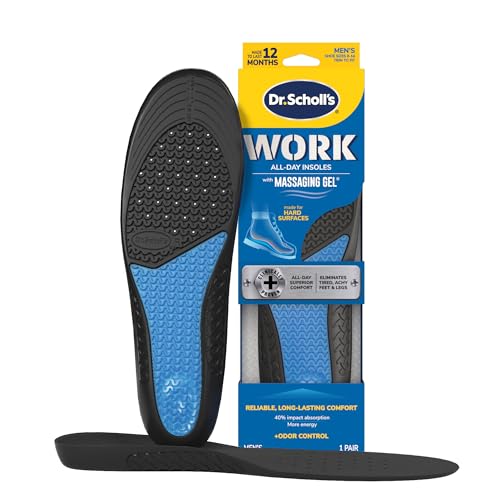
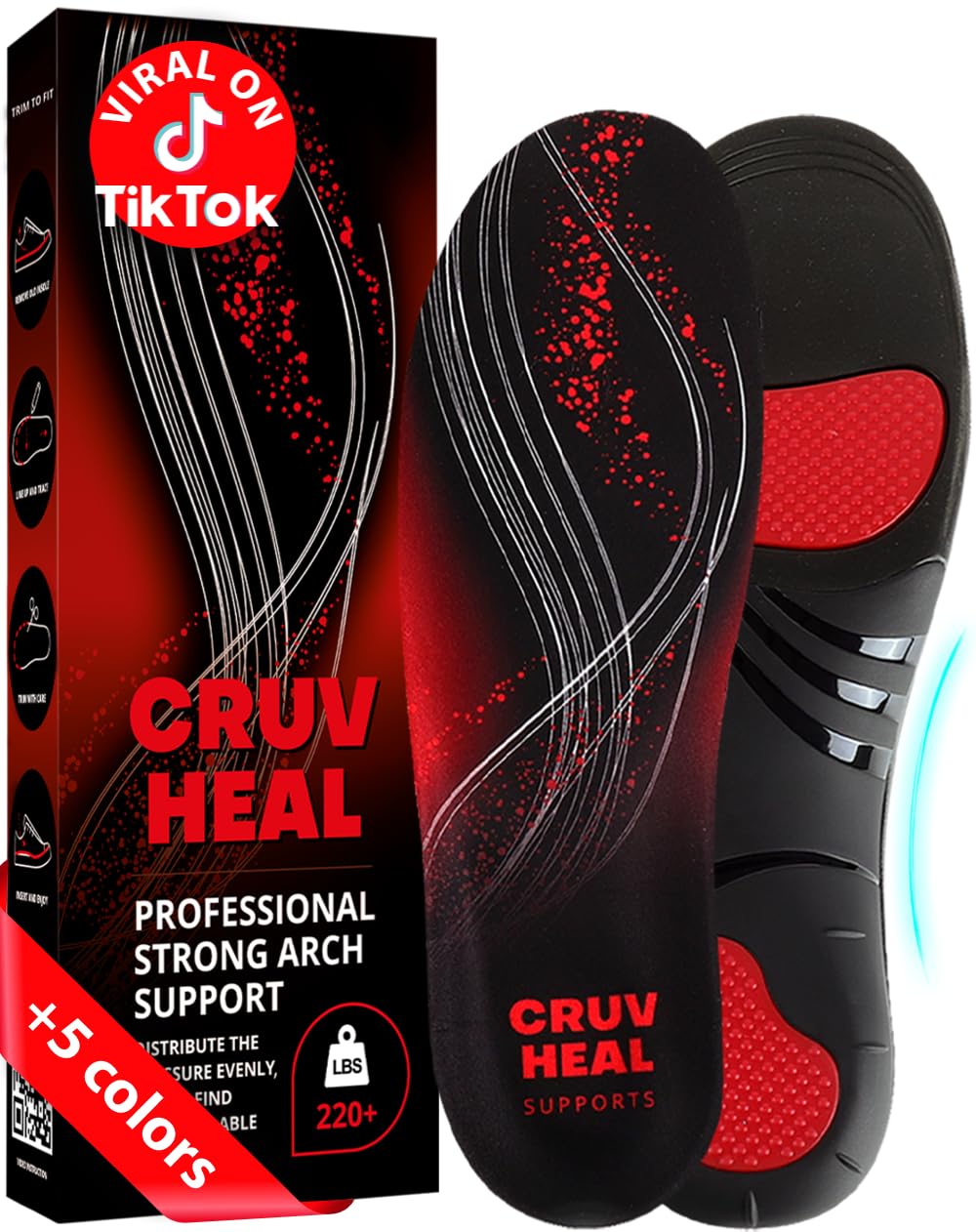

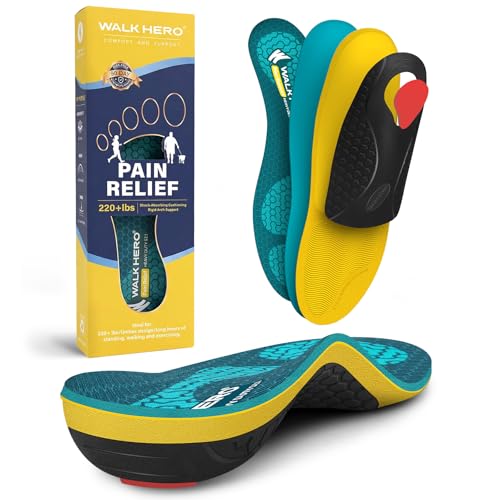
Types of Boot Inserts Compared
Boot inserts fall into three broad families, and the names on the packaging often blur them together. Cushioning models focus on softness underfoot, support models focus on holding the arch and heel in place, and gel models focus on absorbing impact at the heel and forefoot. Most work inserts blend two of these ideas, so judge the shape and firmness rather than the label.
Thickness is the first clue. Plush cushioning inserts are usually the thickest, support inserts are firm with a shaped arch and a deep heel cup, and gel inserts place soft pads inside a thinner foam base. The type you pick must match the room inside your boot as closely as it matches your feet.
Cushioning Inserts for All Day Comfort
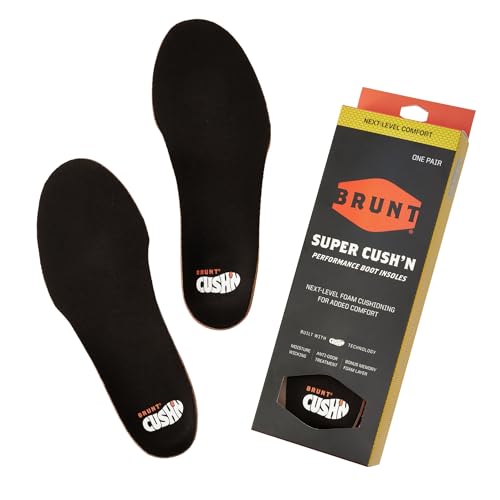
Cushioning inserts use foam layers to soften each step on concrete, tile, and warehouse floors. They suit workers whose feet feel sore and tired rather than unstable, and whose arches sit in a fairly neutral position. The foam spreads pressure across the whole foot, which helps when you stand in one place for long stretches at a bench or register.
The tradeoff is support. Soft foam compresses under body weight, so it offers little control if your ankles roll inward as you walk. Thick foam also takes up the most room, pressing the top of your foot against the laces, so choose a slim model if your boots already feel snug.
Arch Support and Stability Inserts
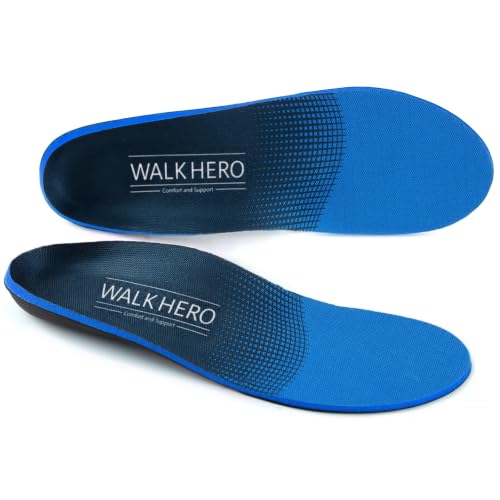
Support inserts add a firmer arch and a structured heel cup that cradles the back of the foot. This stability matters if your feet roll inward, a pattern often called overpronation, because the shaped arch resists that inward collapse with every step. Workers with flat feet often prefer this type.
Footwear follows the same logic. Neutral shoes and neutral feet usually pair well with plain cushioning, while stability and support shoes exist for feet that need guidance. If you want a closer look at options built around the footbed itself, see our guide to the best foot inserts for work boots for more detail on arch shapes.
Gel and Shock Absorbing Inserts
Gel inserts place soft pads under the heel and the ball of the foot, the two spots that strike hardest when you walk on unyielding floors. They suit workers who cover a lot of ground during a shift, such as delivery, hospital, and warehouse staff who feel impact soreness more than arch fatigue. The gel itself does not support the arch, so most gel models pair the pads with a foam base.
Gel adds weight, and a heavy insert can make a steel toe boot feel heavier still by the last hour of a shift. If impact is your main complaint, see our guide to the best gel inserts for work boots to compare how pad placement changes the feel.
Cushioning or Support: Which Type Should You Choose?
Start with how your feet feel at the end of the day. Soreness spread across the whole sole, with no ankle rolling or arch ache, points toward cushioning. A tired or aching arch, heels that drift inward, or knees that feel strained after long shifts point toward a support insert with a firmer shape.
Next, look at the wear pattern on your old boot liners and outsoles. Heavy wear along the inner edge of the heel suggests your feet roll inward and would benefit from stability. Even wear across the heel suggests a neutral stride, where cushioning alone is usually enough. This quick check costs nothing and tells you more than any marketing label.
Finally, consider your floor and your shift length. Gel earns its place when impact dominates, such as constant walking on sealed concrete. For mostly standing work, foam cushioning or support usually matters more, because standing loads the arch and heel steadily rather than in repeated strikes.
How to Choose the Right Boot Insert
Arch Support and Foot Type
Wet your foot and step on a piece of cardboard to see your arch shape. A full footprint with almost no curve along the inner edge means a low arch, a footprint with a narrow band means a high arch, and something between the two is a medium arch. Low arches usually need the firmest support, while high arches need cushioning that fills the space under the arch so pressure does not concentrate on the heel and forefoot.
Match the insert arch height to your footprint rather than buying the strongest support available. An arch that pushes up too hard feels like a lump underfoot and can cause new soreness within an hour. A good match feels present but not intrusive when you stand still.
Features That Matter Inside Work Boots
Work boots ask more of an insert than casual shoes do. A deep heel cup keeps the heel centered when you climb ladders or carry loads, and a firm heel area adds control on uneven ground. Look for a top cover that grips your sock lightly, since a sliding foot will bunch your socks and create friction blisters.
Moisture handling matters during long shifts. Perforations or a breathable top layer help sweat escape, which keeps feet drier inside waterproof boots with Gore Tex linings that already limit airflow. Thickness at the heel also changes heel to toe drop, the height difference between heel and forefoot. A much thicker heel insert raises your heel, which some workers like and others find strains the calf, so change thickness gradually.
Full length inserts replace the liner that came with the boot and support the foot from heel to toe. To compare that style against shorter options, see our guide to the best sole inserts for work boots.
Fit, Sizing, and the Toe Box
Remove the boot liner and stand on it, then place the new insert on top and compare the outlines. The insert should match the length and width closely, and most full length models can be trimmed along the toe end with scissors using the old liner as a template. Never trim the arch or heel area, because that shaping is what positions your foot correctly.
Check the fit with your work socks on, late in the day when your feet are at their largest. Your toes need room to spread inside the toe box, and the top of your foot should not press hard against the laces. If the boot feels tight everywhere, the insert is too thick for that boot, and a slimmer model is the honest fix.
An insert cannot rescue a boot that is already too short or too narrow, so sort the boot fit first. If you are still shopping for the boots themselves, see our guide to the best work boots before spending money on inserts to correct a sizing problem.
Weight and Flexibility
Inserts add ounces that you lift with every step, and over thousands of steps that weight adds up. Gel and thick foam models weigh the most, while slim foam and firm support models weigh less. Workers in heavy safety toe boots often prefer a lighter insert, even if it gives up a little softness.
Flex the insert in your hands before installing it. It should bend at the forefoot, roughly where your toes bend, and stay stiff through the arch. An insert that folds in half at the middle offers little real support, while one that will not bend at all can fight your stride on stairs and ladders.
Care and Maintenance Tips for Boot Inserts
Pull your inserts out after each shift and let them air dry overnight, away from direct heat such as radiators and boot dryers on high settings. Heat warps foam and can crack gel pads, so room temperature air is safer. Rotating two pairs lets each pair dry fully and recover its shape between shifts, which stretches the life of both.
Wash inserts by hand in cool water with mild soap when odor builds up, then air dry them completely before putting them back. Never machine wash or tumble dry them, because agitation and heat break down the layers. Check weekly for compressed spots and cracks along the arch, since those signs mean the insert is near the end of its useful life.
Frequently Asked Questions
What features matter most in boot inserts for work boots?
The features that matter most are a heel cup that holds the heel steady, arch support matched to your arch height, and a thickness your boot can actually fit. Beyond those three, look at the top cover texture, because a cover that grips your sock reduces sliding and friction on long shifts. Also check the trim lines printed on the toe end, which make sizing the insert to your boot much easier at home.
How long is the break in period for boot inserts?
The break in period for boot inserts is usually a few days to about two weeks, depending on how firm the arch is. Wear a new support insert for a few hours on the first day, then add time each day so your feet and calves adjust to the new shape. Mild arch awareness is normal early on, but sharp pain is not, and pain that grows each day means the arch height is wrong for your foot.
How should boot inserts fit inside work boots?
Boot inserts should fit flat against the boot bed with no curling at the edges and no gap at the heel. The heel of the insert should sit fully inside the heel cup area of the boot so it cannot slide forward as you walk. Walk around at home for several minutes before a shift, and pay attention to whether your heel lifts more than usual, which signals the insert has raised your foot too high.
Are expensive boot inserts worth the cost for work boots?
Expensive boot inserts are worth the cost when the extra money buys a firmer support structure, denser foam that resists flattening, and a more durable top cover. Price alone guarantees none of that, and some costly models are simply thicker foam. A practical test is lifespan, since an insert that holds its shape for a year can cost less per shift than a cheap one replaced every few months.
How often should you replace boot inserts for work boots?
You should replace boot inserts for work boots when the cushioning stays flat after a night of rest or the arch no longer feels supportive, which often happens after six to twelve months of daily wear. Heavy use, high body weight, and constant moisture shorten that span. A simple home check is to compare the used insert against a new one of the same style, side by side.
The Bottom Line
Choosing well comes down to three checks: match the type to your main complaint, match the arch to your footprint, and match the thickness to the room inside your boot. Get those three right and almost any well made insert will serve you through long shifts. Look back at the product table above to compare types side by side, and remember that the best boot inserts for work boots are the ones that fit your feet and your boots, not the ones with the longest feature list. If you are pairing inserts with a new pair of boots, see our guide to the best men's work boots for boot options that leave room for an insert.