
Best Comfy Slippers 2026 Buying Guide for Every Home
Disclosure: We may earn a commission when you buy through links on this page, at no extra cost to you. As an Amazon Associate I earn from qualifying purchases. Learn more

The best comfy slippers combine sole grip, warmth, support and easy care, whether your floors are tile, wood or carpet.
Good slippers make home feel warmer, quieter, and easier on tired feet. The wrong pair slips on smooth floors, overheats in summer, or flattens within weeks. This guide explains how to choose slippers for warmth, grip, support, and easy care, so your pair suits your home and your routine. The best comfy slippers are the ones matched to your floors, your season and your feet. The comparison table below sets out the main slipper styles, and the sections that follow explain what to check before you buy.


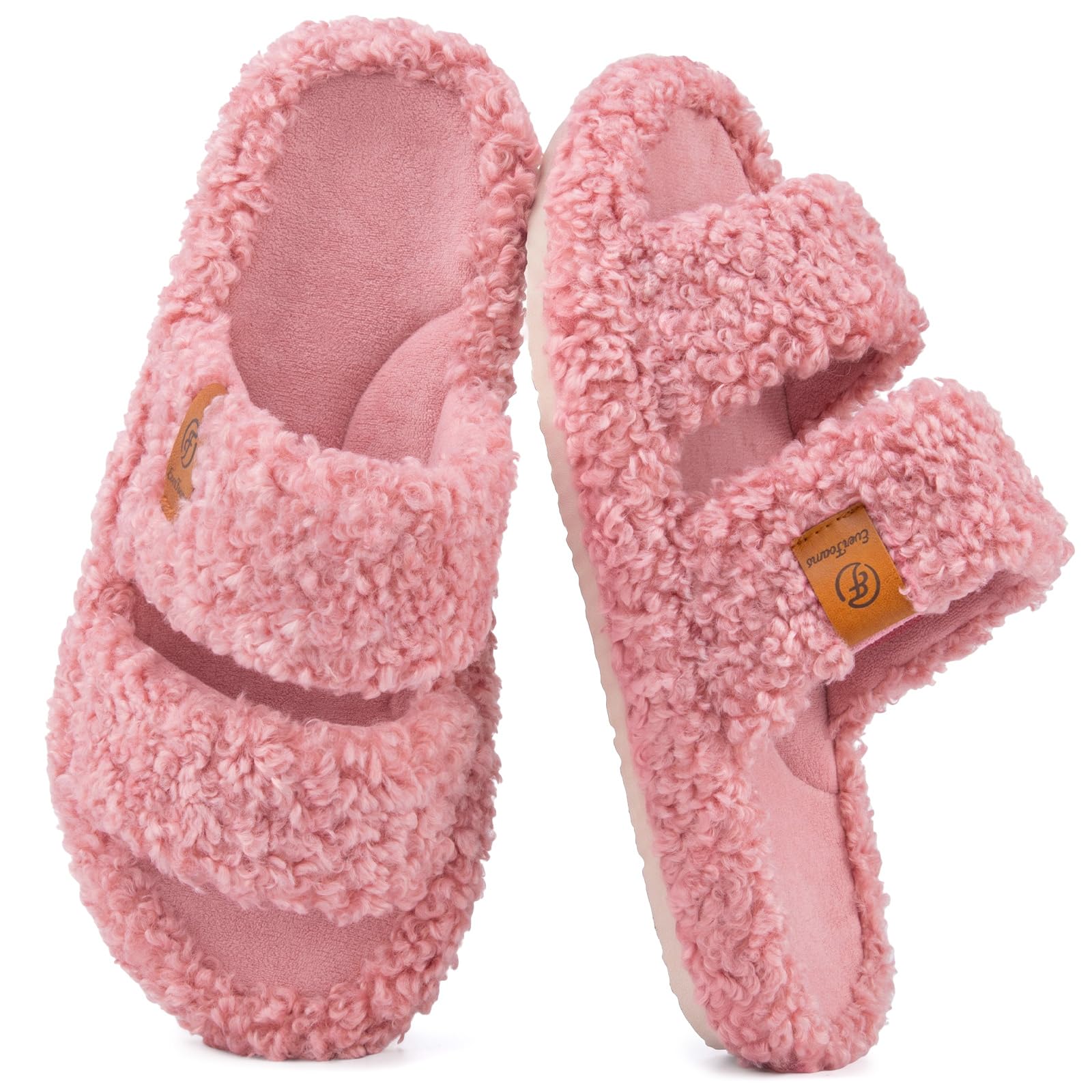


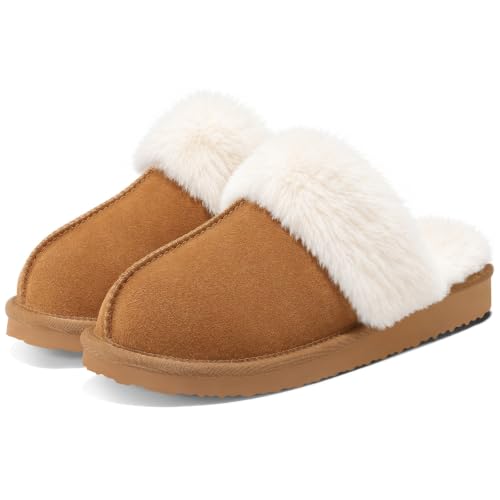

Who Should Buy Which Type of Comfy Slippers
For cold floors
Cold floors need a warm lining, a closed toe, and a sole that insulates from tiles and wood. Wool and fleece linings hold warmth, while a thicker sole keeps cold from seeping through. Choose a pair that stays warm without making feet sweat indoors.
For warm homes
Warm homes need breathable slippers that stay cool and dry. Open toes, cotton uppers, and light soles suit summer and heated rooms. A washable pair helps, since warm weather slippers are worn often and need frequent cleaning.
For people who stand a lot at home
People who cook, clean, or work standing at home need support, not just softness. A shaped footbed, a firm heel, and a grippy sole reduce tiredness and slips. Avoid very flat slippers for long standing, since they offer little arch support.
Key Features Explained
Sole grip and safety
Grip matters most on smooth floors. A rubber or textured sole grips tiles and wood, while a soft fabric sole can slide. Check the sole pattern and thickness, and try the pair on your own floors before relying on it. Good grip prevents falls, especially on stairs.
Warmth and breathability
Warmth should match your home and season. Thick linings suit winter, while cotton and open designs suit summer. A slipper that traps heat will feel clammy, so choose a lining that breathes. Removable linings help, since they can be washed and aired.
Support and footbed
Support keeps feet comfortable through long evenings at home. A contoured footbed supports the arch, and a firm heel cup steadies the foot. Flat, floppy slippers feel soft at first but tire the feet over time. If you have foot pain, choose support over extra softness.
Fit and ease of wear
Fit should be snug without squeezing, and the slipper should stay on without effort. Slip on styles suit quick trips to the door, while closed backs suit stairs and outdoor steps. Try slippers with the socks you wear at home, and check the size guide carefully.
Main Types Compared
Moccasin slippers
Moccasin slippers feel soft and flexible, with a cosy lining and a light sole. They suit relaxed evenings and carpeted homes. They may lack grip and support for hard floors, so check the sole before you buy.
Closed back house shoes
Closed back house shoes suit stairs, kitchens, and garden steps, with a secure heel and a sturdy sole. They stay on better than open backs and give more support. They take slightly longer to put on, but they are safer for active home use.
Open toe and summer slippers
Open toe slippers suit warm weather and quick wear, with breathable uppers and light soles. They keep feet cool and wash easily. They give less warmth and protection, so they suit summer and mild homes best.
Checks Before You Order
Before you buy, check the sole, the lining, and whether the pair is machine washable. Think about your floors, your season, and whether you step outside in them. A good slipper feels secure on your own floors, not just on a shop carpet. If the heel slips or the sole slides, choose another pair, since home falls happen fast.
Care and Long Term Use
Air slippers after use, wash them as the label allows, and replace insoles when they flatten. Keep outdoor use to a minimum unless the sole is made for it, since grit wears indoor soles quickly. Check stitching and sole bonding often, and replace slippers when grip fades or support collapses. Clean slippers last longer and smell fresher.
Mistakes Slipper Buyers Make
The most common mistake is buying on softness alone. A plush pile feels wonderful in the first minute, then packs flat within weeks and leaves a thin sole between your heel and a hard floor. Press the footbed and look at the sole before you look at the fur.
Another frequent error is ignoring the floor. A fabric sole that is fine on carpet turns slick on tile, and a heavy rubber sole can feel clumsy on a soft rug. Think about where you spend most of your time at home, then choose the sole for that surface.
Sizing causes a lot of returns. Foam and wool compress, so a snug first fit often relaxes, but a pair that squeezes your toes will not stretch enough to fix it. Between sizes, open back styles usually do better one size up, while closed styles should keep a small gap ahead of the longest toe.
Price is a poor guide on its own. A low priced pair can be perfectly good for light evening wear, but it rarely survives daily use on hard floors for more than a season. A higher priced pair is only worth it when the money buys a molded footbed, a rubber outsole and a lining you can wash.
Finally, many people wear one pair into the ground. Rotating two pairs lets foam recover and linings dry, and it makes the cost per month of comfort lower even if each pair costs a little more.
Matching Slippers to the Season
Winter pairs lean on wool, fleece or shearling linings and closed toes, which hold heat around cold feet. Summer pairs lean on cotton, terry or open toe designs that breathe. If your home swings between seasons, a mid weight closed back slipper with a removable lining covers the widest range.
Remember the climate inside the house as well as outside it. A heated apartment can make a thick fleece pair feel stifling in January, while an old house with bare floors may need the thickest sole you can find.
For a narrower choice, see best comfy slippers for men, best comfy women's slippers, best quality slippers, best slippers for women and best male slippers.
Frequently Asked Questions
What slippers are safest for smooth floors?
Choose slippers with a rubber or textured sole that grips tiles and polished wood. Try them on your own floors, including stairs, before daily use. Avoid smooth fabric soles for kitchens and bathrooms, where water makes floors slippery. Replace slippers as soon as the tread wears smooth.
Should slippers have arch support?
Arch support helps if you stand for long periods at home or have tired feet by evening. A gently shaped footbed supports the arch without feeling hard. Very flat slippers suit short wear but can tire feet over hours. If foot pain persists, talk with a clinician about support needs.
How do I keep slippers from smelling?
Air slippers after each use, wash them as the label allows, and wear clean socks when possible. Removable insoles help, since they can be washed or replaced separately. Keep a second pair to rotate, so each pair dries fully between uses. Baking soda inside the slipper overnight can freshen the lining.
Are machine washable slippers worth it?
Machine washable slippers suit homes with pets, children, or frequent spills, since they stay fresh with little effort. Check the label for temperature and drying guidance, and air dry when possible to protect the sole. Leather and suede slippers need gentler care and suit drier homes better.
When should I replace slippers?
Replace slippers when the sole loses grip, the footbed flattens, the lining mats down, or stitching comes loose. Worn slippers can slip and offer little support, even if they still look soft. Most daily pairs need replacing after many months of use. A fresh pair restores both comfort and safety.
Final Thoughts
The best slippers for your home balance warmth, grip, support, and easy care. Use the product table above to compare styles, then try your pair on your own floors. A secure, well fitting pair will make every evening at home more comfortable.
Weigh fit, grip, warmth and care together and the right pair becomes clear when you shop for the best comfy slippers. Pick the sole for your floors, the lining for your climate, and replace the pair once the support is gone.


