
Best Comfy Boots: Fit, Cushion and Traction Guide for 2026
Disclosure: We may earn a commission when you buy through links on this page, at no extra cost to you. As an Amazon Associate I earn from qualifying purchases. Learn more

Fit, cushioning, support, and traction: how to choose the best comfy boots for your day.
Comfort in a boot is not softness alone. A pair can feel plush in the store and still leave your heels sore by lunch if the fit, support or traction is wrong. The best comfy boots solve the whole day at once, and this guide turns that idea into a checklist to use before you study the comparison table below.
Start with how you actually spend your hours. Long shifts on concrete, wet commutes and muddy weekend walks each punish a different weak point. The sections below match your routine to fit, cushioning, support and uppers, so you buy for your real day.


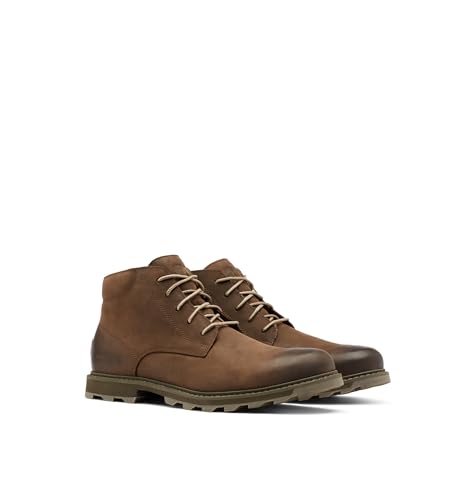
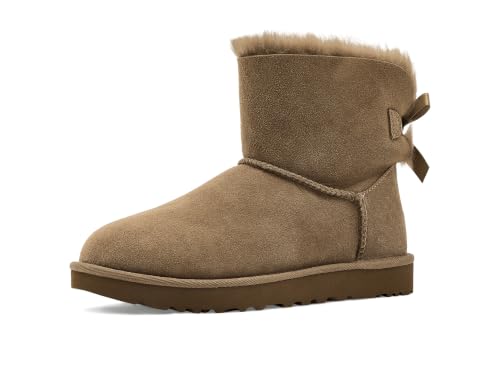


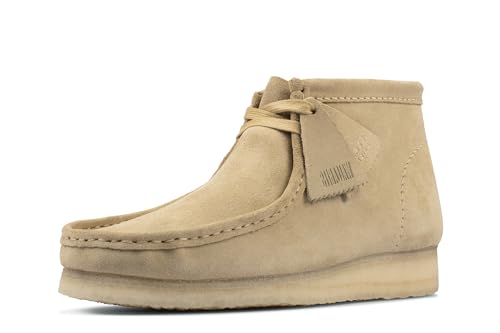
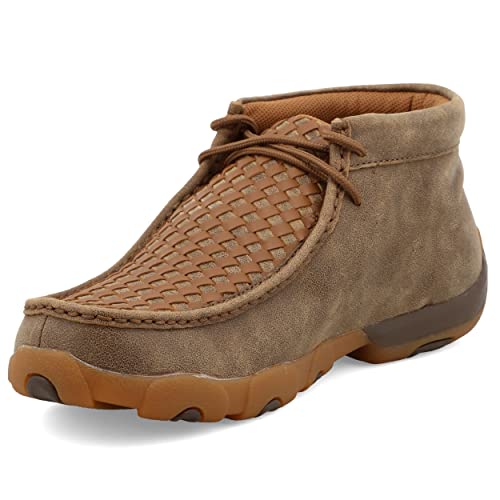

Who Should Buy Which Comfy Boots?
Pick by the day you repeat most often. Your floor surface, walking distance and weather point you to the right balance of cushioning and protection.
Long Shift Workers on Hard Floors
You stand, pivot and walk on concrete or tile for hours, so small pressure points grow into end of shift aches. Choose thick cushioning under heel and forefoot, firm arch support and a stable base that does not roll when you turn. Feet swell during a shift, so avoid a snug morning fit.
Daily Walkers and Commuters
You cover the same paved miles most days, often in changing weather and sometimes at a brisk pace. Choose a lighter boot with a flexible forefoot, so each step rolls forward instead of fighting the sole. Reliable grip on wet pavement matters more for you than deep trail lugs.
Travelers Who Split the Day Between Sitting and Walking
You may sit through a long drive or flight, then walk a new town for hours on uneven stone. Choose a boot that fits with thicker socks and packs without crushing. If much of your trip is seated, see our guide to the best comfy chairs so rest hours give tired legs a break.
Key Features to Compare
Compare these factors in the same order each time, so a low price cannot hide a boot that fits poorly or wears out fast.
Fit, Sizing, and Toe Box
Measure both feet late in the day, when they are at their largest, and shop with the socks you plan to wear. Your longest toe needs about a thumb width of space, and the toe box should let your toes lie flat and spread as you push off. The heel should stay put with only slight lift, because a loose heel rubs on every step. Between sizes, take the larger pair and adjust the fit with sock thickness rather than accepting a tight forefoot.
Cushioning and Arch Support
Cushioning absorbs the shock of each step, while arch support shares the load across the whole foot instead of leaving it on the heel and forefoot. Look for cushioning over a firmer base, because a sole that is soft all the way through lets your foot sink and tires the arch on long days. Persistent foot pain, numbness or swelling that does not fade after rest needs a medical professional, and you should talk with your clinician about personal needs.
Outsole Traction and Stability
The outsole is your only contact with wet tile, loose gravel and muddy grass, so its pattern and rubber matter. Shallow lugs of about 3 to 4 mm suit pavement and light paths, while deeper lugs of about 5 mm or more bite better in mud. A wide, flat heel area and firm sides add stability when you carry a load, and softer rubber grips smooth wet ground better, though it wears faster.
Upper Materials, Breathability, and Waterproofing
Leather uppers mold to your foot and resist scuffs, but they weigh more and dry slowly once soaked. Mesh and knit panels breathe well and feel light, yet they offer less protection against brush and cold rain. A waterproof membrane such as Gore Tex keeps outside water out in wet weather, though it also slows the escape of sweat on hot days. Choose waterproof boots for regular rain and puddles, and breathable uppers when heat is your main problem.
Weight, Flexibility, and Heel to Toe Drop
Boot weight adds up over thousands of steps, and a pair of comfy boots often weighs about 2 to 3.5 pounds. Lighter pairs suit paved walking and travel, while heavier pairs bring thicker soles and more protection for rough work. Heel to toe drop, the height difference between heel and forefoot, often runs about 4 to 12 mm here. A higher drop can ease heel strain, while a lower drop feels more level and stable for long standing.
Which Comfy Boot Style Fits Your Day?
Match the build below to your floor, weather and mileage, because the best comfy boots for one routine can be the wrong tool for another. Most pairs here cost about $80 to $200, with heavy duty waterproof and work styles reaching about $250.
Cushioned Ankle Boots for Paved Walking
These boots pair a padded midsole with a modest lug pattern, which suits city miles, school runs and light park paths. On hot, dry days when an ankle boot feels like too much, see our guide to the best comfy sandals for a cooler option.
Waterproof Boots for Wet Commutes and Muddy Trails
A sealed membrane, gusseted tongue and taller shaft keep splashes and shallow puddles out on days when arriving dry matters most. Deeper lugs help on mud and wet leaves, but they can feel clumsy on polished floors.
Supportive Work Boots for Standing and Carrying
Work oriented boots trade a little flexibility for a stiffer shank, tougher upper and a wider, steadier base. That build helps when you lift, carry or climb ladders, because the sole spreads pressure and resists twisting. Expect extra weight as the cost of the added protection.
Fit Questions to Ask With the Boots On Your Feet
Run through these questions with a pair on your feet, in your usual socks. A good candidate earns a yes on nearly every line.
- Can your toes spread flat without touching the toe box sides?
- Does your heel stay in place as you walk?
- Does the arch feel supported without a sharp pressure point?
- Can you flex the forefoot without the sole fighting back?
- Does the outsole grip a smooth floor without sliding?
- Is the upper right for your weather, wet or warm?
- Could you wear this pair for your longest usual day?
Common Mistakes to Avoid
These errors are easy to make in a shop, and each one shows up later at work or on the road.
- Buying your morning shoe size leaves no room when feet swell, so toes jam and ache by evening.
- Judging comfort by a soft first step ignores weak arch support, so long days end with strained feet.
- Choosing deep trail lugs for office floors makes steps feel clunky and can reduce grip on smooth tile.
- Trying boots on in thin dress socks gives a false fit, so the pair feels loose in your usual socks.
- Keeping a soaked pair by a heater cracks leather and warps glues, so boots age before their soles wear out.
How to Make Your Comfy Boots Last Longer
Brush off dirt after muddy wear, and wipe salt marks off with a damp cloth before they dry into the upper. Loosen the laces, pull out the footbeds and let the pair air dry at room temperature, away from direct heat. Stuffing the toes with plain paper helps a soaked pair hold its shape, and a fresh coat of water repellent is due when rain stops beading on the surface.
Rotate two pairs if you wear boots daily, because a rest day lets cushioning recover and hidden moisture escape. While a pair rests, slip into house footwear at home, and see our guide to the best comfy slippers if your floors are cold. Check laces and eyelets each month, and store clean, dry boots upright out of direct sun.
FAQ
Do I need waterproof comfy boots for daily wear?
No, you only need waterproof comfy boots if rain, slush or wet grass is a regular part of your routine. Sealed seams matter as much as the membrane, because water often enters where panels join rather than through the fabric itself. A breathable upper is the fresher choice for mostly dry, indoor commutes.
How often should I replace comfy boots worn every day?
Replace comfy boots when the tread looks smooth in the heel strike zone or the cushioning stays flat after a rest day. For daily wearers that point often arrives after about one to two years, though rough ground shortens it. Uneven wear on one side is another clear sign, because a tilted base changes how your leg lands.
How long is the break in period for comfy boots?
Most comfy boots feel close to final fit within about three to five short wears. Build up gradually, starting with an hour at home, then a short walk, before you trust a new pair with a full shift. Stiff leather styles take the longest, while knit and mesh uppers need almost no break in.
How should comfy boots fit at the toes and heel?
Comfy boots should hold the heel and midfoot snugly while the toes keep clear space ahead of them. Try a heel lock lacing pattern, where the top eyelets form a loop on each side, if your heel lifts on slopes. That change pulls the heel back into the cup without crushing the forefoot, a useful fix before you change sizes.
Can I wear comfy boots all day on hard floors?
Yes, you can wear comfy boots all day on hard floors if the cushioning sits over a firm, stable base. Short walking breaks help more than standing still, because moving restores blood flow to tired feet. If one area always aches by the same hour each day, swap in a firmer shaped footbed before you replace the boot.
Final Thoughts
Fit, cushioning with real support, and an outsole matched to your ground do more for comfort than any single soft material. Use the product table above to compare weight, height and price against the checklist.
When you shop for best comfy boots with those points in order, the right pair stands out fast. Buy for your longest, wettest or hardest day, and the easy days take care of themselves.


