Best Bedroom Slippers 2026: A Complete Buying Guide
Disclosure: We may earn a commission when you buy through links on this page, at no extra cost to you. As an Amazon Associate I earn from qualifying purchases. Learn more

Bedroom slippers should feel soft, warm, and safe on hard floors. Learn how to compare fit, soles, support, and washing before you buy a pair.
Bedroom slippers are the first thing your feet meet in the morning and the last thing they wear at night, so the best bedroom slippers feel soft, stay on without effort, and grip safely on hard floors. A poor pair can slip, flatten quickly, or feel hot and sweaty indoors.
This guide compares bedroom slippers by fit, sole, support, and care. The comparison table below gives a quick overview, and the sections that follow help you choose a pair for your floors, your feet, and your routine. Comfort at home should feel easy, not fussy.
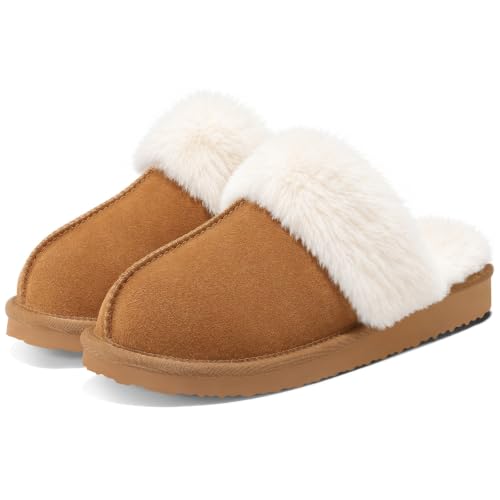

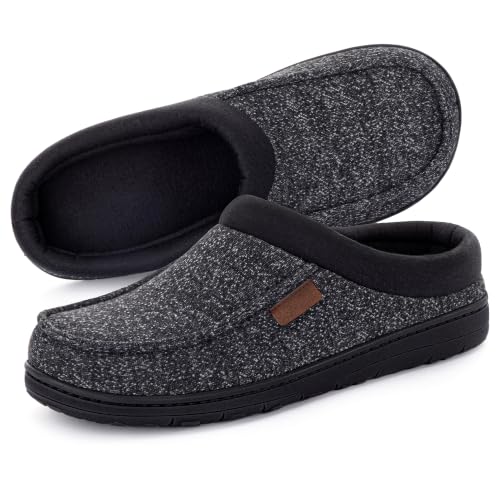


Who Should Buy
Bedroom slippers suit anyone who walks on cold or hard floors at home. They help people with cold feet, sensitive soles, or early morning stiffness. They also suit older adults who need a secure, easy slip on shoe for short trips around the house.
Think about your floors and how long you wear slippers each day. Hard floors need a grippy sole, while carpet suits a softer sole. If you wear slippers for hours, arch support and cushioning matter more than a very soft but flat design.
Slippers are less ideal for outdoor use, long walks, or wet areas unless they are made for those uses. Outdoor soles and water resistant materials are needed for garden or porch wear. Indoor slippers should stay indoors to keep soles clean and grippy.
Key Features to Compare
Fit is the most important feature. Slippers should stay on without squeezing toes or slipping at the heel. A snug but relaxed fit helps you walk safely, especially on stairs or smooth floors. If you wear thick socks, size with those socks in mind.
Sole type shapes safety and durability. A rubber or textured sole grips hard floors better than a smooth fabric sole. A low, stable sole also helps balance, while a very thick soft sole can feel unsteady. Check whether the sole is suitable for your floor type.
Support, warmth, and washing complete the choice. Light arch support helps during long wear, while breathable linings reduce sweat. Machine washable slippers are easier to keep fresh, but check whether washing changes fit or sole grip over time.
Types Compared
Open back slippers are easy to slip on and suit quick trips around the house. They feel airy and suit warm rooms, but they may slip off during longer wear. Closed back slippers stay on more securely and suit stairs and longer use.
Soft fabric slippers feel cozy and light, and they suit carpeted homes and mild weather. They may wear faster on hard floors, so check sole thickness before choosing them for daily hard floor use. Fleece and knit linings add warmth in winter.
Supportive slippers include a firmer footbed and a structured heel, which suit people who stand or walk at home for hours. They cost more than basic slippers, but they can reduce foot fatigue. Orthopedic styles suit people with foot pain, though they should not replace professional advice.
For gender specific fits, see our guides to the best women's bedroom slippers and the best bedroom slippers men's.
Living With Your Choice
Wear slippers only indoors to keep soles clean and grippy. Shake out linings and air them regularly, especially in warm weather. If they are washable, wash them as advised and dry them fully before wearing, since damp slippers can smell and lose shape.
Check soles for wear every few months. Smooth or cracked soles grip less well and can become a slip risk. Replace slippers when the footbed flattens, the heel collapses, or the sole no longer grips your floors safely.
If you need extra support, read our guides to the best orthopedic bedroom slippers and the best bedroom slippers for elderly.
Mistakes to Avoid
A common mistake is buying slippers a size too large for comfort. Loose slippers slip off and increase trip risk, especially on stairs. Another mistake is choosing a smooth sole for hard floors, which can slide on tile or wood.
Buyers also forget foot support for long wear. A very flat slipper may feel soft at first but tire feet by evening. Wear slippers at home on your own floors, and keep the packaging until you are sure of fit and grip.
A Final Check Before You Order
Before you order, check size guidance with socks, sole type, and washing care. Think about your floors, your daily wear time, and whether you need closed backs for stairs. Compare warmth for your climate, since a winter slipper may feel too hot in summer.
Use the product table above to shortlist pairs that fit securely and grip your floors. The best bedroom slippers feel soft, safe, and easy to wear from morning to night.
Getting the Most From Your Choice
Long term comfort from bedroom slippers depends on how the footbed holds up to daily wear, not only on first softness. A footbed that flattens in a month will feel hard and unsupportive, while a resilient footbed keeps its shape through a season of mornings. Check the footbed after a few weeks, and replace slippers when support fades rather than waiting for visible holes.
Seasonal needs change too, since winter slippers need warmth while summer slippers need breathability. A single pair used all year may feel too hot in summer or too thin in winter, so rotating two pairs by season often works better. Keep winter pairs clean and dry through summer storage, and air them before first autumn wear.
For households with stairs, slippers should be judged as safety equipment as well as comfort items. A secure heel, a grippy sole, and a low profile reduce trip risk on stairs and smooth landings. If you often carry laundry or a child on stairs, closed back slippers with a firm sole are worth the extra care in choosing.
Guests and family members may borrow slippers, so keep a spare pair in a common size for visitors. A clean spare pair avoids guests walking barefoot on cold floors and keeps your own pair fitting correctly. Wash guest pairs after use and store them dry for the next visitor.
Foot health at home deserves attention beyond softness, since slippers worn for hours affect posture, balance, and foot fatigue. A slipper with a stable heel and light arch support helps feet stay aligned during kitchen work, laundry, and other standing tasks. If you notice heel pain, toe numbness, or frequent tripping, check fit and sole grip first, then talk with your clinician about support needs rather than simply buying softer slippers.
People with diabetes or circulation problems should check feet regularly and choose slippers that do not rub or squeeze, since small pressure points can become serious problems. Comfortable slippers should support daily life safely, not merely feel pleasant for a few minutes.
Frequently Asked Questions
How should bedroom slippers fit?
Bedroom slippers should feel snug but relaxed, staying on your foot without squeezing toes or slipping at the heel. Try them with the socks you usually wear at home, and walk on hard floors and stairs if possible. A secure fit matters more than a loose, roomy feel, since loose slippers increase trip risk.
Are closed back slippers safer than open back slippers?
Closed back slippers usually stay on more securely, which helps on stairs and during longer wear around the house. Open back slippers are easier to slip on for quick trips, but they may slide off more easily. Choose closed backs if you wear slippers for hours or have balance concerns.
Can I wash bedroom slippers?
Many fabric slippers are machine washable, but you should always check the care label first, since heat and spinning can change fit or sole grip. Wash them on a gentle cycle and dry them fully before wearing. Slippers with leather or structured footbeds often need spot cleaning instead.
Do bedroom slippers need arch support?
Light arch support helps if you wear slippers for hours or stand at home for long periods, since it reduces foot fatigue. Short wear around the house may not need much support, and a soft flat slipper can feel fine. People with persistent foot pain should talk with their clinician about support needs.
When should I replace bedroom slippers?
Replace slippers when the footbed flattens, the heel collapses, the lining wears thin, or the sole no longer grips your floors. Worn soles are a safety issue on hard floors, even if the upper still looks fine. Check soles every few months, especially if you wear slippers daily.
Final Thoughts
Good bedroom slippers combine soft comfort with safe, secure wear, and the best bedroom slippers do it for years. Choose a fit that stays on, a sole that grips your floors, and support that suits your daily wear time. Small details in fit and sole make a big difference at home.
Review the product table above, then pick the pair that feels secure and comfortable on your own floors. The right slippers will make mornings and evenings feel calmer and cozier.