The Best Women's Slippers: Buying Guide and Top Picks
Disclosure: We may earn a commission when you buy through links on this page, at no extra cost to you. As an Amazon Associate I earn from qualifying purchases. Learn more

The best women's slippers for your routine: how to judge fit, linings, support and soles, plus three cozy picks.
A good pair of slippers is one of the small comforts that makes a home feel cozy. The right pair keeps your feet warm on cold floors, cushions every step around the kitchen and grips well enough that you can grab the mail without changing shoes. The wrong pair flattens in a month, slides on hardwood or traps sweat until your feet feel clammy. This guide to the best women's slippers explains what separates a pair you will reach for every evening from one that ends up at the back of the closet.
We start with three picks, then walk through the buying decisions that matter most: sizing, materials, comfort out of the box, arch support and sole traction. You will also find the main slipper styles, care tips that keep a pair looking fresh and answers to common questions. Every product mentioned is sold new on Amazon US.




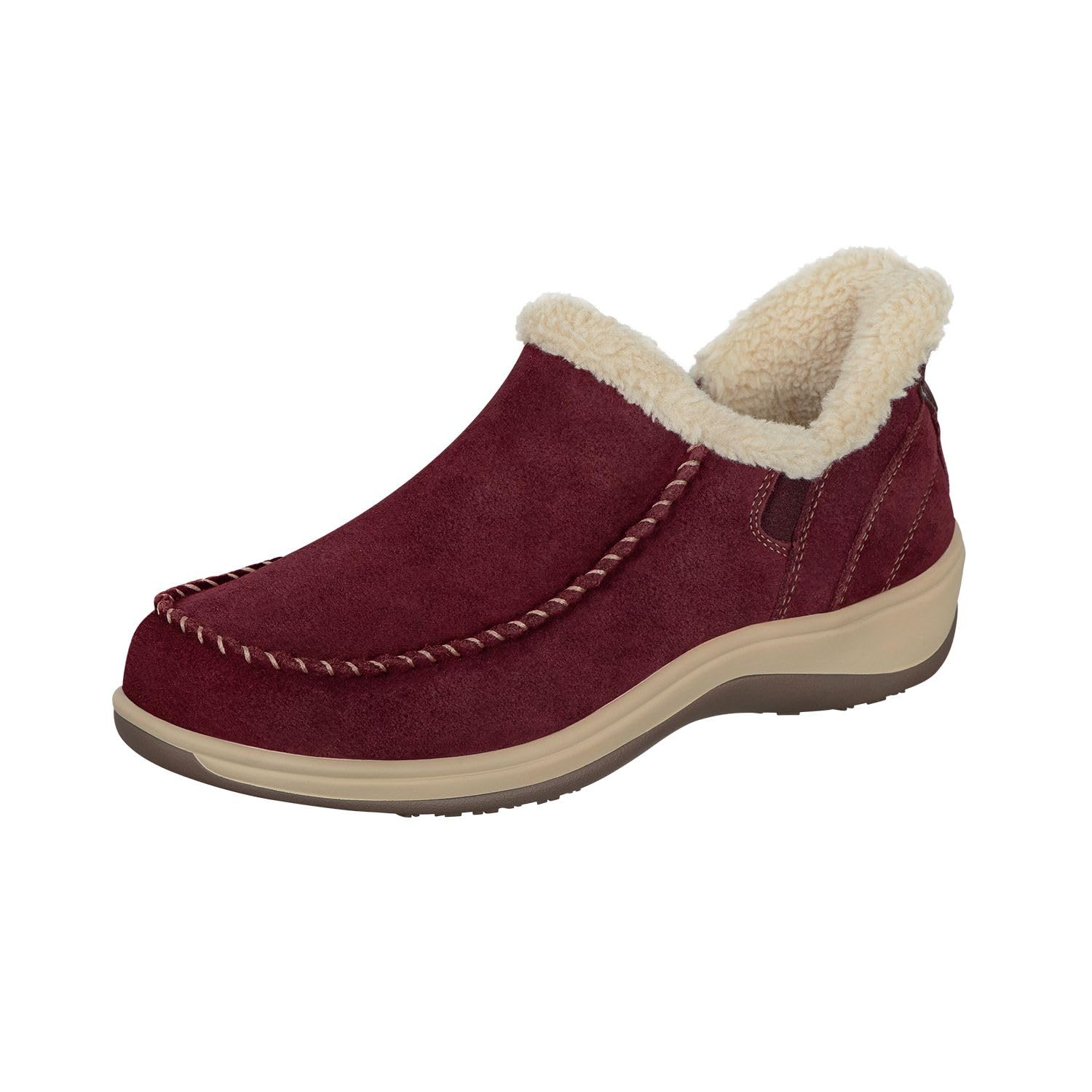

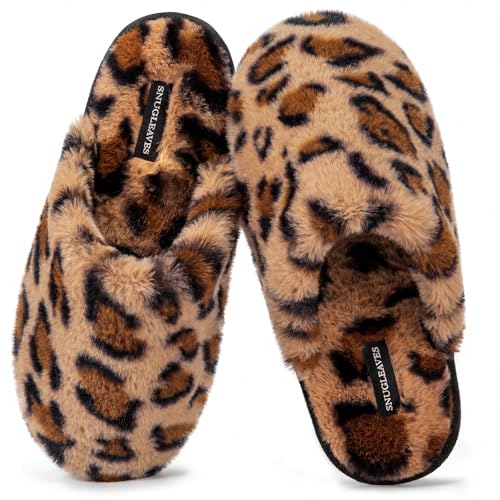
Our Top 3 Picks at a Glance
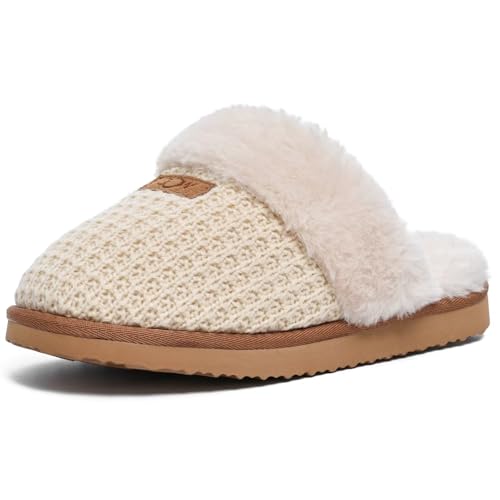
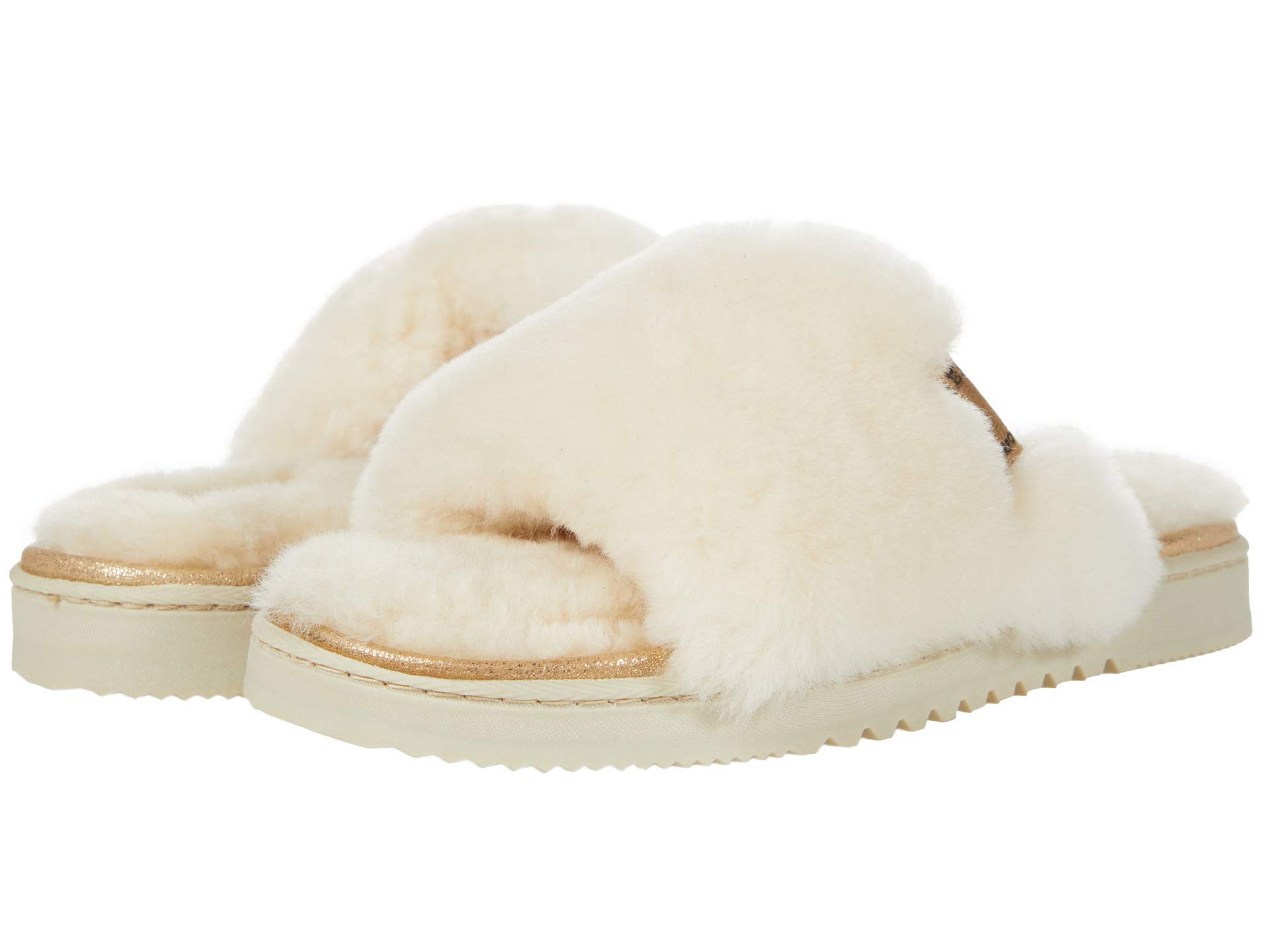
Our picks are the RockDove Trapper Moc for most people, the HomeTop curly fur loafer for tight budgets and the OOW knit slipper for first time buyers. All are popular current styles with clear size charts and plenty of owner feedback.
We compared upper materials, insole cushioning, sole type, sizing guidance and washability, along with the overall pattern in buyer feedback. We did not wear the slippers ourselves; the notes below reflect maker descriptions and aggregated buyer experience. Premium options from UGG, Vionic, Dearfoams and OluKai appear in the table for readers who want genuine shearling or built in arch support.
Best Overall: RockDove Women's Trapper Moc Memory Foam Slipper
The RockDove Trapper Moc suits women who want a warm, cushioned moccasin for everyday wear around the house, at around $28. As the name says, it pairs a classic moccasin shape with a memory foam footbed, and the trapper style collar adds warmth around the ankle on cold mornings.
Two things stand out: a familiar moccasin fit that many people find easy to wear all evening, and a price that sits well below shearling brands while still offering memory foam cushioning. The limitation is breathability, since cozy lined moccasins can feel warm in summer or in heated homes. Skip it if you run hot or want a slipper you can wear outdoors for long walks.

Best Value: HomeTop Women's Fuzzy Curly Fur Loafer Slippers
The HomeTop curly fur loafer is for anyone who wants a soft, warm slipper for very little money, at around $12. It features a curly faux fur upper, a polar fleece insole that wicks moisture, a memory foam footbed and a lightweight rubber sole with forefoot grooves for grip and flexible steps.
Its strengths are comfort for the price and easy care: the maker says it can be hand or machine washed, and the rubber sole handles quick trips to the porch or garage. It also comes in a gift box, which makes it an easy present. The trade off is support, since budget memory foam compresses over months of daily wear. Skip it if you need firm arch support or plan to wear slippers for many hours on hard floors.

Best for Beginners: OOW Cozy House Slippers with Memory Foam
The OOW cozy house slipper suits first time buyers who want something simple, soft and easy to size, at around $13. It uses a stretch knit upper that wraps around the foot, plush memory foam lining and a slip on design that goes on and off in seconds.
The appeal is easy sizing: OOW offers 13 sizes and recommends ordering your regular shoe size, or half a size up if you like extra room. The knit upper adapts to different foot shapes without feeling stiff. The limitation is warmth and outdoor use, since a knit slipper is lighter than a fur lined bootie. Skip it if your floors are very cold or you want a slipper you can wear outside often.

How to Choose the Best Women's Slippers: Buying Guide
Slippers seem simple, but small differences in fit, lining and sole construction change how they feel after a few weeks. Here is what to compare before you buy.
What Women Should Look For
Start with how you will use your slippers. Do you mostly lounge on the couch, walk around the house for hours while working from home, or step outside to water plants and take out the trash? Lounging calls for soft, warm uppers. Working from home calls for cushioning and support. Frequent outdoor trips call for a sturdy rubber sole and a water resistant upper.
Women's slippers are typically cut on a narrower last than men's, with a slightly lower volume through the instep and heel. That matters for fit, especially in slip on styles where a loose heel can cause the slipper to fly off. If you have wide feet, look for brands that offer wide sizes or stretchy uppers.
Think about your floors as well. Hardwood, tile and laminate feel cold in winter and can be slick, so a rubber sole and a warm lining pay off. Carpet is more forgiving, and a soft suede or fabric sole is quiet and comfortable there. If you share a home with pets or small children, a slipper you can kick off and slide back on quickly is handy, while a closed heel keeps you steadier when you carry laundry or a toddler up the stairs.
Fit, Sizing, and Toe Box
Slipper sizing varies more than shoe sizing. Many brands sell paired sizes, such as 7 to 8 or 9 to 10, which can leave you between sizes. Read each brand's size chart and owner comments about whether the style runs small or large. Fur lined slippers often feel snug at first and loosen as the lining compresses.
A roomy toe box lets your toes spread naturally, which feels better over long periods. Your heel should sit snugly without slipping, and there should be a little space in front of your longest toe. If you plan to wear thick socks, consider sizing up half a size.
Upper Materials and Breathability
Uppers come in genuine sheepskin and shearling, faux fur, fleece, knit, suede, microsuede and cotton terry. Genuine shearling, used by UGG, Dearfoams Fireside and OluKai, regulates temperature well and wicks moisture, so feet feel warm without getting too sweaty. Faux fur and fleece cost less and feel very soft but can trap heat.
Knit uppers breathe better and suit year round wear, while terry and cotton are easy to wash. If your feet tend to sweat, choose breathable materials or shearling, and wear slippers with thin socks to help manage moisture.
Pay attention to the lining as much as the outer fabric. A fur lined slipper with a knit or suede outer can still feel very warm, while an open weave knit with a thin fleece lining stays cooler. If you live somewhere with mild winters, one breathable pair can work all year. In colder climates, many people keep a warm fur lined pair for winter and a lighter knit or terry pair for spring and summer evenings.
Break In Period and Comfort Out of the Box
Most slippers feel comfortable right away, but some need a short break in period. Genuine shearling and leather slippers often feel snug at first, then mold to your feet over a week or two. Memory foam footbeds feel soft immediately but can compress over time.
If a slipper pinches or rubs after a few days of wear, it probably will not improve much. Try new slippers indoors on clean floors first, so you can return them if the fit is wrong.
Arch Support and Foot Type
Many slippers have flat, soft footbeds that feel cozy but offer little support. If you have flat feet, high arches, or spend hours standing at home, look for slippers with contoured footbeds and built in arch support, such as Vionic Gemma II or Orthofeet styles in the table.
Supportive slippers often feel firmer than plush ones, but they can make long days at home more comfortable. If you have ongoing foot pain, plantar fasciitis or diabetes, ask a podiatrist or doctor what type of footwear suits you best.
Outsole Traction and Terrain
The sole decides where you can safely wear your slippers. Soft fabric or suede soles are quiet and gentle on floors but slippery on smooth surfaces and not meant for outdoors. Rubber or TPR soles grip better on hardwood, tile and short trips outside, and many slippers marketed as indoor outdoor use them.
Traction is important on stairs and smooth floors, especially for older adults. Look for textured rubber soles with grooves or patterns. If you walk outside on wet surfaces, choose slippers with water resistant uppers and thicker soles.
Sole thickness changes the feel too. Thin, flexible soles feel close to barefoot and fold for travel, while thicker foam and rubber soles insulate better from cold tile and concrete garage floors. If you often step onto a patio or deck, a firm sole also protects your feet from small stones and uneven boards. For anyone with balance concerns, a low, wide heel and a sole that wraps slightly up the sides offer more stability than a thin, narrow footbed.
Types of Slippers
Slippers come in several styles, each suited to different routines. Here is how they compare.
Neutral Shoes
Closed back slippers, such as moccasins and loafers, behave like soft neutral shoes for the house. They stay on your feet securely, keep toes and heels warm and suit people who walk around a lot at home. Moccasins with memory foam, like the RockDove Trapper Moc, are a popular all around choice.
Waterproof Boots
Bootie and boot slippers cover the ankle and keep feet warmest, which suits cold floors and chilly climates. Some, like Dearfoams Fireside boot slippers, use water resistant uppers and rubber soles that handle quick trips outside. They take longer to put on and can feel warm in summer.
Stability/Support Shoes
Supportive slippers include contoured footbeds, arch support and firmer soles. Brands such as Vionic and Orthofeet design slippers that feel closer to supportive shoes, which suits people who stand for long periods at home or prefer more structure. They cost more but can be worth it for daily wear.
Sandals and Recovery Footwear
Open toe slides and scuffs, like the Snug Leaves scuff, are easy to slip on and off and breathe well. They suit warmer homes and quick wear after a shower. Recovery style slides with cushioned footbeds can feel good after workouts, but open styles offer less warmth and security.
How to Make Your Slipper Last Longer
Rotate between two pairs if you wear slippers all day, which gives foam and linings time to recover. Wear thin socks to reduce sweat and odor inside fur lined styles, and air slippers out overnight instead of leaving them in a closed closet.
Follow the care label: many fleece and knit slippers can go in a gentle wash cycle and air dry, while shearling and suede need spot cleaning with products made for those materials. Avoid placing slippers near heaters or in dryers, which can shrink linings and crack soles. Keep outdoor trips short if your slippers have soft soles.
Replace insoles where possible, and use a deodorizing spray or baking soda overnight to keep linings fresh between washes.
Choosing Slippers as a Gift
Slippers are one of the most popular gifts, and a few details make them easier to get right. If you do not know the person's exact size, choose stretchy knit uppers or styles sold in paired sizes, which forgive small differences. Neutral colors like gray, tan and charcoal suit most wardrobes, and boxed options such as the HomeTop loafer arrive ready to wrap. Check the seller's return or exchange policy so the recipient can swap sizes easily if needed.
Frequently Asked Questions
What makes slippers for women different?
Women's slippers are usually built on a narrower last with a lower volume heel and instep, and they come in women's sizing. Styles and colors differ too, and many women's slippers emphasize soft linings and easy slip on designs. If you have wide feet, look for wide sizes or stretchy uppers that adapt to your foot shape.
How should slippers fit?
Slippers should feel snug but not tight, with your heel staying in place as you walk and a little room in front of your toes. Fur and shearling linings compress over time, so a slightly snug fit at first is normal. If your toes press against the front or your heel lifts out, try another size.
Can I wear them all day?
You can wear slippers all day if they offer enough cushioning and support for your feet. Plush, flat slippers are comfortable for lounging but may feel tiring after hours on hard floors. If you work from home or stand a lot, choose slippers with contoured footbeds or arch support, and give your feet occasional breaks.
Do I need waterproof slippers?
Most people do not need fully waterproof slippers. Water resistant uppers and rubber soles handle quick trips outside to get the mail or let the dog out. If you often walk through wet grass, snow or rain in your slippers, consider boot slippers with water resistant materials, or keep a pair of slip on outdoor shoes by the door.
How long is the break in period?
Most slippers feel comfortable right away. Genuine shearling, leather and structured supportive slippers may take one to two weeks to soften and mold to your feet. Wear them for a few hours a day at first. If they still pinch or rub after two weeks, the size or style may not suit you.
How often should I replace my slippers?
Replace slippers when cushioning flattens, linings mat down, soles wear smooth or odors persist after washing. With daily wear, budget slippers often last several months to a year, while quality shearling or supportive slippers can last a few years. Worn soles are a safety concern on stairs, so replace slippers that start to slip.
Final Thoughts
The best women's slippers match how you spend time at home. Focus on three things: a secure fit, a lining that suits how warm your feet run and a sole that grips your floors. The RockDove Trapper Moc is our best overall pick, the HomeTop curly fur loafer offers outstanding value and the OOW knit slipper is an easy first choice. For genuine shearling or arch support, look to UGG, Dearfoams or Vionic in the table.
For more cozy footwear, see our guides to the best womens bedroom slippers, the best warm slippers womens, the best womens outdoor slippers, the best moccasin slippers womens and the best women's slippers for elderly. Then compare current prices in the product table above.