
Best Commuter Shoes: A Walking to Work Guide for 2026
Disclosure: We may earn a commission when you buy through links on this page, at no extra cost to you. As an Amazon Associate I earn from qualifying purchases. Learn more

Walking to work? Compare the best commuter shoes by cushioning, grip and office style for every journey.
Commuting asks shoes to do two jobs, walk briskly through stations and streets, then look respectable in the office. The best commuter shoes balance cushioning, weather resistance, and a profile that pairs with work clothes. This guide explains how to choose shoes that handle the journey without needing a change at your desk.
Some commuters wear one pair all day, while others walk in trainers and change at work. Both approaches work, but the right shoe depends on distance, weather, and dress code. The sections below explain the main commuter styles and the comfort, grip and style trade offs.


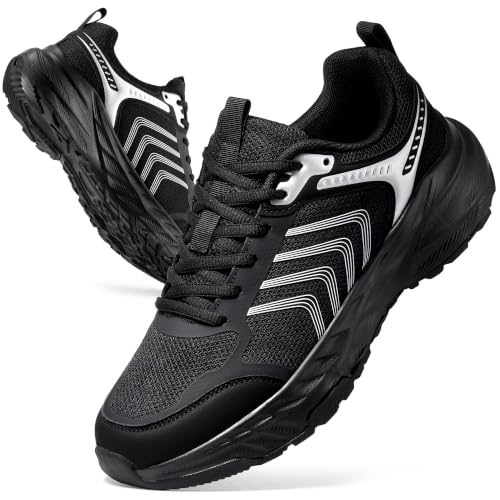


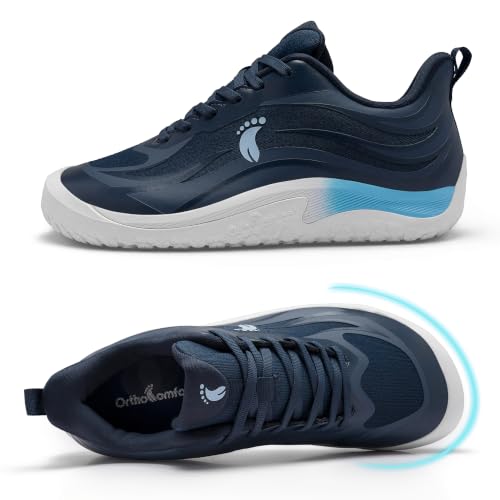

Who Should Buy Each Approach
One pair all day wearers
Dress friendly comfort shoes with cushioned soles suit commuters who dislike changing shoes. They pair with office clothes and handle moderate walking distances. Their weakness is sport level cushioning, so very long walks may still tire feet.
Walk then change wearers
Walking shoes or trainers suit long commutes, with office shoes carried in a bag for arrival. This approach offers the best walking comfort and protects dress shoes from weather. Its weakness is extra bag weight and the daily changing ritual, which some commuters dislike.
Key Features of the Best Commuter Shoes
Cushioning and walking distance
Match cushioning to your daily walking distance, including station stairs and office corridors. Soft foam comforts short walks, while stable cushioning with arch support suits miles of daily walking. Try shoes on a brisk walk, not just standing in a store, since walking reveals fit issues fast.
Weather resistance and grip
Water resistant uppers and grippy rubber outsoles matter for rainy commutes and polished station floors. Smooth leather soles slip on wet surfaces, so look for rubber inserts or full rubber outsoles. Dark colors hide rain marks better, while light suede suffers in wet weather.
Office style and versatility
Choose a profile that pairs with your work wardrobe, from sleek leather to smart casual knit. Minimal branding and neutral colors transition best from street to office. If your office dress code is strict, prioritize leather and clean lines over athletic styling.
Price Tiers and What They Deliver
Shoes around $60 to $110 usually cover comfortable casual commuters for moderate distances. Shoes around $110 to $180 add better cushioning, weather resistance, and durable outsoles for daily use. Shoes around $180 to $280 bring premium leather, refined comfort, and resoleable construction for long term wear.
Living With Your Choice Day to Day
Rotate two pairs to let shoes dry between commutes, and use shoe trees for leather pairs. If foot pain, blisters, or numbness persist despite good fit, talk with your clinician rather than enduring discomfort. Good commuter shoes support your stride, but they cannot treat foot problems that need professional care.
Common Commuter Shoe Styles
Leather and Leather-Look Sneakers
A low-profile sneaker in smooth black, white or tan leather is the most common compromise between comfort and office style. It carries a cushioned midsole under a clean upper and passes in most smart-casual offices. Leather sheds light rain but stains with salt, so wipe it after wet days and use a protector spray.
Knit and Mesh Walking Shoes
Lightweight knit shoes weigh little, move air on hot platforms and feel soft from the first wear. They are ideal for long walks in dry weather, but they soak through in rain and look casual, so many people keep a spare pair at work for formal days.
Dress Shoes With Cushioned Soles
Modern dress shoes and loafers with rubber outsoles and foam footbeds suit short commutes in formal workplaces. Check for a rubber sole, since smooth leather soles slip on wet station floors, and keep the walk under about a mile if the shoe has little arch support.
Waterproof Boots and Chukkas
In cold or wet climates, a waterproof ankle boot with a lugged rubber sole keeps feet dry and steady through slush. They are warmer and heavier than sneakers, so they suit winter commutes better than all-year wear.
Mistakes Worth Avoiding
- Breaking in new shoes on a long Monday commute. Wear them indoors and on short walks first so hot spots show up early.
- Wearing the same pair daily, which leaves no time to dry. Rotate two pairs and use shoe trees in leather pairs.
- Choosing smooth leather soles for wet climates, which slip on tiles and painted crossings.
- Buying for the average day instead of the worst weather you actually meet on your route.
- Ignoring recurring foot pain, blisters or numbness. See a clinician or podiatrist if these persist.
Care and Rotation
Insert cedar shoe trees in leather pairs as soon as you get home, while the shoes are still warm, to absorb moisture and hold the shape. Polish leather shoes weekly to keep them office-ready, and keep a small shine sponge in your desk for quick touch-ups. If your commute exceeds a few miles, a pair of office shoes kept at work protects both your feet and your dress shoes.
Related Guides Worth Reading
If you cycle part of the way, see our guide to the best bike commuter shoes. For a women's-specific view of the same topic, read best commuter shoes women's.
Frequently Asked Questions
Can one pair of shoes work for commuting and office?
Yes, when your walk is moderate and your office dress code allows comfort oriented styles. Look for cushioned soles, grippy rubber, and clean styling that pairs with work clothes. Very long walks or strict dress codes may still favor walking shoes plus office shoes. Test the pair on your actual commute before committing.
How do I keep commuter shoes dry in rain?
Water resistant uppers, rubber outsoles, and a quick wipe down after rain protect most commuter shoes. Leather benefits from protector spray, while suede suffers badly in rain and suits dry days only. Keep a spare pair at work for very wet days, and dry shoes fully between wears. Wet shoes chill feet and wear out faster.
Are trainers acceptable for commuting?
Trainers suit commutes where walking comfort matters most and dress codes allow smart casual footwear. Sleek, neutral trainers blend better with office clothes than bright running shoes. If your office expects formal dress, carry office shoes and change on arrival. Comfort on a long commute often outweighs strict style rules.
How long do commuter shoes last?
Daily commuter shoes often last six to twelve months, depending on distance, weather, and rotation. Outsoles wear first on pavement, while cushioning packs down with miles. Rotating two pairs extends each pair life substantially. Replace shoes when grip fades, cushioning flattens, or uppers crack, even if they still look acceptable.
What should I prioritize for a long walking commute?
Prioritize fit, stable cushioning, and grip over style alone, since miles reveal every flaw. Try shoes with your commute socks on and walk briskly indoors before buying. Consider walking shoes for the journey plus office shoes at work when distance exceeds a few miles. Your feet will thank you by Friday.
Final Thoughts
Match the shoe to your walking distance first, then to your dress code. The product table above can narrow the styles, but your actual commute route decides. Comfort that survives the journey and style that survives the office make the best commuter shoe.
Take your time with the final decision, since a thoughtful best commuter shoes purchase pays off every time you use it.


