
Best Commuter Shoes Womens: Buying Guide for 2026
Disclosure: We may earn a commission when you buy through links on this page, at no extra cost to you. As an Amazon Associate I earn from qualifying purchases. Learn more

Walking to transit, then a full day at work? Compare the best commuter shoes womens styles by cushioning, grip, fit and style.
A commute asks a lot from one pair of shoes: a brisk walk to the station, a crowded train or bus, stairs, wet pavement and then a full day at a desk or on your feet. The best commuter shoes womens shoppers can buy balance cushioning, grip, support and a polished look so you do not need to carry a second pair. This guide explains what to look for in women's commuter shoes, which styles suit which routines, and how to avoid the mistakes that leave you with sore heels by Wednesday.
Start with your real route rather than the shoes you admire in photos. Ten minutes of walking on dry sidewalks calls for different shoes than a 40 minute walk across wet city blocks, and a job that keeps you standing needs more cushioning than one spent seated. The sections below match those patterns to features you can check before you order.
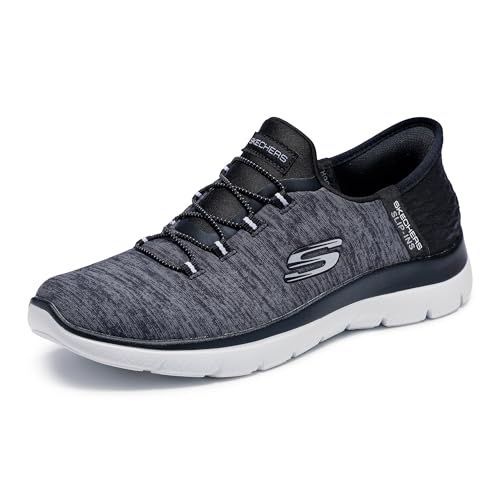
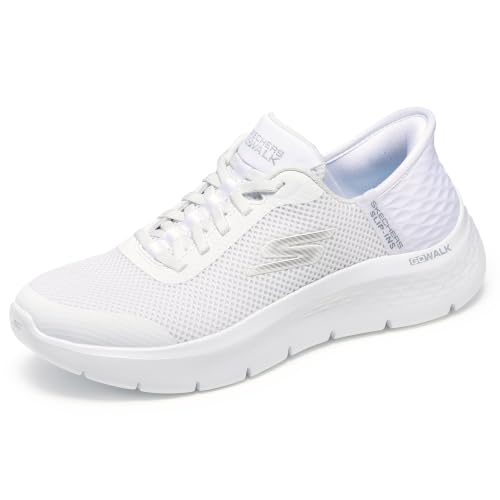


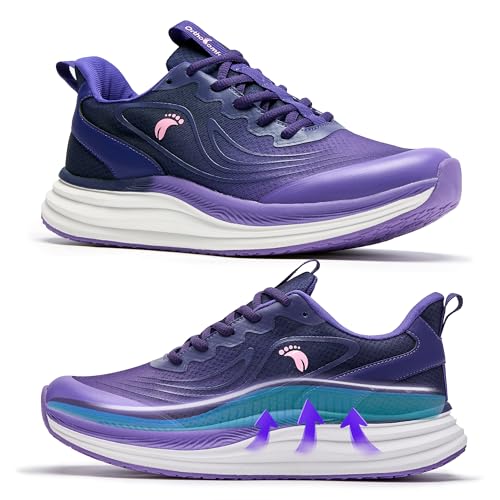
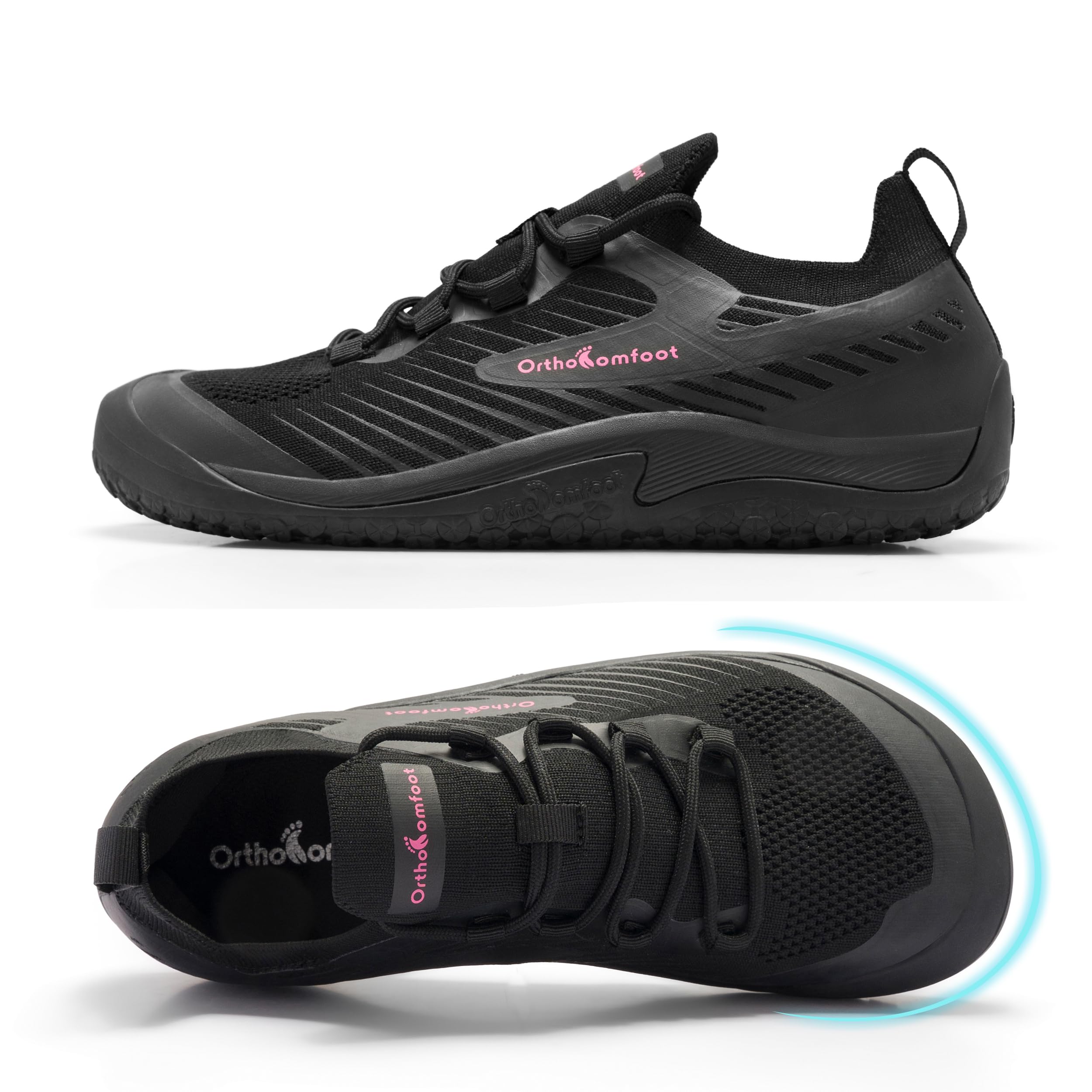
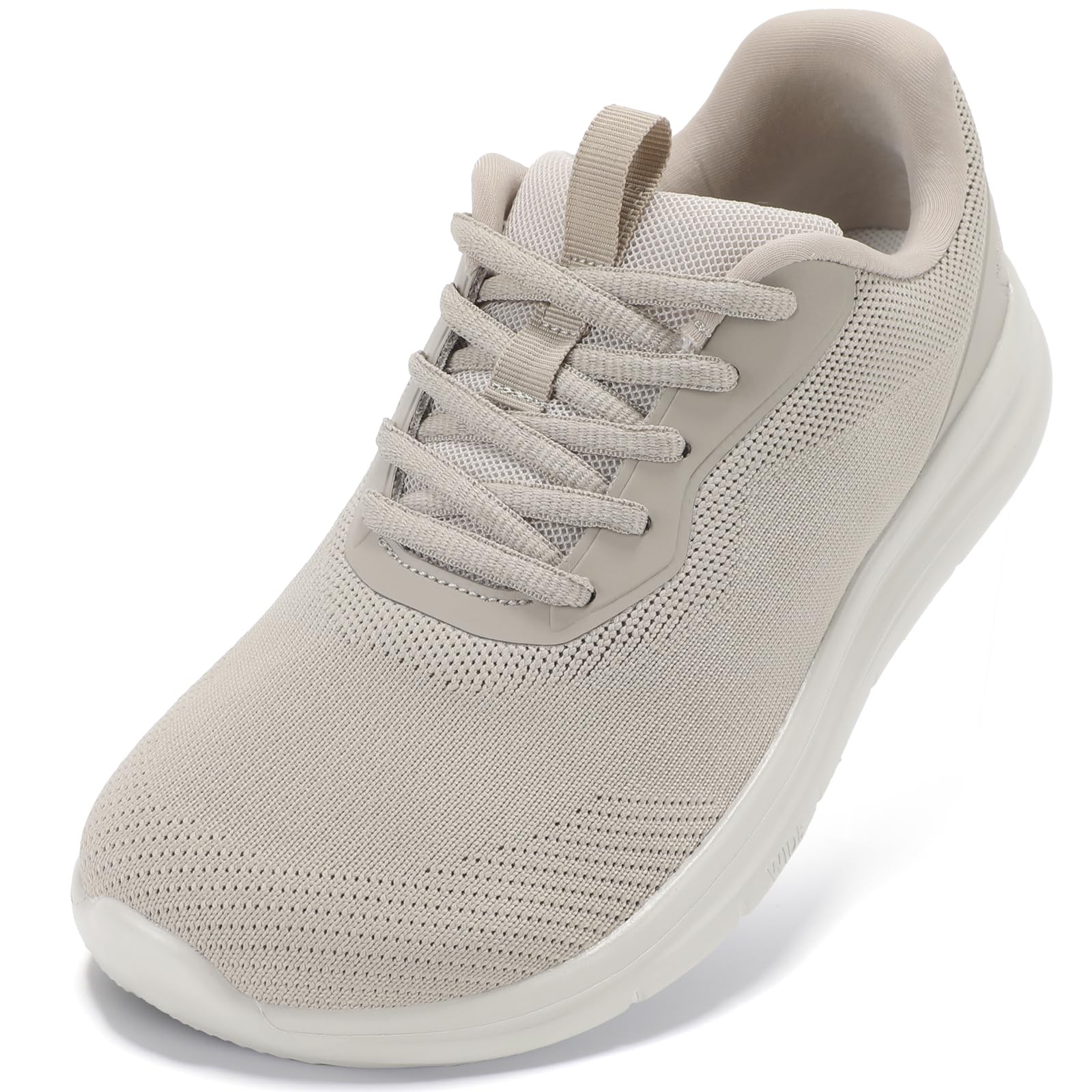

Who Needs Which Style of Commuter Shoe
Office Commuters Who Dress Up
If your workplace expects a neat look, choose a clean-lined slip-on loafer, a sleek flat with a cushioned insole, or a minimalist leather-look sneaker in black, navy or neutral. Low-profile shapes pair with trousers, skirts and dresses, and a memory foam insole makes the difference between a flat that survives a mile and one that does not. Avoid thin ballet-style soles, which offer almost no shock absorption on hard pavement.
Walkers and Transit Riders With Long Routes
Long walks to transit reward a true walking sneaker: a flexible forefoot, a rocker-shaped or well cushioned sole, a breathable upper and a secure heel. Many women pair a neutral sneaker with work clothes and keep the look tidy with solid colors. If you cover several miles a day, prioritize cushioning and a roomy toe box over fashion details, since feet swell during the day and cramped toes cause the first blisters.
Women Who Stand All Day After Commuting
Nurses, retail staff and teachers often walk to work and then stand for hours, so arch support and a stable heel matter as much as cushioning. Look for a supportive footbed, a slightly wider fit, and a non-slip outsole rated for smooth indoor floors. Women with ongoing foot pain or conditions such as plantar fasciitis should talk with a podiatrist or clinician before choosing supportive shoes, since individual needs vary.
Rainy-City Commuters
Where wet streets are the norm, a grippy rubber outsole and a water-resistant or waterproof upper keep the day comfortable. Ankle boots with a rubber sole handle puddles, while leather-look loafers can stain and slip in the rain. Pack a small microfiber cloth in your bag and let wet shoes dry at room temperature, not on a radiator, which can crack leather and loosen glue.
Key Features of the Best Commuter Shoes Womens Should Look For
Cushioning That Lasts All Day
Soft foam under the heel and forefoot makes each step feel steady, while a firmer midsole keeps the shoe from collapsing by late afternoon. Press your thumb into the sole: it should compress a little and spring back. A removable insole is a bonus, because you can swap in a supportive one if you need it.
Grip for Wet Pavement and Smooth Floors
Look for a rubber outsole with a visible tread pattern that covers the heel and forefoot. Station tiles, polished office floors and metal grates become slippery when wet, and a flat, smooth sole offers little traction. Deep lugs designed for trails are unnecessary and can feel clumsy on tile.
Fit, Width and Toe Room
Try shoes on in the afternoon, when feet are slightly larger, and wear the socks you commute in. You should be able to wiggle your toes, and your heel should stay put when you walk. Many women find a wide toe box more comfortable for long days, and several commuter styles come in wide widths.
Breathability and Weight
Mesh and knit uppers let air move through the shoe on a packed train, while leather and coated materials give a smarter look but run warmer. Lighter shoes tire your legs less over a long walk, but check that a very light shoe still has a supportive heel counter.
A Neat Look for Work
Clean lines and muted colors help a shoe sit with work clothes. Black, navy, grey and taupe go with most outfits and hide scuffs, which matters when the shoes also have to cope with commuter wear.
Price Ranges and What They Buy
You can find comfortable women's commuter shoes from about $25 to $60, where you can expect lightweight knit sneakers and memory foam loafers with simple soles. Between about $60 and $130 you typically get better cushioning, wider size ranges and sturdier outsoles from walking-shoe brands. Above that, you pay for premium leather, orthopedic footbeds or waterproof construction, which makes sense mainly for long daily walks or wet climates.
Common Mistakes to Avoid
- Choosing a pair only for looks, because a stylish shoe with poor support can make a long commute feel much harder.
- Buying a half size too small to look neat, which leads to blisters after the first long walk.
- Ignoring the outsole on a wet-weather commute, so you slip on station floors and painted crossings.
- Wearing the same pair every day without rest. Rotating two pairs lets cushioning recover and shoes dry fully.
- Replacing shoes too late. Replace them when cushioning feels thin or the tread looks smooth.
Care and Comfort Tips
Air shoes after each day, remove the insoles when they are damp, and rotate with a second pair when you can. Wipe knit and mesh uppers with a damp cloth, and treat leather with a conditioner on the maker's schedule. Add blister plasters and a spare pair of socks to your bag for long days. Stop and seek advice from a clinician or podiatrist if you notice sharp pain, swelling that does not settle, numbness, or a sore that does not heal.
Related Guides Worth Reading
If you are also comparing unisex styles, read our guide to the best commuter shoes. For gym and walking comfort, see the best women's fitness shoes.
Frequently Asked Questions
What shoes are best for a long walking commute?
A cushioned walking sneaker with a flexible forefoot, a secure heel and a breathable upper suits long commutes best. Look for a roomy toe box and a rubber outsole with visible tread. If your office needs a smarter look, a dark, plain sneaker or a memory foam loafer with a grippy sole can bridge the gap.
Are flats or sneakers better for commuting?
Sneakers usually give more cushioning and support, so they suit walks of 15 minutes or more. Flats work for short distances if they have a cushioned insole and a non-slip sole. Many women carry flats and wear sneakers for the walking portion, though a good slip-on loafer with memory foam can avoid the swap entirely.
How do I stop commuter shoes causing blisters?
Choose the right size in the afternoon, wear moisture-wicking socks, and break new shoes in with short walks before a full commute. A wide toe box and a heel that stays seated reduce rubbing. If a spot rubs, use a plaster or blister pad early rather than waiting for a sore to form.
How often should I replace commuter shoes?
Replace them when the cushioning feels thin, the tread looks smooth or the upper starts to split. Daily walkers often notice this after several months, depending on mileage. Rotating two pairs extends the life of both.
Can I wear commuter shoes in the rain?
Yes, if the outsole has good tread and the upper is water-resistant or waterproof. Knit and mesh uppers soak through quickly, so choose a coated or leather-look upper, or an ankle boot, for wet climates. Dry wet shoes at room temperature and stuff them with paper to hold their shape.
Final Thoughts
Match the style to your route, check cushioning, grip and fit, and decide how smart the look must be. Use the product table above to compare current options at a glance, and try shoes on in the afternoon. The best commuter shoes womens can wear are the ones you forget about by lunchtime, because they stay comfortable, steady and polished from the first step to the last.


