
Best Comfy Sandals: How to Pick the Right Pair for 2026
Disclosure: We may earn a commission when you buy through links on this page, at no extra cost to you. As an Amazon Associate I earn from qualifying purchases. Learn more

Softness, support, and strap security: how to pick the best comfy sandals for your day.
The word comfy means something different to everyone who wears sandals: a plush cushion for a beach day, a firm arch for errands, or a strap that never rubs. The best comfy sandals combine a soft top layer with a stable base and straps that keep the foot centered over the sole, so softness never turns into wobble.
The product table above lists men's, women's, and unisex styles at several prices. The sections below explain the main sandal types, the features that decide comfort, and the mistakes that lead to sore feet.


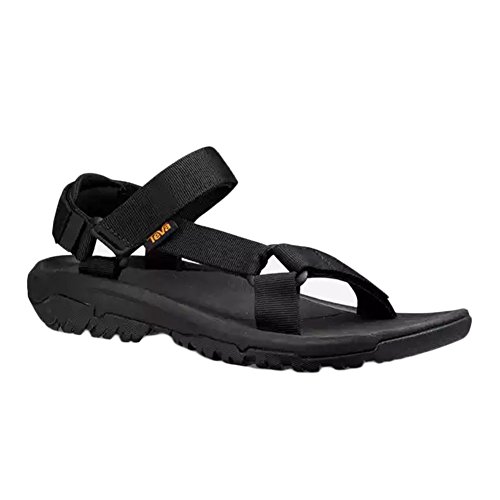


Who Should Buy Which Type
People who want easy all-day comfort in warm weather do best with a soft yet stable sandal and secure straps. Home and garden users can choose lighter pairs, since they spend less time on hard surfaces. Long walkers should look at support first, because softness alone does not carry distance well. If you stand all day at work, choose a firm, contoured footbed over a plush one.
Key Features Explained
Softness Versus Support
Very soft sandals feel lovely at first but let the foot sink and roll. A soft top layer over a stable base gives comfort with control. A sandal that feels soft without feeling wobbly is the goal, and you can check it by pressing on the footbed and twisting the sole in your hands.
Strap Security
Secure straps keep the foot centered over the sole. Loose straps make the toes grip, which tires the foot and can cause cramps. Adjustable straps suit feet that swell through the day, and a heel strap adds stability on longer walks.
Cushioning That Lasts
Foam cushioning softens with use, so check how thick and dense the footbed feels. Dense foam and cork last longer than very soft foam. Replace sandals when the footbed stays dented or no longer springs back.
Sole Flex and Grip
A sole that flexes near the toes suits a natural step. Grip matters on wet pavement and smooth indoor floors, so look for a textured rubber outsole. A sandal should feel safe on the surfaces you walk on most.
Types of Comfy Sandals
Soft Footbed Slides and Sandals
These suit relaxed days and short walks with a plush feel underfoot. Cork-and-latex and molded foam footbeds mold to the foot over time. They are easy to wear for hours at home but may lack support for long distance walking.
Sporty Sandals
Sport and hiking-style sandals have secure straps and grippy soles, handle paths and water well, and dry quickly. They look less dressy than leather styles but are the safest choice for travel and active days.
Dressy and Leather Sandals
Leather sandals with contoured footbeds suit smart-casual outings and balance looks with comfort. They often trade some grip for appearance, and they need a short break-in period. If you want an option that is nicer to look at, see our guide to the best cute comfy sandals.
Orthopedic and Arch-Support Sandals
These add a firm, contoured footbed and a deep heel cup for people who need more support. They look plainer but can make long days on your feet much easier.
Fit and Sizing
Measure your feet in the afternoon, when they are at their largest, and compare the length with the maker's size chart. Your heel should sit fully on the footbed, and your toes should not hang over the front edge. Between sizes, choose the larger one if the straps adjust and the smaller one only if the footbed is long. Wide feet do better with open designs and adjustable straps. Wear new sandals around the house first, so you can still exchange them if they rub.
Material Choices
Leather molds to the foot and lasts well but needs drying time and some care. Synthetic webbing dries quickly and suits water use, though it can stretch when wet. Cork footbeds are firm and breathable, while foam footbeds are softer but flatten sooner. Rubber outsoles outlast foam ones and grip better on wet ground. Think about where you will wear the pair: a beach sandal and an office sandal have very different needs.
Common Mistakes to Avoid
- Equating soft with comfortable. Ultra-soft soles tire the feet and strain the ankles over a full day.
- Ignoring strap adjustment. A fixed strap that fits in the morning may pinch by evening.
- Skipping the break-in. Even good leather sandals need a few short walks before a long day.
- Leaving sandals in a hot car. Heat warps foam and weakens glue.
If sandals cause ongoing pain, swelling, numbness, or sores that do not heal, talk with your doctor or a podiatrist. For related guides, see the best comfy sandals for women, the best comfy sandals for walking, and the best rated sandals.
Care and Longevity
Rinse off sand, salt, and dirt after each use and let the sandals dry in the shade. Clean footbeds with mild soap and a soft brush, and condition leather straps now and then. Check stitching and buckles regularly. Rotate two pairs if you wear sandals daily, since foam recovers between wears. Most pairs last one to three seasons depending on materials and use.
Comfy Sandals: Your Questions Answered
Are comfy sandals good for all-day wear?
They can be, if the footbed stays supportive and the straps hold the foot well. Very soft, flat sandals often tire the feet by evening.
How do comfy sandals differ from walking sandals?
Comfy sandals prioritize a soft feel and easy wear, while walking sandals prioritize support, grip, and durability. Choose walking sandals for distance and comfy ones for relaxed days.
Can I wear comfy sandals to work?
It depends on the job and the dress rules. Closed-toe styles suit some workplaces better than open ones, so check safety and dress requirements first.
How do I clean comfy sandals?
Rinse off dirt, wash the straps as the maker directs, and dry them away from direct heat. Damp sandals can smell and weaken the straps.
Do comfy sandals need breaking in?
Most need only short wear to settle. Sharp rubbing or heel slip after a few wears signals a fit problem, and painful sandals rarely become comfortable with time.
The Bottom Line
Pick the type that matches your routine, check the straps and the sole, and choose a footbed with real structure under the softness. Compare styles and prices in the product table above. The best comfy sandals are the ones you reach for without thinking and still enjoy at the end of a long day.


