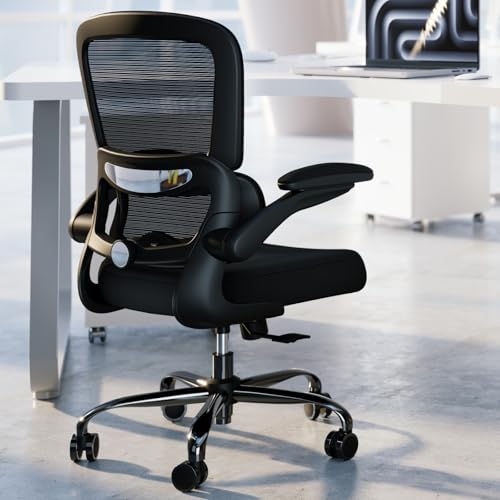
Best Comfy Office Chairs: The Buyer Checklist for 2026
Disclosure: We may earn a commission when you buy through links on this page, at no extra cost to you. As an Amazon Associate I earn from qualifying purchases. Learn more
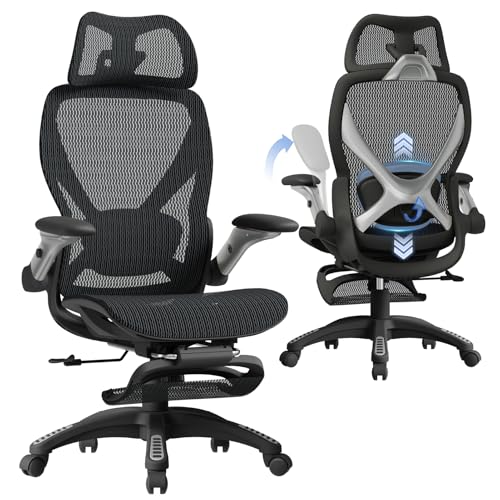
Use this checklist for the best comfy office chairs: seat comfort, adjustability, build quality, size, style, and warranty, plus spending level guidance.
Comfort in an office chair comes from fit, not from padding alone. This checklist for best comfy office chairs walks through seat shape, adjustability, build quality, size, style, and warranty so you can judge a chair before you buy it. The comparison table below lays out the main chair types side by side for a quick first comparison.
Use the checklist in order. Start with how the chair fits your body and your desk, then check cushioning and support, then look at build quality and warranty. A chair that scores well on fit and adjustability will usually feel better over a long workday than a chair that only looks plush in a photo.


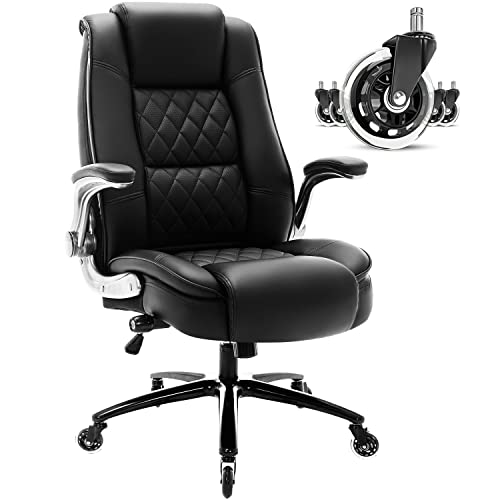
Key Criteria for Comfy Office Chairs
Each criterion below gives a clear test you can apply while shopping. Look for concrete adjustments and measurements, not vague comfort claims. If a listing hides seat dimensions, weight capacity, or warranty terms, treat that gap as a warning sign.
Ergonomics and Adjustability
Good ergonomics start with seat height that lets your feet rest flat on the floor with your knees near a right angle. Lumbar support should meet the natural curve of your lower back without pushing you forward. Adjustable armrests help when they move up and down and, on some models, in and out or forward and back. A tilt lock lets you hold a reclined position for reading or calls, while a tilt tension control sets how easily the chair leans back.
Check each adjustment range in the listing and check that the ranges fit your height and desk height.
Comfort and Cushioning
Cushioning should support you without feeling either hard or overly soft. High density foam holds its shape longer than thin foam, while a mesh seat can feel cooler during long sessions. Seat depth matters as much as padding: you should be able to sit back fully with a small gap behind your knees. A waterfall front edge reduces pressure behind the thighs.
If you sit for many hours, look for a seat that stays supportive after long use rather than a seat that only feels soft for the first few minutes.
Build Quality and Frame
Frame and base quality shape how long a chair feels steady. A steel or strong alloy frame, a sturdy five star base, and a rated gas lift give a more stable feel than a light plastic frame. Check the gas lift class and the stated weight capacity, and compare them with your body weight plus any items you keep on the chair. Casters should roll smoothly on your floor type without catching on rugs or mats.
A chair that wobbles, creaks, or sinks slowly under load is a poor long term choice even if the seat feels soft at first.
Size, Dimensions, and Weight Capacity
Measure your desk height, your leg room, and the space around your desk before you shop. Seat width, seat depth, back height, and armrest height all affect comfort, especially for taller or shorter users. Weight capacity should exceed your weight by a comfortable margin, not match it exactly. Also check the overall footprint so the chair fits under the desk and moves freely without hitting walls, drawers, or cables.
For task focused options, see our guide to the best office task chairs alongside this checklist.
Style and Room Fit
Style should support the room, not fight it. A mesh back suits a warm room and a modern desk, while a padded fabric or leather style seat suits a formal home office. Color matters for stains and fading, especially in a sunny room or a shared workspace. A compact frame suits a small room, while a wide chair with large armrests needs more floor space.
Choose a style you will still like after months of daily use, and check that the chair height fits under the desk when pushed in.
Warranty and Return Policy
Warranty terms reveal how much confidence the maker has in the frame, gas lift, and moving parts. Look for separate coverage periods for the frame, the gas lift, and the upholstery, since these parts wear at different rates. A short warranty on the gas lift is a warning sign, because that part carries your weight every day. Also check the return window, restocking terms, and who pays return shipping.
A generous return policy matters because comfort is hard to judge from photos alone.
Spending Levels That Pass the Checklist
Use spending levels to compare chairs fairly. A budget chair can pass the checklist if it offers real adjustments and a sturdy base. A midrange chair usually adds better foam, smoother adjustments, and longer warranty coverage. A higher end chair adds finer adjustment ranges, stronger materials, and more size options.
Spend more only when the extra adjustment or build quality solves a fit problem you actually have.
Budget Comfort
Budget comfort chairs often offer seat height adjustment, basic lumbar support, and a simple tilt function. They suit shorter workdays, shared desks, and home offices on a tight budget. Look for a stable base, a seat that does not bottom out quickly, and armrests that stay in place. You may give up four way armrest movement, premium foam, and long warranty coverage at this level, but a well chosen budget chair can still feel good for several hours a day.
Midrange Comfort
Midrange comfort chairs usually add adjustable lumbar support, better seat foam, and smoother tilt and armrest controls. They suit people who work a full day at a desk and want steady support without constant readjustment. Check seat depth adjustment, back height, and the quality of the casters on your floor. This level often gives the best balance of comfort, build quality, and warranty for a home office.
For a broader comfort comparison, see our guide to the best comfy chairs before you settle on an office specific model.
Higher End Comfort
Higher end comfort chairs tend to offer a wider range of adjustments, denser foam or a more breathable mesh, and a stronger frame and gas lift. They may also offer multiple size options for different body heights. This level suits long workdays, shared offices where several people use one chair, and buyers who want a longer warranty. Before you pay more, confirm that the extra adjustments fit your body and desk.
Extra features that you cannot reach or adjust easily add cost without adding comfort.
Quick Buyer Checklist
Run through these questions before you order. A yes answer on most items means the chair is a strong candidate for your desk and body.
- Does the seat height range let your feet rest flat on the floor?
- Does the lumbar support meet your lower back without pushing you forward?
- Can you adjust the armrests to match your desk height?
- Does the seat depth leave a small gap behind your knees?
- Does the weight capacity exceed your weight by a comfortable margin?
- Does the chair fit under your desk and move freely in your room?
- Are the frame, gas lift, and upholstery warranty terms clearly stated?
- Can you return the chair if the fit feels wrong after a few days?
For ergonomic focused models, compare this checklist with our guide to the best ergo office chairs. If you want a single chair focused guide, see our guide to the best ergonomic office chair for a closer look at adjustment ranges and support options.
Red Flags to Watch For
Watch for listings that hide key numbers. Vague seat dimensions, missing weight capacity, or unclear warranty terms suggest a maker that does not want close comparison. Be wary of claims about premium materials with no detail on foam density, frame material, or gas lift rating. Very short warranties, paid returns with no clear terms, and assembly instructions that skip safety steps are also warning signs.
If a chair looks plush but offers almost no adjustment, it may feel good briefly and then cause discomfort over a long day.
Care and Maintenance Tips
Adjust seat height so feet rest flat on the floor, and recheck that setting after you move the chair or change desks. Tighten bolts every few months, and check casters for hair, dust, and floor debris that can slow rolling. Vacuum or wipe upholstery regularly, and follow the maker guidance for your seat material. Keep the chair out of direct sun when possible, since heat and light can fade fabric and dry out padding.
Small upkeep steps keep adjustments smooth and help the chair feel steady for longer.
Comfy Office Chairs: Your Questions Answered
Is an expensive comfy office chair worth it?
An expensive chair is worth it only when the extra cost buys fit, adjustability, or durability that you need. A higher price often brings denser foam, smoother controls, a stronger gas lift, and a longer warranty. Those gains matter for full workdays and for chairs used by several people. If you work short sessions at a desk and a budget chair fits your body well, the extra cost may add little.
Judge the chair by the checklist, not by price alone.
What features matter most for long hours?
For long hours, seat depth, lumbar support, and armrest adjustability matter most. Seat depth lets you sit back fully without pressure behind your knees. Lumbar support should meet your lower back through the day, not only when you first sit down. Armrests that match desk height reduce shoulder strain during typing.
A breathable seat and a smooth tilt function also help, because they let you shift position without standing up every hour.
How do I choose the right size?
Start with seat height, seat depth, and seat width, then compare those numbers with your body and desk. Your feet should rest flat on the floor, your knees should sit near a right angle, and the seat should leave a small gap behind your knees. Check back height if you like upper back support, and check armrest height against your desk surface. If you fall between sizes, choose the size that fits your desk height and leg room best, since those limits are hardest to change.
How long should a good comfy office chair last?
A good office chair often lasts about five to ten years, depending on daily use, weight, and care. Foam softens first, followed by casters and armrest pads, while a strong frame and gas lift may last longer. Tighten bolts regularly, clean the upholstery, and replace worn casters early to protect the floor and the base. If the seat bottoms out, the gas lift sinks, or the frame wobbles despite tightening, it is time to replace the chair rather than keep adjusting around the problem.
Final Thoughts
Comfort comes from fit, adjustability, and build quality working together. Run the checklist, compare spending levels honestly, and watch for red flags in listings that hide key numbers. A best comfy office chairs choice should support long workdays without forcing you to fidget, slouch, or readjust constantly. Review the product table above once more, pick the chair that fits your body and desk, and give yourself a few days to try the fit before you decide to keep it.