Best Accent Chairs for Every Living Room Style
Disclosure: We may earn a commission when you buy through links on this page, at no extra cost to you. As an Amazon Associate we earn from qualifying purchases. Learn more

A practical guide to choosing accent chairs, covering styles, sizing, and placement so you find a seat that actually fits your room.
A living room can feel unfinished even when the sofa, rug, and coffee table are all in place. Often what is missing is a single seat that adds personality and gives the room a focal point. That is exactly the role of a good accent chair. Whether you want a cozy reading nook, extra seating for guests, or a splash of color against neutral walls, the right seat pulls a room together in a way few other furniture choices can. This guide walks through the styles, sizing, and placement details that matter most, so you can shop with a clear picture of what actually fits your space and how you plan to use it.


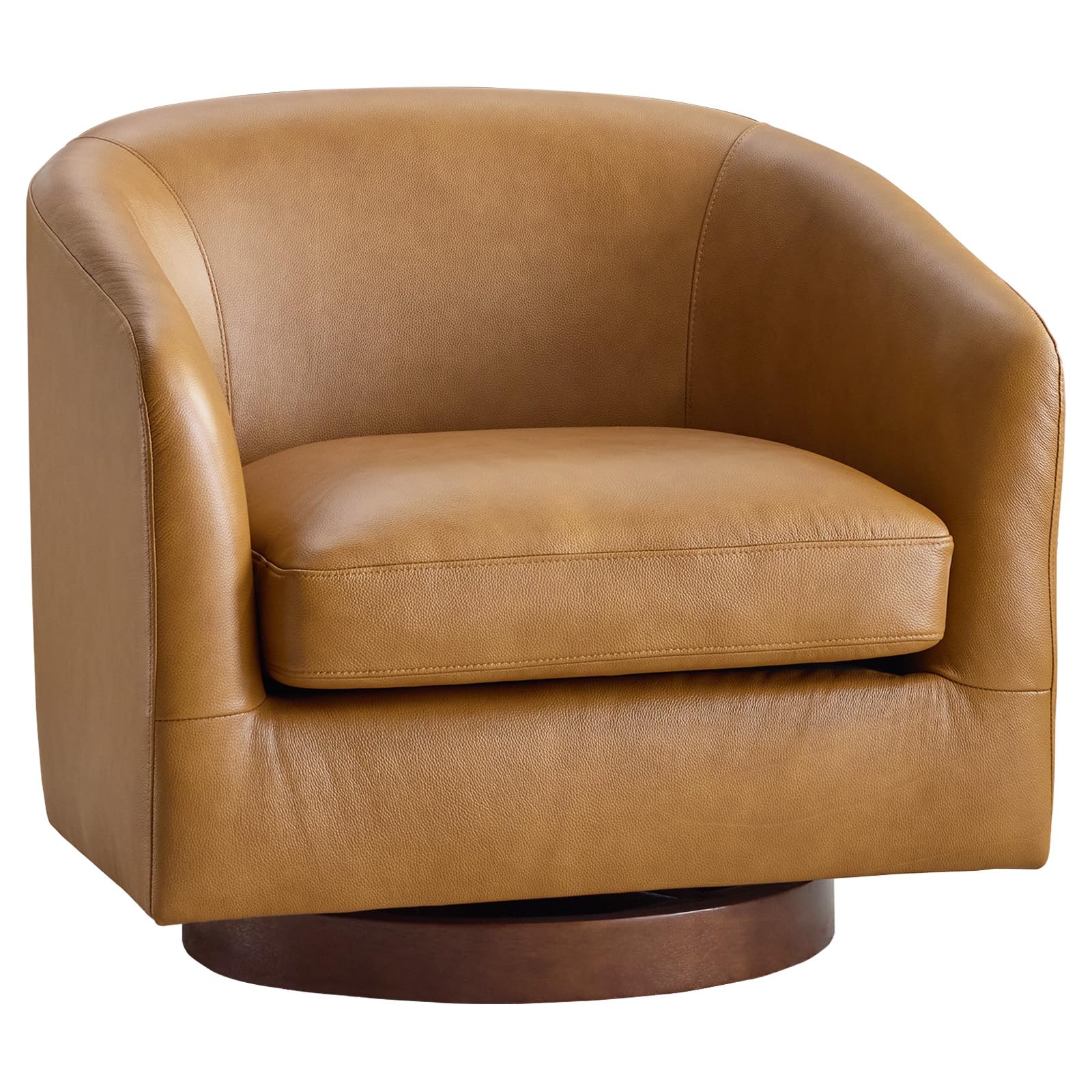
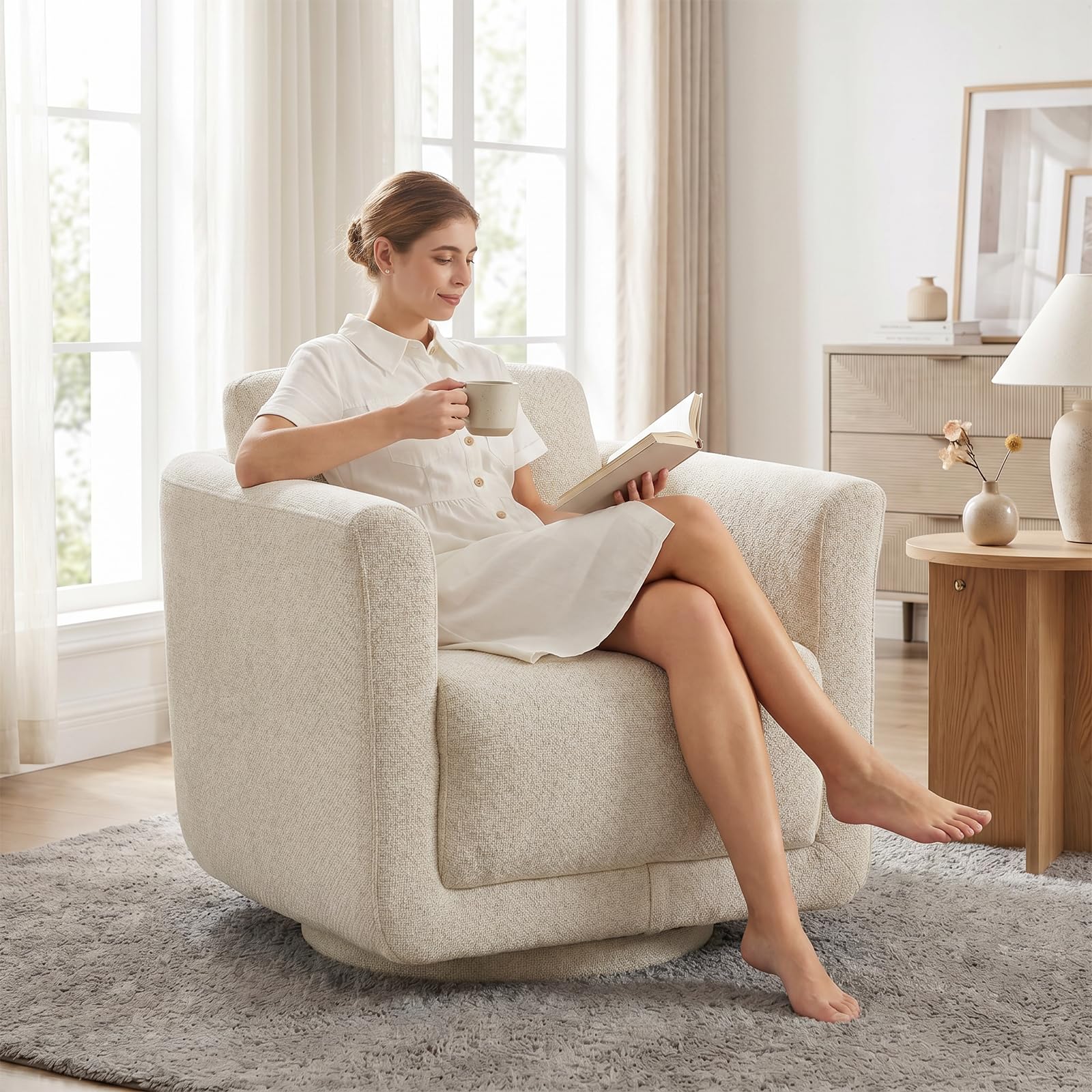
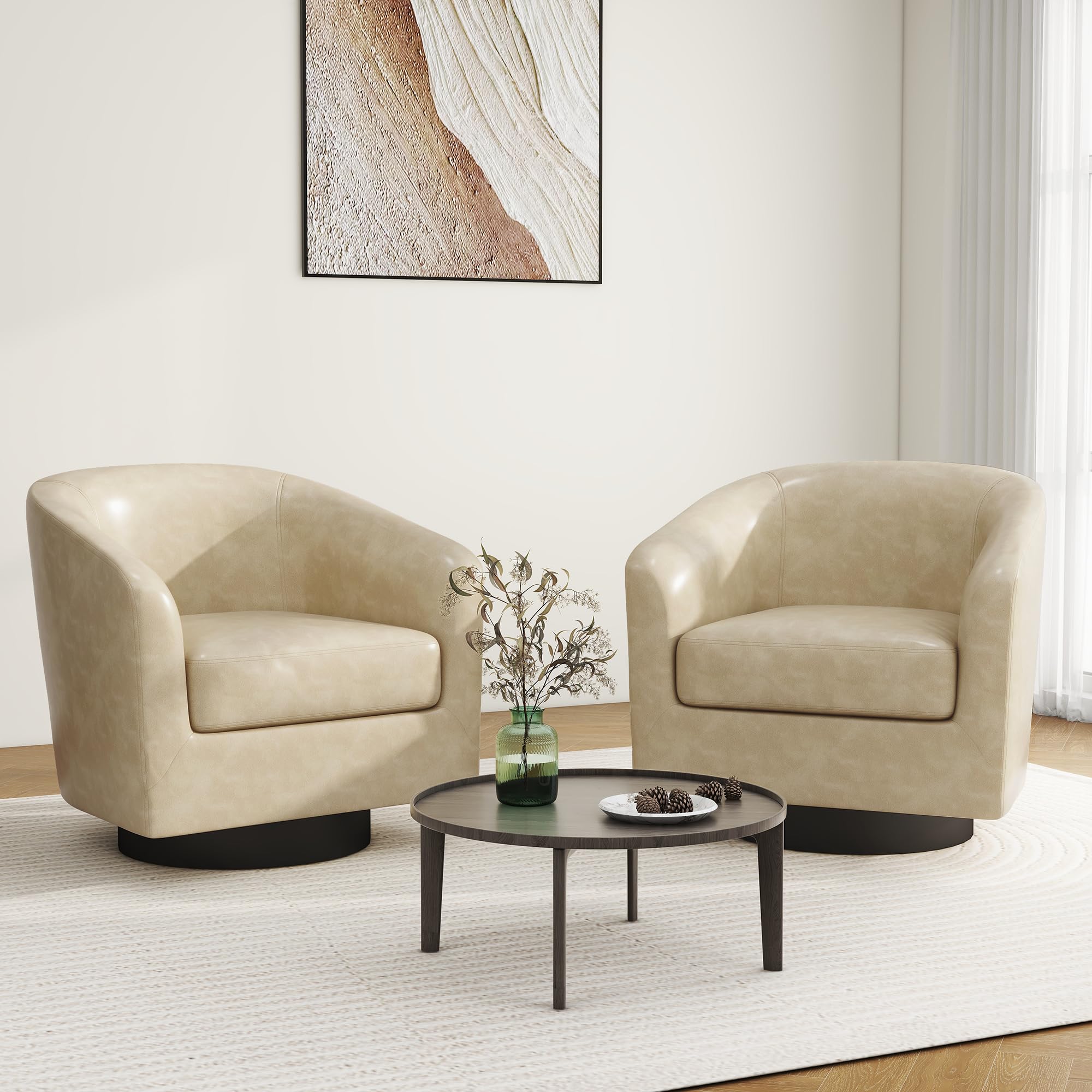
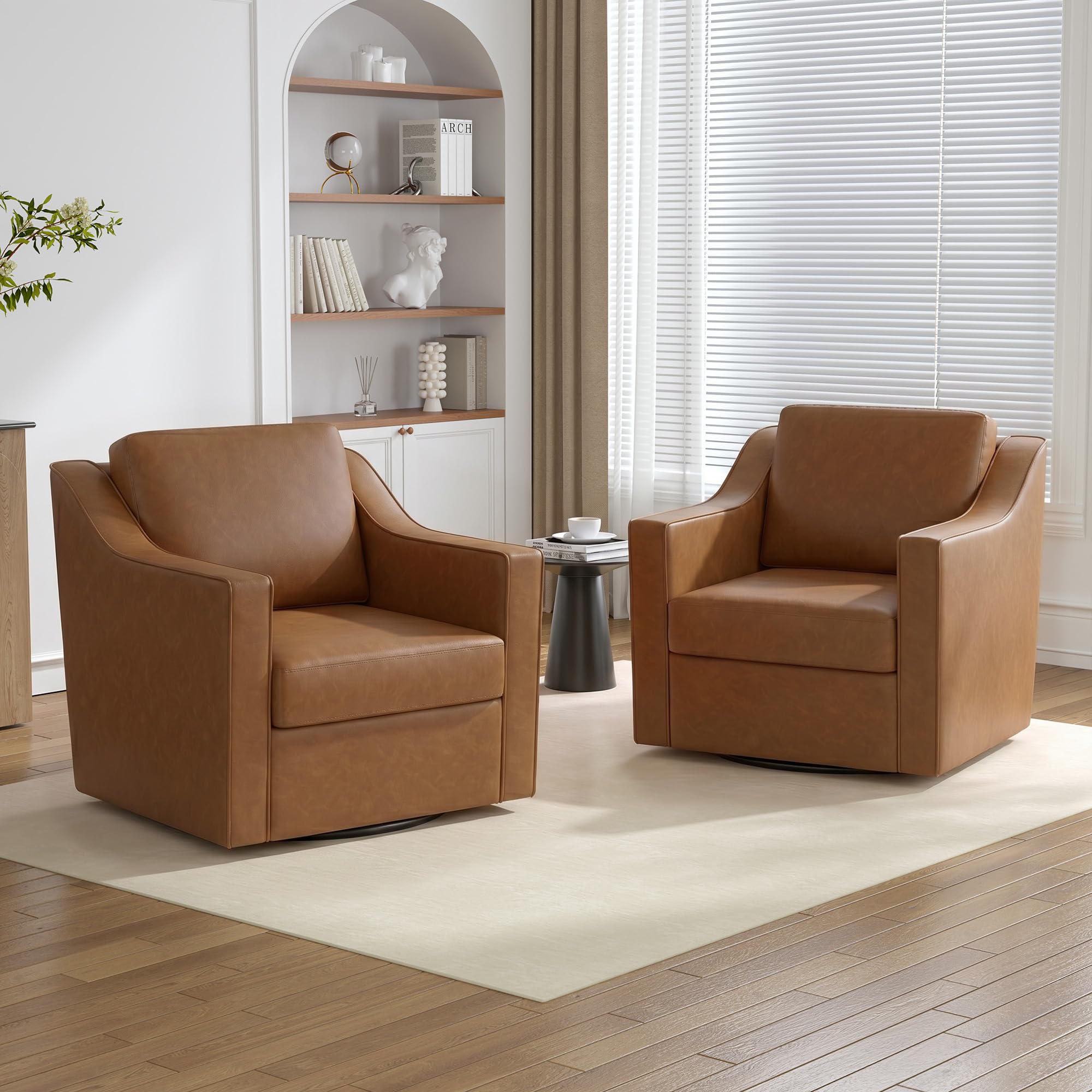

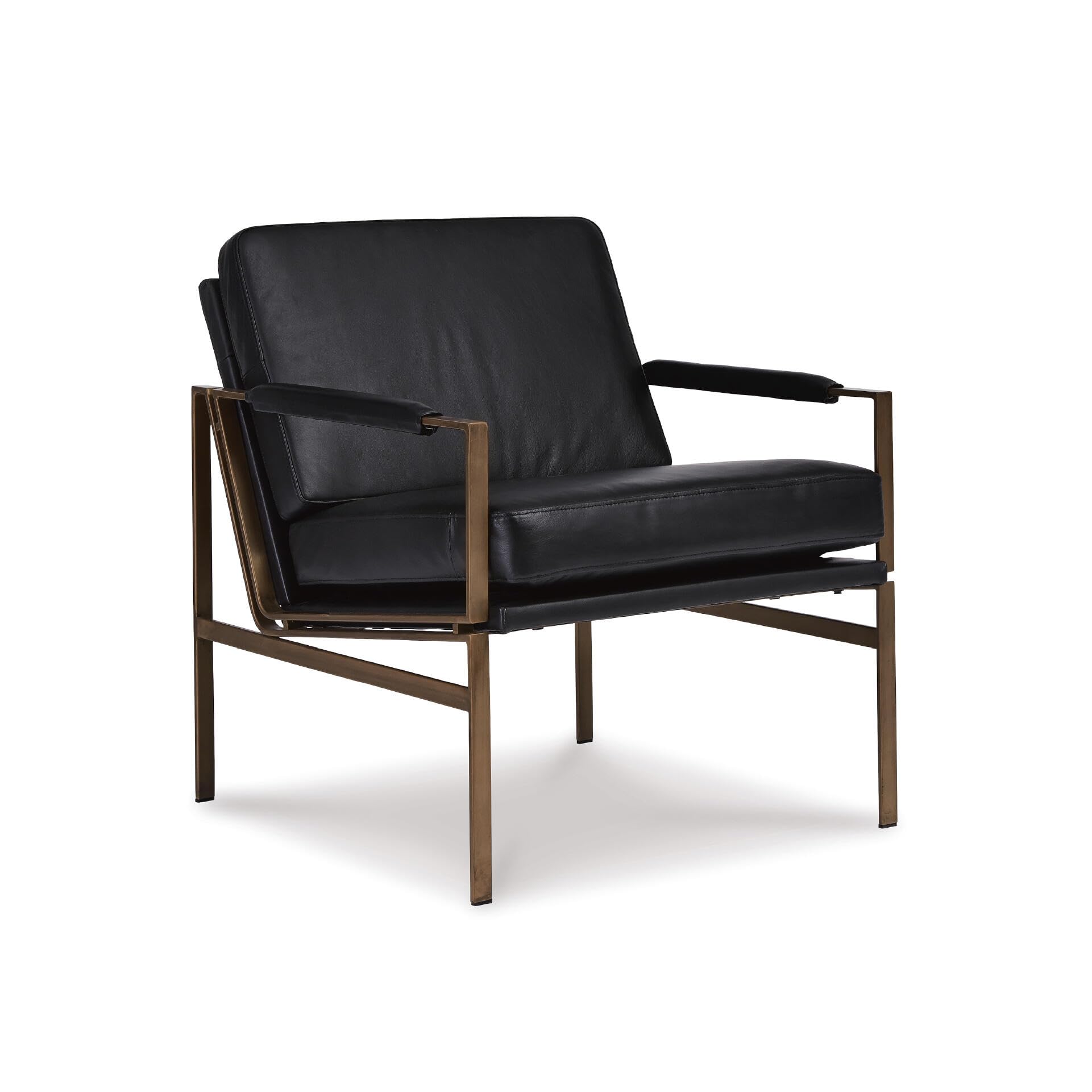
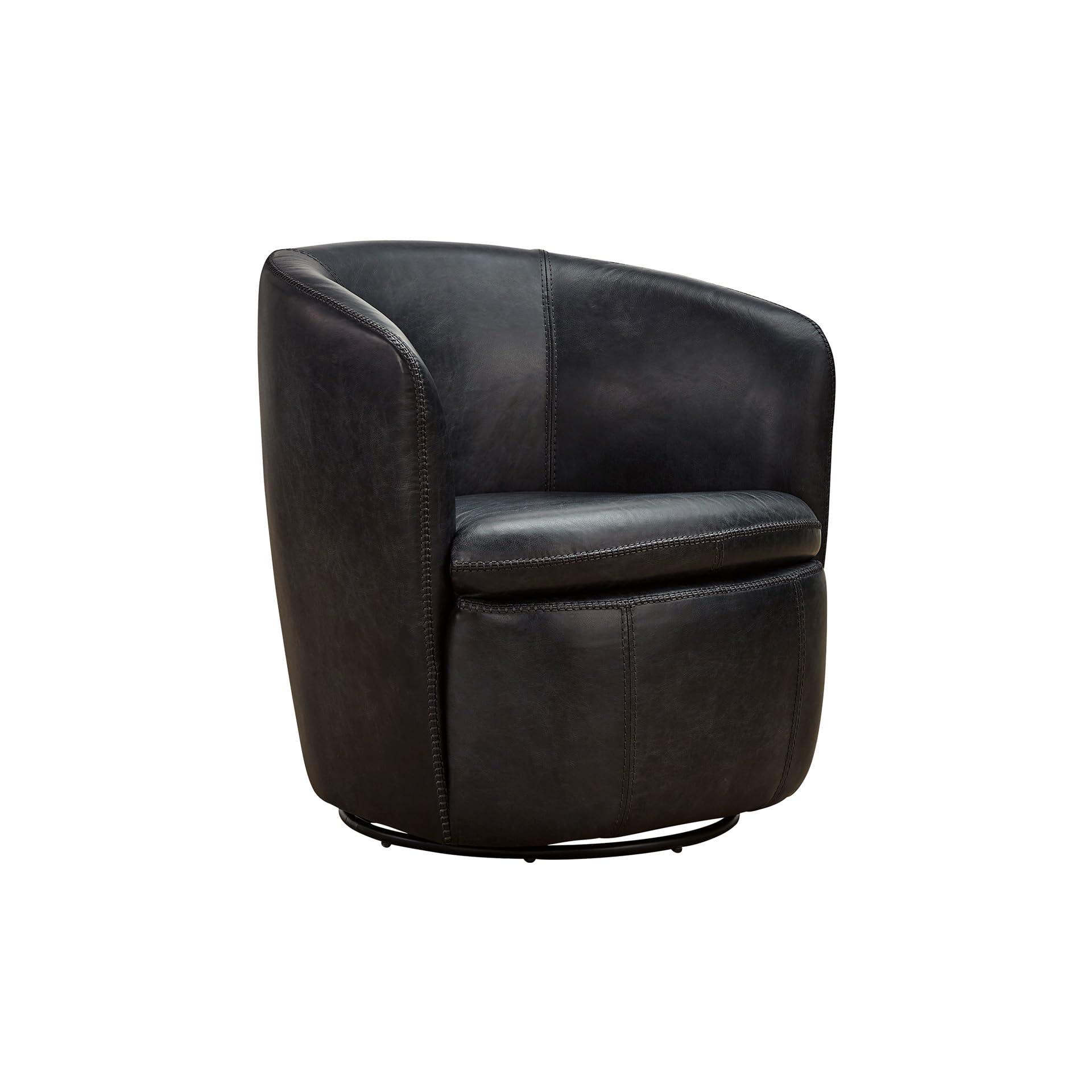
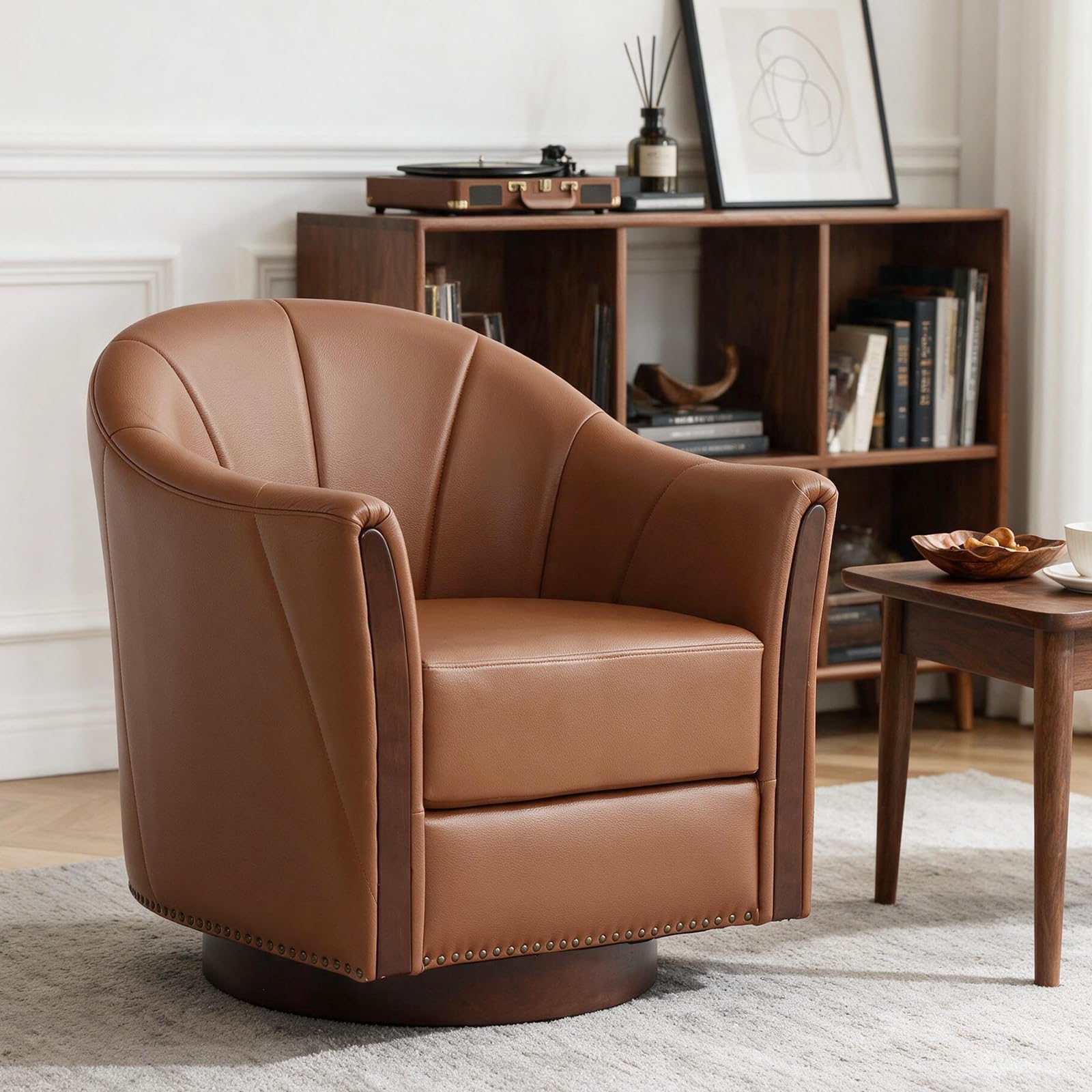
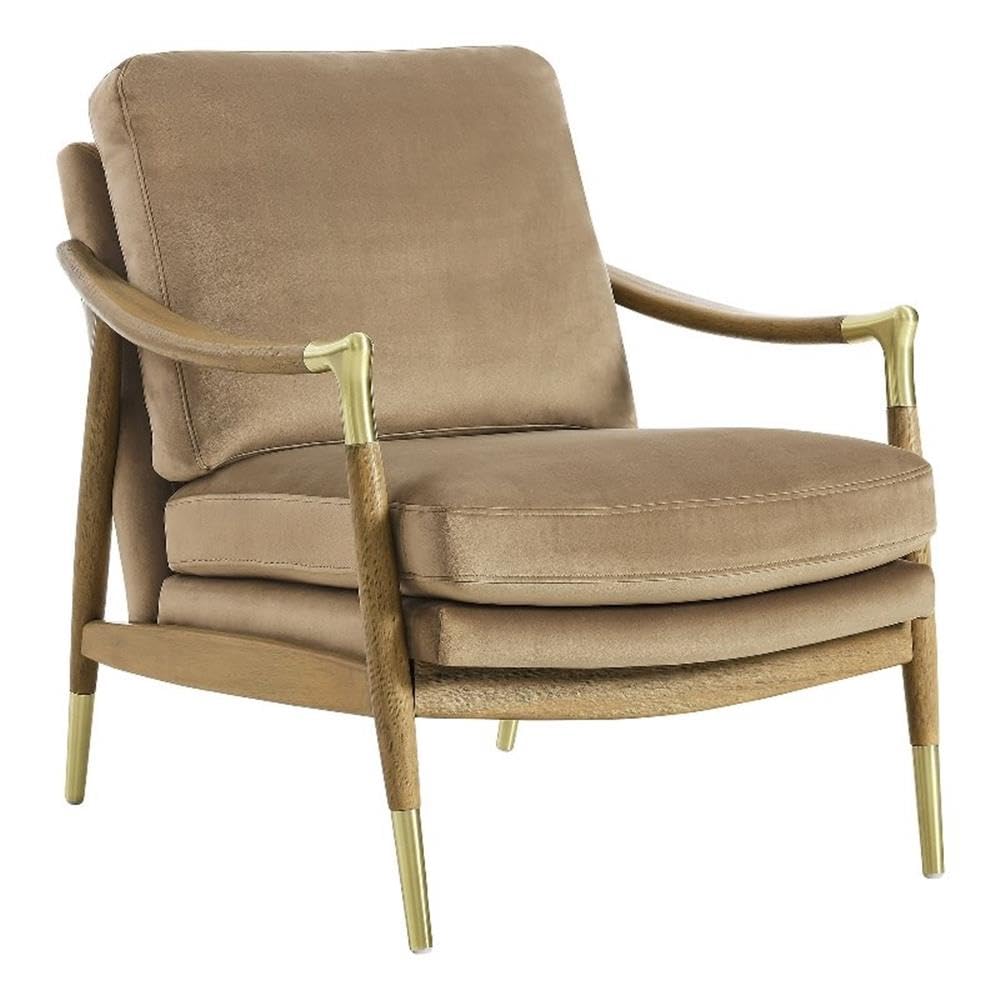
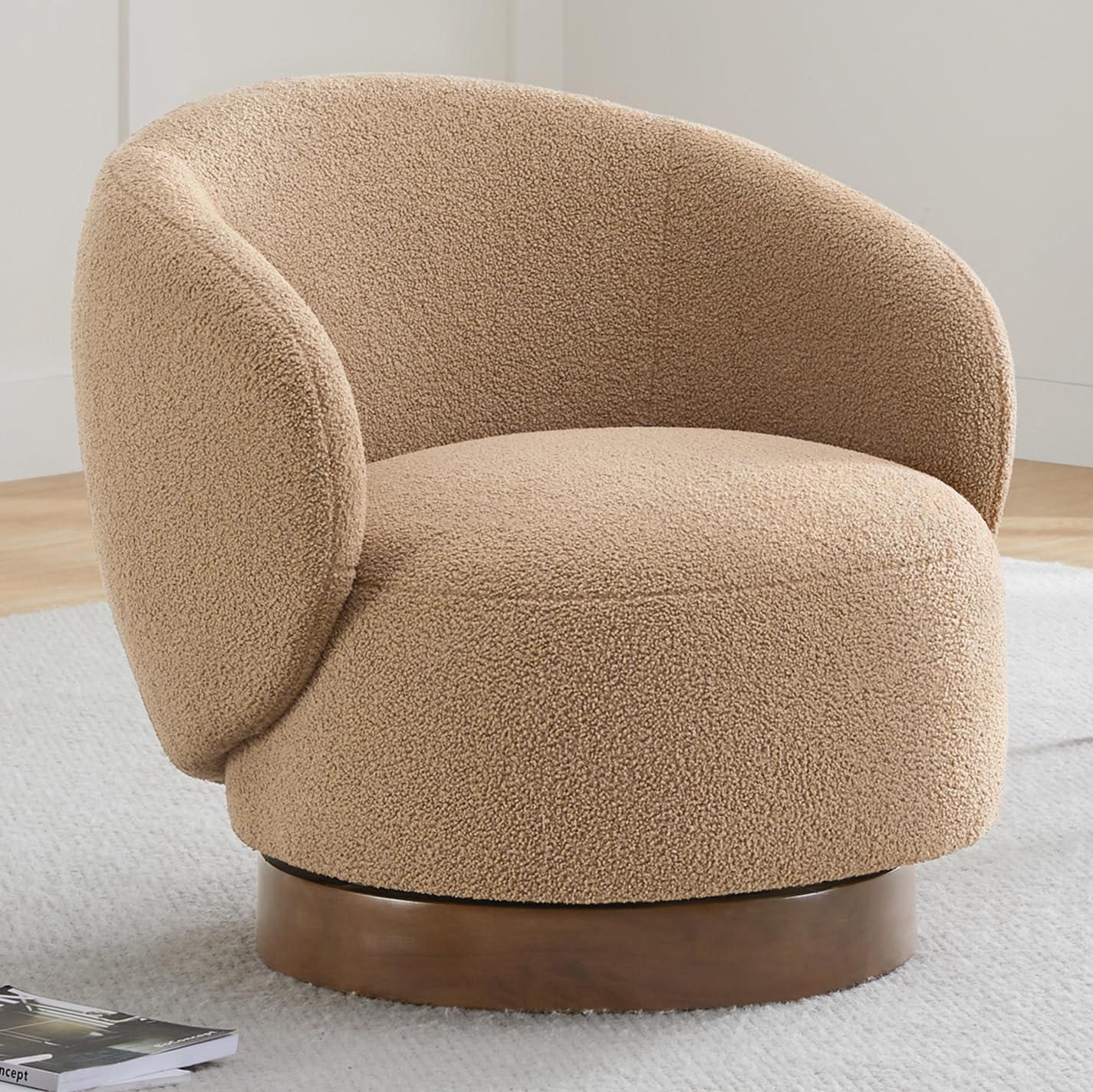
Finding the Right Accent Chair for Your Space
Before you fall for a fabric or color, think about how the chair will actually function. An accent chair used daily for reading needs different support than one that mostly serves as a decorative seat for guests. Cushion density, seat depth, and arm height all affect comfort over long periods, so it helps to sit in similar chairs in person when you can.
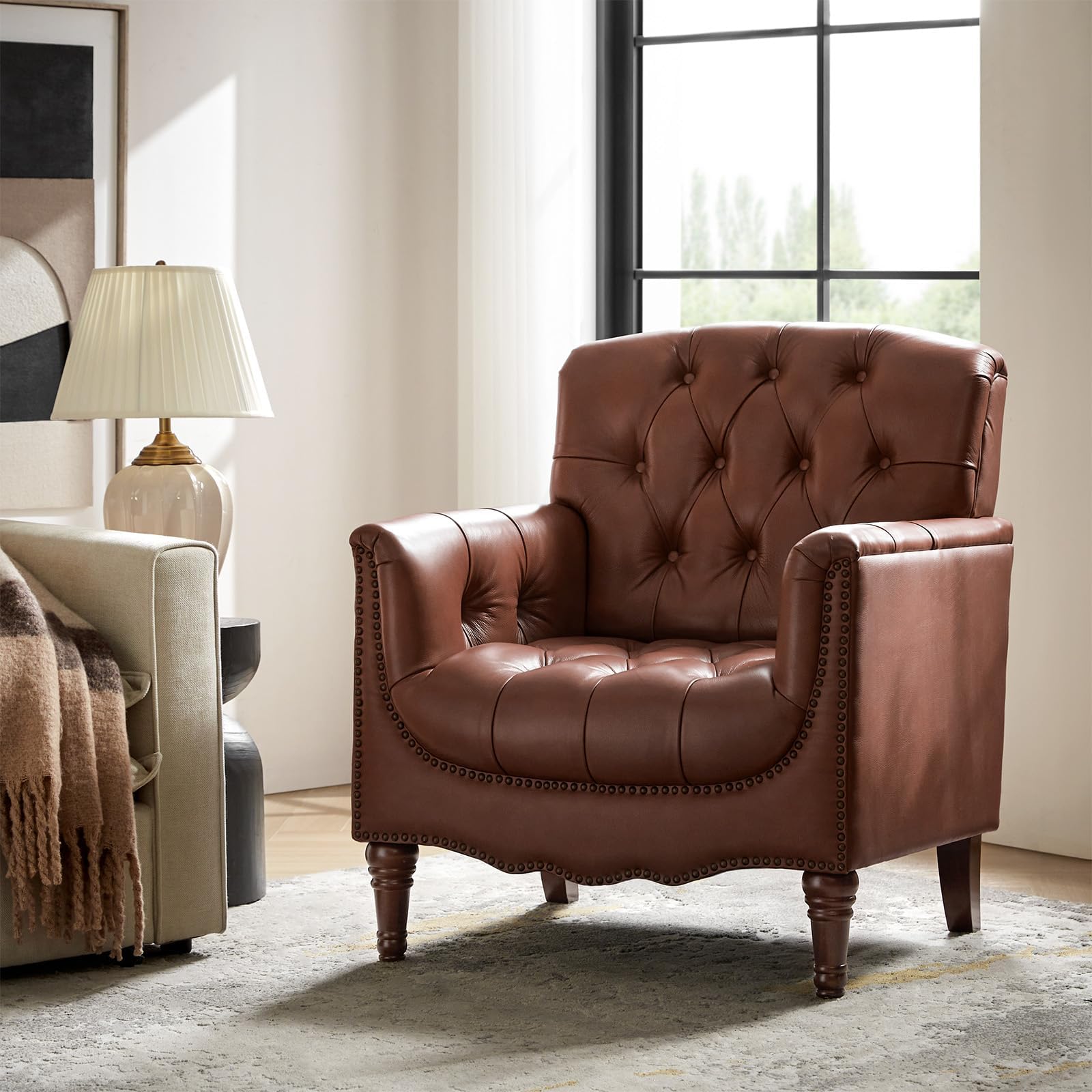
Fabric choice matters just as much as shape. A tightly woven performance fabric or leather stands up better to households with kids or pets, while a bouclé or velvet upholstered chair leans more toward a formal, low-traffic room. Removable, washable cushion covers are worth seeking out if the chair will see everyday use.
Frame construction is the part shoppers skip most often, and it is the part that determines how long the chair lasts. Hardwood frames with screwed and glued joints outperform stapled particleboard frames, and a quick look underneath or a question to the seller can tell you which you are getting. Legs should feel solid with no wobble when you rock the chair gently from side to side.
Chair Styles and Shapes to Consider
Accent chairs range from tall, enclosed shapes to low, open ones, and each style reads differently in a room. Knowing the main categories makes shopping faster and helps you picture how a chair will actually sit in your space before it arrives.
Wingback and Barrel Chairs
Wingback chairs have tall, angled side panels that historically blocked drafts near fireplaces, and today they add a formal, traditional look. Barrel chairs have a rounded back that wraps gently around the sitter, giving a softer, more casual silhouette that works well in transitional spaces.
Slipper and Armless Chairs
Slipper chairs sit low to the ground with no arms, which makes them a smart pick for smaller rooms or spots where a bulkier chair would feel cramped. Their compact frame also makes them easy to move around for extra seating when guests come over.
Swivel and Recliner-Style Options
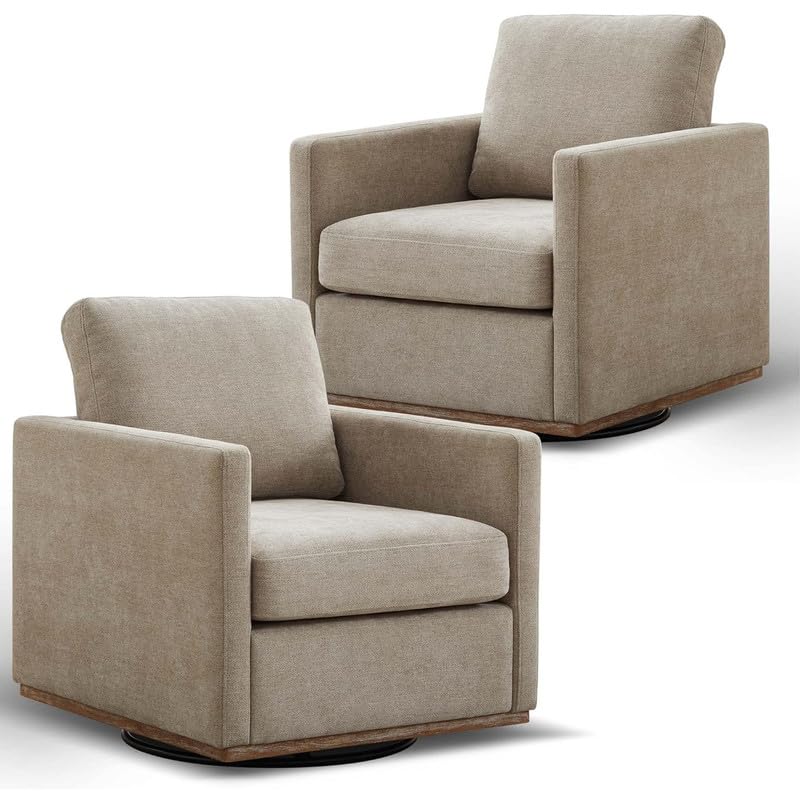
A swivel chair rotates on its base, which is handy for open floor plans where you might want to face the television one moment and a conversation area the next. Recliner-style accent chairs add adjustable backs and footrests for households that want the extra comfort of a living room chair that reclines without looking like a traditional recliner.
Sizing Your Chair to the Room
Measure the space where the chair will sit, including enough clearance for walking paths and any doors or drawers that need to open nearby. A general rule is to leave at least 30 inches of open floor space in front of the chair so it does not block traffic flow.
Seat height and depth matter for comfort more than overall chair size. A seat between 17 and 20 inches high suits most adults, while seat depth around 20 to 22 inches keeps shorter users from feeling like they are perched on the edge. Taller chair backs work well as a stand-alone reading spot, while lower backs pair better when the chair sits beside a sofa of similar height.
If you are placing two chairs as a pair, measure the gap you want between them and the width of any table or lamp that will sit in between. A too-narrow gap makes the seating area feel cramped, while too much space can make a small room look sparse and disconnected.
Where Accent Chairs Work Best
Living rooms are the most common home for an accent chair, usually placed across from the sofa or angled beside a window to create a reading corner. Bedrooms benefit too, especially a slipper or armless style tucked into a corner as a spot to sit while getting dressed.
Entryways and home offices are less obvious spots that still work well. A single chair near the front door gives guests somewhere to sit while removing shoes, and a comfortable chair in a home office can double as a spot for phone calls away from the desk.
Open floor plans benefit from a chair that helps define a zone without adding a wall. Placing two chairs at an angle to the sofa, rather than directly across from it, creates a more natural conversation area and keeps the layout from feeling too formal.
Mistakes That Undercut a Good Accent Chair
- Choosing a chair that matches the sofa fabric exactly, which removes the contrast that makes an accent piece stand out.
- Skipping the in-person sit test and relying only on product photos to judge comfort.
- Picking a scale that is too large or too small for the room, throwing off the visual balance of the space.
- Ignoring cushion fill type, which affects how the chair feels after months of regular use.
- Placing the chair somewhere it blocks a walkway or keeps a door from opening fully.
Small missteps like these are easy to avoid once you know to look for them. Taking a few extra minutes to check fabric contrast, scale, and placement before you buy saves you from a chair that looks great in photos but never quite works in the room.
FAQ
How many accent chairs does a living room need?
Most living rooms work well with one or two. A single chair adds contrast next to a sofa, while a pair works nicely flanking a fireplace or window for symmetry.
What fabric holds up best for everyday use?
Performance fabrics and leather resist stains and wear better than delicate materials like silk or raw linen, making them a safer choice for busy households.
Can an accent chair work as a primary seat?
Yes, as long as it offers enough cushioning and support for longer sitting. Check seat depth and cushion density if it will see daily use.
Do accent chairs need to match other furniture?
No. Many designers prefer a slight contrast in color, pattern, or material so the chair reads as a deliberate accent rather than a matched set.
What size chair fits a small room?
Slipper or armless styles with a narrow frame and low back work best in tight spaces, since they take up less visual and physical room.
How long should a well-made chair last?
A chair with a hardwood frame and quality cushion fill can last well over a decade with normal use and occasional cleaning.
Bringing It All Together
The right chair for your home is the one that fits your room's scale, supports how you actually plan to sit in it, and adds a bit of contrast to the space around it. Focus on frame quality and cushion comfort first, then let style and fabric be the fun part of the decision. With the right measurements and a clear sense of placement, you will end up with a chair that feels like it was made for the room.
Related reading: best 3 seater sofas and best bookcases for home library.