
Best Comfortable Work Boots Steel Toe: Everything to Know Before Your First Purchase for 2026
Disclosure: We may earn a commission when you buy through links on this page, at no extra cost to you. As an Amazon Associate I earn from qualifying purchases. Learn more

Learn how to choose the best comfortable work boots steel toe for your job, with plain English guidance on safety ratings, fit, weight and waterproofing.
Buying protective boots for the first time is confusing, because every label seems written for people who already know the trade. Ratings, toe types, and sole terms all affect both your safety and your comfort across a long shift. This beginner guide to the best comfortable work boots steel toe options explains each term in plain English, in the order you will meet it while shopping.
Use the comparison table below to see how styles differ in height, weight, and protection. Then work through the basics and the spec guides that follow, and you will know exactly which features your job requires and which ones you can safely skip.

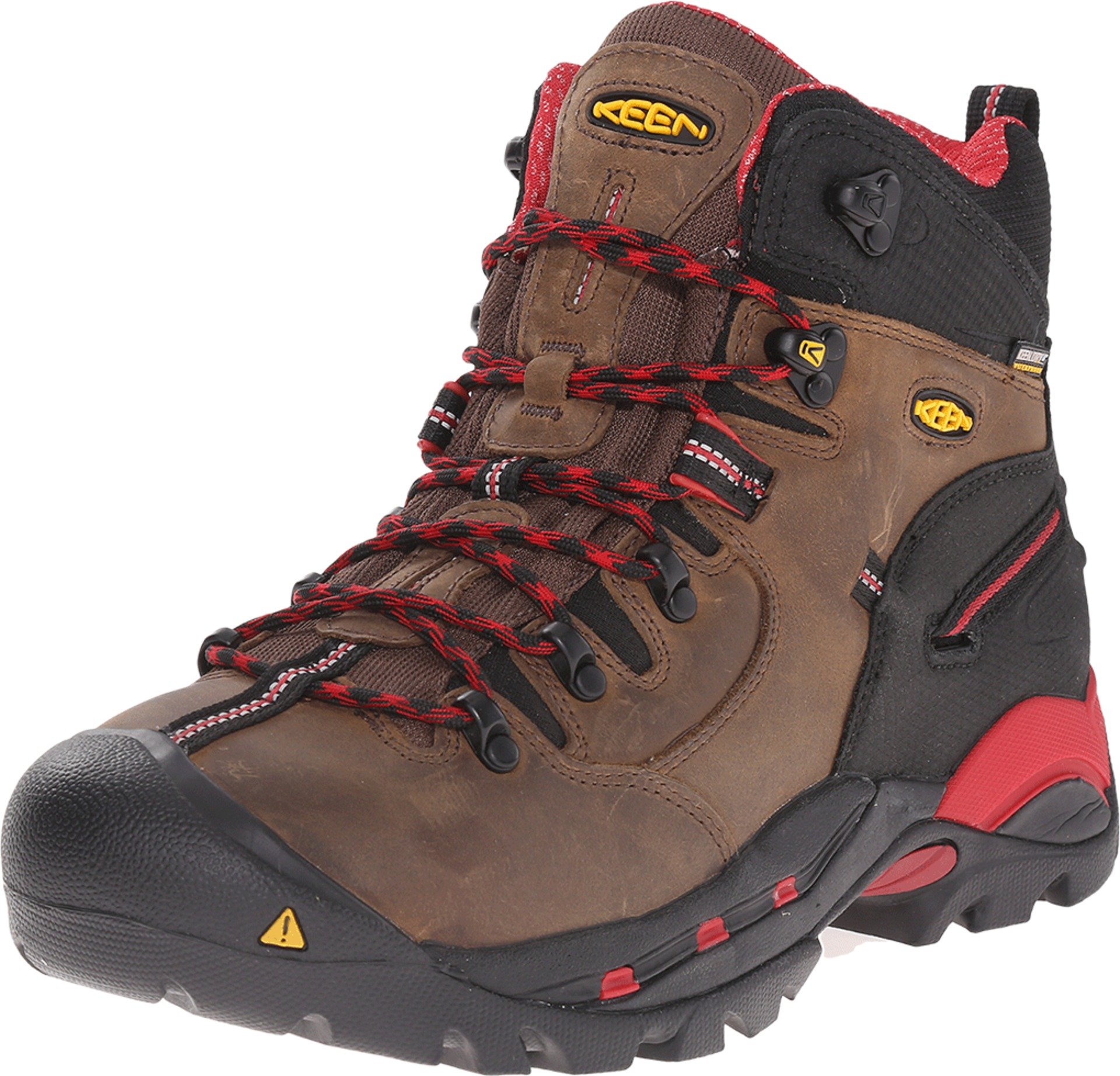


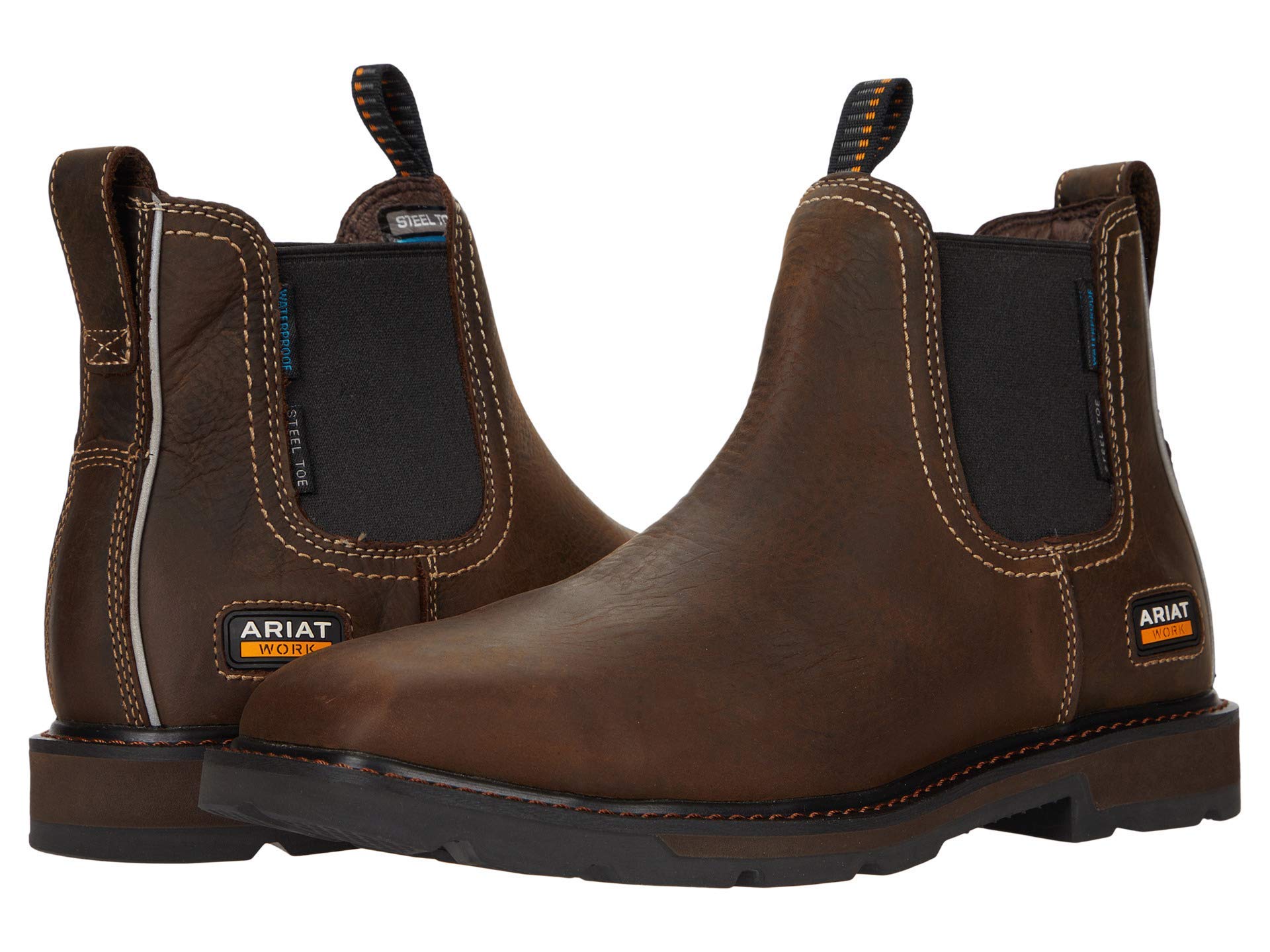
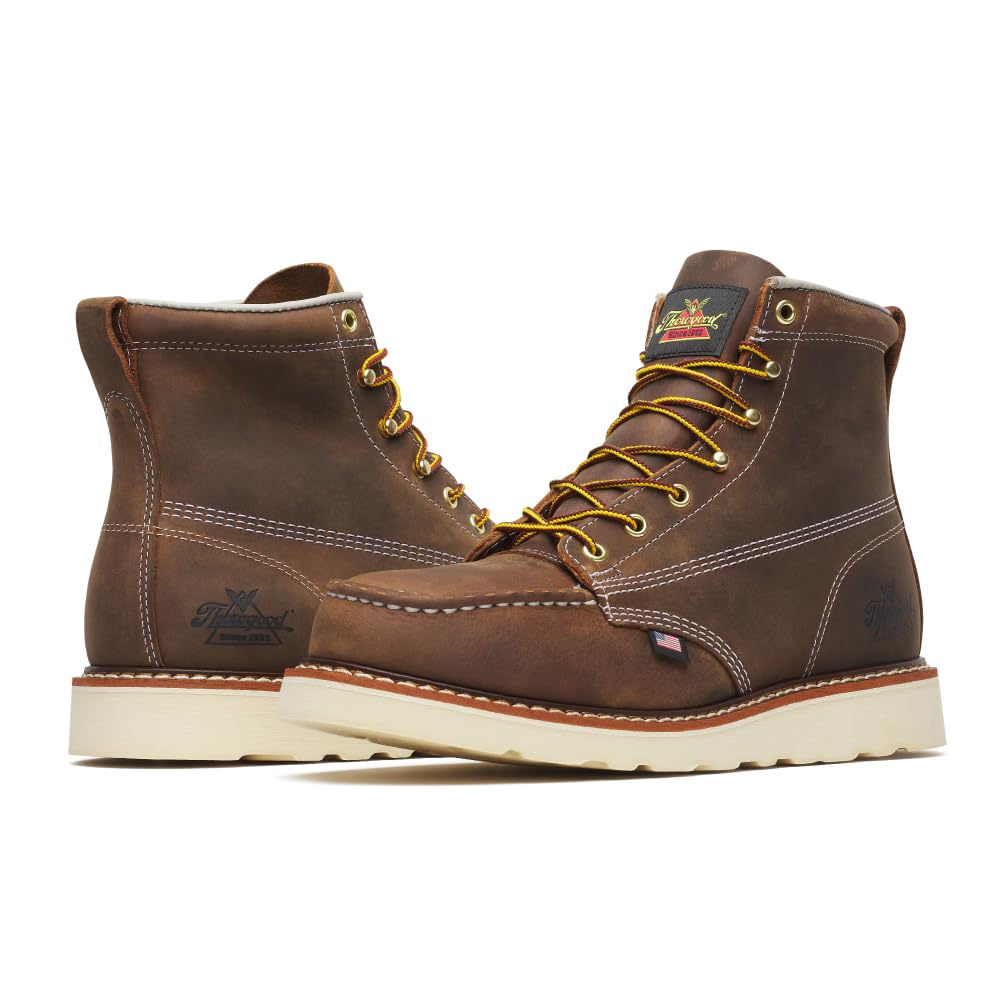


Steel Toe Work Boots 101: The Basics
A steel toe boot has a cap of hardened steel built into the front of the boot, shaped to shield your toes from falling objects and compression. The cap sits inside the boot, so the outside looks like an ordinary work boot. That protection is tested against set impact and compression levels, and boots that pass carry a recognised safety rating on the label inside the tongue or shaft.
Comfort comes from everything around that cap, the fit of the toe box, the cushioning underfoot, the weight of the whole boot, and how the sole flexes as you walk. A protective boot you cannot stand to wear is a problem, because tired workers take shortcuts. Your employer safety rules always come first, so confirm the rating your site requires before you fall for any style. Our overview of the best steel toe work boots explains rating labels in more detail.
Key Specs Explained in Plain English
Five specifications decide most of your experience in these boots. Each one below is explained with the level a first time buyer should usually aim for.
Fit, Sizing, and Toe Box
The steel cap does not stretch, so toe box room is the fit issue that matters most in this category. Your toes should never touch the cap at the front or press its edges at the sides, even when your feet swell late in a shift. Shop in the afternoon, wear your real work socks, and allow about a thumb width ahead of your toes. If your toes brush the cap while walking downhill or crouching, go wider rather than longer. Readers comparing comfort focused lasts can also see our guide to the best comfortable steel toe boots.
Weight and Flexibility
Steel caps add weight, and a heavy pair can add up to real leg fatigue across thousands of steps per shift. Most comfortable models balance protection with lighter midsoles and flexible forefoot designs, so the boot bends where your foot bends instead of fighting it. Lift a boot and flex it by hand before buying. It should bend at the ball of the foot and feel secure, not floppy, at the ankle. If your job involves ladders or climbing, a defined heel also helps you hook rungs securely.
Waterproofing with Gore Tex and Membranes
A waterproof membrane such as Gore Tex lines the inside of the boot and blocks water while letting some vapour escape. Choose it if you work outdoors, wash down areas, or walk through wet ground daily, and expect a warmer boot as the trade off. Indoor workers on dry floors usually do better with plain breathable leather, which runs cooler across a long shift. Whichever you choose, check the tongue design, because a tongue attached to the sides keeps water and debris out far better. Compare wet job options in our guide to the best work boots waterproof steel toe.
Outsole Traction and Terrain
The outsole is your contact with the ground, and its tread pattern should match your surface. Deep lugs grip mud, gravel, and outdoor sites but can feel clumsy and track dirt on smooth indoor floors. Flatter, siped soles grip wet concrete and tile better and suit warehouse and workshop work. Many soles are also rated for slip resistance and resistance to oil, which matters around machinery and kitchens. Match the tread to where you spend most hours, not the roughest surface you meet once a month.
Cushioning and Support
Cushioning in a work boot comes from the insole, the midsole, and the shape of the footbed working together. Look for a removable insole with real thickness at the heel, a midsole that absorbs impact on concrete, and an arch contour that matches your foot rather than a flat board. Heel to toe drop is modest in most work boots, which keeps your stance stable under loads. Workers who stand on concrete all day feel this section most. Sizing advice in our guide to the best steel toe work boots for men also applies to anyone shopping in men sizing.
Rookie Mistakes to Avoid
- Buying your trainer size without trying boots in work socks, when protective boots size and fit very differently.
- Choosing a fashion height or colour before confirming the safety rating your employer actually requires.
- Ignoring toe cap pressure in the store and hoping it will stretch, when steel never stretches at all.
- Paying for waterproofing you do not need, then wondering why your feet overheat indoors all shift.
- Wearing brand new boots for a full first shift, instead of breaking them in over shorter days.
Getting Started: First Wear and Break In
Start by wearing your new boots at home for an hour, checking for cap pressure and heel slip while you can still exchange them easily. Then wear them for two or three shorter workdays before a full shift, and carry your old footwear as backup during that first week. Pair them with cushioned work socks, which reduce friction and add padding over the toes, as our guide to the best work socks for steel toe boots explains. After wet days, air dry the boots at room temperature away from direct heat, and loosen the laces fully so air reaches the inside.
Steel Toe Work Boots: Your Questions Answered
Are expensive steel toe work boots worth it?
They are worth it when the price buys lighter materials, better cushioning, and a warranty that covers defects through heavy use. First time buyers should set a midrange budget rather than the cheapest option, because comfort decides whether you keep wearing protective boots willingly. Very costly models add durability and refinements that matter most in harsh outdoor work. If your job is indoors and dry, a sound midrange pair plus good socks usually delivers the comfort you need.
How should steel toe work boots fit?
They should hold your heel firmly, support the midfoot without squeezing, and leave clear space around every toe inside the cap. Walk, crouch, and climb a step while testing, because toe contact often appears only when the foot flexes. Sizes differ between brands, so measure both feet and use the larger one. If one foot is notably bigger, fit that foot and use an insole or thicker sock in the other boot rather than cramping the larger foot all day.
Do I need waterproof steel toe work boots?
You need waterproofing if water reaches your boots in a normal week, through rain, washdowns, mud, or wet grass, because wet feet blister faster and stay cold. You probably do not need it for dry indoor work, where breathable leather will feel cooler and dry faster overnight. Be honest about your site rather than your hopes. Some buyers keep one waterproof pair for outdoor tasks and one lighter pair for indoor days, rotating by assignment.
Can I wear steel toe work boots all day?
Yes, and millions of workers do, provided the fit is right and the boots are broken in gradually. Cushioned socks, a midday change of socks on sweaty days, and insoles matched to your arch all extend comfortable hours. Standing on concrete is harder on feet than walking, so anti fatigue mats help where your employer allows them. Persistent pain, numbness, or tingling is not something to push through. Raise it with a clinician and check your fit, because protective boots should not hurt.
How often should I replace my steel toe work boots?
Replace them when cushioning feels dead, the outsole tread has worn smooth in your grip zones, or the upper cracks around flex points. Many workers reach that point after about 12 to 18 months of daily use, sooner in abrasive environments. Replace a boot immediately after any heavy impact on the toe, even if it looks fine, because the cap may have deformed in ways you cannot see. Safety protection is the job of the boot, and doubtful protection is not protection.
How long is the break in period for steel toe work boots?
Allow about one to two weeks of gradually longer wear before the leather, footbed, and sole feel fully yours. Stiffer outdoor models sit at the longer end of that range, while soft indoor styles settle faster. The toe area itself will never change shape, so pressure there on day one is a sizing problem to solve by exchange, not patience. Blisters during break in usually mean heel slip, and thicker socks or a different lacing pattern often fixes that within a day.
Our Verdict
Confirm the rating your job requires, fit the toe box with room to spare, and match weight, waterproofing, and tread to your real surfaces. Those three decisions matter more than any styling detail. Compare your shortlist in the product table above, break the winner in gradually, and you will own the best comfortable work boots steel toe pair for your work, your feet, and your budget as a confident first time buyer.


