
Best Comfortable Work Shoes Womens 2026: Fit, Support, and Style
Disclosure: We may earn a commission when you buy through links on this page, at no extra cost to you. As an Amazon Associate I earn from qualifying purchases. Learn more

Comfortable work shoes for women: how to match fit, cushioning, traction, and style to your dress code and your floor.
A good work shoe for women has to do three jobs at once: meet the dress code, carry you through a full shift, and grip the floor you actually cross. The best comfortable work shoes womens feet can wear all day usually come from matching the shoe to the job first, then checking last shape, cushioning, and traction. This guide walks through who needs what, the main styles, and the details that decide comfort at hour eight.
The comparison table below gives a quick overview of the options. Read the sections that follow to decide which style suits your workplace, and check your employer's footwear rules before you order, since some jobs require closed toes, slip resistance, or toe protection.



Who Should Buy Comfortable Work Shoes for Women
Work shoes carry very different demands depending on the job, so start by naming your own.
Office and Business Settings
If your day mixes desk time, meetings, and walks between floors, you need a shoe that looks polished and stays kind to your feet. Smart flats, low block heels, and cushioned loafers all work. Look for a padded insole, a flexible forefoot, and a heel low enough to stand in during a presentation. A stable heel base matters more than slimness.
Retail, Hospitality, and Healthcare
Long shifts on hard floors with constant standing and short walks call for a cushioned, slip resistant shoe with a wipe clean upper. Spills are routine in these jobs, so grip on wet tile and an upper that tolerates cleaning are worth more than a fashionable shape. Breathable uppers help, because hot feet swell and ache sooner.
Warehouse, Factory, and Site Work
Jobs with falling objects or heavy carts often require protective toes, puncture resistance, and sturdy soles. Safety style work shoes for women are built on smaller lasts than men's models, which improves fit around the heel and midfoot. Confirm the rating your site requires before you consider comfort features, because a shoe that fails the rules cannot be worn however soft it feels.
Types of Comfortable Work Shoes for Women
Smart Flats and Loafers
Flats and loafers suit offices and customer facing roles where a neat look matters. Choose styles with a cushioned footbed and a rubber outsole rather than thin leather soles, which feel hard and slip on polished floors. They offer less arch support than trainers, so a removable insole helps if you want to add your own.
Work Trainers
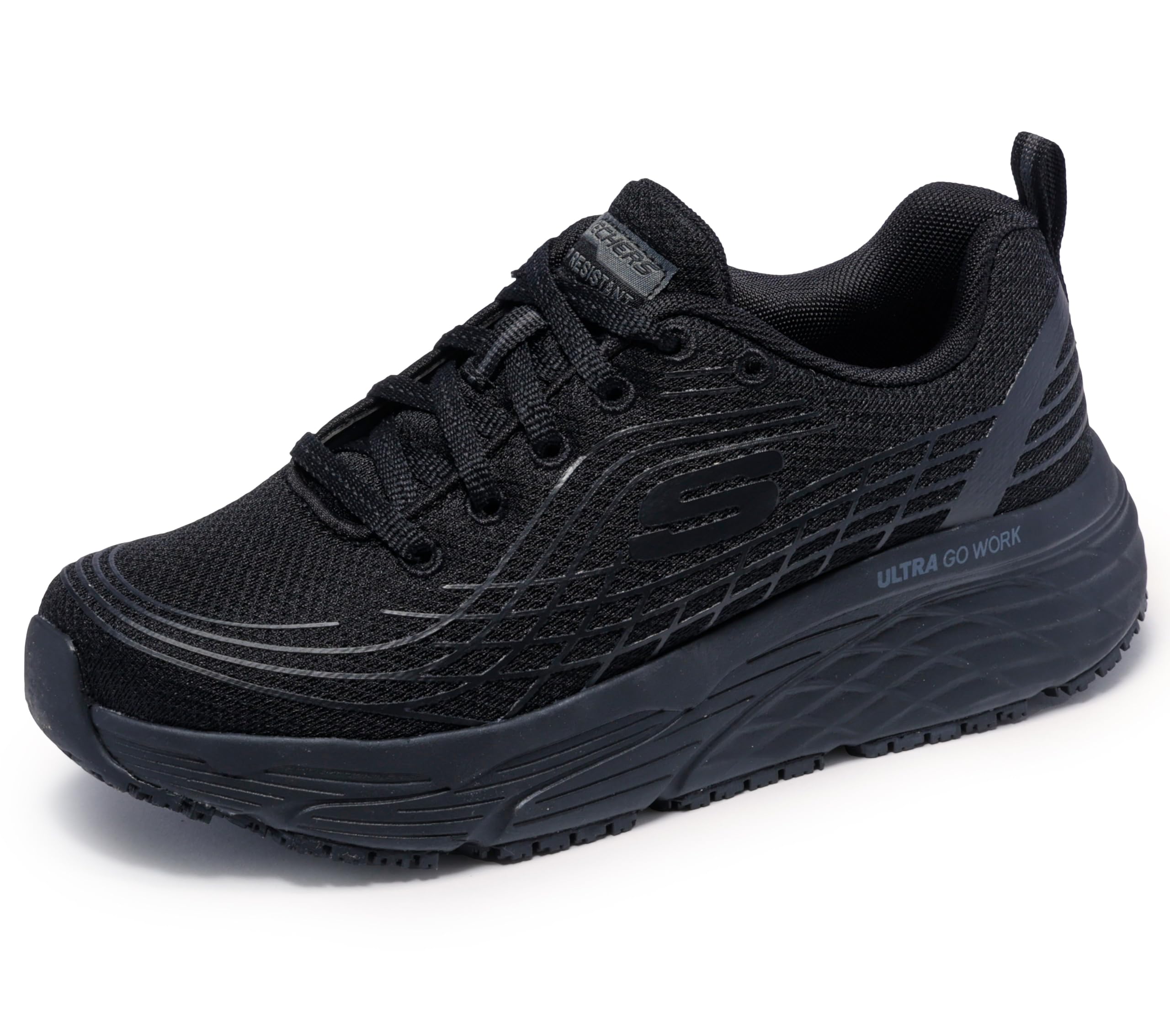
Work trainers combine athletic cushioning with a dark, neat upper and often a slip resistant outsole. They suit retail, teaching, and healthcare roles where dress codes allow them and the day involves many steps. They are the lightest option and need almost no break in, though knit uppers can scuff and stain sooner than leather.
Low Heel Work Shoes
A low block heel or small wedge adds polish for meetings while staying steadier than a slim heel. Keep the heel modest and the base wide, and look for a padded forefoot, since a raised heel shifts weight onto the ball of the foot. They suit people who want a dressier look without the strain of a tall heel.
Safety Style Work Shoes
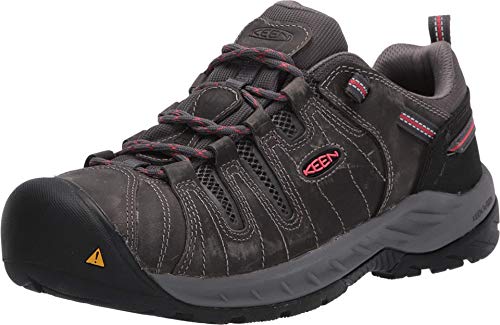
Safety style shoes add a protective toe and a stiffer, grippier sole for warehouses, kitchens, and workshops. They weigh more than flats or trainers, so check the weight and flex before you commit, and look for removable insoles. Do not rely on a shoe's looks for protection: check the label for the rating your workplace requires.
Key Features That Decide Comfort
Fit, Width, and Toe Box
Women's lasts usually run narrower through the heel and different through the arch than men's, so a converted men's size rarely fits the same. Try shoes late in the day, when feet are at their largest, and wear the socks or hosiery you use at work. Leave a thumb width in front of your longest toe, and choose a wide size rather than going up in length if the forefoot pinches.
Cushioning and Arch Support
Cushioning should be densest under the heel and the ball of the foot, where standing and walking concentrate pressure. Soft foam alone bottoms out over a long shift, so look for a footbed with gentle arch contour and a midsole that rebounds when pressed. A removable insole lets you swap in a supportive insert if the stock one flattens.
Traction and Slip Resistance
Smooth office floors, wet kitchen tile, and polished retail floors all punish a hard, flat sole. Look for a rubber outsole with a visible tread pattern, and check whether the maker states slip resistance. Clean the tread regularly, because trapped dirt reduces grip as surely as wear does.
Weight, Flexibility, and Breathability
A lighter shoe tires your legs less across thousands of steps, but very light shoes may offer less stability. Flex the shoe by hand: it should bend at the ball of the foot, not fold in the middle of the arch. Breathable linings reduce sweat and blisters, which matters in enclosed shoes worn for eight hours or more.
Common Mistakes to Avoid
- Converting a men's size instead of checking women's fit and width options.
- Choosing a high heel for a full shift without wearing it for several hours at home first.
- Ignoring workplace safety rules and picking by style alone.
- Wearing new shoes for a full first shift instead of breaking them in with short wears.
- Keeping a pair after the cushioning has flattened or the tread has worn smooth.
Care and Everyday Use
Air your shoes after work, rotate two pairs when you can, and let them dry away from direct heat so foam and leather keep their shape. Wipe uppers following the maker's guidance, check outsoles for smooth patches, and replace insoles once they stay flat after a rest day. Moisture wicking socks reduce dampness and blisters. If you notice persistent pain, swelling, or numbness that new shoes do not ease, talk with a clinician about your personal needs.
Related Guides to Compare
If your job sits between styles, compare best comfortable women's dress shoes for work for office settings, best comfortable work shoes for the wider category, best comfortable dress shoes women's for dressier styles, and best shoes for warehouse work women's for protective footwear.
Frequently Asked Questions
How do women's work shoes differ from men's work shoes?
Women's work shoes use lasts shaped for a narrower heel and a different arch position, so fit usually feels better than a converted men's size. Width options also vary, which matters on long days. Always check the stated women's sizing and width rather than guessing a conversion, and try shoes later in the day for a truer fit.
What heel height is best for work?
A low, stable heel usually suits long workdays better than a high slim heel. Block heels and low wedges feel steadier and reduce pressure on the forefoot. If your job involves stairs or long walks, a flat or very low heel may feel best. Choose a height you can wear for a full shift, not just for an hour.
Are trainers acceptable as work shoes?
Trainers are accepted in many retail, healthcare, and warehouse roles, but dress codes vary. Check your workplace rules for colour, slip resistance, and toe protection. A neat dark trainer often passes smart casual codes. If your role needs safety footwear, choose a model that meets those rules.
How can I prevent blisters in new work shoes?
Break in new shoes gradually with short wears at home before a full shift, and wear moisture wicking socks. Check for rubbing at the heel and toes, and use a cushioned insole or heel grip if needed. Persistent rubbing usually means the fit is wrong rather than that you need more time, and ongoing pain deserves clinician advice.
When should I replace work shoes?
Replace them when cushioning flattens, grip smooths out, or support feels uneven. Daily wear on hard floors uses shoes up faster than occasional wear, and rotating two pairs extends life. Check outsoles monthly, since worn grip raises slip risk.
Final Thoughts
Start from your workplace rules and your longest day, then check fit, cushioning, and traction in that order. Compare your shortlist in the product table above, and choose the best comfortable work shoes womens style that fits your job, your feet, and your budget.


