Best Affordable Steel Toe Boots: A Practical Buying Guide for 2026
Disclosure: We may earn a commission when you buy through links on this page, at no extra cost to you. As an Amazon Associate I earn from qualifying purchases. Learn more

Compare the best affordable steel toe boots by fit, safety rating, traction, and daily comfort, with clear buying guidance to help you choose well.
A new job, a worn out pair, or a stricter safety policy can send you shopping on a deadline, and the budget rarely stretches as far as you would like. The good news is that best affordable steel toe boots do not have to mean flimsy boots. At lower prices you can still get a certified steel cap, a stable sole, and a fit you can stand in all shift, as long as you know where makers can safely save money.
This guide covers budget expectations, fit, weight, traction, materials, waterproofing, styles, and care. Use it alongside the comparison table below to line up prices and key specs before you order.


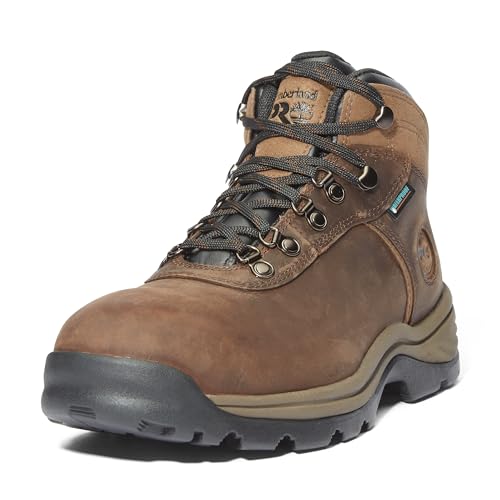


Buying Guidance for a Tight Budget
Affordable only counts as a bargain if the boots pass your job site rules and stay comfortable past the first week. The sections below sort the spending for you.
Safety Ratings You Should Never Trade Away
Start with the label inside the boot, because no discount is worth a failed safety check. Look for an ASTM F2413 rating for impact and compression protection, which confirms the steel cap meets the standard most US employers require. If you work around live circuits, look for an electrical hazard rating as well. Bring your employer written requirements when you shop.
Comfort Features Worth Paying For
Once the safety rating is covered, spend what is left on the parts your feet feel every hour. A cushioned insole with real arch support, a padded collar, and a lining that moves sweat away from your skin all earn their cost on long shifts. A removable insole helps, because you can swap in a better one later instead of replacing the whole boot.
Extras You Can Skip for Now
Premium leather and branded waterproof membranes are the first places budget lines save money, and you can often live without them. If looks matter for a customer facing role, see our guide to the best looking steel toe boots for styles that still meet safety rules. Spend first on rating, fit, and sole, and treat the rest as optional.
How to Choose Steel Toe Boots That Fit Your Job
When you compare best affordable steel toe boots, work through the factors below in order. Fit comes first, because the strongest cap and the grippiest sole cannot rescue a boot that hurts by lunch.
Fit, Sizing, and the Toe Box
Measure your feet late in the day, when they are at their largest, and try boots on with the socks you actually wear at work. Your toes should clear the steel cap without pressing against it when you stand or crouch, and your heel should stay put with only slight movement. A roomy toe box matters more in safety boots than in street shoes because the cap does not stretch, so a snug fit on day one will not give over time. If you are between sizes, choose the larger size and adjust with insoles or thicker socks.
Fit also differs by last, the foot shape a boot is built around. Men often find wide options easily among best steel toe boots for men, while women usually do better with a boot built on a narrower heel and a shorter last, so see our guide to the best women's steel toe boots rather than sizing down a men's boot. If you have diabetes or circulation problems, talk with your clinician about work footwear, and get checked promptly for numbness, sores that do not heal, or sharp foot pain.
Weight and Flexibility
Steel caps add weight, and budget boots tend to use thicker leather and denser soles, so a pair can feel heavy by the end of a shift. If you climb ladders or walk concrete all day, a lighter boot with a flexible forefoot will tire your legs less. If you work around dropped tools, pallets, and uneven ground, a stiffer and heavier boot gives more support and protection underfoot. Check the listed weight per pair before you decide.
Outsole Traction and Terrain
The outsole decides how safe the boot feels on your actual floor. Deep lugs shed mud and grip gravel and soil on outdoor sites, while flatter tread with wide channels suits smooth concrete and warehouse floors, where it can also carry an oil resistant and slip resistant compound. Look at the tread pattern in the product table above and match it to the surface you stand on most.
Upper Materials and Breathability
Full grain leather is the classic budget upper because it resists scrapes, holds its shape, and lasts well with basic care. Split leather and synthetic panels cost less and break in faster, but they scuff sooner and offer less support around the ankle. Mesh panels and breathable linings help a lot in hot warehouses and summer site work, since steel toe boots trap heat around the cap. For heavy sweating, a breathable upper plus moisture wicking socks beats any single premium feature.
Waterproofing and Moisture Control
Waterproof boots use a membrane bootie inside the upper, sometimes Gore Tex and often a house brand membrane that costs less and still keeps rain and puddles out. Choose waterproofing if you work outdoors, wash down floors, or walk through wet grass, because wet insulation stays cold and heavy all day. Sealed seams and a gusseted tongue matter as much as the membrane itself, because water usually enters at openings rather than through the leather.
Cushioning, Arch Support, and Stability
A stable boot keeps your foot from rolling inward as you tire, which protects your knees and back over a long week. Look for a firm heel counter, a midsole that does not twist easily in your hands, and enough cushioning under the heel and forefoot to soften concrete. Heel to toe drop in work boots is usually modest, so match the arch support to your foot shape instead. Flat feet usually need firmer support, while high arches usually need more cushioning.
Main Styles of Affordable Steel Toe Boots
The shape of a boot changes its weight, ankle support, and how fast you can get it on and off.
Traditional Leather Work Boots
The classic six inch or eight inch leather boot is the default for construction, trades, and outdoor labor. It gives the most ankle support, the toughest upper, and the longest service life at a given price, which is why it anchors most lists of best steel toe work boots. The trade offs are weight and a longer break in period.
Lightweight Athletic Style Boots and Shoes
These borrow their shape from athletic shoes, with knit or mesh uppers, foam midsoles, and a low or mid cut collar. They suit warehouse, delivery, and light manufacturing work where you walk constantly and rarely face heavy falling objects. They feel comfortable almost immediately and weigh far less than leather boots, but the uppers wear faster and offer less ankle support.
Waterproof Boots for Wet Work
Waterproof models add a membrane and sealed construction to a leather or synthetic upper, and they are the right call for utilities, food processing, agriculture, and winter site work. They cost a little more than the same boot without a membrane, so confirm that your work is truly wet before paying the difference.
Pull On Boots for Quick Entry
Pull on styles, often called Wellington boots, skip laces entirely and use side pulls or elastic panels. They are popular with welders, because there are no laces to catch sparks. Fit is less adjustable than a lace up boot, so sizing matters even more, and a loose heel is a common complaint.
Common Mistakes to Avoid
Most budget boot regrets come from a short list of avoidable errors, and returns are harder once a boot has been worn on site.
- Buying by shoe size alone: safety boots often run large to allow for the cap, so guessing your sneaker size can leave you with heel slip and blisters.
- Ignoring your employer rating requirements: a boot without the required impact or electrical hazard rating can be sent home on your first day.
- Choosing the cheapest sole for your floor: poor traction on wet concrete or oil can turn a small saving into a fall.
- Expecting the toe box to stretch: the steel cap never gives, so a tight fit across the toes stays tight for the life of the boot.
- Wearing thin dress socks to work: thin socks remove the cushioning and moisture control that long shifts demand.
- Skipping the break in period: wearing stiff new boots for a full day straight away can leave you with sore heels and hot spots.
Care and Maintenance for Steel Toe Boots
Budget boots repay basic care more than premium boots do. A few steady habits can add months of comfortable use.
- Clean off mud and chemicals the same day: dried mud pulls moisture from leather and causes cracks, and solvents left on the upper can damage the finish.
- Dry wet boots slowly at room temperature: direct heat from a radiator or dryer can warp leather and weaken adhesives in the sole.
- Condition leather once it looks dry and pale: a light coat restores flexibility, but heavy oils can soften support and add weight.
- Rotate two pairs if you work daily: a rest day lets the cushioning recover and the lining dry fully, which also controls odor.
- Inspect the cap area and sole regularly: deep cuts near the toe, exposed steel, or a sole separating from the upper means the boot should be retired.
- Wash or replace insoles and check your socks: worn out insoles flatten fast in budget boots, and our guide to the best socks for steel toe boots covers cushioned, moisture wicking options that protect your feet.
Store boots upright in a dry spot away from sunlight, with the tongues open so air can circulate.
Steel Toe Boots: Your Questions Answered
How long is the break in period for steel toe boots?
Most leather steel toe boots need about one to two weeks of regular wear before the upper and midsole settle around your foot. Athletic style models usually feel right within a day or two. Wear new boots for a few hours at a time around the house first to speed the process. One useful extra check is to flex the boot by hand each evening, which softens the leather at the ankle crease where stiffness concentrates.
Do affordable steel toe boots need to be waterproof?
No, affordable steel toe boots only need waterproofing if water regularly reaches your feet at work. Dry indoor jobs are usually more comfortable in a breathable non waterproof boot, and you save money as well. If you are unsure, think about the wettest normal week of your job rather than the single worst day. A water repellent spray on a standard leather upper covers light splashes, which handles many borderline cases without a membrane.
Can you wear steel toe boots all day?
Yes, you can wear steel toe boots all day if the fit is right and the insole still has cushioning left. Most all day discomfort traces back to a boot that is too narrow at the cap or a footbed that has flattened, not to the steel itself. Unlace your boots during a break if your site allows it. Workers at a fixed station often add an anti fatigue mat for the same reason.
How often should you replace steel toe boots?
Replace steel toe boots when the tread is worn smooth, the midsole feels flat and hard, or the upper cracks badly enough to let water and grit reach your foot. For full time work that often means somewhere around six to twelve months for budget pairs, and sooner after a heavy impact on the cap. Keep your receipt, because some employers reimburse replacements on a set schedule.
Are more expensive steel toe boots worth paying for?
More expensive steel toe boots are worth paying for mainly when they buy you better leather, a longer lasting sole, and a fit shape that matches your foot. The safety rating itself is a pass or fail standard, so a costly boot is not automatically more protective than a certified budget boot. Pay more for harsh outdoor conditions or hard to fit feet. For moderate indoor work, an affordable pair plus a better insole is often the smarter spend.
Final Thoughts
On a budget, the winning formula is simple: confirm the safety rating your employer requires, get the fit and toe box right, and match the sole to your floor. Everything else, from waterproofing to premium leather, is a judgment call based on your site and your climate. Use the product table above to compare the best affordable steel toe boots for your needs against those three priorities, and you will end up with a pair that protects you and still feels decent at hour eight.