
Best Comfortable Sandals for Men 2026: Which Type Is Right for You?
Disclosure: We may earn a commission when you buy through links on this page, at no extra cost to you. As an Amazon Associate I earn from qualifying purchases. Learn more

Compare slide, thong, strapped and recovery styles to find the best comfortable sandals for men for walking, water and daily wear.
A comfortable sandal should disappear on your foot, not demand attention with every step. The best comfortable sandals for men question depends on where you walk, how long you stand, and whether water is part of the day. The comparison table below previews the main sandal types, and this guide explains which one fits your routine.
This guide compares slide, thong, strapped, and recovery styles, covers fit and arch support, and gives care tips that extend sandal life. The criteria below separate a sandal you love from one that blisters by noon.


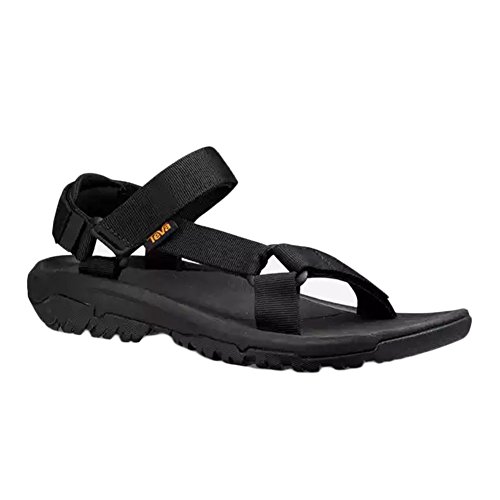

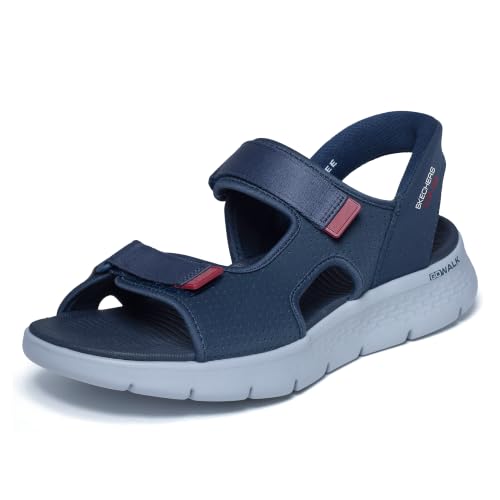


Types of Comfortable Sandals Compared
| Type | Best For | Typical Price |
| Slide sandals | Quick errands and home | About $30 to $100 |
| Thong sandals | Beach and light walking | About $25 to $90 |
| Strapped sport sandals | Long walks and water | About $50 to $150 |
| Recovery sandals | Post activity comfort | About $40 to $120 |
Slide Sandals
Slides slip on in seconds, which makes them ideal for home, poolside, and quick errands. The open design keeps feet cool, and a contoured footbed adds arch support that flat slides lack. Slides suit short walks best, since the loose fit can slip during brisk movement.
Choose slides with a secure strap width and a footbed that cups the heel. A flat, hard slide feels fine for minutes but tires feet over hours. Cushioned slides with a slight heel cup reduce fatigue and keep the foot centered.
Thong Sandals
Thong sandals use a post between the toes and a Y shaped strap to hold the foot. They are light, packable, and classic for beach days. The post can irritate the skin between toes at first, so break them in with short wears before a long beach walk.
Look for a soft post material and a contoured sole that supports the arch. Cheap flat thongs offer little support and can strain feet over distance. A thong with a molded footbed feels far better after hours on sand or boardwalk.
Strapped Sport Sandals
Strapped sandals use adjustable straps across the forefoot and ankle to lock the foot in place. They suit long walks, light hiking, and water crossings, since the foot stays secure on uneven ground. Quick dry straps and grippy outsoles make them the most versatile sandal type.
Adjustability is the key feature. Straps should tighten without pressure points and stay put when wet. A sandal that loosens in water will slip and blister, so check the buckle or hook system before relying on it for a trail day.
Sandals and Recovery Footwear
Recovery sandals use thick, soft foam to cushion tired feet after sports or long standing days. They feel plush immediately and suit home wear, post run recovery, and travel days. The soft foam compresses over time, so recovery sandals are best as a second pair rather than an everyday walker.
Pair recovery sandals with good arch support, since very soft foam alone can let the foot roll inward. A contoured footbed under the soft top layer gives both cushion and stability. Keep them for recovery hours and choose a sturdier sandal for long walks.
How to Choose the Right Comfortable Sandal
Fit, Sizing, and Toe Box
Sandals should fit with your heel centered on the footbed and toes not hanging over the front edge. Straps should hold the foot without digging in, and the foot should not slide forward on a slope. Try sandals in the afternoon, when feet are slightly larger, and walk on a hard floor.
Sizing varies by brand, so do not assume your shoe size transfers directly. A sandal that is too long trips you, while one that is too short crowds your toes. If you are between sizes, choose the size that centers your heel and leaves a small margin at the toes.
Arch Support and Foot Type
Flat feet benefit from a contoured footbed with firm arch support, while high arches need cushioning that fills the arch gap. Neutral feet do well with a moderate contour. If you have ongoing foot pain, persistent swelling, or numbness, talk with a clinician before relying on a sandal change alone.
Check arch support by standing still for a minute and then walking. The arch should feel supported without pressure, and the foot should not roll inward or outward. Custom insoles rarely fit sandals well, so choose a sandal with built in support that matches your foot.
Outsole Traction and Terrain
Outsole rubber decides grip on wet tiles, sand, and trails. Deeper lugs grip trails, while a flatter pattern suits smooth pavements and indoor floors. Water friendly sandals need drainage channels so the footbed does not stay slick after a splash.
Check outsole hardness too. Softer rubber grips better but wears faster on rough ground, while harder rubber lasts longer but can slip on wet tiles. Match the outsole to your most common surface, not the rare adventure.
For related choices, see our guides to the best walking sandals for men for long distances, the best leather sandals for men for a dressier look, and the best looking sandals for men for style led options. Closed footwear is covered in the best comfortable shoes for men guide, and the wider category in our best comfortable sandals guide.
Sandals for Travel and Packing Light
Travel rewards sandals that pack flat, dry fast, and handle varied surfaces. A strapped sport sandal covers city walking, beach days, and light trails in one pair, which saves luggage space. Thong sandals pack even smaller and suit hostel showers and poolside use, though they lack support for long city days. Choose the sandal that covers your longest travel day, not just the beach afternoon.
Packing care matters on the road. Rinse sandals after beach or pool use, and let them air dry before packing them away damp. Damp sandals packed in a bag develop odor quickly and can stain clothes.
A mesh laundry bag keeps sandals separate from clothing and lets them breathe in transit. If you travel with one pair only, break them in at home first, since a new sandal on a travel day invites blisters far from your comfort supplies.
Consider destination terrain when packing. Cobblestone old towns demand grippy outsoles and secure straps, while resort pools need only a simple slide. A sandal that handles both saves you from packing a second pair. When in doubt, pack the sturdier sandal and leave the flimsy pair at home.
Frequently Asked Questions
Are sandals bad for your feet?
Sandals are not bad for feet when they offer arch support, a secure fit, and a grippy outsole. Flat, loose sandals with no support can strain arches and cause blisters over long walks. Choose a contoured footbed and straps that hold the foot steady. For all day walking, a strapped sport sandal usually beats a flat flip flop.
How should sandals fit?
Sandals should center your heel on the footbed with toes fully on the sole and no overhang. Straps should feel snug without digging into skin, and the foot should not slide forward downhill. Try them in the afternoon when feet are larger, and walk on a hard floor. A sandal that slips in the store will slip more when wet.
Can I walk long distances in sandals?
Yes, strapped sport sandals with arch support and grippy outsoles handle long walks well. Break them in with shorter walks first, and carry blister care for the first long outing. Slides and flat thongs suit shorter distances better. For multi hour hikes, a closed hiking shoe still offers more protection than any sandal.
What sandals are best for water activities?
Strapped sandals with quick dry straps, drainage channels, and grippy wet traction suit water activities best. Avoid leather and slow drying foam for river crossings and beach days. Rinse sandals with fresh water after salt or chlorinated water, and air dry them out of direct sun. That care keeps straps and outsoles in good shape.
How do I stop sandals from causing blisters?
Break sandals in gradually, keep straps snug but not tight, and wear them for short periods before a long day. Apply a blister balm or tape to known hot spots on the first wears. Wet straps cause more friction, so dry sandals between uses. If blisters keep forming in the same spot, the strap position or size is likely wrong.
Can men wear sandals with socks?
Men can wear sandals with socks for comfort, warmth, or medical reasons, though the look divides opinion. Sport sandals with hiking socks suit trails and outdoor work, where function beats fashion. For casual city wear, most stylists prefer bare feet in sandals. If you need socks for blister prevention, choose thin, moisture wicking socks that stay in place.
Final Thoughts
The right sandal matches your terrain, your arch, and your daily distance. Slides suit quick errands, thongs suit beach days, strapped sandals suit long walks, and recovery sandals suit rest hours. Check the product table above, try the fit by walking, and your best comfortable sandals for men choice will stay comfortable long past the first hour.


