
Best Comfortable Sandals in 2026: A First Time Buyers Guide
Disclosure: We may earn a commission when you buy through links on this page, at no extra cost to you. As an Amazon Associate I earn from qualifying purchases. Learn more

Learn footbed shape, strap fit and sole grip to choose the best comfortable sandals for warm weather walking.
Every sandal promises comfort, yet some leave your feet sore by lunchtime. Choosing best comfortable sandals comes down to a few checks you can make in a shop or at home: footbed shape, strap fit, sole grip and weight. The comparison table below shows the main types side by side, so you can see the trade offs before you spend money.
This guide is written for first time buyers and warm weather walkers. It explains what matters, what to skip, and how to match a style to your routine, so you can tell which type suits you and which details deserve a closer look.


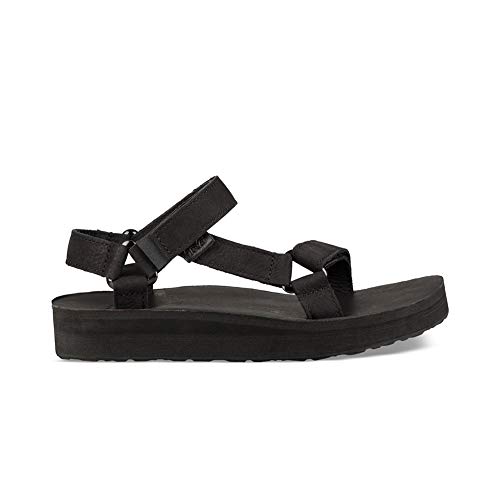


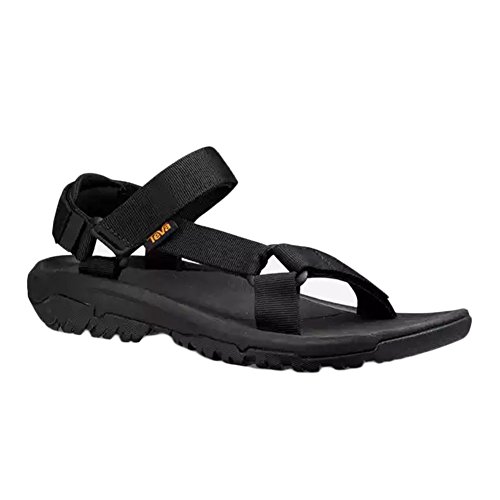
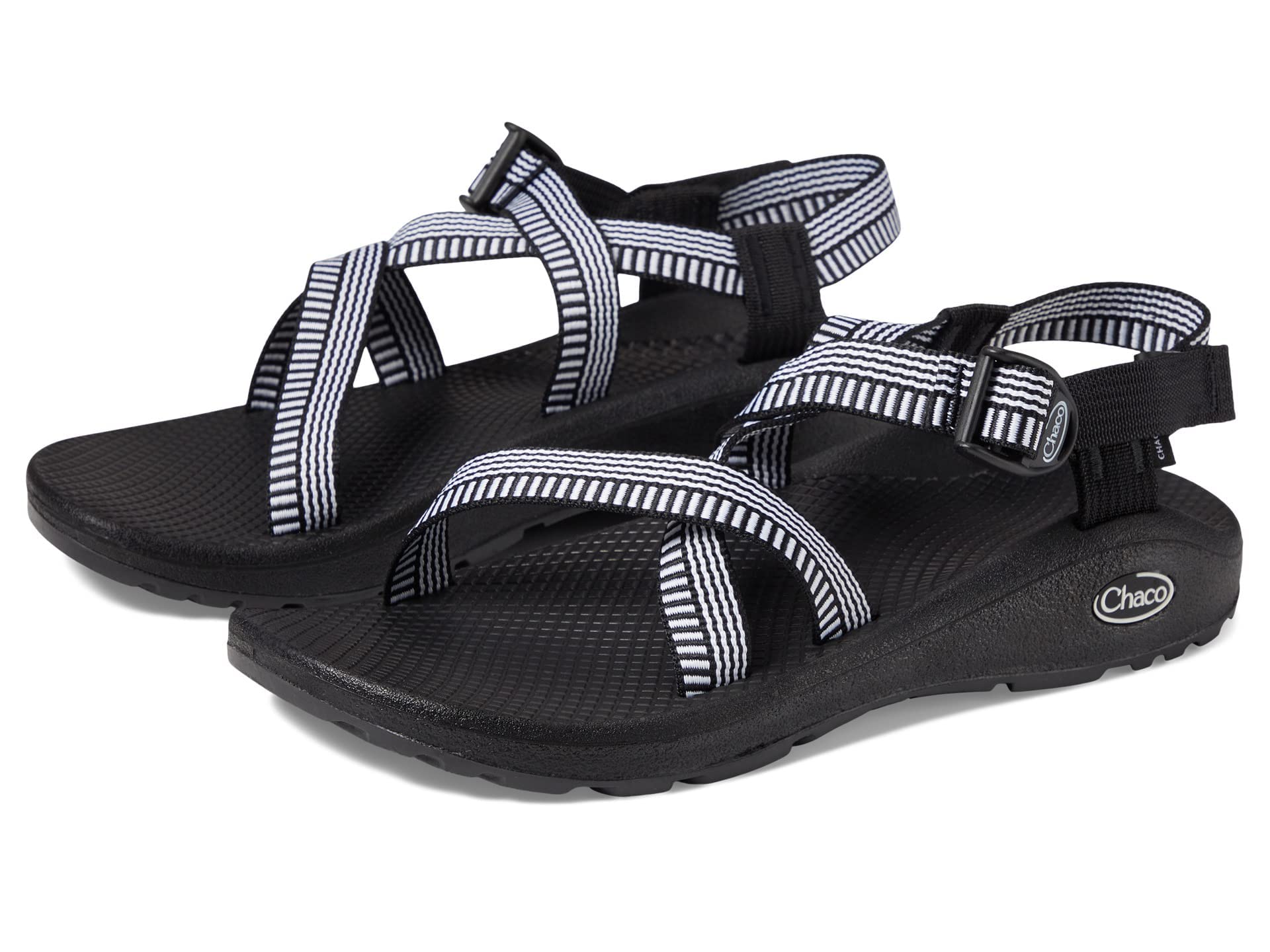
Who Should Buy Which Type?
Buyers who walk a lot in warm weather benefit most from a secure walking sandal with arch support. Casual users can choose lighter sandals for short trips. Anyone with foot pain should put fit and support ahead of style, and talk with a clinician if pain persists.
Key Features Explained
Footbed Shape
A contoured footbed supports the arch and heel, while a flat footbed suits feet that prefer a neutral base. A deep heel cup improves stability on uneven ground. The right shape reduces tired feet after long walks, and a removable footbed lets you swap in your own insole if you need to.
Strap Fit
Straps should hold the foot without rubbing or cutting into skin. Adjustable straps help when feet swell in the heat, and a strap across the instep keeps the foot from sliding forward on slopes. A sandal that slips at the heel forces toes to grip, which tires feet quickly.
Sole and Grip
A flexible sole that bends near the toes suits natural walking. Grip matters on wet paths, pool decks and smooth floors, so look for a rubber outsole with a visible tread pattern. Thick soles cushion well, but very thick soles can feel unstable for some walkers.
Weight and Materials
Light sandals reduce leg fatigue over a full day, while heavier ones can still work for short outings. Synthetic and rubber parts dry quickly after rain or a pool, leather softens with wear but needs care, and cork footbeds mold to your foot but dislike soaking.
Types Compared
| Type | Best For | Key Trade Off |
|---|---|---|
| Walking and Sport Sandals | Long days on foot, travel and light trails | Sportier look than dress sandals |
| Casual Everyday Sandals | Short trips, gardens and relaxed days | Less support for very long walks |
| Work and Water Friendly Sandals | Wet floors, long shifts and pool days | Can feel heavier than casual pairs |
Walking and Sport Sandals
These suit long days with sturdy soles and secure straps. They handle paths and city streets well and often dry fast. They look more sporty than dress sandals, which matters if you want one pair for dinners and sightseeing.
Casual Everyday Sandals
Casual sandals suit short trips, gardens and relaxed days. Cork slides and leather slip ons are easy to put on and feel soft right away. They may lack the strap hold and tread needed for very long walks.
Work and Water Friendly Sandals
These suit wet or long shift use, with grippy soles and washable materials. They handle spills and rain better than casual pairs, and many have closed toes for workplace rules. For job specific advice, see the best comfortable sandals for work guide.
Common Mistakes to Avoid
The most common mistake is buying sandals a size too large for a relaxed look. Loose sandals force toes to grip and cause blisters and fatigue. Buy the size that holds the heel and keeps toes inside the sole edge.
Another is wearing a new pair for a full day of sightseeing. Break sandals in with short walks first, and carry a bandage or blister balm for the first long outing. Stop and seek clinician advice if sandals cause persistent pain, swelling, numbness, or skin breaks that do not heal, because footwear should ease walking, not create injury.
Matching Sandals to Your Routine
Start with your longest regular day in sandals, not your shortest. A sandal that feels fine for an hour in a shop can fail after eight hours of sightseeing, so choose support and strap comfort for the long day and let style follow within those limits. For travel, a strapped sandal that dries fast and packs flat covers city walking, beach afternoons and hotel pools in one pair.
At home and in the garden, a cork or cushioned slide is easy to live with, and keeping a separate pair for walking makes both last longer. If you shop for a specific group, see our guides to the best comfortable sandals for women and the best comfortable sandals for men. For long distances, the best comfortable sandals for walking guide goes deeper, and the best comfortable platform sandals guide covers added height.
Care and Replacement
Rinse sandals after beach or pool use and let them dry away from direct heat, which warps foam and dries out leather. Wipe footbeds with a damp cloth to remove sweat and sunscreen, and check straps and buckles for wear. Rotating two pairs lets cushioning recover between wears.
Replace sandals when soles wear unevenly, straps stretch loose or cushioning flattens. Worn sandals change the way you walk and can cause foot or leg soreness, so a fresh pair restores the support the old pair lost.
Frequently Asked Questions
How tight should sandal straps be?
Straps should feel secure without leaving deep marks or cutting skin. You should be able to slide a finger under most straps with slight resistance. Adjustable straps help as feet swell through the day.
Are flat sandals bad for walking?
Flat sandals suit short walks for many people, but they offer little arch help on long days. Contoured footbeds reduce fatigue for longer walking. Choose flat styles for brief outings and supported styles for distance.
Can sandals support bad knees?
Sandals alone cannot treat knee problems, but cushioned, stable sandals can reduce jarring on walks. Avoid very soft, unstable soles that let the foot roll. Talk with a clinician about persistent knee pain rather than relying on footwear alone.
How do I stop sandals rubbing?
Check strap seams, break sandals in with short walks, and keep feet dry. Rubbing often comes from loose fit or rough seams. Moleskin or strap covers can help, but repeated blistering means the fit is wrong.
When should sandals be replaced?
Replace sandals when soles wear unevenly, straps stretch loose or cushioning flattens. Worn sandals change gait and can cause foot or leg soreness. A fresh pair restores the support the old pair lost.
Final Thoughts
The right choice among best comfortable sandals is the one that holds your heel, supports your arch and grips the ground you walk on most. Use the checks in this guide, compare the product table above, and choose the type you will enjoy wearing every day. Talk with your clinician if any foot concern persists.


