
Best Comfortable Ski Boots for 2026: Which One Fits the Way You Use It?
Disclosure: We may earn a commission when you buy through links on this page, at no extra cost to you. As an Amazon Associate I earn from qualifying purchases. Learn more

Compare the best comfortable ski boots by fit, flex, and last width, with price bands and fitting tips to help you pick the right pair for your ski days.
There is no single ski boot that feels right on every foot. A boot that feels kind on your first run can pinch by lunch if the shell shape fights your forefoot, and the softest liner cannot rescue a flex that is wrong for your strength. The honest way to shop for best comfortable ski boots is to start from your routine: how often you ski, and how much of the day you spend standing or walking between runs.
This guide covers how fitters read shell and liner fit, how flex numbers map to skier strength, and why a certified shop check matters before your bindings touch snow. The comparison table below lines up the main boot classes side by side.
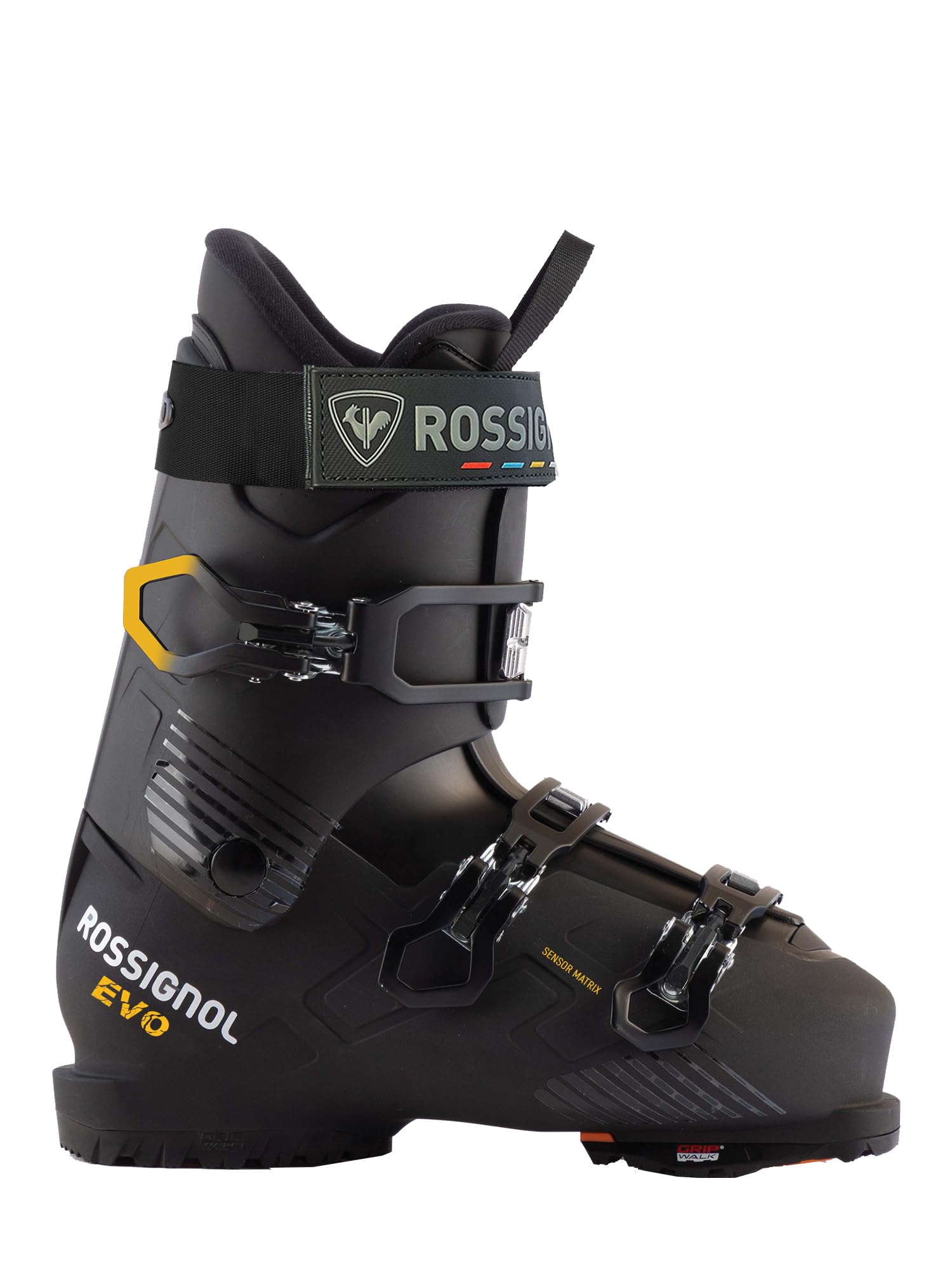
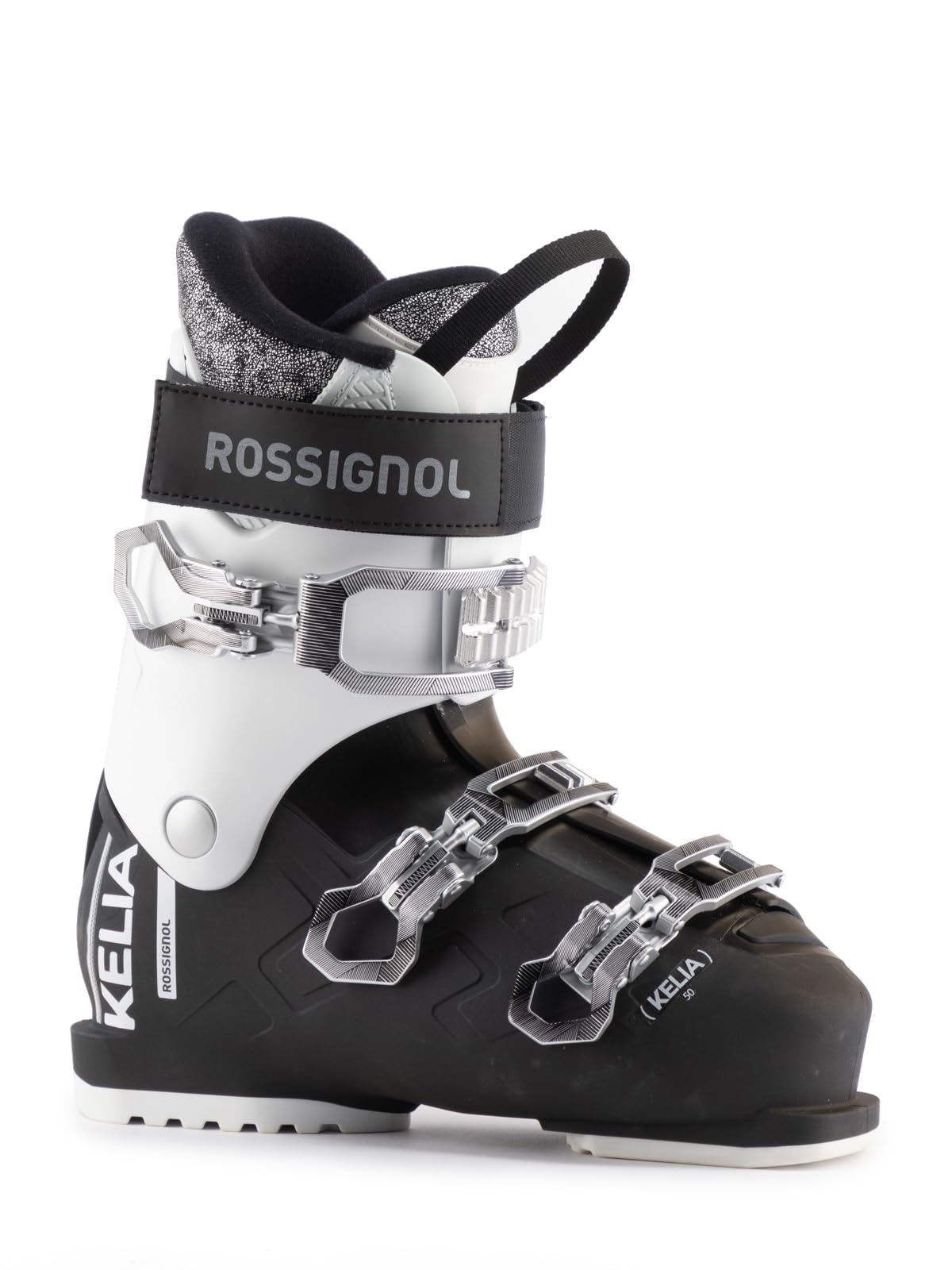
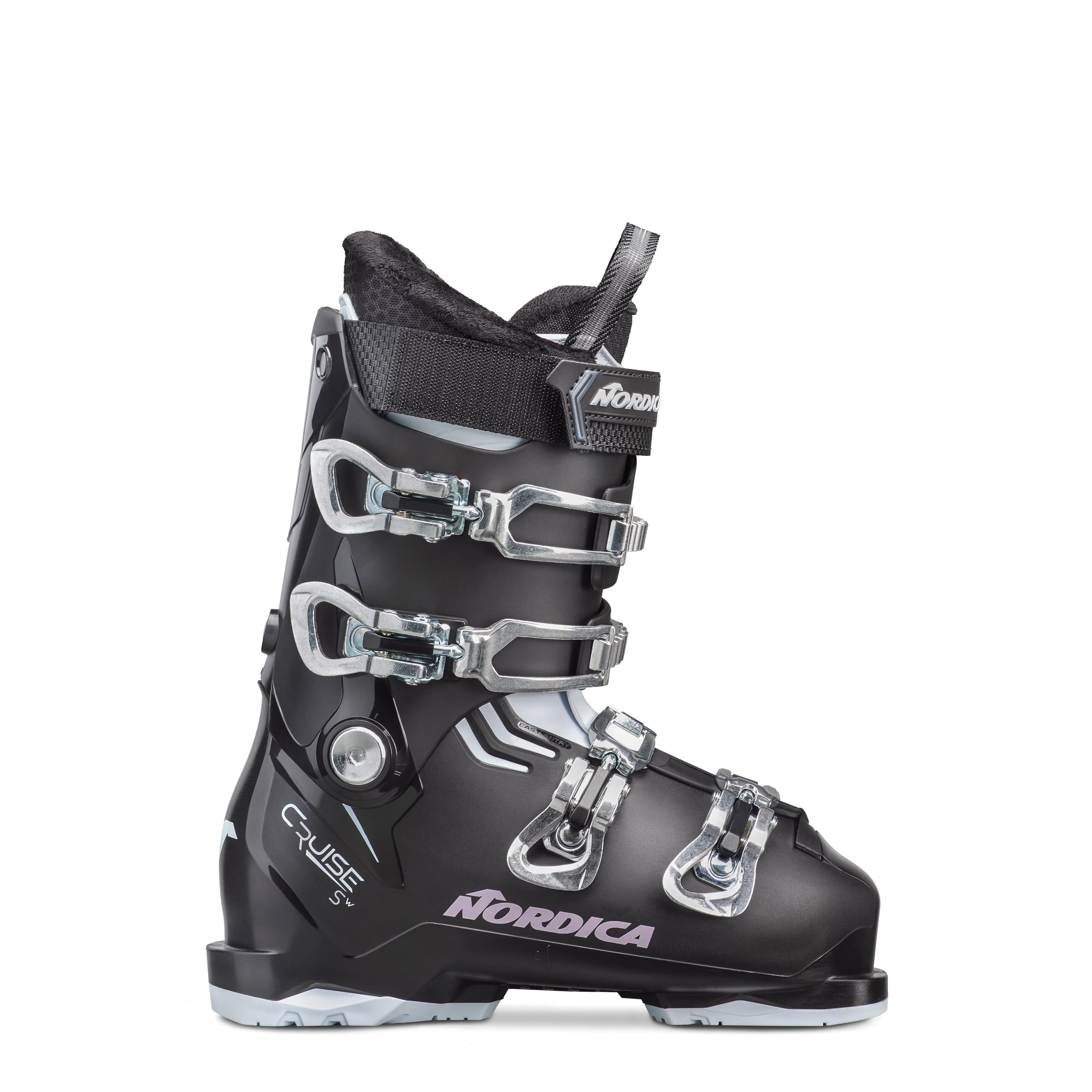
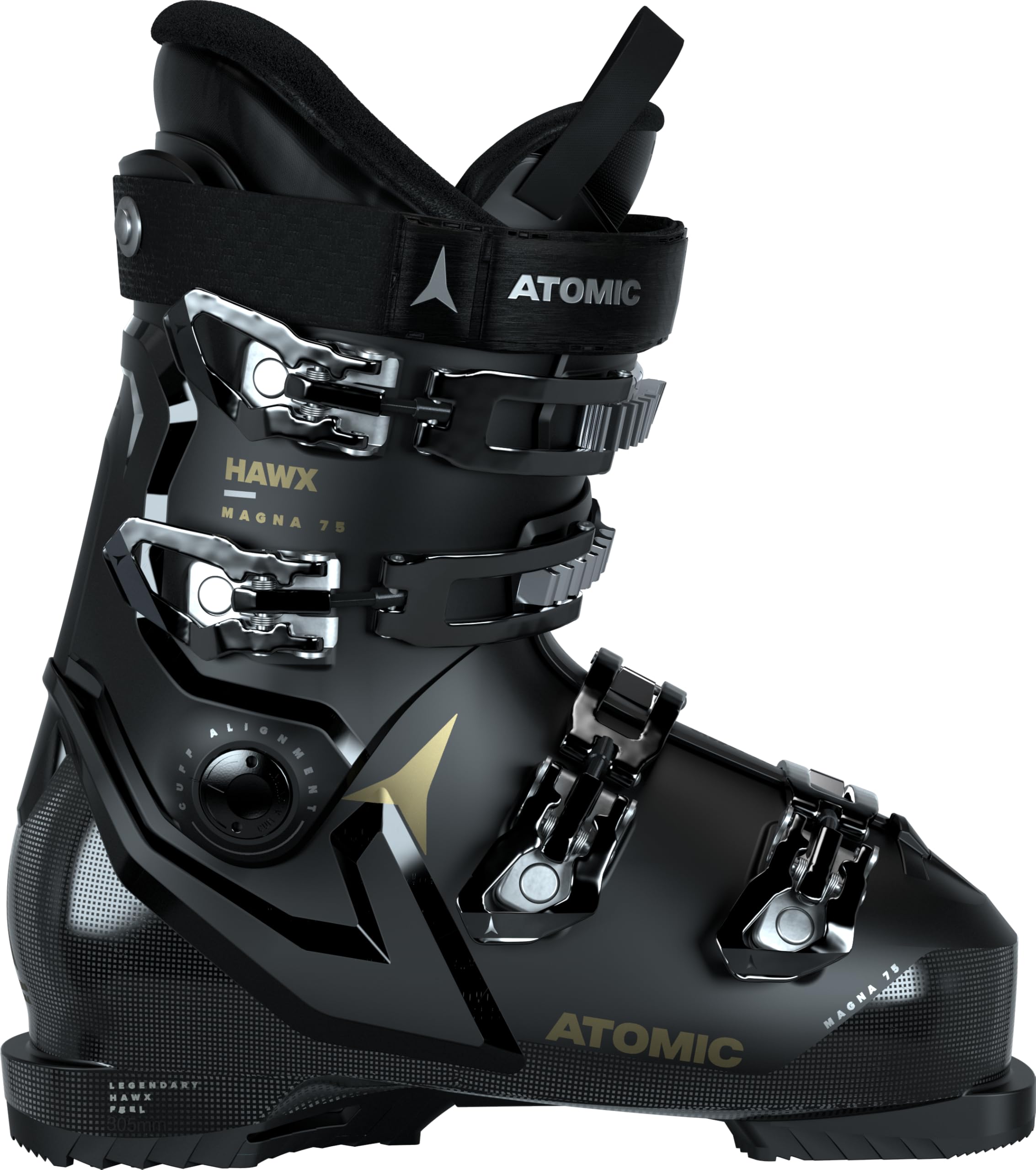
Who Should Buy Which Comfortable Ski Boots?
Comfort means something different in each routine below. Read your group, then carry its priorities into the feature sections.
For Frequent Resort Skiers Who Ski Bell to Bell
If you log twenty or more days a season, your boots earn their keep through repetition. Heel hold matters more than showroom softness, because a heel that lifts on every turn becomes a blister and a bruised shin by day three. Look for metal buckles that stay set, replaceable heel and toe pieces, and a liner built to pack out slowly. Most frequent skiers land in the about $300 to $500 range, where moldable liners appear.
For Skiers in Cold and Wet Conditions
Cold feet end more ski days than tired legs. If you ski storm cycles or bitter January wind, put warmth and water management first. A liner with insulation around the toes, a shell overlap that sheds melt water, and room for one proper ski sock matter more than a softer flex. Dry the liners after every ski day, because a damp liner starts the next morning cold regardless of insulation.
For Instructors, Patrollers, and Anyone Working on the Mountain
Teaching and patrol work means hours of standing, sidestepping, and walking in boots others wear only between lift and lodge. A walk mode that frees the cuff, plus a grippy sole for icy walkways, becomes the point of the boot. Instructors judge a boot the way tradespeople judge the best comfortable work boots: by how the feet feel at the end of a long shift, not in the first ten minutes. Budget toward about $400 to $650, where walk modes are standard.
Key Features to Compare
This section sticks to the comfort decisions: fit, flex, width, liners, and the binding check. Our broader guide to the best ski boots covers race and backcountry models where control outranks comfort.
Fit Comes From the Shell and the Liner Together
Fit is read from two parts working together. The hard plastic shell sets the shape and the volume, and the liner fills the space between the shell and your foot. A fitter checks the shell alone, with your bare foot inside and no liner: toes should brush the front, with about one to two finger widths behind your heel. Shell width, called the last, runs about 97 to 99 mm for narrow, about 100 to 101 mm for medium, and about 102 to 104 mm for wide, measured on a reference size.
Comfort never trades against control here. A ski boot is not judged like the best comfortable sofas, where softer almost always feels better; in a boot, a roomy and plush first fit usually means a shell one size too big, and once the liner packs out your foot slides and your shins do the steering.
Flex: About 70 to 90, 90 to 110, or Above 110
Flex describes how hard the cuff resists when you bend your ankle forward. A flex of about 70 to 90 suits newer and lighter skiers, about 90 to 110 suits the broad middle of improving and all day skiers, and above 110 suits strong, heavier, or aggressive skiers.
Two cautions keep this honest. Flex numbers are not standardised between makers, so compare them only within one product family, not across shop shelves. And the wrong end of the scale hurts both ways: a strong skier folds a soft cuff forward and loses edge control, while a newer skier in a stiff boot cannot flex the ankle and sits back on the tails.
Last Width and Calf Shape
Width problems cause most comfort complaints, and they hide in two places. The forefoot needs a last in its own width class, because a narrow shell on a wide foot squeezes all day no matter how soft the liner feels. The calf needs a cuff with enough flare and an adjustable top buckle, especially for skiers with athletic calves who get pressure at the cuff top on every turn. Women specific shells use a lower, wider calf shape with a narrower heel, and our guide to best women's ski boots covers those differences in full.
Liners, Socks, and the Small Comfort Details
The liner is where comfort is fine tuned. Stock liners feel good on day one and pack out fastest. Heat moldable liners are warmed in a shop oven and shaped around your foot in about fifteen minutes, which fixes most mild pressure points. Fully custom liners cost the most and suit hard to fit feet or very high day counts.
Whatever liner you choose, wear one thin ski sock and never two pairs: doubled socks bunch, cut circulation, and make feet colder. Micro adjustable buckles do more for comfort than any padding claim, because they spread pressure evenly instead of cranking one spot.
A Certified Shop Must Set and Check Your Bindings
A boot alone never decides how a binding releases. Release settings are calculated from your weight, height, age, boot sole length, and skier type, and they should be set and tested by a certified shop. Have the pairing checked every season and whenever you change boots, because sole wear and a new shell length both change the setup. Some soles are shaped for specific binding families, so the check also confirms your boots and bindings are made to work together.
Common Mistakes to Avoid
Most comfort problems are bought, not skied into. Watch for these:
- Buying a full size up for comfort, because the liner packs out within days and the loose shell lets your foot slide and bang your toes on steep pitches.
- Choosing flex by price or colour, because a flex that fights your strength makes you tired and sloppy, not comfortable.
- Wearing thick socks or two pairs, because bunched fabric cuts circulation and leaves feet colder.
- Judging fit in the first five minutes, because a fair test means standing, flexing, and walking in the boots for at least fifteen minutes.
- Skipping the binding check after buying new boots, because a changed sole length invalidates your old release settings.
Setup and Care Tips
At your first fitting, wear the socks you actually ski in, buckle from the toe upward, and flex forward hard so your heel settles into its pocket before you judge the length. Toes should brush the front standing straight and pull clear when you flex. Any sharp pressure point in the shop will be worse on the mountain, so speak up while a fitter can still adjust the shell.
After each ski day, pull the liners out and let everything air dry at room temperature, away from radiators and high heat, which can warp a molded liner. Store the boots buckled lightly so the shell keeps its shape, and keep them out of hot cars and direct sun.
Frequently Asked Questions
What size ski boots should I buy if I am between sizes?
Choose the smaller shell and have the liner molded. Ski boots use mondo sizing, which matches your foot length in centimetres, so measure both feet in the evening and size to the longer foot. A snug shell gives you the right fit as the liner packs out, while a roomy shell only gets looser. If one foot is a full size bigger, a fitter can stretch that boot.
Should new ski boots feel tight at first?
Yes, new ski boots should feel snug everywhere with no sharp pressure points. Your toes should touch the front standing tall and pull back when you flex forward into the cuff. Numbness or tingling that lingers after ten minutes is not normal, because it points to a squeezed nerve or restricted circulation rather than a break in phase. If numbness keeps happening away from the slopes too, talk with a clinician before your next trip.
How long do comfortable ski boots last?
Most skiers get about 80 to 120 days from a liner before it packs out and the heel starts to lift. Shells last longer, often several seasons, though plastic stiffens slowly with age and cold. You usually replace the liner or the boot when heel hold disappears, not when it looks worn. Drying liners daily and storing boots buckled helps you reach the upper end.
Are premium ski boots worth it for a beginner?
Partly, but spend on fit before features. Extra money buys moldable liners, better buckles, and walk modes, none of which helps if the shell shape is wrong for your foot. A mid price boot in the about $300 to $500 band, fitted properly, skis more comfortably than a top price boot ordered online by guesswork. Put the savings toward the fitting and a certified binding check.
Can a bootfitter fix ski boots that hurt in one spot?
Often, yes, if the overall fit is right. Fitters can heat and punch the shell outward over a bunion or ankle bone, grind small areas, and reshape liners to remove one pressure point. What they cannot fix is the wrong starting point: a last far too narrow, or a shell one or two sizes too long. Bring your ski socks, and ski a full day first so you can show exactly where it hurts.
Final Thoughts
Comfort on the mountain is a system, not a feature: the right shell shape, a flex matched to your strength, one thin sock, and bindings a certified shop has checked. The same patience that finds the best comfortable boots for daily wear pays off twice here, because a ski boot punishes a rushed guess for seasons. Use the product table above to shortlist by width and flex class, then let a proper fitting make the final call on the best comfortable ski boots for how you actually ski.


