
Best And Most Comfortable Work Boots 2026: Every Type Explained Side by Side
Disclosure: We may earn a commission when you buy through links on this page, at no extra cost to you. As an Amazon Associate I earn from qualifying purchases. Learn more

Compare every boot type side by side to find the best and most comfortable work boots for long shifts, with fit, sole, price and care guidance.
Walk into any workwear store and the boot wall runs from featherlight hiker styles to heavy leather boots, all of them promising comfort. The honest difference between them is not the padding claim on the box but the job each type is built to do. The best and most comfortable work boots for a warehouse picker are a poor match for a roofer, and the reverse is just as true. This guide compares the main types side by side so the trade offs are clear.
Comfort across a full shift comes from four things working together: fit, cushioning, weight and grip. Each type below trades those four differently, which is why the same boot can feel wonderful to one worker and miserable to another. Use the comparison table below to shortlist two or three types of the best and most comfortable work boots, then use the fit and sole checks that follow.


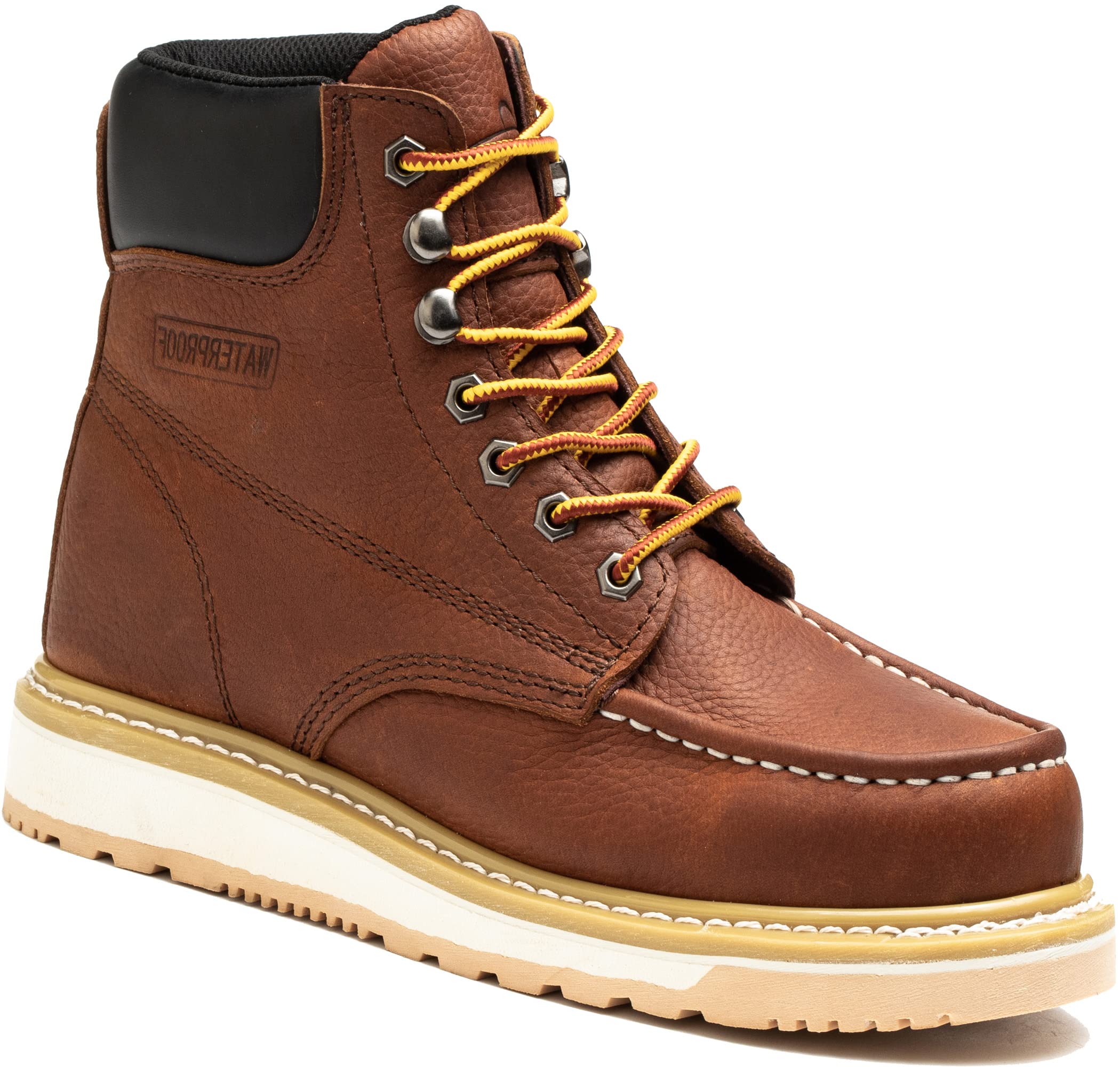

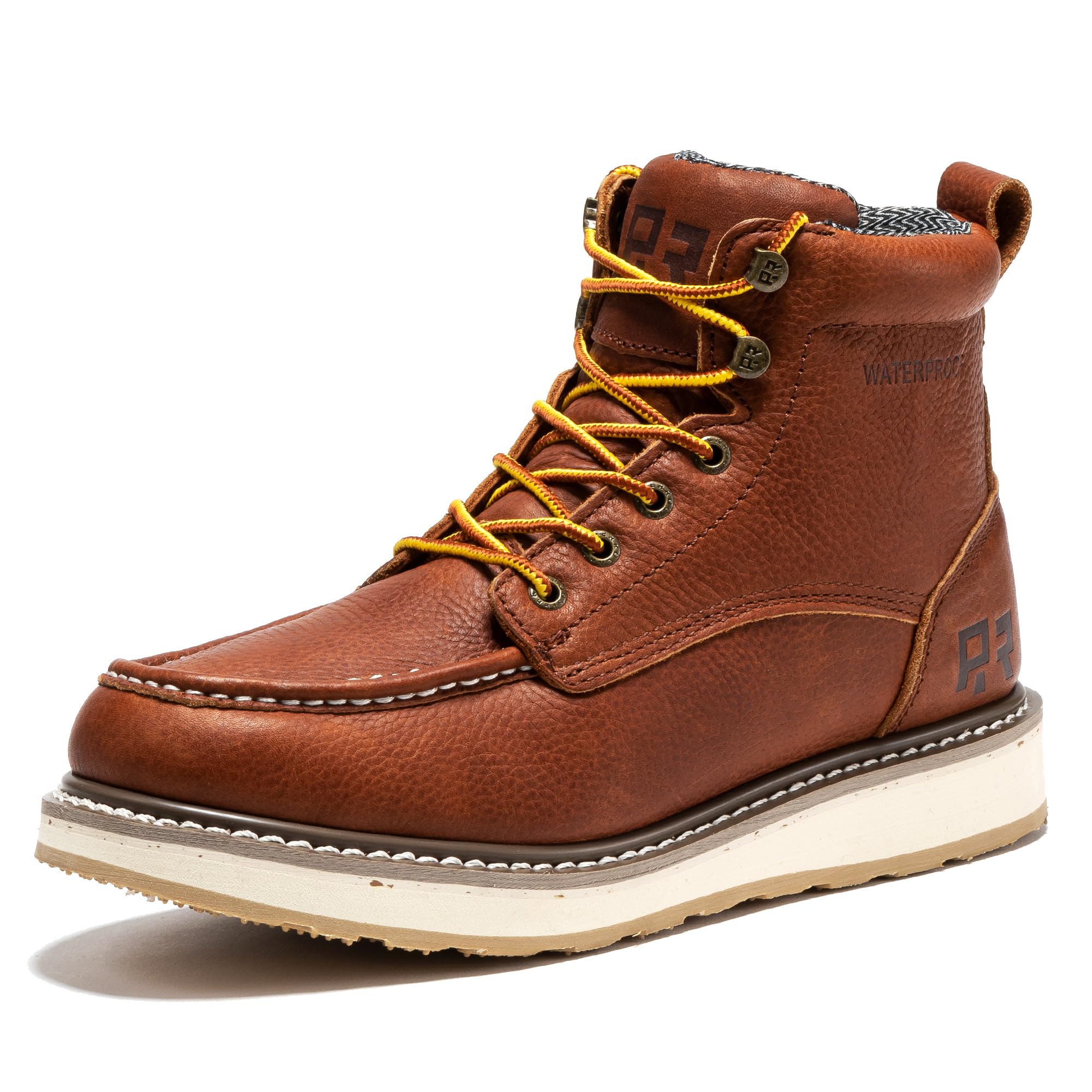


Types of the Best and Most Comfortable Work Boots Compared
A full shift of standing and walking is a load your feet carry for eight to ten hours, and no boot makes that load disappear. What a well chosen type does is spread the load: cushioning softens each step, a stable sole keeps the foot from rolling, and a lighter boot asks less of your legs by evening. Breaks during the shift and rotating between two pairs are part of comfort too, not optional extras. One caution belongs up front: a boot is comfort equipment, not a treatment, and pain, numbness or swelling that keeps coming back is a reason to see a clinician rather than a reason to buy another pair.
| Type | Best For | Pros | Cons | Typical Price |
|---|---|---|---|---|
| Classic leather lace up boots | General trades and mixed indoor and outdoor work | Durable upper, strong ankle support, many can be resoled | Heavier than average, needs a real break in period | about $90 to $180 |
| Lightweight hiker style work boots | Warehouses, delivery rounds and light duty on foot all day | Light on the leg, flexible sole, comfortable early | Thinner protection, wears faster on rough ground | about $70 to $140 |
| Pull on and wellington style boots | Wet work, farms, food plants and muddy sites | No laces to fail, fast on and off, tall shaft sheds water | Looser fit, less ankle lock, can feel sloppy on ladders | about $80 to $160 |
| Safety toe boots | Sites that require a certified toe class | Certified impact and compression class, accepted where the job demands it | Heavier toe cap, fewer soft casual styles | about $90 to $200 |
Classic Leather Lace Up Boots
The classic leather boot is the default for general trades because it balances support, durability and comfort better than any other type. A full leather upper molds to your foot, the lacing lets you fine tune the fit across the instep, and a firm shank keeps the boot stable on uneven ground and ladder rungs. For workers who move between concrete, gravel and soil in one day, this is usually the safest starting point.
The costs are weight and patience. A leather pair is the heaviest option here and needs a genuine break in period. In return you get the longest service life of the four types, especially in builds whose soles can be replaced once the tread wears down.
Lightweight Hiker Style Work Boots
Hiker style work boots borrow their shape from trail footwear: a fabric and leather upper, a cushioned midsole and a flexible sole. They suit jobs measured in steps rather than hazards, such as warehouse picking, delivery rounds and light assembly, where a heavy boot would drain your legs by mid afternoon. Shoppers who want the lightest end of this class can compare cuts in the guide to best lightweight comfortable work boots.
The trade is protection and lifespan. Thin uppers scuff and tear sooner on rough sites, soft soles wear smooth faster on concrete, and few of these boots carry a certified toe class. Treat them as the comfort pick for clean, dry, low hazard work rather than an all purpose boot.
Pull On and Wellington Style Boots
Pull on boots skip laces entirely, which makes them the fastest type to get on and off and removes the lace as a failure point in wet or muddy work. The tall shaft suits farms, food plants and any site where you step in and out of water or slurry all day. For standing water and hose down work, the sealed end of the class is covered in the guide to best comfortable waterproof work boots.
The loose fit is the weakness. Without laces the heel moves more inside the boot, ankle support is modest, and long walks can feel sloppy and tiring. Size this type carefully, because a half size too big turns every step into a small slide that rubs.
Safety Toe Boots for Hazard Jobs
Where the job calls for toe protection, only one thing counts: a certified class. The boot should carry a recognized rating for impact and compression, printed on the tongue label or the listing, and a thick toe that is not rated is not a safety feature at all. That class rates the boot against a defined hazard level; it does not promise that a dropped load can never hurt a foot, so treat the rating as the floor your job requires, not as a guarantee.
Within the class, steel caps are slim and heavy while composite caps are lighter and do not conduct cold, and both can meet the same rating. Comfort then comes from the same fit and cushioning checks as any other type, so a certified boot should never feel like a punishment to wear.
Classic Leather Boots vs Lightweight Boots: Which Should You Choose?
These two types answer the same question in opposite ways. The leather boot wins on durability and ankle support, and a resole can double its working life, while the lightweight boot wins on step comfort, early ease and price. On protection, leather shrugs off scuffs and sparks that would mark a fabric upper, though neither type replaces a certified toe where one is required. On cost, the lightweight pair is cheaper to buy and quicker to replace, while the leather pair costs more up front and less per year of use.
Choose the lightweight type if your shift is mostly walking on clean floors with no falling object risk. Choose the classic leather type if your ground is rough, your days are mixed, or you want one pair to last several seasons. Many workers end up owning both and rotating by task, which also gives each pair a rest day to dry and recover.
A boot is not the only footwear that earns a place in a work week. On light duty days with no hazard rules, some workers rest their feet in best comfortable sandals for work, an open class built for short and easy shifts rather than full days on concrete. In office facing roles where boots never fit the dress code, best comfortable work pumps are the cushioned closed shoe answer to the same comfort problem.
How to Choose the Right Comfortable Work Boot
Fit, Sizing, and Toe Box
Fit decides comfort more than any feature printed on the box, so measure both feet late in the day, when they are at their largest. You want a thumb width of space in front of your longest toe, a heel that stays seated when you walk, and no pinching across the widest part of the foot. Try boots on with the socks you actually work in, since a thick work sock can eat half a size. Lasts also differ across ranges, and readers shopping the mens wall can cross check fit notes against the guide to best comfortable work boots for men.
Cushioning and Support
Cushioning lives in the midsole foam and the insole, and the two age at different speeds. A removable insole is worth having because you can replace it when it flattens, which restores much of the step softness without buying new boots. More foam is not always better, since a very soft sole can feel unstable when you carry loads or stand on rungs. Aim for a sole that feels springy on the shop floor yet firm when you press your thumb hard into the heel.
Arch Support and Foot Type
Flat feet and high arches load a boot differently, and the insole shape matters more than any marketing word on the box. Flat feet often do better with a firmer arch and a stable heel cup that limits rolling inward, while high arches usually want more cushion under the midfoot. Neutral feet sit between the two and suit most standard builds. If you already use your own insoles, bring them when you try boots on, because they change the fit enough to change the size you need.
Break In Period and Comfort Out of the Box
Leather boots soften and crease to your stride over the first one to two weeks, so wear a new pair for short periods before committing to a full shift. Hiker style boots usually feel close to final from the first day because their materials flex sooner. One warning matters here: sharp pain, hot spots that blister, or a toe that slams the front on slopes are fit faults, not break in stages, and they rarely improve with time. Exchange a badly fitting pair early rather than hoping it stretches into comfort.
Outsole Traction and Terrain
The sole is where the boot meets your actual workplace, so match the tread to your ground. Deep lugs grip soil, gravel and mud but can feel clumsy and wear fast on smooth concrete, while flatter patterned soles suit indoor floors and give better contact on wet tile and sealed surfaces. Slip resistance is a class claim measured on particular surfaces under set conditions, so a rated sole still deserves care on oily or polished floors. Check that the tread pattern and rubber hardness fit the surface you stand on most, not the one you visit once a month.
Care and Maintenance Tips
Rotate two pairs if you can, because a rest day lets leather dry fully and lets midsole foam recover its shape, and both pairs last longer. Brush off mud before it dries hard, let wet boots air dry at room temperature away from direct heat, and condition leather uppers once they start to look dry so the surface does not crack at the flex points. Pull the insoles out at night so the inside of the boot dries too. Retire a pair when the tread runs smooth, the heel counter collapses to one side, or the midsole stays compressed and dead feeling after a rest day.
Frequently Asked Questions
Do I need waterproof work boots?
You need waterproof work boots only if your work is genuinely wet, such as outdoor sites in rainy seasons, washdown areas or muddy ground. A waterproof membrane keeps water out, but it also slows the escape of sweat, so dry indoor workers often stay more comfortable in a plain breathable upper. A water repellent spray on leather sheds light splashes yet is not the same as a membrane. If your boots get soaked only occasionally, fast drying matters more than sealing.
Are expensive comfortable work boots worth it?
Higher prices mainly buy materials and construction, such as thicker leather, a resoleable sole and denser midsole foam that stays springy longer. Below about $70, corners are usually cut in foam quality and upper thickness, and the boot feels fine in the store yet flattens within months. Above about $200 the gains shrink and you pay for finish and origin as much as comfort. A mid priced pair fitted well will out comfort a costly pair fitted badly, every time.
Can I wear the same work boots every day?
You can, but a single pair worn daily wears out noticeably sooner than two pairs rotated. Midsole foam needs roughly a day to recover fully, so daily wear without rest means you walk on partly flattened cushioning most of the week. Rotation also spreads the cost, since two pairs alternated often outlast two pairs worn one after the other. If one pair is all the budget allows, pull the insoles out each night to help the boot dry and recover.
How often should I replace my work boots?
Replace work boots when the signs of a spent midsole and sole appear rather than by the calendar: tread worn smooth, deep creases that stay in the foam, a heel counter that leans, or an upper cracked at the flex points. Before replacing the whole boot, try fresh insoles, because flattened inserts alone can make a sound boot feel dead. For full time daily wear that moment often arrives somewhere between the first and second year. Safety toe boots should also be replaced after any heavy impact on the cap, even if they look fine.
How long is the break in period for work boots?
A leather work boot usually needs one to two weeks of regular wear before the upper creases settle and the fit feels personal, while hiker style boots often feel close to final within a few days. Blisters during break in are a signal to stop and reassess, not a stage to push through, since they point to heel slip or a tight spot that time will not fix. Moleskin and thicker socks can carry you through mild rubbing. If pain is sharp or focused on one bone, treat it as a fit fault and exchange the pair.
How should work boots fit?
Work boots should fit with a seated heel, room to wiggle your toes, and no hard pressure across the top of the foot when laced. Your longest toe needs about a thumb width of space, since feet swell during a shift and touching toes bruise on slopes and ladders. Most people have one foot slightly larger than the other, so fit the larger foot and pad the smaller one with sock choice or insole thickness. A boot that needs to be laced painfully tight to stop heel slip is the wrong size or the wrong last.
The Bottom Line
Start with the type that matches your ground and your hazards, then judge every candidate on fit, cushioning and the sole, in that order. The product table lines up boots side by side so the price and feature spread is easy to see, and the comparison table earlier in this guide sets out the types. Choose the best and most comfortable work boots for the shift you actually work, rotate them if you can, and let persistent pain send you to a clinician rather than to another checkout. Prices and availability can change, so check the product page before ordering.


