
Best Comfortable Shoes for Men in 2026: Buying Guide
Disclosure: We may earn a commission when you buy through links on this page, at no extra cost to you. As an Amazon Associate I earn from qualifying purchases. Learn more

Compare support, cushioning, fit and use to choose the best comfortable shoes for men, from workdays to weekend walks.
The best comfortable shoes for men support your feet without pinching, rubbing or tiring you by midday. The comparison table below shows the main comfortable shoe types side by side so you can compare support, cushioning and everyday use.
Before you choose, think about your longest day on foot, your foot shape, and whether you need a shoe for work, walking or casual weekends. A shoe that suits a desk day may fail on a long walking day, so match the shoe to your real routine.


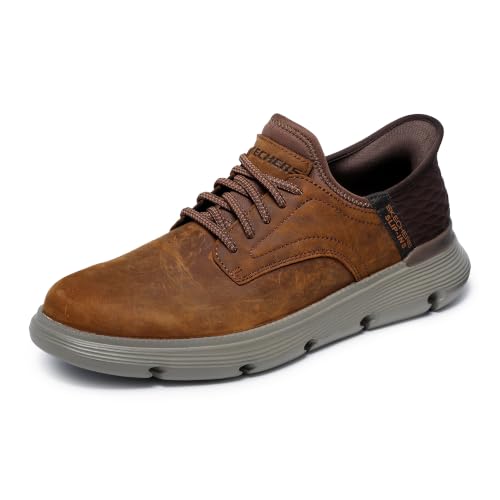


Who Should Buy This Style
Comfortable shoes suit men who walk, stand or work on their feet for hours, as well as men who want an easy everyday pair. They also suit travelers, teachers, retail staff and anyone who values comfort over fashion alone.
They suit less well for running, hiking on rough trails or jobs needing safety toes. Those activities need specialized shoes, while comfortable everyday shoes focus on walking, standing and light activity.
Key Features to Compare
Arch Support and Stability
Good arch support holds your foot steady without forcing it into an unnatural shape. Look for a stable heel, a supportive midsole and a shoe that does not twist too easily. If you use orthotics, check that the insole removes and the shoe still fits well.
Cushioning That Lasts
Cushioning should feel soft at first and still support you after hours on hard floors. Very soft foam can flatten quickly, while firmer foam lasts longer but may feel less plush. Balance softness with stability, especially if you stand all day.
Fit and Width
Measure both feet in the afternoon, because feet swell during the day. Choose a width that lets your toes spread, a heel that stays put, and a length that leaves toe room. A comfortable shoe should feel good on first wear, not only after breaking in.
Upper and Breathability
Leather uppers last well and look smart, while mesh and knit uppers breathe better in warm weather. A soft, seam free interior reduces rubbing, which matters on long days. Choose a material that matches your climate and work setting.
Types Compared
Support and Stability Shoes
Stability shoes control excess rolling and suit men who overpronate or stand for long periods. They offer a firmer midsole and a supportive heel, which helps on hard floors. They may feel less soft than neutral shoes, but they support better over time.
Neutral Cushioned Shoes
Neutral cushioned shoes suit men with a neutral stride who want soft, easy comfort for walking and daily wear. They offer plush foam and a flexible feel. They suit shorter walks and everyday use best, rather than heavy support needs.
Work and Walking Shoes
Work and walking shoes focus on all day comfort, durable soles and easy cleaning. They suit jobs that involve standing, walking and light lifting. They may look less sporty, but they often last longer under daily work use.
Budget and Value
Budget comfortable shoes usually cost about $50 to $90 and suit light daily wear. Mid range pairs at about $90 to $160 offer better cushioning, stronger soles and more supportive insoles. Premium pairs above that range focus on quality materials, refined fit and longer lasting comfort.
Pay for fit and midsole quality first, because those decide comfort after hours. A mid range pair that fits well often beats a premium pair that pinches. Rotate two pairs if you walk a lot, because rest helps shoes keep their shape and cushioning.
Setup, Care and Everyday Use
Air shoes after wear, clean them as the maker directs, and replace insoles when they flatten. Check heel wear and sole edges before they become uneven, and keep a dry pair for wet days. Avoid machine washing leather shoes, and dry wet shoes at room temperature.
If you feel sharp pain, swelling, numbness or color change that lasts beyond a day, ease back and talk with a clinician. Foot advice here is general, and persistent pain deserves professional guidance. Stop wearing a pair that causes blisters or pain every time.
Before You Buy Checklist
Try shoes on late in the day with the socks you normally wear, and walk on a hard floor for several minutes. Check that your heel stays put, your toes can spread and the arch feels supported rather than pushed. Read the care instructions and the return window, and wear new shoes indoors for a few evenings before a long day on your feet. Keep the box until you are sure the pair works.
Related Guides Worth Reading
For specific needs, see our guides to the best walking shoes for men, the best comfortable work shoes for men and the best comfortable sandals for men. The wider field is covered in the best shoes for men guide, and shoes for any wearer in the best comfortable shoes guide.
Common Mistakes to Avoid
One common mistake is buying shoes in the morning when feet are smallest, then finding them tight by afternoon. Another mistake is trusting a soft first feel without checking heel hold and arch support, because soft foam can flatten within weeks. Shop late in the day, walk for several minutes, and check support after your feet warm up.
Do not wear the same pair every day without rest, because damp cushioning needs time to recover and soles wear unevenly. Rotate two pairs, air shoes after wear, and replace insoles when they flatten. Rest days extend comfort more than most comfort claims.
Long Term Value
Long term value comes from a midsole that keeps its support and a sole that wears evenly. A mid range pair with a firm, supportive midsole often outlasts a very soft cheap pair. Check heel wear monthly if you walk daily, and replace shoes before uneven wear changes your gait.
Keep a work pair and a weekend pair if your routines differ, because one shoe rarely suits both a smart office and a long walking day perfectly. Two well chosen pairs cost more at first but feel better and last longer overall.
Frequently Asked Questions
What makes a shoe comfortable for all day wear?
All day comfort comes from fit, stable support and cushioning that does not flatten quickly. A shoe should hold your heel, support your arch and leave toe room, while the sole absorbs impact on hard floors. Try the pair late in the day, when your feet are largest.
Should I buy wide comfortable shoes?
Wide feet need a wide last, because a longer size alone can still squeeze across the forefoot. Look for wide widths, a roomy toe box and soft uppers. Try the pair in the afternoon with your usual socks, and walk on a hard floor before you decide.
Are soft shoes always more comfortable?
Very soft shoes feel good at first, but they can flatten and lose support over a long day. A balance of soft cushioning and stable support usually feels better after hours. Judge comfort after a full day, not just after a few steps in the shop.
How often should I replace comfortable shoes?
Replace comfortable shoes when the midsole feels flat, the heel wears unevenly or the upper tears at flex points. Daily wearers may need a new pair within a year, while occasional wearers can keep a pair longer. Rotation and drying extend shoe life.
Can comfortable shoes help with foot pain?
A well fitting, supportive shoe can ease everyday foot fatigue and mild discomfort, but it does not treat medical foot problems. Persistent pain, swelling, numbness or weakness deserves a clinician visit. Use shoe comfort as part of care, not as a substitute for advice.
Are memory foam insoles good for all day comfort?
Memory foam insoles feel soft at first, but they can flatten under daily use and offer little arch support on their own. A supportive insole with a stable shape often feels better after hours. Try insoles in the shop shoe, walk for a while, and replace them when they lose shape or support.
Final Thoughts
Choose fit and stable support first, then a style that suits your week. A pair that feels easy after a full day is worth more than a fashionable pair that hurts by lunch.
The product table above summarizes the main comfortable shoe types, and the best comfortable shoes for men for you are the ones that support your feet from morning to evening without fuss.
Fit and lasting support decide all day comfort. Choose a pair that still feels good at the end of a long day, and your feet will thank you daily.


