
Best Comfortable Work Shoes for Men 2026: Budget, Midrange, and Premium
Disclosure: We may earn a commission when you buy through links on this page, at no extra cost to you. As an Amazon Associate I earn from qualifying purchases. Learn more

Work shoes for men must cushion long shifts and protect feet on the job. Compare price tiers and learn which safety features your work needs.
A work shoe is worn longer than almost any other shoe you own, often eight hours or more a day. The best comfortable work shoes for men must cushion that whole shift, protect against your specific hazards, and still feel good at the end of the week. The comparison table below previews price tiers, and this guide explains what each tier buys.
This guide covers price tiers, safety features, cushioning, fit, and durability, without ranking products. Whether you work on a job site, in a warehouse, or on your feet in a shop, the same checks will help you choose a shoe that works as hard as you do.
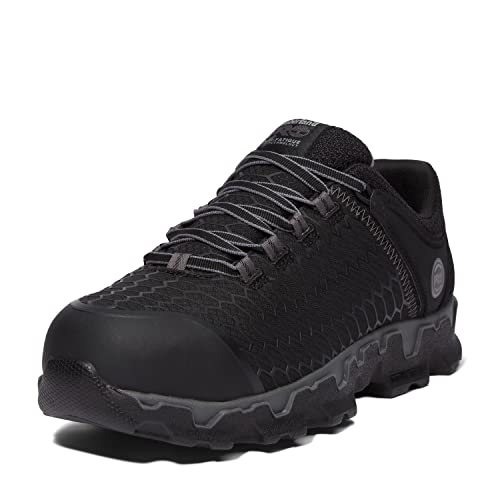

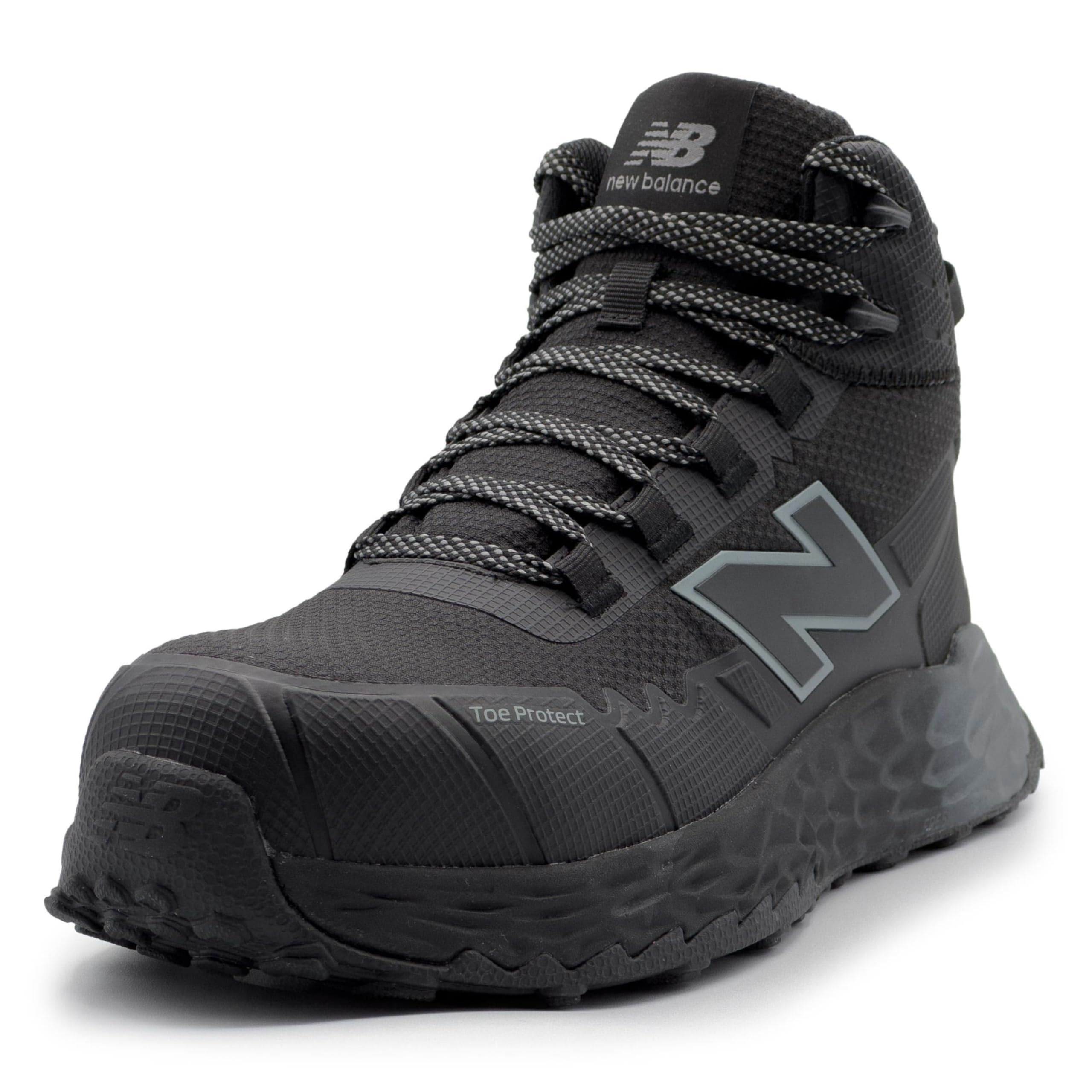
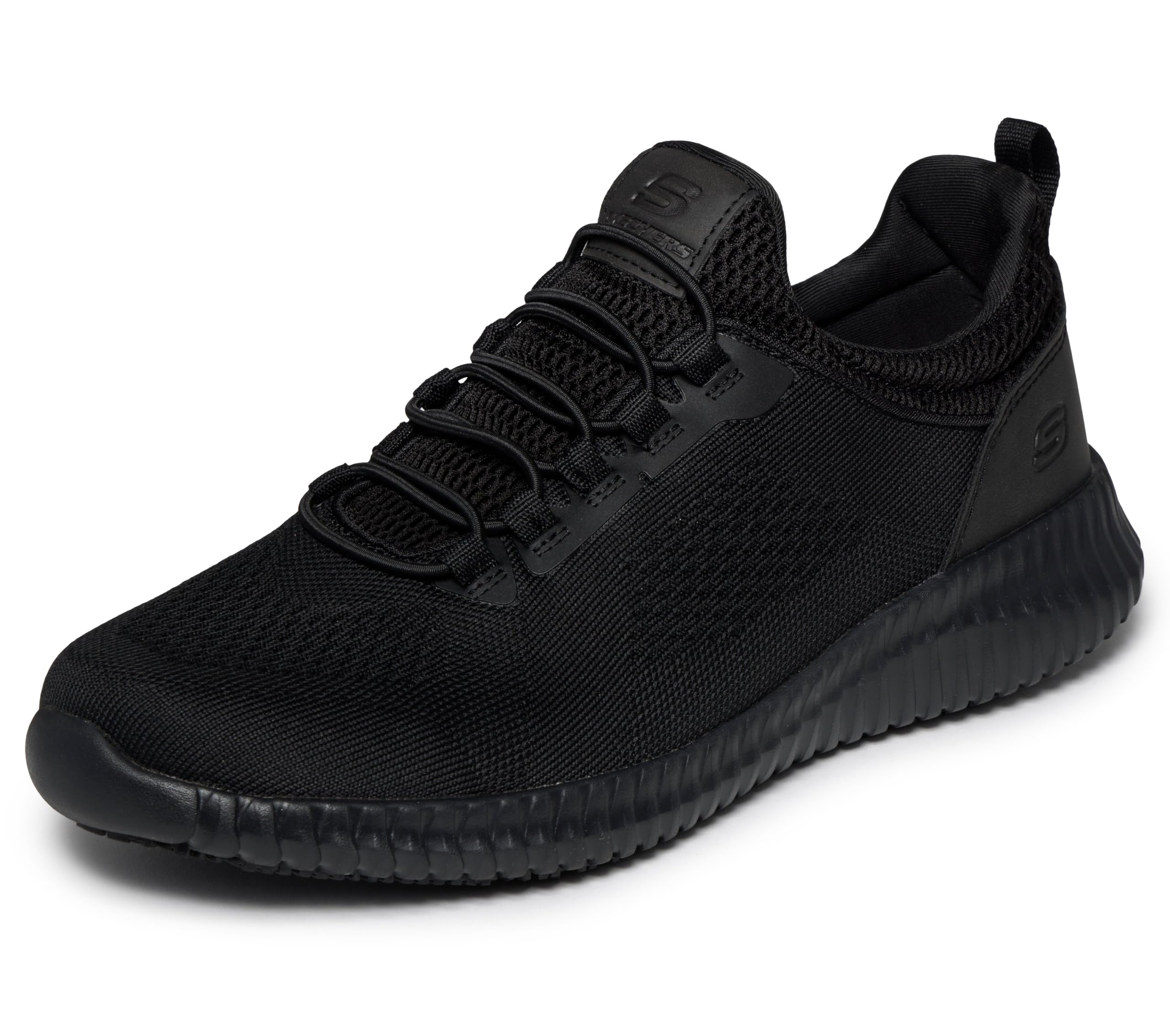
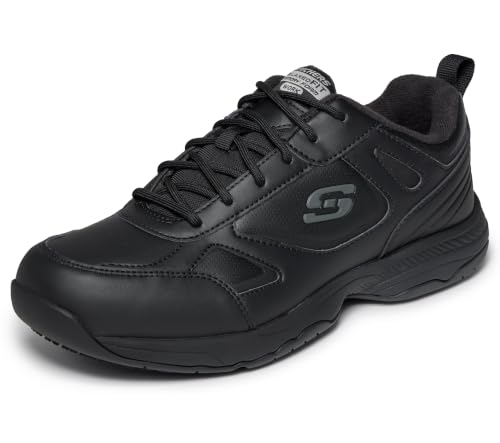
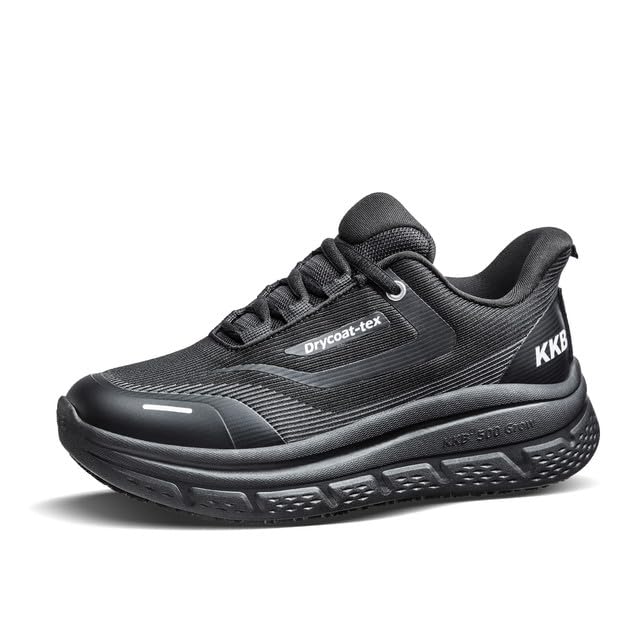
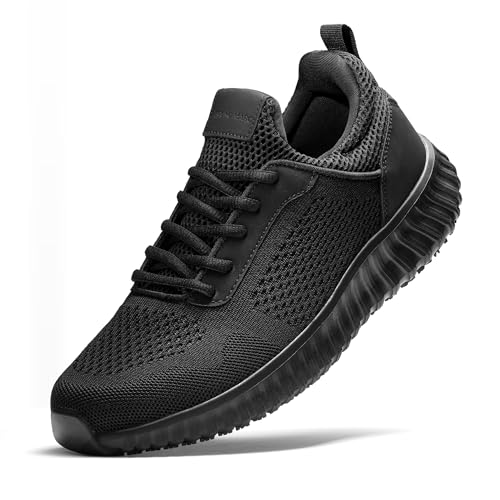

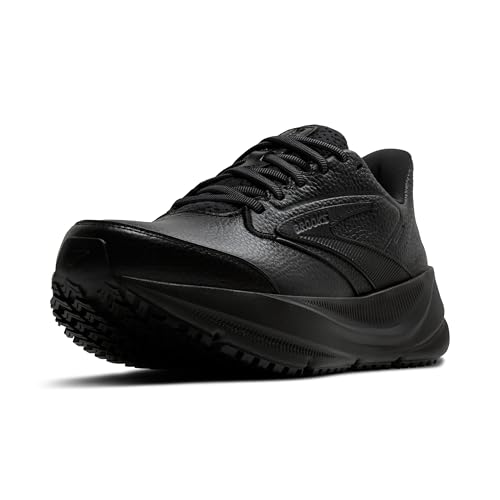

What Your Money Gets You at Each Price Tier
Budget Tier: What to Expect
Budget work shoes, typically about $60 to $110, offer basic safety features and standard cushioning. They suit light duty work and shorter shifts. Comfort is adequate for a few hours but may fade on long days, and outsoles wear faster on rough floors.
At this tier, prioritize the safety rating your job requires and a fit that feels good immediately. A budget shoe with the right protection beats a pricier shoe without it. Expect to replace budget shoes more often if you work daily on harsh surfaces.
Midrange Tier: The Sweet Spot for Most Buyers
Midrange work shoes, typically about $110 to $200, bring better cushioning, durable leather or synthetic uppers, and reliable safety features. This tier suits full time workers who spend most days on their feet. Comfort lasts longer into the shift, and build quality survives daily wear.
Most full time workers find their strongest return here. You gain anti fatigue insoles, stronger toe caps, and outsoles that grip varied floors. For daily work, midrange is where extra spending shows up in fewer aches at the end of the day.
Premium Tier: When Spending More Pays Off
Premium work shoes, typically about $200 and up, offer advanced cushioning systems, premium leather, and the most durable construction. They suit workers who spend ten hour days on concrete or need specialized protection. The fit feels more refined, and the shoe lasts longer under hard use.
Premium makes sense for daily heavy duty work where shoe failure costs time and safety. For light duty or part time work, midrange usually delivers enough. Weigh daily hours and hazard level against price before stretching the budget.
Features Worth Paying For
Safety Ratings That Match Your Job
Safety ratings cover toe impact, puncture resistance, electrical hazard, and slip resistance. Check your workplace requirements before buying, since the wrong rating can bar you from a site. Steel toes offer maximum impact protection, while composite toes are lighter and do not conduct cold or electricity.
Puncture resistant plates protect against nails and sharp debris on job sites. Electrical hazard ratings protect against open circuits in specific conditions. Do not pay for ratings you do not need, but never skip a rating your job requires to save money.
Cushioning for Long Shifts
Long shift cushioning must stay supportive for hours, not just the first hour. Anti fatigue insoles and dual density midsoles help distribute pressure across the foot. A cushioned collar and tongue reduce ankle rubbing during long days.
Check cushioning by standing for several minutes and walking the store, not just by pressing the insole with a thumb. Feet swell over a shift, so try shoes in the afternoon with work socks. If arches ache after a trial walk, try a different insole or cushioning style.
Fit, Break In, and Durability
Work shoes need a break in period, but they should not cause sharp pain from the first wear. Wear new shoes for short shifts or errands before a full work week, so leather softens and insoles mold. Thick work socks change fit, so always try shoes with the socks you will wear on the job.
Durability shows in stitching, outsole bonding, and toe cap attachment. Double stitching and welted construction last longer than glued seams under heavy use. Inspect shoes monthly for sole separation, worn tread, and cracked uppers, and replace them before a failure becomes a safety issue.
Related work footwear guides narrow the choice by workplace. Articles about best work shoes for men cover the category broadly, while best comfortable shoes for men and best comfortable work shoes focus on all day comfort and general work styles.
Work Shoes for Different Job Sites
Construction sites, warehouses, workshops, and kitchens each demand different work shoe strengths. Construction sites need puncture resistant plates, toe protection, and ankle support for uneven ground and heavy materials. Warehouses need similar protection plus slip resistance on polished concrete and comfort for constant walking between aisles. Workshops need chemical resistance and a stable base for standing at benches.
Kitchens and food service need grease resistant outsoles, easy clean uppers, and closed designs that block hot spills. Hospitals and care settings need quiet soles, light weight, and cushioning for long standing hours without the heavy protection of a job site boot. Matching the shoe to the site matters more than buying the toughest shoe available, since overbuilt shoes tire feet unnecessarily.
Weather and season change job site needs too. Summer heat demands breathable uppers and moisture wicking socks, while winter cold needs insulated linings and outsoles that grip icy surfaces. Wet sites need waterproof membranes, while dry indoor sites benefit from ventilation. A shoe that suits a summer warehouse may fail a winter construction site, so reassess footwear when seasons or sites change.
One last habit extends work shoe life: clean shoes at the end of each shift rather than letting mud, dust, and chemicals dry on them overnight. Brush off debris, wipe uppers with a damp cloth, and let shoes air dry away from direct heat. Leather benefits from occasional conditioning, which keeps it supple and crack resistant. Five minutes of care after work saves far more time than replacing shoes early.
Frequently Asked Questions
How should work shoes fit?
Work shoes should fit snugly through the midfoot with room for toes to wiggle and about a thumb width ahead of your longest toe. Your heel should not slip, and steel or composite toes should not press your toes. Try them with work socks in the afternoon, when feet are larger. A shoe that pinches in the store will hurt more after eight hours.
Are composite toes better than steel toes?
Composite toes are lighter and do not conduct temperature or electricity, which suits cold weather and electrical work. Steel toes offer maximum impact protection at a lower price and a thinner profile. Both meet safety standards when rated correctly. Choose by your workplace hazards, weight preference, and temperature conditions.
How long do comfortable work shoes last?
Daily work shoes usually last six to twelve months, depending on surface, hours, and hazards. Concrete floors and heavy loads wear shoes faster than shop floors. Replace shoes when tread smooths, cushioning flattens, or the upper splits. Waiting too long risks both comfort and safety, so inspect shoes monthly.
Can I wear work shoes for everyday use?
Yes, many workers wear comfortable work shoes for errands and outdoor chores, thanks to their durability and support. Heavy safety boots feel clumsy for long casual walks, so a lighter work shoe suits everyday use better. Keep a separate pair for work if your job exposes shoes to chemicals or debris you do not want at home.
Do anti fatigue insoles really help?
Anti fatigue insoles help many workers by spreading pressure and reducing foot fatigue over long standing hours. They work best when paired with a shoe that already fits well. Replace insoles when they flatten or lose rebound, usually every few months of daily use. If foot pain persists despite good shoes and insoles, talk with a clinician.
Can work shoes be resoled?
Many welted work shoes can be resoled by a cobbler, which extends their life significantly. Cemented shoes are harder to resole reliably, since the sole bond is integral to the construction. Ask a cobbler before buying if resoling matters to you, and keep the original outsole type in mind. Resoling a quality upper often costs less than replacing the whole shoe.
Final Thoughts
A good work shoe matches your safety rating, cushions the full shift, and fits with your real work socks. Spend at the tier that matches your daily hours and hazards, break shoes in gradually, and inspect them monthly. Review the product table above, and your best comfortable work shoes for men choice will support you through the whole work week.


