
Best Combination Oven in 2026: Which Type Is Right for You?
Disclosure: We may earn a commission when you buy through links on this page, at no extra cost to you. As an Amazon Associate I earn from qualifying purchases. Learn more

Compare combination oven types by cooking method, capacity, controls, and installation needs, so you can choose the right style for your kitchen and budget.
Choosing an oven gets confusing when one appliance claims to bake, roast, steam, and reheat, and this guide sorts out what those claims mean in daily use. The best combination oven for your kitchen is the type whose cooking methods match the meals you actually make, not the model with the longest feature list. A clear look at types, controls, and installation needs will narrow the choice fast.
This guide compares the main types side by side, explains the specs in plain language, and flags the setup questions to settle before you buy. Use the comparison table below to match each type to your cooking habits, your kitchen space, and your budget.


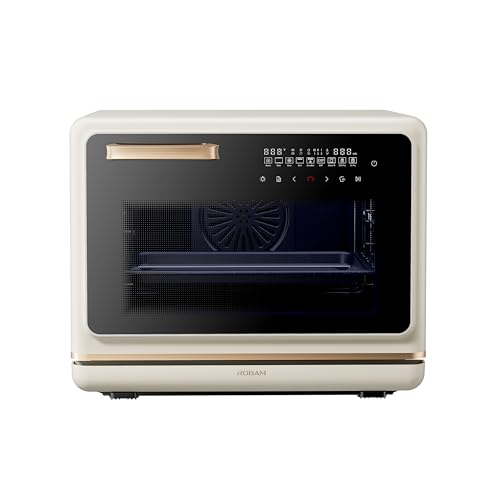


Types of Combination Ovens Compared
| Type | Best For | Pros | Cons | Typical Price |
|---|---|---|---|---|
| Microwave and convection combos | Fast everyday cooking and baking | Quick heating, even browning, compact size | Smaller cavity, learning curve for modes | around $300 to $900 |
| Steam and convection combos | Bread, roasting, and gentle reheating | Moist results, crisp crusts, flexible modes | Needs water supply or tank, higher cost | around $800 to $2,500 |
| Built in wall oven combos | Full size family cooking | Large capacity, two cooking zones, tidy fit | Needs professional install, highest cost | around $1,500 to $4,000 |
Microwave and Convection Combos
A microwave and convection combo pairs fast microwave heating with a fan driven hot air mode that browns and crisps food. It suits a busy kitchen where speed matters, because you can reheat a meal in minutes and then finish it with convection heat for a better texture. The cavity is usually smaller than a full size oven, so check that your largest baking dish fits before you buy. This type also suits a smaller household or a second cooking zone alongside a main oven.
Look for clear mode labels, a turntable or flat bed that fits your dishes, and a cavity light that lets you check browning without opening the door. Some models add a grill element for extra crisping, which helps with dishes such as roasted vegetables or open sandwiches. Keep in mind that microwave safe dishes are still required in microwave mode, even when the same dish can go in convection mode.
Steam and Convection Combos
A steam and convection combo adds moist heat to the dry heat of convection, which helps bread rise with a crisp crust and keeps roasted meat juicy. It suits cooks who bake often or reheat leftovers and want them to taste fresh rather than dried out. Some models connect to a water supply, while others use a refillable tank that you fill by hand. A tank model is easier to install, but it needs regular refilling and cleaning to stop scale buildup.
Check how steam is controlled, because a simple low, medium, and high setting is easier to learn than a long list of preset programs. Also check how the cavity drains and dries after steam cooking, since standing water can leave marks or odors if ignored. This type costs more than a microwave combo, so it makes most sense when you will use steam at least a few times a week.
Built In Wall Oven Combos
A built in wall oven combo usually pairs a full size convection oven with a second zone, such as a microwave, steam, or smaller convection cavity, in one wall unit. It suits a family kitchen or a remodel where a tidy fitted look matters and where two dishes often cook at different temperatures. The larger capacity handles holiday meals and batch baking, but the unit needs a proper cabinet cutout and a suitable electrical supply. Measure the cabinet opening, the door swing, and the ventilation gap before you shortlist any model.
Look for independent controls for each zone, so one zone can roast while the other reheats or bakes at a lower temperature. Also check rack positions and whether the second zone fits the dishes you use most, because a second zone that is too small may go unused. Professional installation is often needed, so include that cost in your budget from the start. For related wall options, see our guide to the best combination wall ovens, which covers fitted sizes and layout choices in more depth.
Microwave Convection vs Steam Convection: Which Should You Choose?
Choose a microwave convection combo when speed and everyday ease matter most, because it reheats, defrosts, and bakes in one compact unit. Choose a steam convection combo when baking quality and moist reheating matter most, because steam gives bread a better crust and keeps roast meat from drying out.
Compare them on five points: cooking speed, cavity size, ease of cleaning, installation needs, and running cost. Microwave combos win on speed and price, while steam combos win on baking and reheating quality. If you cook for a large household every day, a built in wall combo may beat both, because it gives you two zones at once.
How to Choose the Right Combination Oven
The factors below decide whether an oven feels easy or frustrating after the first month, so weigh them against your real cooking habits rather than against a feature list. A simple model that fits your dishes and your kitchen will serve you better than a complex model with modes you never use.
Controls and Smart Features
Controls range from simple dials to touch panels and app linked features, and simpler controls are often easier to learn and easier to clean. A clear display, a quick start button, and a child lock matter more in daily use than a long preset menu. Smart features such as remote preheating can help a busy cook, but they should never replace a reliable manual mode. Try the control layout in a showroom if you can, and check that the most used modes take only one or two steps.
Heat Power and Capacity
Heat power decides how fast an oven reaches temperature and how evenly it holds that temperature, while capacity decides which dishes fit inside. A higher wattage microwave mode heats faster, but a well designed convection fan matters more for even browning than raw power alone. Measure your largest baking dish and roasting pan, then compare those figures with the usable cavity size, not just the headline volume. For a broader look at quality markers, see our guide to the best quality ovens, which explains build and heat distribution in plain terms.
Fuel and Power Type
Most combination ovens run on electricity, but the supply they need varies from a standard outlet to a dedicated 240 volt circuit. A compact countertop combo may plug into a standard outlet, while a built in wall combo almost always needs a dedicated circuit and professional wiring. Gas is less common in true combination ovens, so if a model claims gas plus electric modes, check exactly which modes use gas and what venting they need. Match the power type to your kitchen first, because rewiring or adding a gas line can cost more than the oven itself.
Installation, Electrical, and Gas Requirements
Installation covers the cabinet cutout, the electrical supply, ventilation, and any water connection for steam models. Measure the opening twice, including depth for the door and handle, and leave the ventilation gap stated in the maker guide. Check whether the circuit must be dedicated, what breaker size is required, and whether a licensed electrician must fit the unit.
For steam models, decide between a plumbed supply and a refillable tank, and check how often the tank and filters need cleaning. Follow maker electrical and heat safety guidance, and never guess at wiring or gas work.
Setup and Care Tips
Use cookware that matches your cooking mode, because microwave mode needs microwave safe dishes while convection and steam modes allow metal pans. Wipe glass and steel surfaces after they cool, clean racks and trays regularly, and empty and dry a steam tank after use to stop odors. Check door seals now and then for food buildup, and clean spills promptly so they do not bake onto the cavity.
For air frying style results, see our guide to the best air fryer combination ovens, which covers crisping modes and basket care. Good care keeps heating even and extends the life of the oven.
Frequently Asked Questions
Is induction better than gas for a combination oven?
Neither is clearly better for a combination oven, because most true combination ovens use electric heat for their oven modes. Induction refers to a cooktop method, not an oven mode, so it matters only when the unit also includes a hob. Electric oven modes give steady and even heat for baking, while a gas hob gives instant visual flame control for stovetop cooking. Choose based on whether you need a hob at all, then on which heat style suits your cooking.
What size combination oven do I need for my kitchen?
The right size depends on your largest dish, your household size, and the space you can fit without blocking ventilation. Measure your roasting pan and baking dishes, then compare them with usable cavity width and depth rather than headline volume. A compact combo suits one or two people, while a built in wall combo suits a family that cooks large meals often. Leave room for door swing and for safe handling of hot dishes when you measure.
Do I need a special outlet for an electric range style combo?
Many built in combination ovens need a dedicated 240 volt circuit, while compact countertop combos may run on a standard outlet. Check the maker guide for the exact circuit, breaker size, and plug type before you buy, because an undersized circuit can trip or limit heating. A licensed electrician should fit a new circuit or outlet, and the cost should be part of your budget. Never use an extension cord for a built in oven, even for a short trial.
Is convection worth paying extra for?
Convection is worth paying extra for when you bake, roast, or cook on more than one rack at a time, because the fan spreads heat evenly and shortens cooking time. It is less valuable when you mainly reheat single dishes, because a simple microwave mode already handles that task well. If you bake bread, roast vegetables, or cook for a crowd, even heat and better browning will show in the result. Compare convection models with the same capacity, so the fan itself is the difference you are paying for.
How long does a combination oven last?
A well cared for combination oven often lasts about ten to fifteen years, but lifespan depends on build quality, how often it is used, and how well it is cleaned. Door seals, fans, and heating elements wear first, so prompt cleaning and gentle door handling help. Steam models need extra care with tanks and filters, because scale buildup can shorten their life if ignored. Keep the maker guide and service contacts, and fix small faults early rather than letting them strain other parts.
The Bottom Line
Match the type to your cooking first: a microwave combo for speed, a steam combo for baking quality, or a wall combo for large family cooking. Then check capacity, power supply, and installation needs before you compare prices, because those practical points decide whether the oven fits your kitchen at all. Controls should be simple enough to use every day, and care should be easy enough to keep up.
Use the product table above to compare your short list side by side, and choose the type you will actually use several times a week. The best combination oven for you is the one that fits your space, your dishes, and your cooking habits, so let those three tests guide the final choice.


