
Best Combination Microwaves of 2026: Complete Buying Guide
Disclosure: We may earn a commission when you buy through links on this page, at no extra cost to you. As an Amazon Associate I earn from qualifying purchases. Learn more

Find combination microwaves that fit your routine, with advice on size, power, convection, air fry, cleaning, and setup for busy home kitchens.
The phrase best combination microwaves covers a wide range of machines, from compact countertop models to fitted ovens that also microwave. The best one for you depends on your daily routine, not on the longest specification list. This guide focuses on routine first, features second.
Some households reheat leftovers and bake a tray once a week, while others cook from scratch every evening. Those routines call for different capacities and controls. The sections below help you match a machine to the way you actually cook. The comparison table below gives a quick overview of the main types before the detailed guidance that follows.

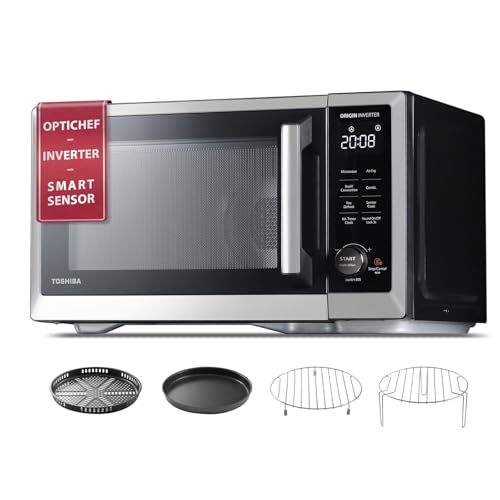

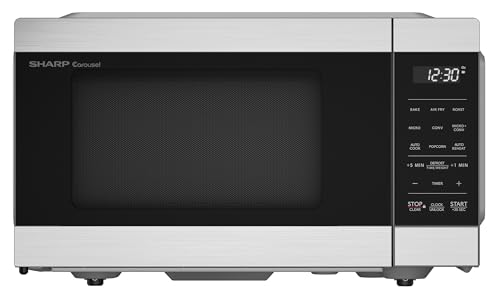
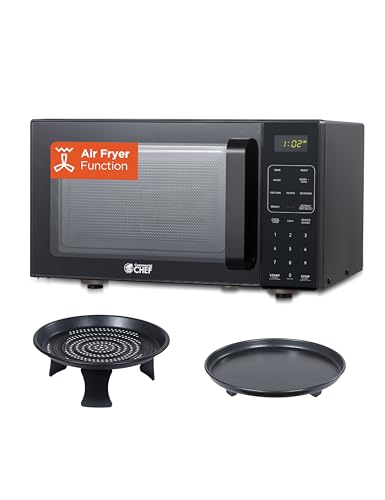

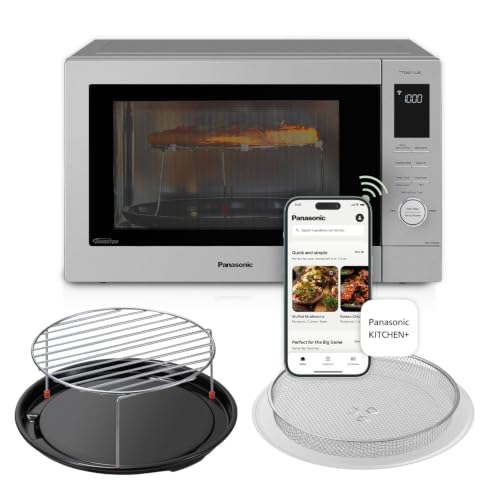


Who Should Buy Best Combination Microwaves
Start with your routine, because it reveals the capacity and modes you truly need.
For Quick Weeknight Cooking
A quick weeknight cook needs fast reheating, simple controls, and easy cleaning. A countertop model with clear presets suits this routine. Avoid complex menus that slow you down on busy evenings.
For Weekend Bakers
A weekend baker needs even convection heat and room for trays and tins. A larger cavity and a good grill element matter more than speed. Check that your baking tins fit with room for air to circulate.
For Shared Households
A shared household needs simple controls that everyone can use safely. Clear labels, a child lock, and easy cleaning help when several people cook. A mid size cavity suits varied dishes without wasting counter space.
Types Compared
These types cover most daily routines, and each one has a clear strength.
| Type | Best For | Typical Price |
|---|---|---|
| Compact Countertop Models | Singles and couples | about $150 to $300 |
| Family Countertop Models | Daily family cooking | about $250 to $500 |
| Fitted Combination Models | Renovations | about $800 to $1400 |
Compact Countertop Models
Compact countertop models suit small households and renters. They reheat quickly and handle occasional baking. Capacity is limited, so they suit single dishes rather than large family meals.
Family Countertop Models
Family countertop models offer larger cavities and stronger convection for tray bakes and roasts. They suit households that cook most evenings. They need more counter space, so measure before ordering.
Fitted Combination Models
Fitted combination models integrate into cabinetry and suit kitchens planned around a clean look. They offer larger cavities and quieter operation. Professional installation and exact cutout measurements are essential.
Key Features to Compare
These features have the biggest effect on everyday cooking and cleaning.
Power Levels and Control
A good range of power levels lets you defrost gently, reheat evenly, and cook quickly. Look for controls that make it easy to change power mid cook. Simple, readable controls reduce mistakes on busy days.
Convection Quality
Convection quality shows in even browning across a tray. A fan plus heating element gives more even heat than a fan alone. If you bake often, prioritize even heat over a long preset list.
Interior Size and Shape
Interior shape matters as much as total liters. A wide, shallow cavity suits trays, while a tall cavity suits taller dishes. Measure your most used dishes and compare them with interior dimensions.
Ease of Cleaning
Combination cooking creates grease, so a smooth cavity and removable turntable help a lot. Steam clean modes loosen spills and save scrubbing time. Regular light cleaning keeps the machine fresh and efficient.
Price and Value
Budget machines around $150 to $300 suit reheating and light baking. They are a good first combination machine for small households. They may lack the capacity for large family meals.
Mid range machines around $300 to $600 suit daily family cooking with stronger convection and larger cavities. Most households will find the best balance in this range, because the extra capacity is used every day.
Premium machines around $800 to $1400 suit fitted kitchens and confident cooks. They add quieter operation, larger cavities, and more precise controls. Spend at this level only if you cook with combination modes most days.
Fit, Setup, and Everyday Care
Place the machine where you can load hot dishes safely and where steam can escape. Leave ventilation gaps as directed in the manual. Use dishes rated for microwave and oven use in combination modes, and check handles before lifting hot food.
Wipe the cavity after greasy cooking and clean the turntable regularly. Check the door seal for debris and damage. A damaged seal should be inspected by a qualified technician before further use.
Mistakes to Avoid
These routine mistakes reduce satisfaction with an otherwise good machine.
- Buying for occasional large meals instead of your normal daily cooking.
- Choosing a cavity that cannot fit your regular baking trays.
- Paying for complex presets while ignoring basic power control.
- Placing the machine where steam and heat damage nearby cabinets.
- Skipping cleaning after greasy cooking, which causes lingering odors.
Before You Order
Before you buy a combination microwave, look back over your last two weeks of cooking and count how many meals needed baking or crisping rather than reheating. If the answer is only one or two, a compact model is enough, and if it is most evenings, choose a larger cavity with true convection.
Measure the baking tray or tin you use most and compare it with the interior dimensions rather than the liters listed. Keep the packaging for the first fortnight so you can return the machine if the controls or the noise do not suit your household.
Related Guides
If a smaller everyday machine is what you need, see our guide to the best combination ovens microwave convection, then compare plain models in the best countertop microwaves and best overhead microwaves guides. For snack use only, the best microwaves for popcorn guide is more practical.
Frequently Asked Questions
How do I know if I need a combination microwave?
You need one if you regularly bake, roast, or crisp food as well as reheat. If you only reheat leftovers and drinks, a basic microwave will do the same job for less money. Look at your last two weeks of cooking to decide honestly.
What capacity suits a family of four?
A family of four usually needs a cavity that fits a standard baking tray and a medium casserole dish at the same time. Measure your dishes before shopping, because liter figures alone can mislead. A well fitted cavity cooks more evenly than a larger empty one.
Is air fry worth paying extra for?
Air fry is worth it if you crisp chips, vegetables, and coated foods weekly. It gives a crisp finish with little added oil. If you rarely fry food, convection alone will handle most baking and roasting well.
Can I use metal trays in a combination microwave?
Metal trays are safe in convection and grill modes on most models, but not in microwave only mode. Always check the manual for your specific machine. When in doubt, use the mode and dish guidance printed in the manual.
How often should I clean a combination microwave?
Wipe the cavity after greasy cooking and do a deeper clean weekly if you cook daily. A steam clean mode helps loosen baked on spills. Regular cleaning keeps flavors clean and heat distribution even.
Final Thoughts
Choose among best combination microwaves by matching capacity and modes to your normal week, not to an imagined feast. The product table above is a useful starting point, and the sections in this guide explain how to weigh each factor for your own situation.


