
Best Combi Microwaves of 2026: Complete Buying Guide
Disclosure: We may earn a commission when you buy through links on this page, at no extra cost to you. As an Amazon Associate I earn from qualifying purchases. Learn more

Compare combi microwaves by type, size, power, and cooking mode, with guidance on convection, air fry, and installation for small and family kitchens.
A best combi microwaves search quickly turns confusing, because one machine can microwave, bake, grill, and air fry. The right choice depends on how you cook most days, how much counter space you have, and whether you want one machine to replace several. This guide separates the types clearly.
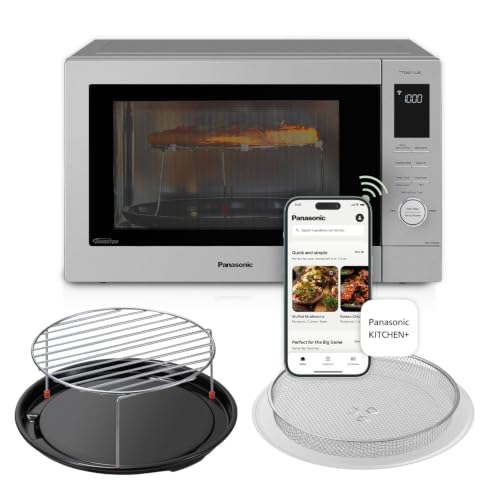
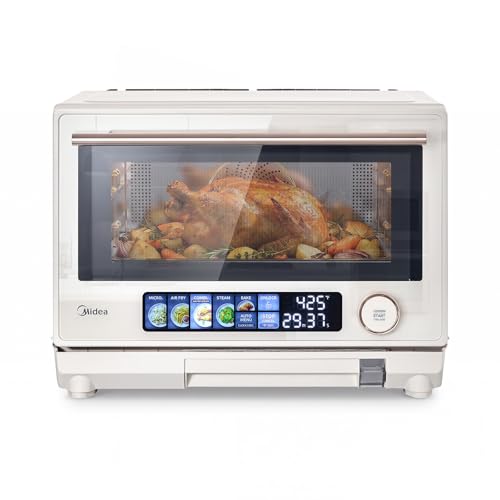
Combi microwaves suit busy households that want fast reheating plus real baking and crisping in one appliance. They also suit small kitchens where a second oven is not practical. The sections below explain each type and the features that matter in daily use. The comparison table below gives a quick overview of the main types before the detailed guidance that follows.



Who Should Buy Best Combi Microwaves
Different households use a combi microwave in different ways, and the best type follows your cooking routine.
For Small Kitchens
A small kitchen needs a compact machine that still bakes and crisps well. Countertop models suit renters and small households, because they need no installation work. Measure width, depth, and door swing before ordering, and check ventilation space around the machine.
For Busy Families
A busy family needs capacity for larger dishes and fast cooking after work or school. A larger cavity and a strong convection mode help with tray bakes and roasts. Easy cleaning matters too, because a family machine is used several times a day.
For Confident Home Cooks
A confident home cook wants precise temperature control, even heat, and useful preset programs. Look for a convection mode with a wide temperature range and a grill element that browns evenly. A machine with clear manual controls will suit cooks who adjust recipes by feel.
Types Compared
The main types differ by installation and cooking method, and each one suits a different kitchen.
| Type | Best For | Typical Price |
|---|---|---|
| Countertop Combi Microwaves | Renters and small kitchens | about $150 to $350 |
| Convection Microwave Combos | Baking and roasting | about $250 to $500 |
| Microwave Drawers | Fitted kitchens | about $800 to $1200 |
Countertop Combi Microwaves
Countertop combi microwaves sit on a work surface and plug into a standard outlet. They are easy to move and need no fitting work. Capacity is smaller than built in models, so check that your largest dish and baking tray fit inside before you buy.
Convection Microwave Combos
Convection microwave combos add a fan and heating element, so they bake and roast more evenly than a microwave alone. They suit households that want crisp pastry and roasted vegetables without a full oven. Preheat time and even heat are the features to compare here.
Microwave Drawers
Microwave drawers slide out from under a counter and suit fitted kitchens with a clean look. They are convenient at a lower height and free up counter space. They cost more and need professional fitting, so they suit a kitchen renovation rather than a quick replacement.
Key Features to Compare
These features decide whether a combi microwave earns its place on your counter every day.
Wattage and Cooking Power
Wattage affects reheating speed and even cooking, with most family models around 900 to 1000 watts. Higher wattage cooks faster but can overcook delicate food if you do not adjust times. Choose a power level range that lets you reheat gently and cook quickly when needed.
Convection and Air Fry Modes
Convection circulates hot air for even baking, while air fry modes crisp food with little added oil. Both modes add real value if you bake or crisp food weekly. If you mainly reheat, a simpler microwave may serve you better and cost less.
Capacity and Cavity Size
Capacity is measured in liters, but the usable space depends on tray size and turntable diameter. Bring the measurements of your largest dish when you shop. A cavity that is too small will frustrate you daily, while an oversized cavity wastes counter space.
Cleaning and Maintenance
A smooth cavity, a removable turntable, and a steam clean mode make daily care much easier. Grease builds up quickly in a machine that grills and air fries. Wipe spills promptly and clean filters on the schedule in the manual to keep odors down.
Price and Value
Budget machines around $150 to $250 suit reheating and occasional baking. They offer basic combination modes and smaller cavities. They are a good starting point for a first combi microwave or a small household.
Mid range machines around $250 to $500 suit regular family cooking. They usually add stronger convection, better controls, and larger capacity. Most households will find the best balance in this range.
Premium machines around $500 to $1200 suit fitted kitchens and serious cooks. They add larger capacity, quieter operation, and more precise controls. Spend at this level only if you cook with combination modes several times a week.
Fit, Setup, and Everyday Care
Measure the space carefully, including door swing and ventilation gaps on each side. Place the machine where you can load hot dishes safely without reaching over a hob. Use microwave safe and oven safe dishes as directed, because the wrong dish can crack or melt in combination modes.
Clean the cavity after greasy cooking, and run a steam clean cycle if your model offers one. Check the door seal regularly and keep it free of food debris. A damaged seal should be checked by a qualified technician, not ignored.
Mistakes to Avoid
Avoid these common mistakes and your combi microwave will be easier and safer to live with.
- Buying a cavity that cannot fit your largest baking tray or casserole dish.
- Paying for air fry and convection modes you will rarely use.
- Ignoring ventilation gaps and door swing when measuring counter space.
- Using the wrong dish type in combination modes and damaging cookware.
- Skipping regular cleaning, which causes odors and uneven cooking over time.
Before You Order
Before ordering a combi microwave, take the dish you cook in most often and measure it against the cavity width, height and turntable. Then decide which mode you will use every week: baking with convection, crisping with air fry or simple reheating. If you will not use two of them, a simpler machine saves money.
Check the counter spot as well. Leave the ventilation gap given in the manual at the sides and top, and keep the door swing clear of a wall. Finally read the return terms, because a combi machine that is louder or taller than you expected is easiest to send back in the first weeks.
Related Guides
If you want a fitted oven that also microwaves, read our guide to the best microwave combi ovens. For simpler appliances see the best countertop microwaves, for kitchens short of counter space the best overhead microwaves, and for snack use the best microwaves for popcorn.
Frequently Asked Questions
Is a combi microwave a good replacement for an oven?
A combi microwave can replace an oven for many everyday meals, especially baking, roasting, and reheating in a small household. It may struggle with very large roasts or several trays at once. If you cook large meals often, keep a full oven and use the combi machine as a fast second oven.
Do I need an air fry mode?
An air fry mode is useful if you crisp chips, vegetables, and coated foods weekly, because it gives a crisp finish with little oil. If you rarely fry food, a convection mode alone will cover most baking and roasting. Choose based on your weekly menu, not on a feature list.
What size should I buy?
Choose the smallest cavity that still fits your largest dish and baking tray, with room for air to circulate. Measure your dishes before shopping, and check turntable diameter as well as total liters. A well fitted cavity cooks more evenly than a larger one used with tiny dishes.
Are combi microwaves hard to clean?
They need more cleaning than a basic microwave, because grilling and air frying create grease. A smooth cavity, removable parts, and a steam clean mode help a lot. Wiping the cavity after greasy cooking takes a minute and prevents stubborn buildup.
Can I install a combi microwave over a hob?
Some over range models are made for that position, but a countertop model is not. Check the manual for ventilation and clearance requirements, and use a qualified installer for fitted models. Safe installation matters more than saving counter space.
Final Thoughts
The best choice among best combi microwaves is the type that fits your kitchen, your largest dish, and the cooking modes you will actually use each week. The product table above is a useful starting point, and the sections in this guide explain how to weigh each factor for your own situation.


