Best Combination Coffee Machines 2026: Two in One Guide
Disclosure: We may earn a commission when you buy through links on this page, at no extra cost to you. As an Amazon Associate I earn from qualifying purchases. Learn more

Choose a combination coffee machine that brews drip and espresso well, with simple switching and easy cleaning for varied tastes at home for mixed households.
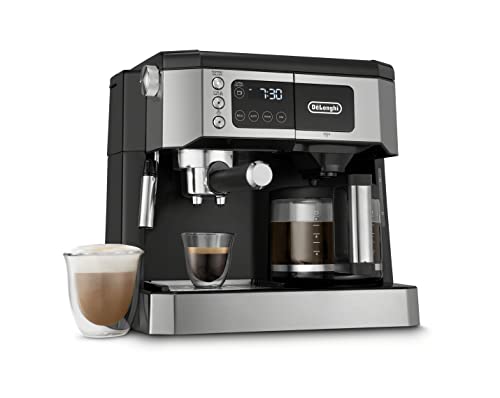
One machine that does two jobs can simplify a kitchen, so best combination coffee machines appeal to households with mixed coffee tastes. One person wants a full drip pot in the morning, another wants an espresso after dinner, and a combination machine promises both. The comparison table below can help you compare how well each side performs before you trade two good brewers for one compromise.
Combination machines vary widely, with some brewing both sides well and others favouring one side heavily. Check reviews for each side separately, since a great drip brewer with a weak espresso side disappoints half the household. Counter space savings matter too, but only if both sides earn their place daily.




Who Should Buy a Combination Machine
Combination machines suit households where tastes split between drip pots and espresso drinks, and counter space is limited. They also suit small offices where varied tastes share one machine. If everyone drinks the same way, a dedicated brewer usually gives better coffee for less money.
They are less ideal for serious espresso lovers, who often find combination espresso sides weaker than dedicated machines. Households with ample counter space may also prefer two dedicated brewers that each excel. Weigh variety against peak quality honestly before choosing one machine for two jobs.
Key Features Worth Comparing
Drip Side Quality
Judge the drip side by temperature stability, even water spread, and carafe type, just as you would a standalone drip machine. A thermal carafe keeps a pot fresh without cooking it, while a glass carafe on a hot plate stales faster. Programmable timers help morning routines, but brewing fundamentals matter more. If the drip side brews poorly, the whole machine disappoints daily.
Espresso Side Quality
Judge the espresso side by pump pressure, temperature control, and milk handling if you drink milky drinks. A capable steam wand matters for lattes, while a simple pressurised portafilter suits beginners. Check whether the espresso side uses fresh grounds or pods, since that shapes flavour and running cost. Test both sides with the same beans where possible, since taste reveals compromise quickly.
Switching and Cleaning
Switching between sides should be simple, without long purging or awkward part swaps that discourage use. Cleaning doubles with two systems, so removable parts and clear descale alerts matter greatly. Milk parts need rinsing after every use, while drip parts need regular washing. A combination machine that is hard to clean soon becomes a single side machine in practice.
Getting the Most From a Combination Machine
Use fresh beans and the right grind for each side, since drip and espresso need different grinds. Clean both sides on schedule, even the side you use less, because stale oils taint flavour. Keep both sides descaled, since scale harms temperature on drip and espresso alike. Learn each side separately, and do not judge the machine by one side alone.
Mistakes to Avoid
The most common mistake is assuming both sides perform equally, when most combinations favour one side. Another mistake is buying for counter space alone and accepting weak coffee daily. Finally, do not ignore cleaning time, since two systems need twice the care. If cleaning feels like a chore, a simpler dedicated brewer may serve you better.
Related Buying Guides
If you are still deciding between formats, compare this guide with our pages on the best coffee machine makers, the best espresso coffee machines and the best coffee espresso combination machines. Households that want to split the jobs can look at the best drip coffee machines and the best grinder coffee machines.
Living With Two Brewers in One
Life with a combination machine settles into patterns, with drip pots dominating mornings and espresso drinks appearing in evenings or weekends. Households learn which side each person prefers, and the machine becomes a shared tool rather than a compromise. Keep both sides clean even when one dominates, since neglected sides stale and disappoint when finally used. A quick rinse of the quiet side weekly prevents that trap.
Bean and grind management needs care with two systems, since drip and espresso need different grinds. Keep beans for each side labelled if you use different roasts, and purge the grinder briefly when switching grinds. A second small grinder, if budget allows, removes this friction entirely and improves both sides. Small organisation habits make dual brewing feel easy rather than fiddly.
Guests enjoy combination machines, since varied tastes find something without a second appliance. Offer a simple choice between a pot coffee and an espresso drink, rather than a complex menu that confuses. Demonstrate the machine once for regular guests, so they can help themselves on later visits. Hospitality becomes easier when one machine covers everyone comfortably.
A Final Check Before You Order
Before ordering, taste both sides in a shop or demo if possible, since combination machines often favour one side strongly. Check drip temperature and espresso pressure separately, and test milk steaming if lattes matter. Measure counter space with both sides in use, since carafes, portafilters, and cups need room together. A machine that looks compact closed may sprawl in daily use.
Compare cleaning time honestly, since two systems need roughly twice the care of one. Look for removable brew groups, dishwasher safe parts, and clear descale alerts for both sides. Check parts prices for both systems too, since carafes and portafilter baskets wear differently. A machine that is easy to clean stays dual purpose, while a hard one becomes single purpose quickly.
Keep packaging for a trial fortnight, using both sides regularly rather than favouring one. Note taste, speed, and cleaning effort for each side separately, since averages hide weak sides. If one side disappoints consistently, consider returning for two dedicated brewers instead. An honest trial protects the household from a costly compromise.
Frequently Asked Questions
Do combination machines brew good espresso?
Combination machines vary, with some brewing respectable espresso and others producing weak, thin shots. Dedicated espresso machines usually give better temperature control, pressure, and milk steaming than combination sides. For occasional espresso drinkers, a good combination machine suffices happily. Serious espresso lovers should test the espresso side carefully or choose a dedicated machine instead.
Are combination machines good for families?
Yes, combination machines suit families with mixed tastes, since one machine can brew a morning drip pot and evening espresso drinks. They save counter space and simplify shopping to one appliance. Families where everyone drinks the same way gain less, since a dedicated brewer costs less and brews better. Survey household tastes before buying, since variety drives the value here.
How do I clean a combination coffee machine?
Clean each side separately, following the maker guide for drip and espresso parts. Rinse drip baskets and carafes after use, wash milk parts after every milky drink, and descale both systems on schedule. Removable brew groups and dishwasher safe parts ease the job greatly. Regular cleaning protects flavour on both sides, since stale oils and scale harm drip and espresso alike.
Do combination machines cost more to run?
Combination machines often cost more upfront than a single dedicated brewer, but less than buying two separate machines. Running costs include beans, filters, milk, cleaning supplies, and descaling for two systems. Pod based espresso sides add pod costs, while ground coffee sides cost less per cup. Compare total cost over a year, including both sides, before you decide.
Should I buy a combination or two separate machines?
Buy a combination machine when counter space is tight and household tastes genuinely split between drip and espresso. Buy two separate machines when space allows and peak quality matters more than convenience, since dedicated brewers usually excel. Test a combination machine in a shop if possible, tasting both sides before committing. The right choice depends on space, taste split, and cleaning patience.
Final Thoughts
A good combination machine brews both sides well enough to please a mixed household, while saving counter space. Judge each side separately, since a weak side wastes the whole purchase. Use the product table above to compare drip quality, espresso quality, and cleaning demands.
Keep both sides clean and use fresh beans with correct grinds. With that care, best combination coffee machines becomes a versatile kitchen helper that serves every coffee lover at home.