Best Coffee Espresso Combination Machines: A Buying Guide for 2026
Disclosure: We may earn a commission when you buy through links on this page, at no extra cost to you. As an Amazon Associate I earn from qualifying purchases. Learn more

Choose the best coffee espresso combination machines by strength control, grinder, tank size, and cleaning so one appliance makes both your pot and your shot.
A combination machine promises one appliance for two very different habits: a full pot of drip coffee for slow mornings and guests, and a short espresso or milk drink when you want something stronger. This guide explains how to judge the best coffee espresso combination machines, because the shared water tank, heater, and controls mean each side has to earn its place on your counter.
Use the product table to see the main designs side by side, then use the sections below to decide which compromises you can live with in your own kitchen.




Who Gets the Most From a Combination Machine
Households with mixed habits benefit most: one person drinks drip on weekdays, another wants an espresso based drink after dinner, and guests expect a full pot at weekends. Small kitchens also gain, since one footprint replaces two machines. If you drink espresso every single morning and almost never touch drip coffee, a dedicated espresso machine will usually serve you better and cost less to maintain.
Designs of Coffee Espresso Combination Machines
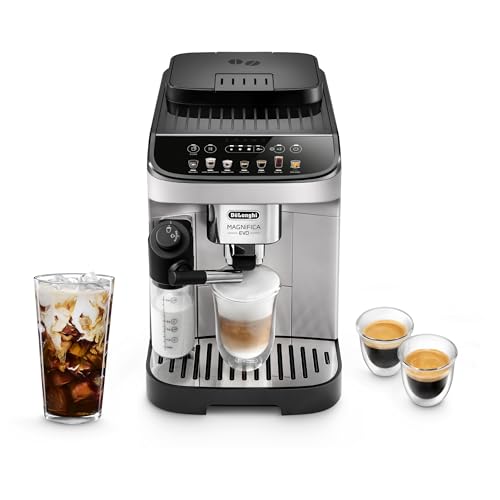
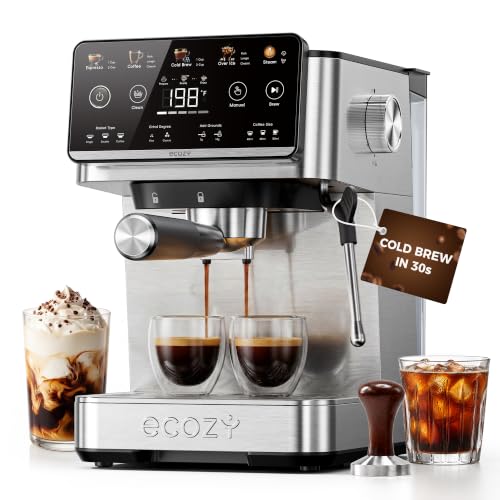
- Drip plus espresso in one body. These pair a carafe brewer with an espresso side, often with a built in grinder and a milk frother. They give the most flexibility but need the most cleaning.
- Capsule machines that make coffee and espresso. Capsule systems brew a coffee size and an espresso size from sealed pods. They are fast and tidy, but you buy pods from one system and cannot make a full pot.
- Compact combination models. Smaller versions trade tank size and carafe capacity for counter space, which suits apartments and single drinkers.
For a nearby option, see the best espresso coffee machines, which many shoppers compare before choosing a combination model.
What to Check Before You Buy
Strength and Dose Control
On a combination machine, look for adjustable strength on the drip side and some control over dose or shot size on the espresso side. Fixed settings frustrate households where tastes differ, and a machine that offers a bold setting for drip can rescue a pot that otherwise tastes weak.
Heat Up Time and Switching Sides
Many designs share a heater or a water path between the two sides, so switching from a pot to a shot can mean waiting for temperature to settle. Read how the maker describes switching, and consider how long you are willing to stand at the counter while the machine adjusts.
Built In Grinder or Not
A grinder improves freshness for both drinks, but it adds a part to empty, brush, and eventually replace. If you already own a good separate grinder, a model without one can be simpler and easier to clean. Either way, drip and espresso want different grind sizes, so check that the machine lets you change the setting easily.
Tank, Carafe, and Footprint
Measure the height with the lid open and the depth with the carafe in place, because a combination machine is usually taller and deeper than a plain drip brewer. A larger tank means fewer refills, but water that sits for days tastes stale, so size the tank to how much you actually brew.
Milk Systems
A steam wand gives control and wipes clean quickly, while an automatic frother is easier to use but has tubes and containers that need regular washing. Choose the style you will actually keep clean, because milk residue is the most common cause of off flavors in these machines.
The best combination coffee machines guide covers the wider category if you also want to compare pod and drip pairings.
Mistakes People Make
- Judging only the espresso side. A weak pot side wastes half of the machine, so check how the drip side is described as well.
- Forgetting cabinet clearance. Lids and water tanks need room to open and refill.
- Using stale beans or grounds in both brewers. Buy small amounts and store them sealed and away from light.
- Skipping descaling. Shared heating parts make scale a bigger problem than on a simple drip machine.
Living With Your Machine
Rinse both brew paths after use, wipe milk parts right away, and empty the drip tray often. Descale when the maker recommends it, and run fresh water through the machine after a few days away. Keep the carafe clean, since old coffee film adds bitterness to the next pot.
Write down your normal week before you shop: how many cups, which drinks, and how much time you have in the morning. A busy household needs quick heat up and simple cleaning, while a slow weekend household can enjoy a more involved machine. For help with the beans themselves, the best coffee beans for espresso machines guide explains roast and freshness, and the best coffee automatic espresso machines and best coffee machine makers pages add background on different makers.
Frequently Asked Questions
How do I get the best flavor from a combination machine?
Use fresh coffee, filtered water if your supply is hard, and the right grind for each side. Preheat cups for espresso, and do not leave a brewed pot on heat for hours. Clean the machine on schedule, since old oils and scale dull flavor quickly.
Can I brew drip coffee and espresso at the same time?
Some machines allow it, while others need you to finish one side before starting the other. Check the design before buying if simultaneous brewing matters to you, since shared heating systems often require a short wait between sides.
What maintenance does a combination machine need?
Daily rinsing of brew parts and milk parts, regular descaling, and periodic replacement of filters and seals. The schedule depends on use and water hardness, so follow the manual and keep a routine you can sustain.
Are combination machines good for offices?
They can work in a small office with mixed tastes, especially with a larger tank and a sturdy build. Cleaning becomes a shared job, so agree on a routine. A larger office may cope better with a dedicated commercial style machine.
How long should a combination machine last?
With regular cleaning and descaling, a well built machine can last many years of home use. Hard water, neglected cleaning, and constant heavy use shorten its life, so check that spare parts are easy to buy.
Final Thoughts
The right combination machine respects both sides of your coffee habit. Check strength control, heat up time, and cleaning before you buy, and use the product table to compare the designs. With the best coffee espresso combination machines as your starting point, you can pick a machine that fits your kitchen and your routine.