Best Coffee Tamper Mat for 2026
Disclosure: We may earn a commission when you buy through links on this page, at no extra cost to you. As an Amazon Associate I earn from qualifying purchases. Learn more
Best coffee tamper mat protects the counter and the portafilter while you tamp. Compare silicone and rubber mats, sizes and machine fits.
Tamping espresso grounds means pressing down on a loaded portafilter, and that pressure lands on whatever is underneath. A bare counter gets scratched, the basket can slip, and coffee grounds spread everywhere. The best coffee tamper mat gives you a firm, grippy, non-marking surface to press against, and keeps the mess contained.
The product table above lists silicone and rubber tamping mats, plain ones, corner designs and mats cut to suit specific machines. This guide explains how to choose by material, size and shape, and how a good mat improves your daily espresso routine.
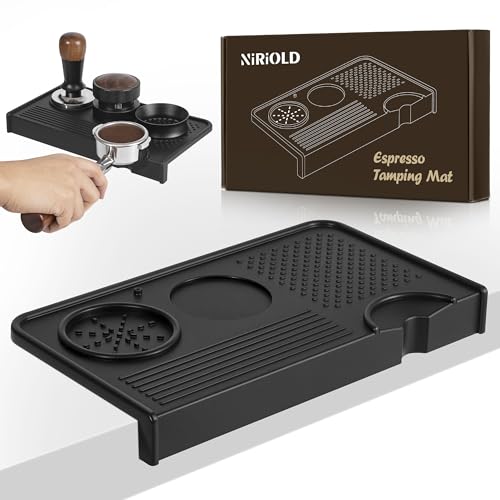
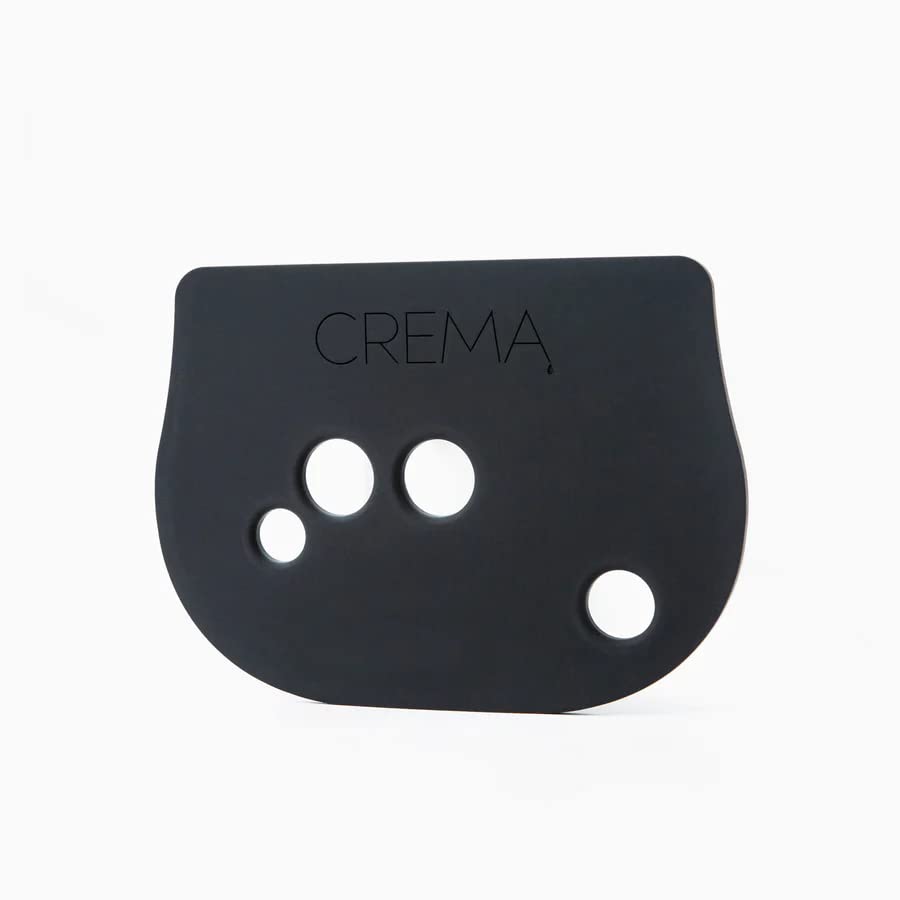


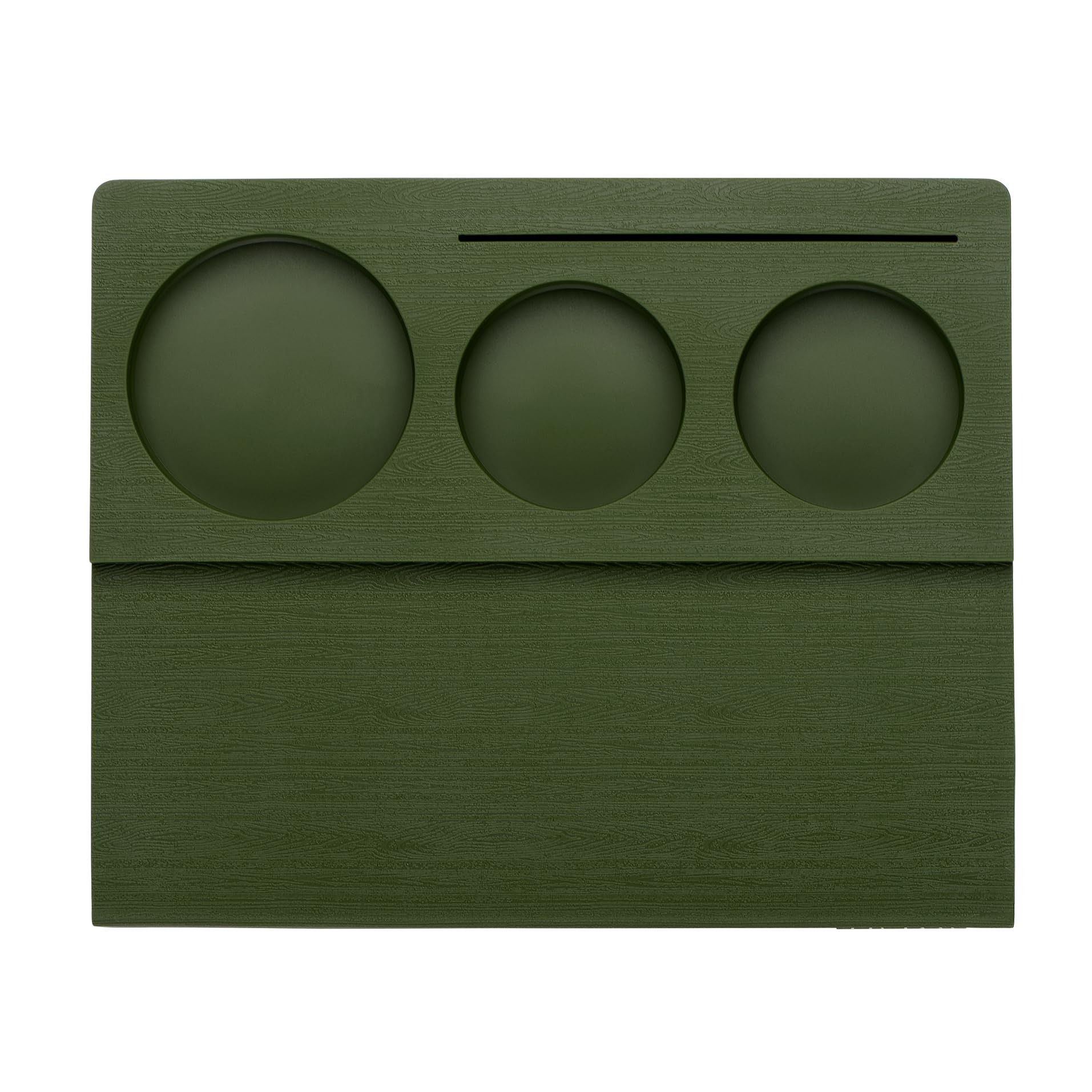

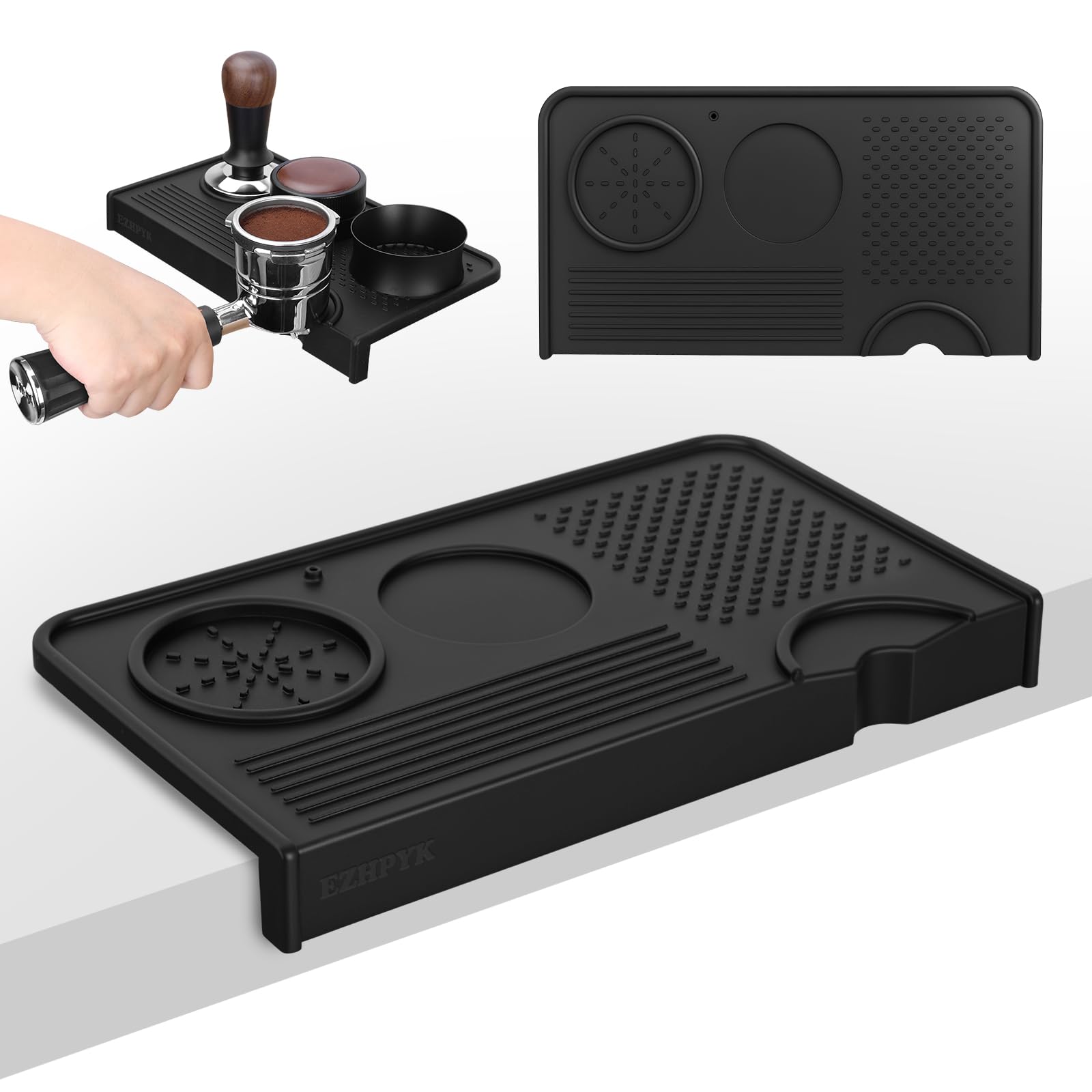
What the best coffee tamper mat does
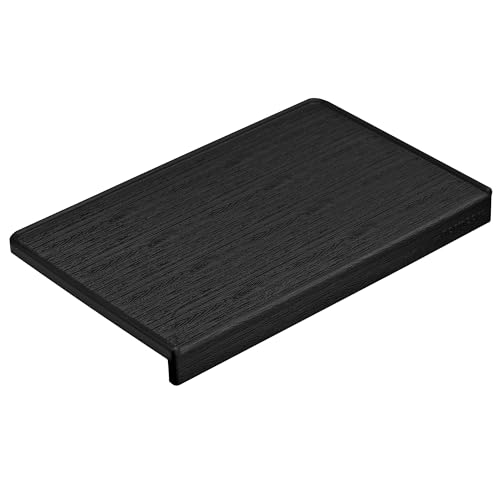
A tamper mat is a thick, flexible pad that sits on the counter. You rest the portafilter on it, tamp the coffee and the mat absorbs the force. Because it grips the counter and the portafilter, nothing slides. It also protects stone, wood and laminate from scratches and the dents that a hard tamp can cause.
It keeps a small mess in one place, so you wipe or rinse a single mat instead of the whole counter.
Silicone or rubber
Silicone mats are soft, flexible and heat tolerant, and they rinse clean under the tap. They hold up well to hot portafilters and are easy to store. Rubber mats are firmer and a little heavier, giving a stable feel under strong pressure. Both are good choices, so choose by the feel you like and the size you need.
Look for food-safe materials and a non-slip underside. A mat that moves while you tamp is no help.
Flat mats and corner mats
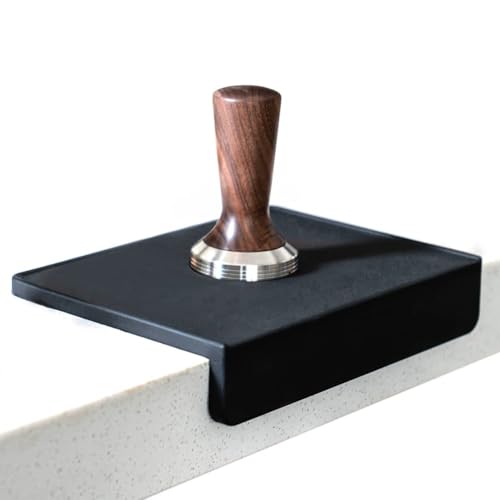
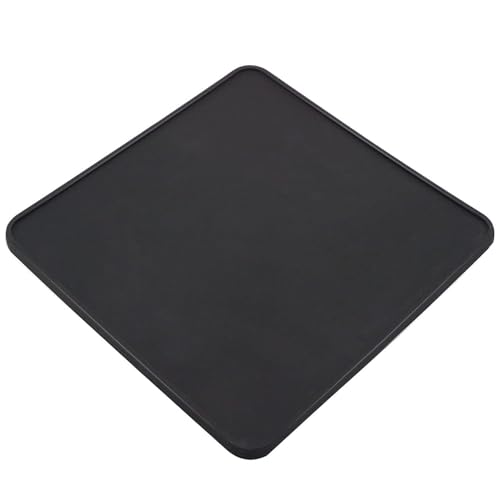
The best coffee tamper mat can be a flat mat, the simplest option, which suits any counter. A corner mat has a raised lip that fits around a counter edge or corner, so you can tamp with the portafilter braced against it. Corner designs protect the edge of a counter, and they keep grounds from falling to the floor.
If you have limited space, a corner mat can sit neatly beside the machine and double as a drip catcher.
Size and thickness
A larger mat gives you room to rest the portafilter, the tamper and a dosing funnel. A small mat is easy to store and fits tight counters. Thickness matters, too. A thicker mat absorbs force and shields the counter better, while a thin mat is easier to roll or fold.
Check the dimensions in the listing and compare them with your counter space and your portafilter size.
Mats shaped for specific machines
Some mats are cut to fit a particular espresso machine, with a cutout for the drip tray or the front edge. These are tidy if you own that model, and they often include a tamping area and a space for tools. Check the machine model listed before ordering, since a mat that does not fit offers little benefit.
Cleaning and care
Rinse the mat after use, and wipe it dry. Most silicone and rubber mats can be washed in warm soapy water. Avoid abrasive pads, which scratch the surface.
If grounds stick in textured areas, a soft brush clears them. Let the mat dry flat to prevent warping.
Tamping technique
A mat is helpful, but technique matters too. Keep the portafilter level, press straight down with steady pressure, and avoid twisting. Use a mat with a clear flat area so that you can feel when the puck is level. Consistent pressure gives consistent espresso.
Price and value
The mats in the table cost from about $9 to $30. A simple mat does the job well, while premium options offer extra features such as tool slots or thicker construction. For most home baristas, a mid-priced mat is plenty.
Setting up a tidy espresso station
Place the mat next to the machine, with the tamper, a dosing funnel and a small brush within reach. Keep a knock box nearby for used pucks. A tidy station means you pull a shot without searching for tools, and cleanup takes seconds. If you share the counter with other uses, a mat that rolls up or folds makes it easy to store between sessions.
Add a small tray for cups and a towel for wiping the portafilter basket, and the routine runs smoothly.
Protecting different counter surfaces
Stone and quartz counters are hard but can chip at an edge when a metal portafilter hits them. Wood counters dent under pressure, and laminate can scratch. A mat spreads the force and keeps metal off the surface. Check that the underside of the mat is clean before use, since trapped grit can mark a counter when the mat is pressed.
If your counter is textured, a thicker mat helps level the surface so that the portafilter sits flat.
Mats with extras
Some mats include raised borders to hold grounds, a slot for the tamper or a hole for the dosing funnel. Others have a smooth side for tamping and a textured side for tools. These extras are useful if you are building a full station. If you prefer a simple setup, a plain mat is perfectly good.
Choose bright or dark colors depending on how much you want to see spilled grounds. A light mat shows mess, which reminds you to clean, while a dark mat hides it.
Common mistakes
The most frequent mistake is buying a mat that is too small, so the portafilter hangs off the edge. Another is skipping the cleaning step, which lets old grounds build up and smell stale. A third is buying a mat for the wrong machine, when a universal flat mat would have fit. Read the dimensions and the compatibility notes before ordering.
Common questions
Do I need a tamper mat?
It is not essential, but it protects the counter and keeps the area tidy.
Can I use a regular silicone mat?
Yes, if it is thick and grippy. A dedicated mat is shaped for the job.
Will a mat fit any machine?
Flat mats do. Shaped mats are made for specific models.
How do I clean a tamper mat?
Rinse with warm soapy water and dry flat.
Final thoughts
The best coffee tamper mat grips the counter, absorbs pressure and cleans easily. Compare materials and shapes in the table above, check the size and choose the mat that suits your espresso setup.