Best Coffee and Espresso Makers in 2026: Which Type Is Right for You?
Disclosure: We may earn a commission when you buy through links on this page, at no extra cost to you. As an Amazon Associate I earn from qualifying purchases. Learn more

Compare the main types of coffee and espresso makers, from drip and pod machines to true espresso and combo models, by drink style, space, and cost.
The best coffee and espresso makers blur together on the shelf: drip brewers, pod machines, pump espresso makers, and two in one combos all promise cafe drinks at home. The honest divide is simpler. Each type makes a different drink, at a different cost per cup, with a different amount of daily effort from you.
This guide compares the main types side by side so you can match one to your drinks, your counter, and your mornings. The comparison table below lays out the types.


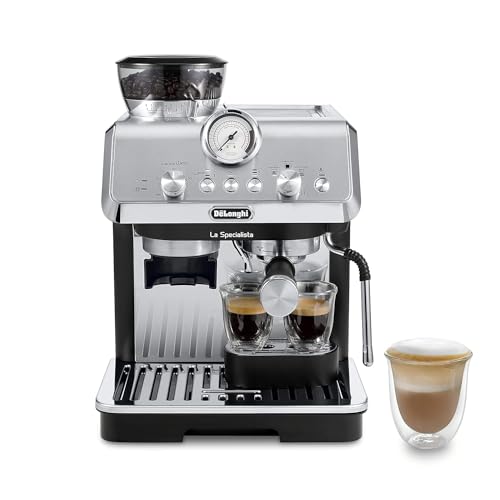
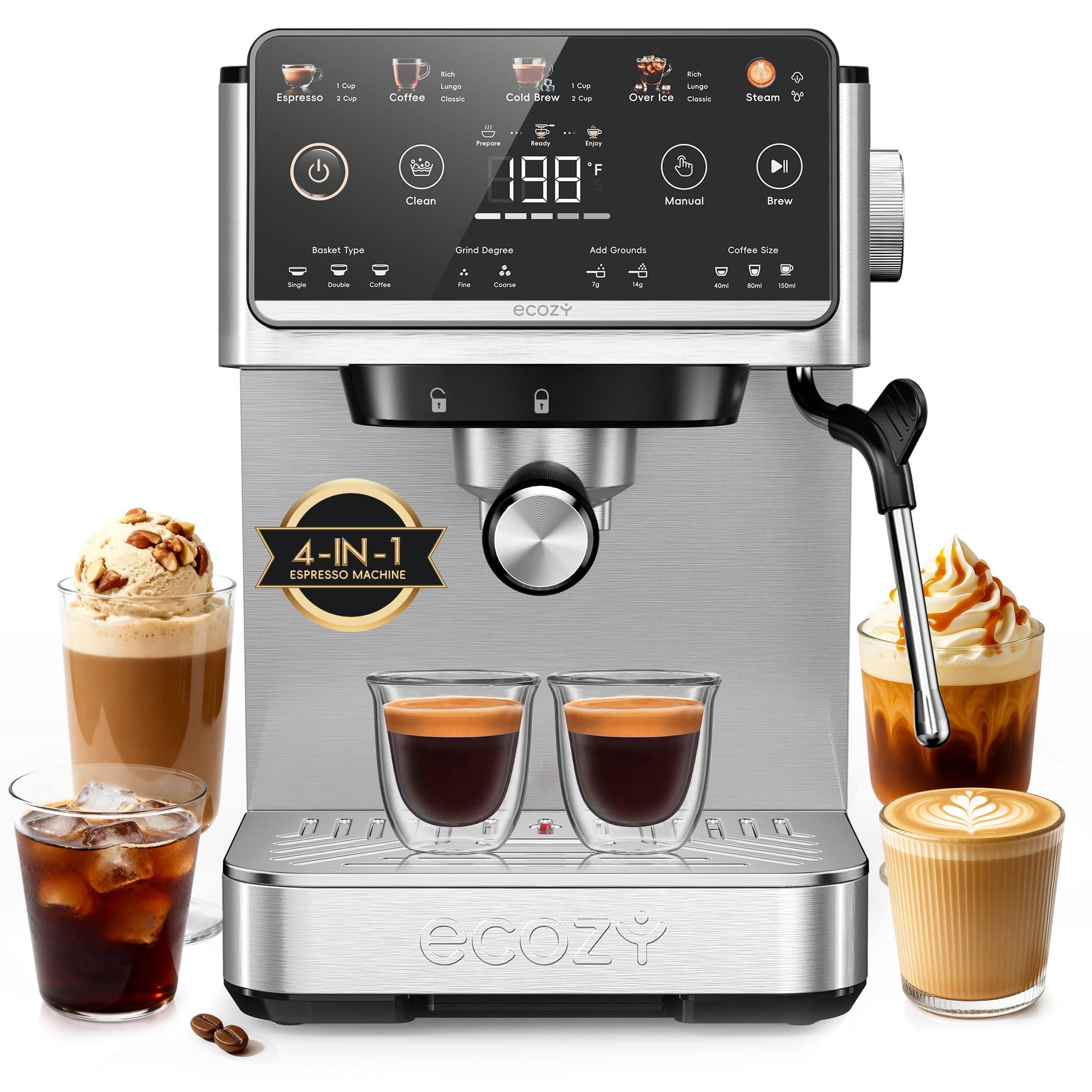


Types of Coffee and Espresso Makers Compared
| Type | Best For | Pros | Cons | Typical Price |
|---|---|---|---|---|
| Drip coffee maker | Households brewing full pots | Lowest cost per cup, big batches | No true espresso, coffee sits on a warmer | About $30 to $120 |
| Single serve pod machine | One cup drinkers in a hurry | Fast, no measuring, little mess | Highest cost per cup, pod waste | About $60 to $200 |
| Espresso machine | Espresso and milk drink fans | Real pressure brewed shots, steam for milk | Learning curve, most upkeep | About $150 to $700 |
| Combo coffee and espresso maker | Mixed drink households | Both drinks from one footprint | Each side is a compromise | About $200 to $500 |
| French press and percolator | Simple, stovetop friendly brewing | No filters or power needed for the press | Manual timing, coarser flavor control | About $20 to $80 |
Drip Coffee Makers
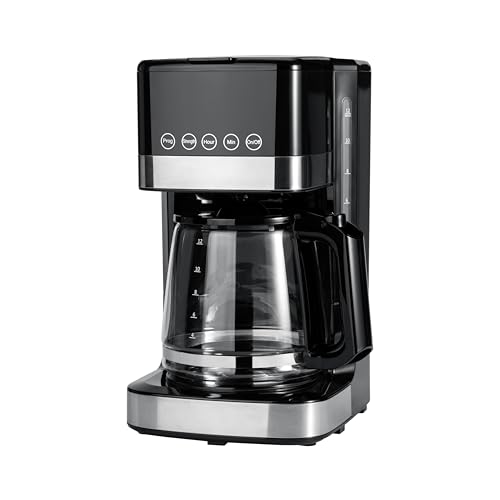
A drip maker heats water and showers it over ground coffee in a basket, filling a glass or thermal carafe below. If you shop among best coffee pot makers, this is the classic pot style most homes start with. A thermal carafe keeps coffee hot without a warming plate, so the last cup tastes fresher than the first.
Drip is the batch brewer: it shines when two or more people drink from the same pot. Its ceiling is flavor range. It cannot build the pressure espresso needs, so lattes and cappuccinos stay out of reach.
Single Serve Pod Machines
A pod machine pushes hot water through a sealed capsule of ground coffee, one cup at a time. There is nothing to measure and almost nothing to rinse, which is why pod machines win busy weekday mornings.
The cost hides in the cup. Pods run several times the price of loose grounds per serving, and the used capsules add up as trash unless you choose a recycling program or refillable pods.
Espresso Machines
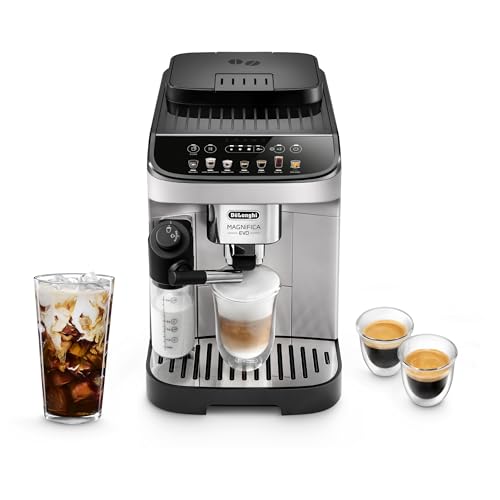
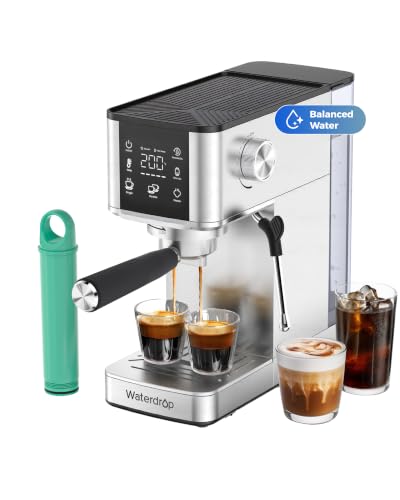
A true espresso machine forces hot water through a packed puck of finely ground coffee under pressure, and that pressure is what builds the thick, syrupy shot with crema on top. Read pump numbers with care, because the grind and the dose matter as much as the number on the box.
Espresso is a skill as much as a purchase. You dial in the grind, tamp evenly, and steam milk by hand, and the first weeks bring some sour and bitter shots. For drinkers who love the ritual and the result, no other type on this page substitutes.
Combination Machines
A combo machine joins a drip brewer on one side with an espresso side under one housing. One machine makes two drink families, and each side must be judged on its own quality, because a strong drip side often hides a weak espresso side.
Combos suit households split between pot drinkers and latte drinkers who share one stretch of counter. Judge each half by the rules for its own type, exactly as if it stood alone.
Percolators and French Presses
A percolator cycles boiling water up through a basket of grounds on the stovetop, building a strong, old fashioned cup that can turn bitter if it perks too long. Moka pots belong in this stovetop family too, and guides to best espresso stovetop coffee makers cover that smaller, richer style, which tastes close to espresso without true pump pressure.
A french press steeps coarse grounds in hot water, then pushes a mesh screen down to hold them back. It needs no power and no paper filters, and it brews a heavy, full cup. Both tools reward attention to timing more than money, which makes them the budget route to strong coffee.
Drip vs Pod Machines: Which Should You Choose?
Start with volume. A drip maker brews a pot for a household at the lowest cost per cup, while a pod machine brews one cup at the highest cost per cup. If one person drinks one cup before leaving, the pod premium buys back real time.
Then weigh waste and control. Drip grounds go in the compost and the dose is yours to adjust, while pods trade that control for sealed freshness and variety packs. Flavor sits in the middle: a good drip maker with fresh beans beats a stale pod, yet a pod never suffers from yesterday grounds left in the basket.
How to Choose the Right Coffee and Espresso Maker
Whatever the type, the best coffee and espresso makers for a given kitchen pass the same five checks below. Shoppers comparing brand families, such as those in guides to best coffee machine makers, still land on these same checks.
Footprint and Countertop Fit
Counter space governs every coffee purchase, and combos most of all. Measure the depth of the machine, the height under your upper cabinets, and the room the water tank needs to lift out for filling. A machine that fits on paper but blocks its own tank lid will annoy you daily.
Espresso machines also need working room beside them for a grinder and a milk pitcher. If the counter is tight, a slim pod machine or a compact drip maker often serves better than a wide combo squeezed into a corner.
Programmable Features and Controls
Timers and settings earn their keep when they match your routine. A programmable start on a drip maker means a pot waits when you wake, and brew strength control lets one machine serve both mild and bold drinkers. Auto shut off adds a layer of safety on warming plates.
On espresso machines, look for controls that help you repeat a good shot: a pressure gauge, adjustable shot volume, and a steam wand you move by hand. Screens and apps add cost fast, and they rarely improve the drink itself.
Pod Cost and Long Term Value
Run the yearly math before the sticker price charms you. Grounds for drip or espresso cost a fraction of what pods cost per cup, and two pod drinks a day can pass the price of a mid range espresso machine within a couple of years.
Factor in the extras on each side. Drip needs paper or permanent filters, espresso needs a decent burr grinder, and pods need a steady supply shipped or stocked. The cheapest machine to buy is often the priciest one to feed.
Brewing Method and Coffee Style
Name your drink first, then pick the method that makes it. Guides to best brewing coffee makers group machines by method for this reason: drip for mugs of filter coffee, espresso for shots and milk drinks, press for a heavy cup, and cold brew for smooth iced coffee.
Be honest about milk. If every drink you love is a latte or a cappuccino, you need real steam, and the espresso side becomes the whole decision. Black coffee drinkers can skip the steam wand entirely and put that money toward a better grinder instead.
Cleaning, Descaling, and Maintenance
Every heated water path builds scale, and scale chokes flow and cools the brew. Machines with a descale alert and a simple cycle save guesswork, while removable brew groups and dishwasher safe carafes cut the weekly scrub. Milk parts demand the most care: a steam wand needs wiping and purging after each use.
Ask who cleans what before you buy. A household that will not rinse a portafilter daily is happier with pods, and a household that hates buying parts is happier with a press.
Picking the Right Machine for Different Uses
Best at Home Coffee and Espresso Makers
The at home brief is different from a cafe brief: the machine serves the same few people daily, and nobody wants a closing time cleaning routine. Home buyers should rank a removable water tank, a footprint that fits under cabinets, and parts that rinse at the sink above raw power. A mid priced drip or combo that the whole household can run half asleep beats a pro style unit only one person dares to touch.
Best Combo Coffee and Espresso Makers: Which Type Works Best
Combo shoppers should audit both halves as if buying two machines. Fans of best espresso cappuccino coffee makers will care most about the steam wand and the pump, because those two parts decide whether milk drinks taste right. Then check the drip half on carafe size and brew strength settings. When one side clearly outclasses the other, a separate single purpose machine often serves better.
How to Make Your Coffee and Espresso Maker Last Longer
Water is the whole game. Filtered water protects flavor and slows scale, so fill the tank from a filter pitcher if your tap water runs hard. Descale on schedule, every one to three months depending on hardness, instead of waiting for the machine to slow down.
Daily habits matter just as much. Rinse the carafe, basket, and portafilter after use, wipe and purge the steam wand while the milk is still wet, and empty the drip tray before it overflows.
Frequently Asked Questions
How often should a coffee and espresso maker be descaled?
Descale a coffee and espresso maker every one to three months, leaning to the short end with hard water. Do not wait for the calendar alone: a slowing flow, a louder pump, or coffee that tastes dull at the usual settings are all signs scale has built up. Machines with a water hardness setting dose the reminder for you, so set it honestly when you first fill the tank.
How long does a coffee and espresso maker usually last?
A coffee and espresso maker usually lasts about five to ten years, with simple drip and press styles at the long end. Pumps, seals, and grinders set the limit on espresso machines, and hard water shortens every lifespan on this page. Weigh repair against replacement once two major parts fail close together.
Is a coffee and espresso maker with a built in grinder worth it?
A built in grinder is worth it when counter space is tight and your drinks are mostly drip or milk based, because one footprint does both jobs. Straight espresso drinkers get more from a separate grinder, since grind adjustment is where shot quality is won and lost. A combo also ties your fate to one repair bill, so a failed grinder can sideline the brewer too.
Is a more expensive coffee and espresso maker really worth it?
A pricier machine is worth it when the money buys steadier temperature, a stronger pump, and metal parts where cheap models use plastic. Those gains show up as repeatable shots and a longer working life. Past the mid range, prices climb for looks and automation more than for flavor, so a household happy with drip coffee gains little from espresso money spent at the top of the range.
What grind size works best with a coffee and espresso maker?
The right grind size depends on the method: fine and even for espresso, medium for drip, and coarse for a french press. Espresso is the strictest, because a few steps too coarse and the shot runs pale and sour in seconds. Buy whole beans and grind just before brewing, since ground coffee loses aroma fast, and let taste, not the dial number, confirm the setting.
Wrapping Up
Three checks settle most of this choice: the drink you actually make each day, the counter the machine must live on, and the cost per cup over a year rather than the sticker price. The product table above lines the types up by those measures in one view.
Match the type to the drink, the size to the kitchen, and the upkeep to your patience, and the best coffee and espresso makers narrow to one or two honest candidates. Buy the machine whose daily routine you will still enjoy a year from now.